




18th Century Pewter Jug
An 18th century pewter jug delivers heavy metalwork presence and domestic history, offering tactile connection to Georgian taverns and churches.
18th Century Pewter Jug
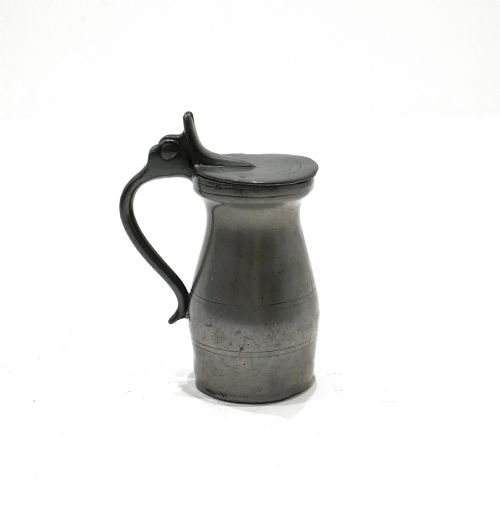
The 18th century pewter jug encompasses sturdy drinking vessels, church flagons, and capacious ale measures from the Georgian era. These pieces range from small spirit measures to large gallon vessels designed for heavy everyday use in domestic or ecclesiastical settings.
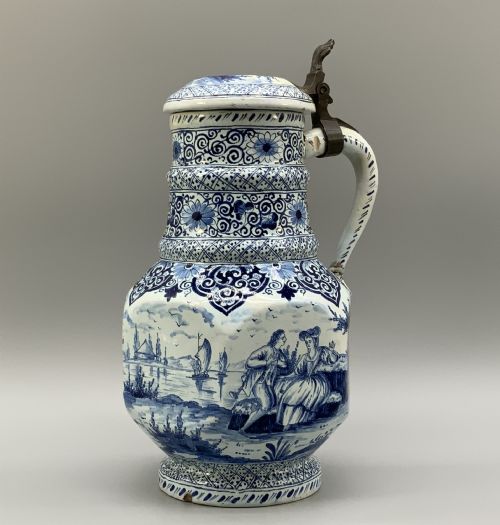
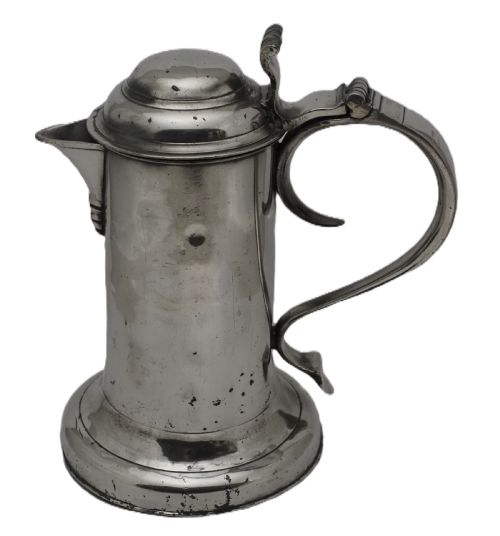
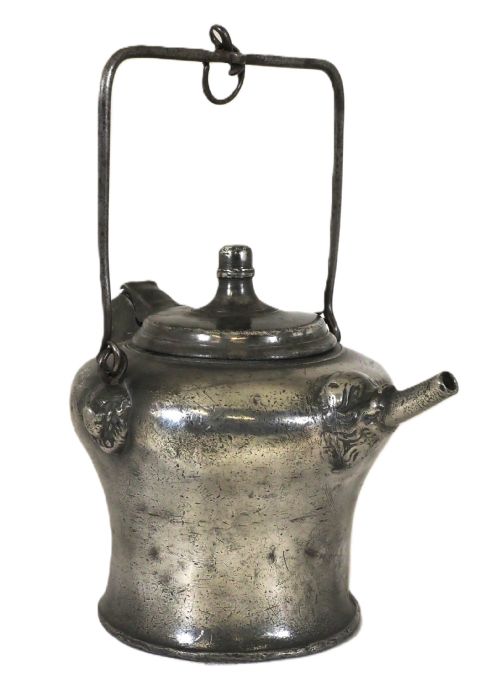
You will encounter various regional forms on this page, including English spire flagons, Irish church flagons, and Jersey measures. Dutch delftware and Swiss biberon water vessels also appear alongside metalware, reflecting diverse European crafting traditions of the period.
How they were made
Pewter forms of this era rely on tin alloyed with lead, copper, or bismuth, shaped by casting and hammering. Makers utilised moulds for bodies and spouts, then finished surfaces on lathes to achieve smooth profiles.
Some examples incorporate tin-glazed earthenware components or lidded pewter mounts fitted with thumbpieces and hinges. This combination of cast metal and ceramic demonstrates skilled collaboration between specialist trades.
18th Century Pewter Jug Retail Price Guide 2026
Typical asking prices for 18th century pewter jug among the pieces listed under this phrase on Sellingantiques today, from the lower quarter to the upper quarter. They describe what is for sale here now, not the wider market.
Listings feature 18th century pewter, tin-glazed earthenware, and iron across English, Irish, Swiss, Dutch, and Jersey origins.
What varies in quality
Quality rests upon the crispness of maker touchmarks, the integrity of soldered joints, and the weight of the metal. Thicker walls and unblemished surfaces indicate higher grade output from established workshops.
Proportion and architectural balance separate standard utility pieces from exceptional examples like spire flagons or inscribed church flagons. Preservation of original lids, hinges, and touchmarks elevates the standing of a piece.
John Heaney of Dublin·Robert Iles of London·John de St Croix
The 18th Century Pewter Jug Glossary
- Flagon
- A large drinking vessel or ecclesiastical pitcher with a handle and lid. These pieces often feature spouts and substantial capacities for church or tavern use.
- Spirit Measure
- A small calibrated vessel used for dispensing precise volumes of alcohol. Examples from this period include pre-imperial gill capacities.
- Touchmark
- An identifying stamp impressed into metal by a pewterer to guarantee standard composition and workshop origin. These marks help historians attribute makers and dates.
- Spire Flagon
- A tall tapered vessel topped with a pointed lid structure. English makers produced these striking pieces primarily during the eighteenth century.
- Biberon
- A traditional Swiss water drinking vessel featuring a spouted bulbous body. These ceramic or metal pieces facilitated shared drinking at the table.
18th Century Pewter Jug: Frequently Asked Questions
How do I clean an 18th century pewter jug?
Wash pewter gently with warm soapy water and dry thoroughly with a soft cloth. Avoid abrasive polishes that remove historic surface oxidation.
Preserving the natural dull grey patina maintains the integrity and visual character of eighteenth century metalwork.
Were these jugs used for food and drink?
Many of these vessels served ale, wine, or water in domestic households and taverns. Church flagons held sacramental wine for religious services.
Some surviving pieces contain lead levels that make modern consumption inadvisable, rendering them better suited for display.
How can I date an 18th century pewter jug?
Examine the vessel for maker touchmarks, capacity stamps, and stylistic details like flat lids or spire profiles. Government standards changed over time, reflecting specific reigns.
Comparison with documented examples from London, provincial makers, or the Channel Islands helps narrow down the decade of production.
What is a touchmark on pewter?
A touchmark is a stamp pressed into the soft metal by the craftsman or workshop. Guild regulations required makers to register these punches.
Finding a clear touchmark allows collectors to identify individual pewterers and trace their operating dates.