
18th Century Pediment
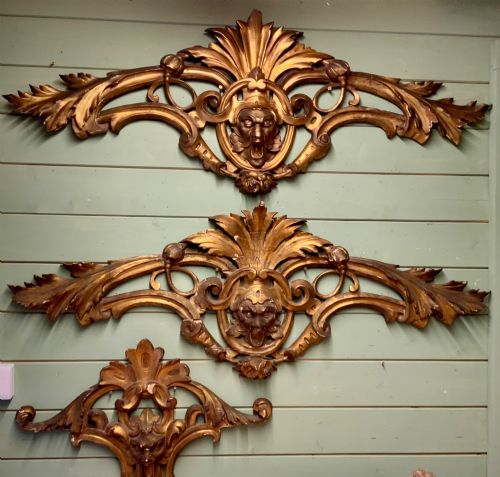
An 18th century pediment crowns fine case furniture and mirrors, bringing classical architectural dignity to a room.
18th Century Pediment
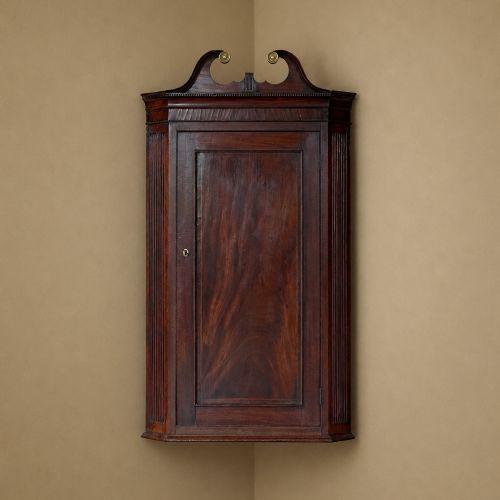
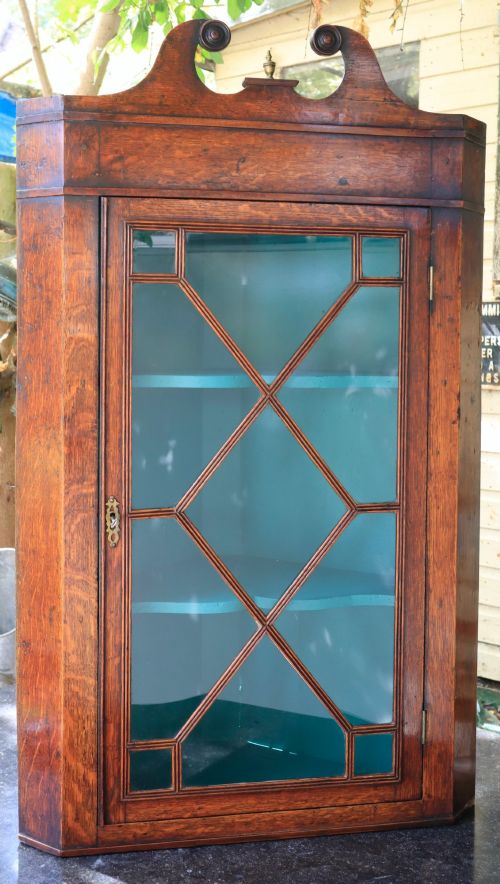
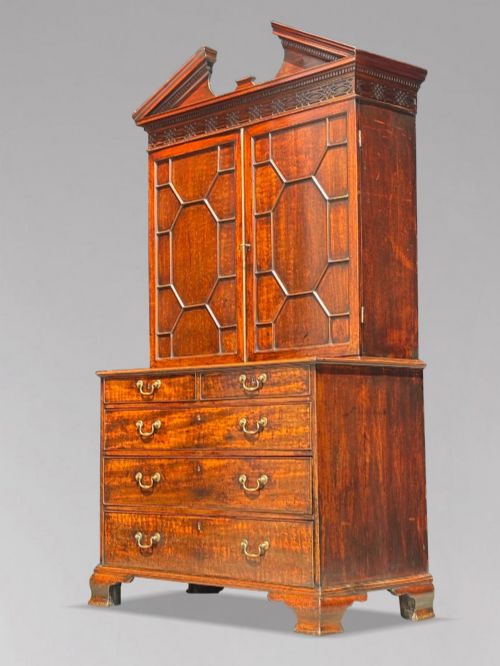
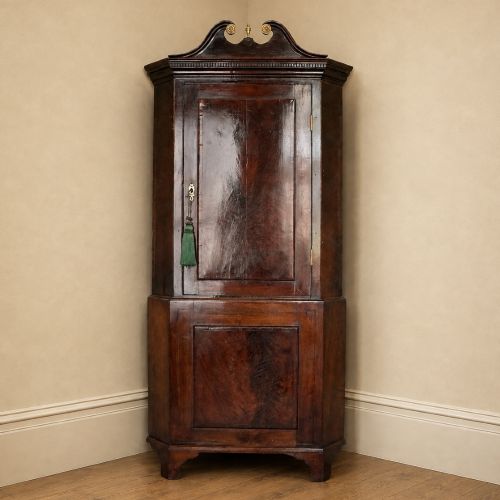
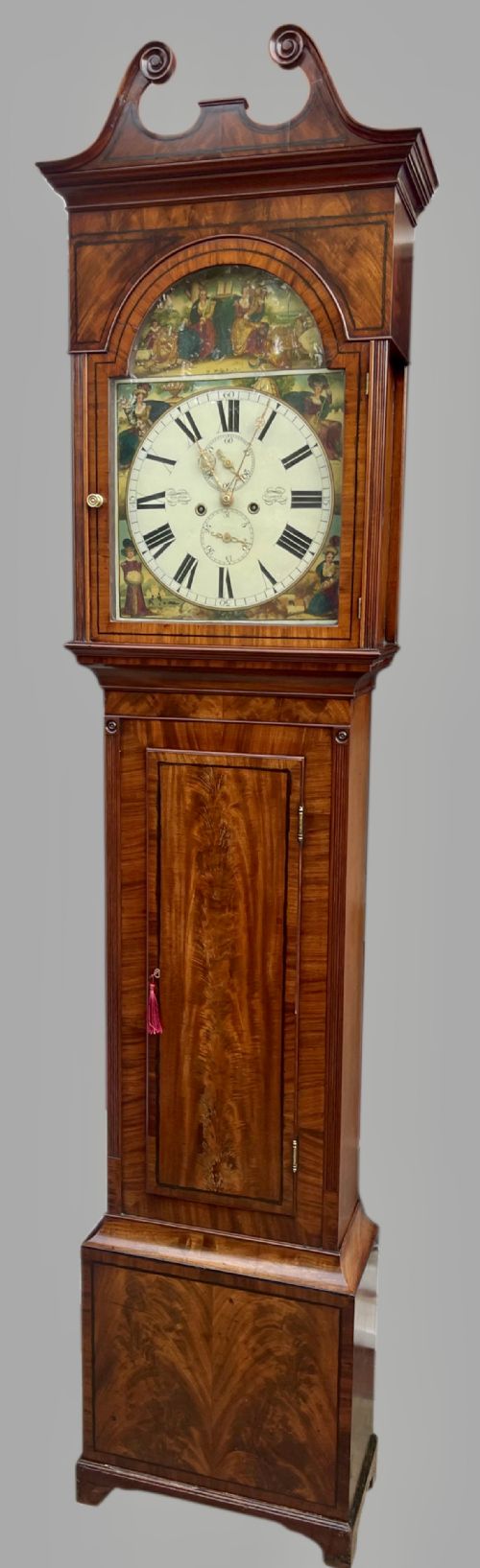
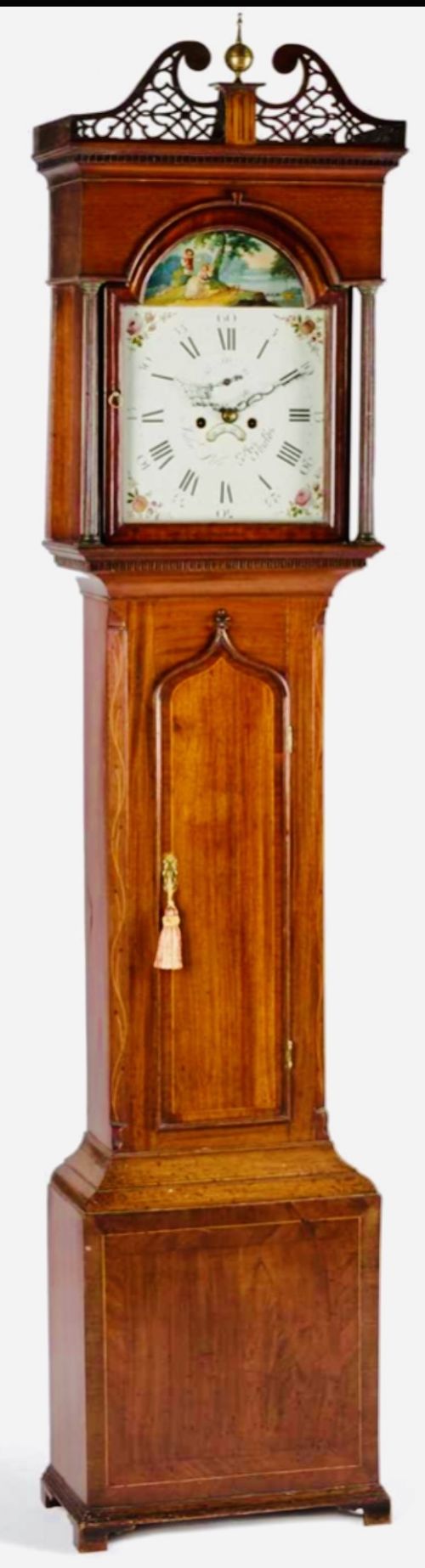
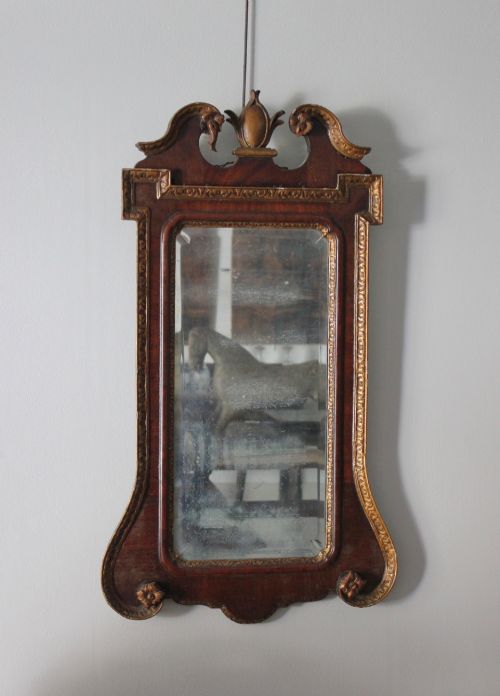
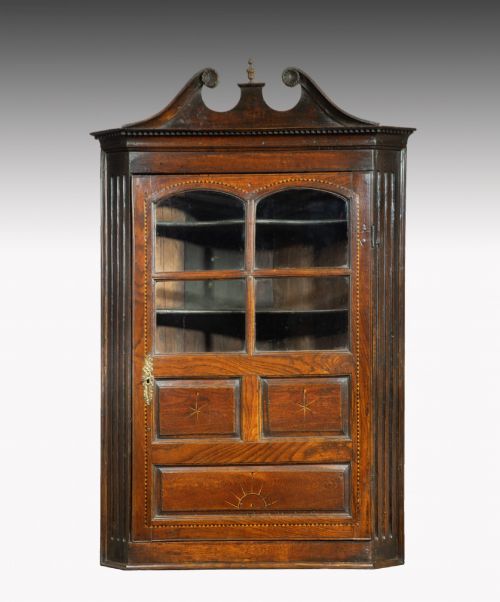
When you search for an 18th century pediment, you are looking at the triangular or arched architectural crown positioned above bookcases, bureau bookcases, corner cabinets, and wall mirrors. These wooden or gilded elements elevate standard case pieces into grand focal points by mimicking classical temple architecture.
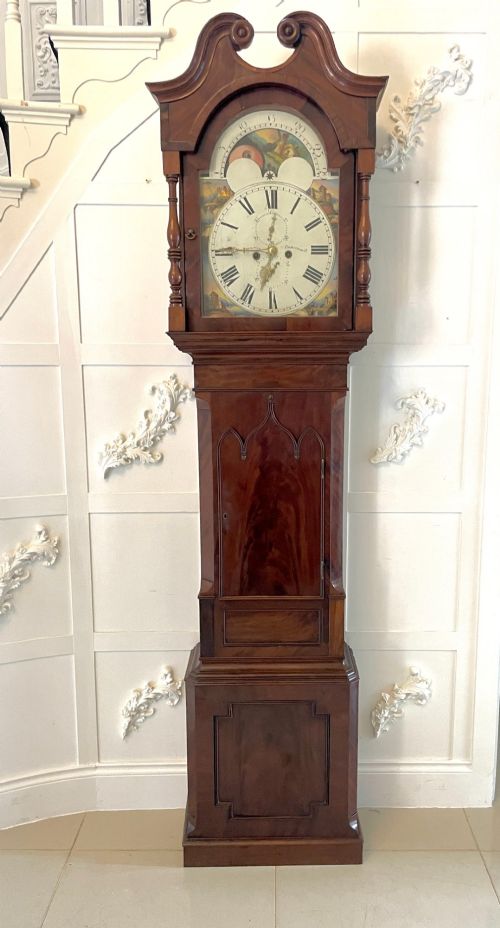
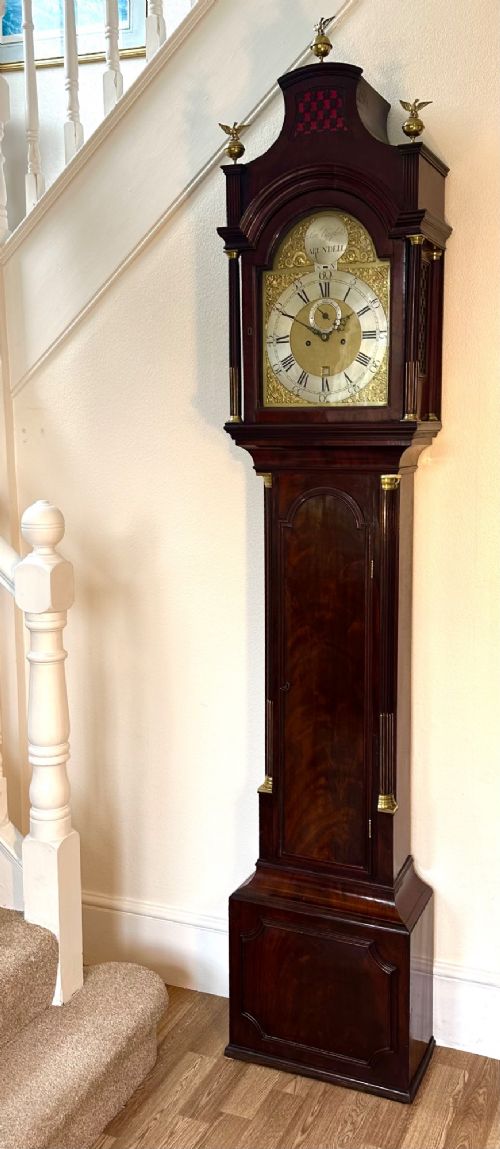
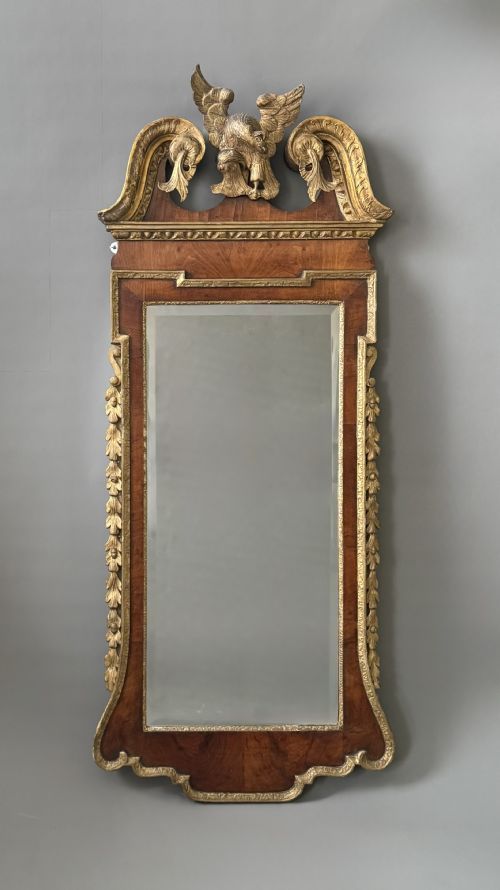
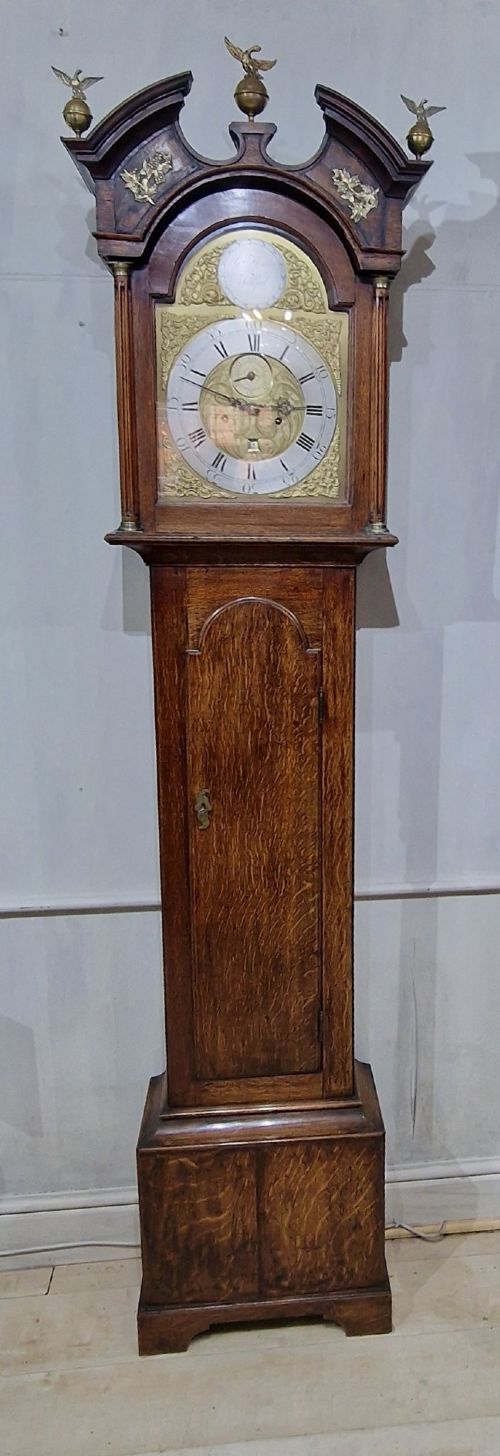
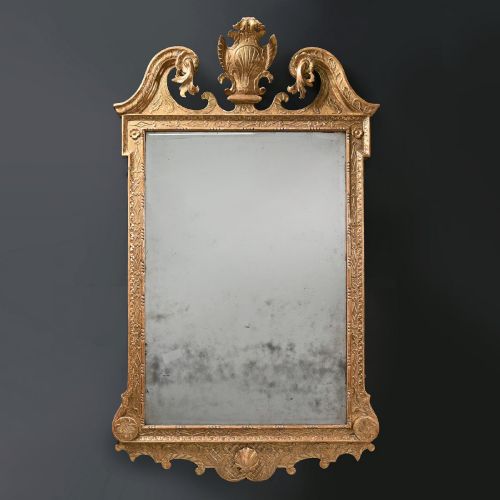
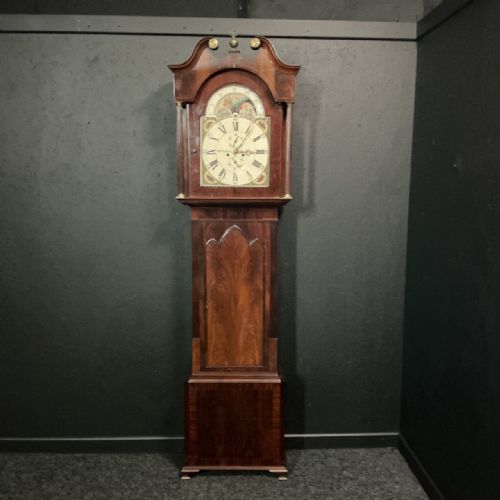
The versions most likely to meet you on this page appear atop George II and George III mahogany, oak, and walnut furniture, as well as upon ornate carved wall mirrors. They frequently take the form of broken arch or swan neck variations, housing central cartouches or carved finials within their scrolls.
How they were made
Cabinet makers constructed these architectural crowns using dense timbers such as mahogany, oak, and walnut, often applying giltwood, gesso, or parcel gilding for decorative emphasis. Carvers shaped the intricate scrolls, mouldings, and foliage by hand directly into the wood.
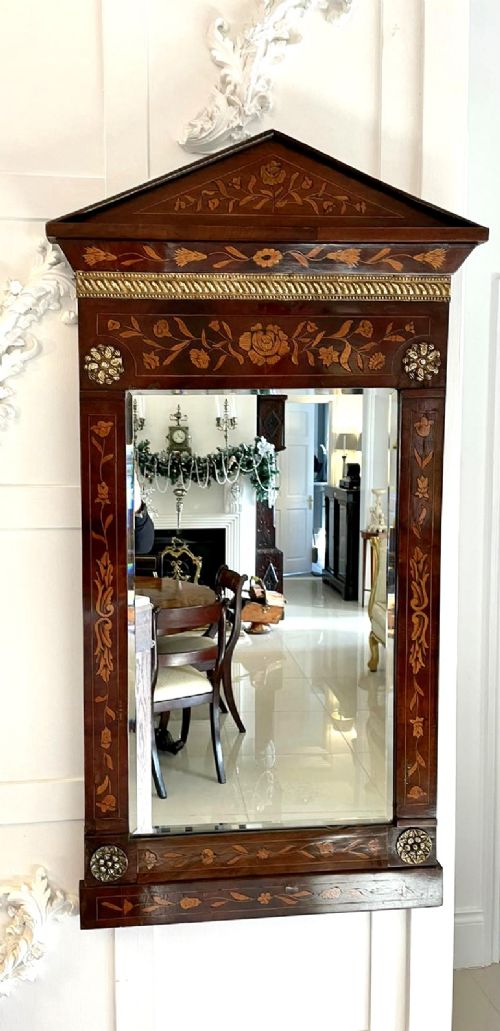
Makers integrated complex joinery to secure the sweeping mouldings of swan neck and broken arch designs to the main body of bookcases and mirrors. Surviving pieces demonstrate the careful application of marquetry inlay, painted pine, and brass accents alongside traditional carving.
Several clocks here keep time with the phases of the moon and a single hand.
What varies in quality
The distinction between ordinary and exceptional examples rests upon the depth and fluency of the hand carving, particularly within the scrolling terminals and central cartouches. Superior pieces exhibit crisp, confident detailing that integrates harmoniously with the architectural proportions of the host furniture.
Quality also lies in the integrity of the timber selection and the preservation of original giltwood or parcel gilt surfaces. Pieces retaining their early carved finials and uncompromised structural joinery command greater appreciation among collectors.
Thomas Chippendale·George Adams·William McEwan·Matt Wylie·Thomas Webbe·Edward Shepley·James Hendrie
The 18th Century Pediment Glossary
- Pediment
- An architectural crown surmounting furniture or mirrors. It originates from classical temple design and defines the upper silhouette of case pieces.
- Swan neck pediment
- A moulding configuration comprising two curving scrolls that rise towards a central point, frequently left open to house an urn or cartouche. This form became dominant during the Georgian period.
- Broken arch pediment
- An architectural top where the sloping or curving cornice is interrupted before meeting in the middle. The gap often displays a carved cartouche or finial.
- Giltwood
- Wood coated with gold leaf over a prepared ground of gesso. It provides a luminous finish characteristic of high status 18th century mirrors and furniture.
- Cartouche
- An ornamental frame resembling a scroll or shield, often carved with armorial bearings or foliage. It frequently occupies the centre of an architectural pediment.
18th Century Pediment: Frequently Asked Questions
What furniture styles feature an 18th century pediment?
These architectural crowns typically surmount tall case pieces such as bureau bookcases, library bookcases, and standing corner cupboards. They also finish the tops of George II and George III wall mirrors.
Cabinet makers of the Georgian era utilised these pediments to add height and classical proportion to important domestic furnishings.
How do I care for a carved wooden pediment?
Maintain these architectural elements by dusting them gently with a soft, dry cloth to prevent particulate buildup in the carved recesses. Avoid applying modern polishes or exposing the timber to direct sunlight and fluctuating humidity.
Careful placement away from heat sources preserves the stability of the original joinery and the integrity of any giltwood or parcel gilt surfaces.
Can pediments be dated by their timber and carving?
Craftsmen of the early 18th century often worked in walnut and figured oak, transitioning toward rich Cuban mahogany as the period progressed. Carving styles evolved from the bold architectural forms of the George II era to the lighter, refined ribbon and scroll motifs associated with Chippendale designs.
Examining the tool marks, secondary woods, and construction methods helps establish the chronological origin of the crown.