




Silver Leaf Carved Wood
Silver leaf carved wood pieces bring luminous depth to interiors through hand-applied metallic foil laid over shaped timber and gesso.
Silver Leaf Carved Wood
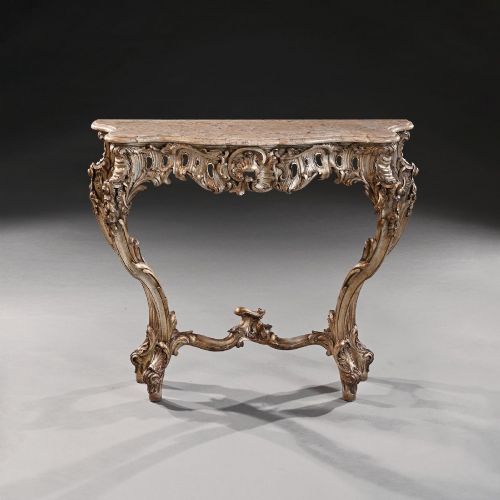
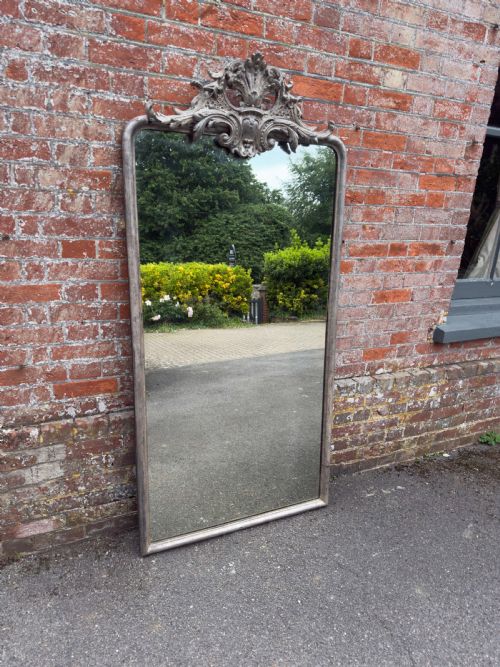
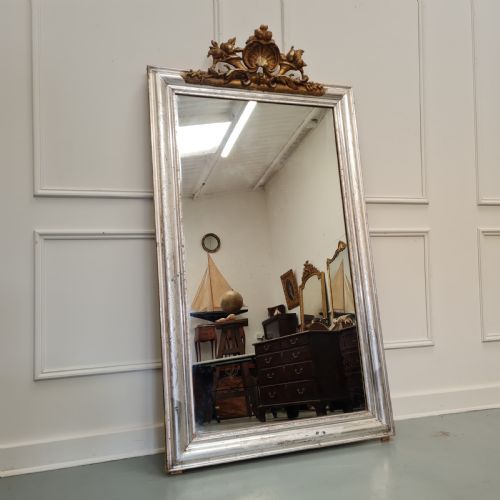
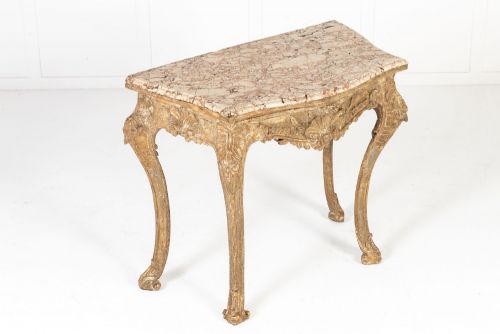
When you search for silver leaf carved wood, you encounter an array of decorative furnishings designed to catch and reflect candlelight or natural daylight. Wall mirrors and console tables dominate this selection, frequently arriving from Italian and French workshops across the eighteenth and nineteenth centuries.
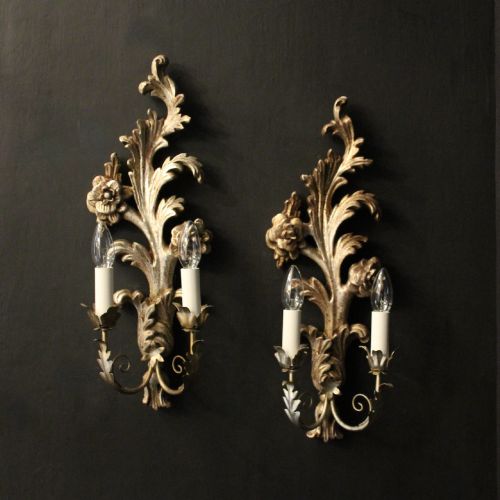
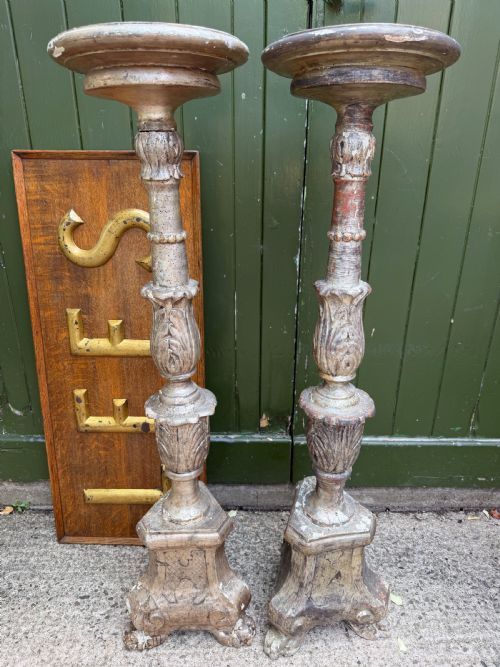
The most common forms on this page include Venetian mirrors, Florentine wall lights, and altar-style candlesticks. These objects combine substantial wooden carcasses with intricate relief work, ranging from bold Baroque scrolls to restrained neoclassical mouldings.
A buyer seeking these items wants a focal point that combines architectural presence with a softer metallic sheen than standard gilt. The surfaces often show subtle ageing where the underlying gesso and wood grain emerge through the silver leaf.
How they were made
Artisans built the structural elements from solid timber, shaping the contours through hand carving before applying layers of liquid gesso to smooth the surface. This plaster ground provided the crisp base necessary for intricate relief ornament.
Craftspersons then laid extremely thin sheets of silver leaf onto a tacky size, burnishing the metal to achieve a bright finish or toning it down with glazes. Many pieces also incorporate touches of gold leaf or polychrome paint alongside the primary silver surface.
Listings feature items spanning the seventeenth to the twentieth centuries, with eighteenth-century Italian works and nineteenth-century French mirrors appearing frequently.
What varies in quality
Quality rests primarily in the crispness of the hand carving and the depth of the underlying gesso relief. Superior pieces display sharply defined acanthus leaves, scrolls, and figures that retain their volume beneath the metallic skin.
The sophistication of the surface finish further separates examples, with better work showing careful burnishing and natural patination rather than flat, uniform modern paint. Construction methods also matter, as robust joinery in the wooden carcass ensures the heavy frames hang securely or support marble tops without strain.
The Silver Leaf Carved Wood Glossary
- Gesso
- A mixture of plaster of Paris and glue binder applied to wood to create a smooth, absorbent ground for gilding. It allows carvers to achieve fine detail that holds crisp edges beneath metal leaf.
- Giltwood
- Timber that has been decorated with gold or silver leaf applied over a prepared ground. It forms the primary structural medium for high-status European mirrors and console tables.
- Mecca
- A transparent yellow-gold varnish applied over silver leaf to imitate the warmer tone of gold. It was frequently utilised on eighteenth-century Italian and Venetian altar candlesticks.
- Torchere
- A tall stand designed to support a candle or light fixture. These wooden supports often feature elaborate carved decoration and silvered finishes.
- Pediment
- The decorative architectural crown above a mirror frame or piece of furniture. On these items, it typically takes the form of carved foliage or scrolls finished in silver leaf.
Silver Leaf Carved Wood: Frequently Asked Questions
How do I clean silver leaf carved wood?
Dust these surfaces gently using a soft, dry brush or a feather duster to prevent particulate buildup in the carved recesses. Avoid liquid cleaners, damp cloths, and chemical polishes, which can strip the delicate metal leaf and expose the underlying gesso.
For stubborn grime, consult a professional conservator rather than attempting DIY intervention. The historic silver leaf and gesso layers are fragile and susceptible to moisture damage.
Are these pieces made of solid silver?
No, these items consist of timber carcasses covered in thin sheets of actual silver leaf applied over a gesso ground. The base material provides structural strength while the metal leaf delivers the reflective surface.
Some smaller items, such as walking canes, may feature hallmarked silver mounts, but the larger mirrors and consoles rely entirely on applied leaf.
How can I tell an eighteenth-century mirror from a nineteenth-century copy?
Examine the construction of the wooden frame and the composition of the gesso ground beneath the silver leaf. Earlier pieces often display hand-cut joinery, older hand-beveled mirror glass with natural oxidation, and thicker, more irregular gesso layers.
Nineteenth-century revival pieces tend to exhibit more uniform machine assistance and modern backing materials. However, many nineteenth-century French and Italian makers employed traditional hand-carving techniques that closely mirror earlier work.
Where should I hang a heavy silvered mirror?
Mount heavy carved wood mirrors directly into wall studs using robust hardware rated well above the weight of the object. Because these frames combine solid timber, thick gesso, and glass, they require secure anchoring to prevent structural failure.
Position the piece away from direct heat sources and high-humidity areas like bathrooms. Fluctuating temperatures cause wood to expand and contract, which can crack the gesso and cause the silver leaf to flake.