

18th Century Paper Art
18th century paper art encompasses delicate engravings, expressive pastels and detailed watercolours housed behind glass in period frames.
18th Century Paper Art
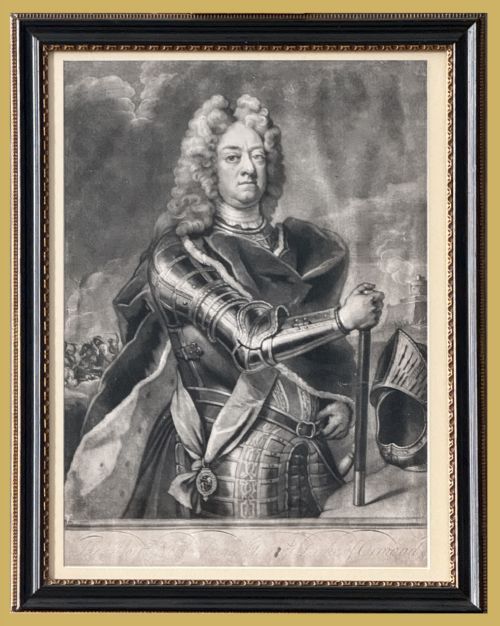
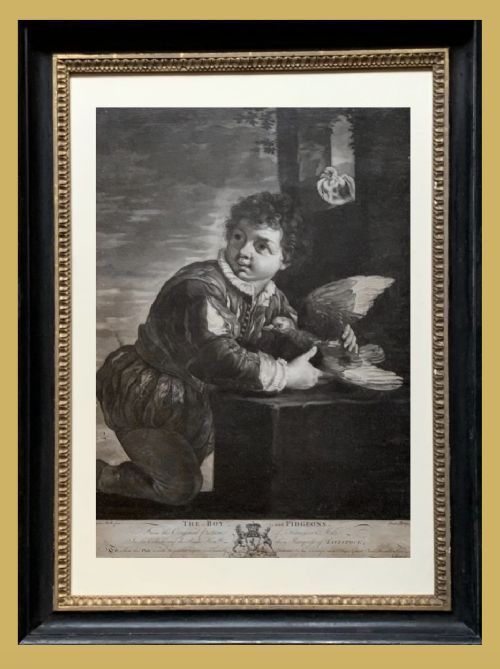
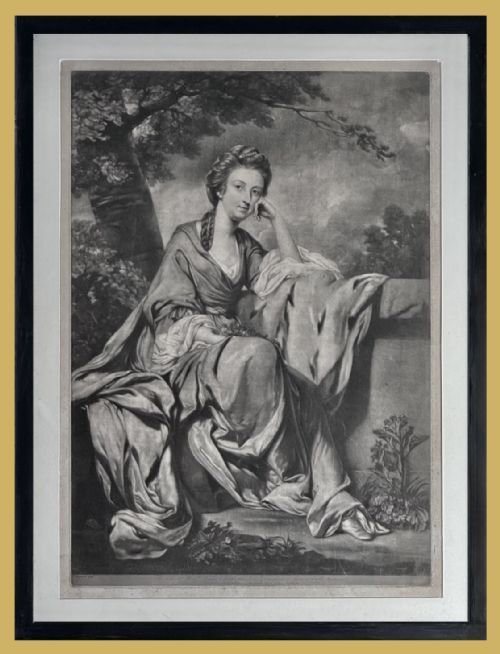
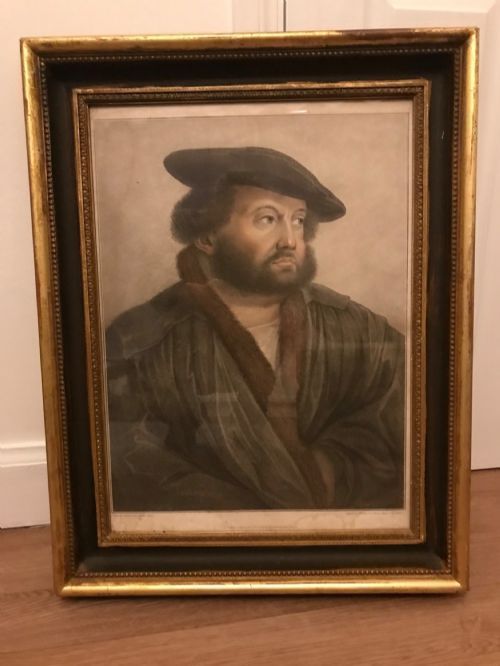
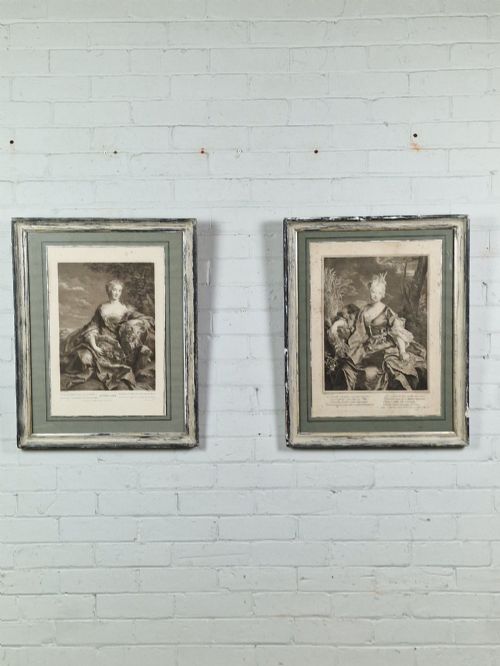
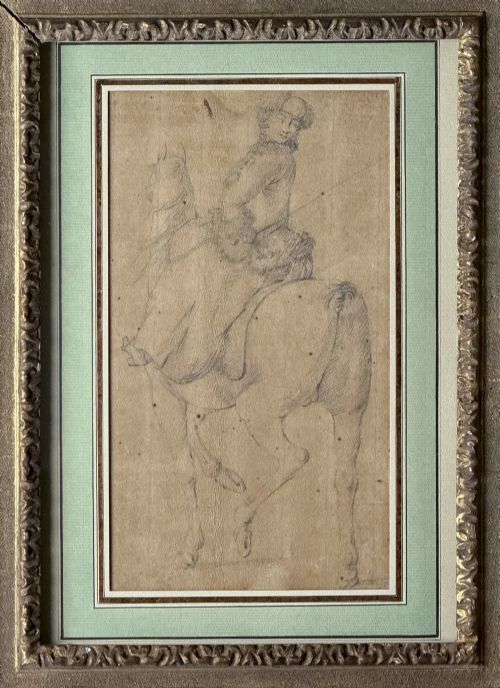
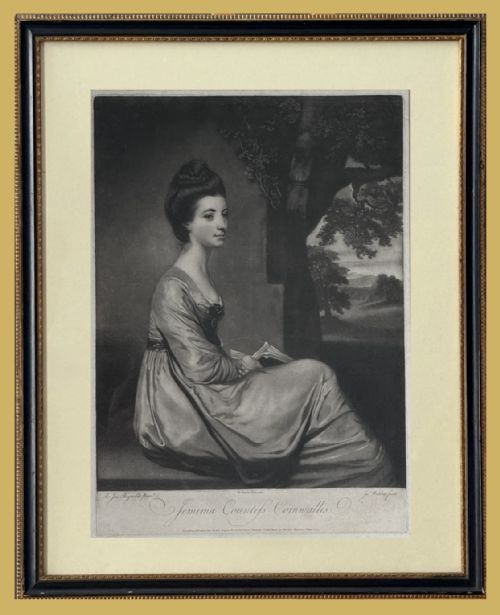
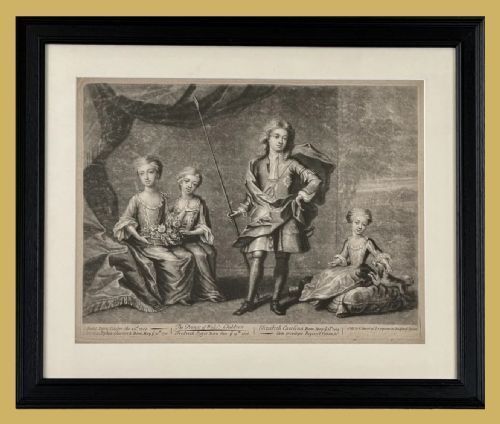
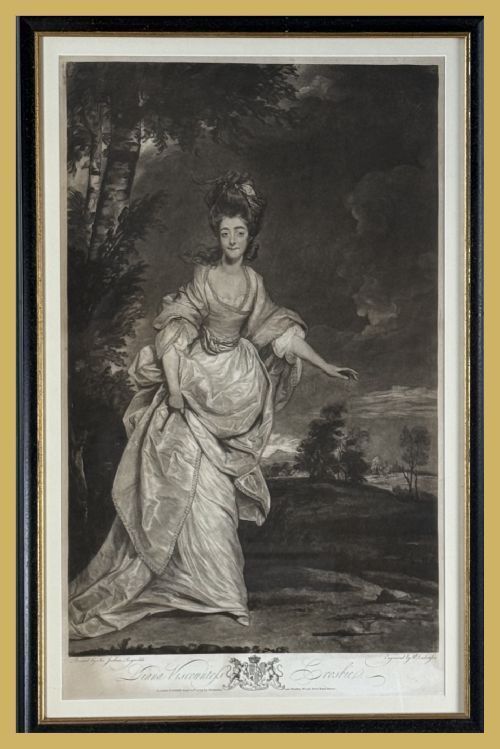
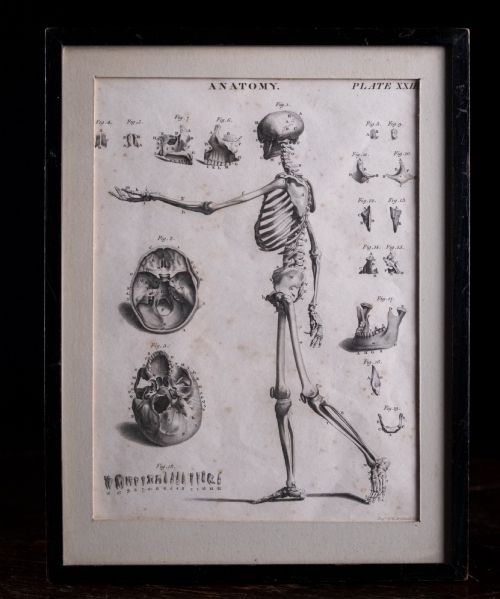
When searching for 18th century paper art, collectors encounter a diverse selection of works created on paper supports during the Georgian era and surrounding decades. The primary forms available include mezzotint portraits, stipple and line engravings, gouache paintings, pen and ink drawings, and hand-coloured prints.
Most items represent European schools, with British portraiture, French classical subjects, and Dutch craftsmanship forming the core of the selection. These framed artworks frequently depict notable historical figures, mythological scenes, and architectural subjects.
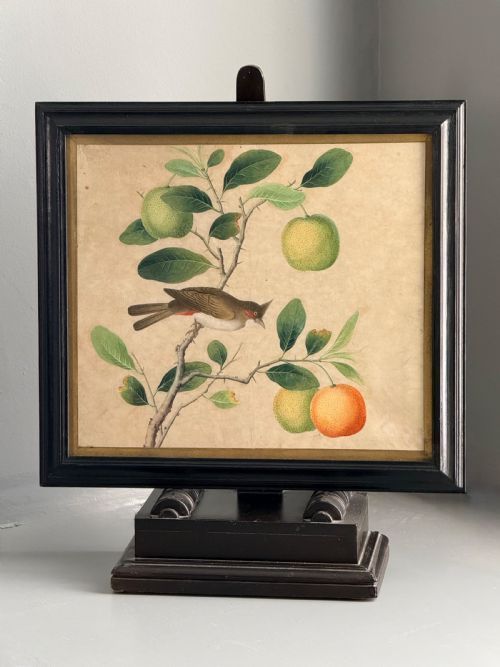
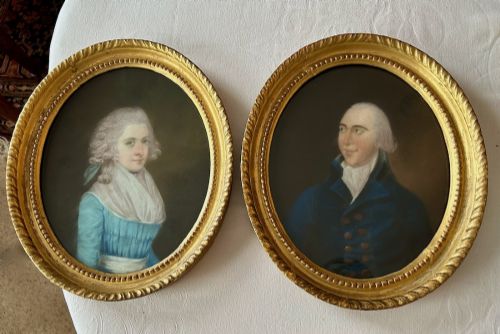
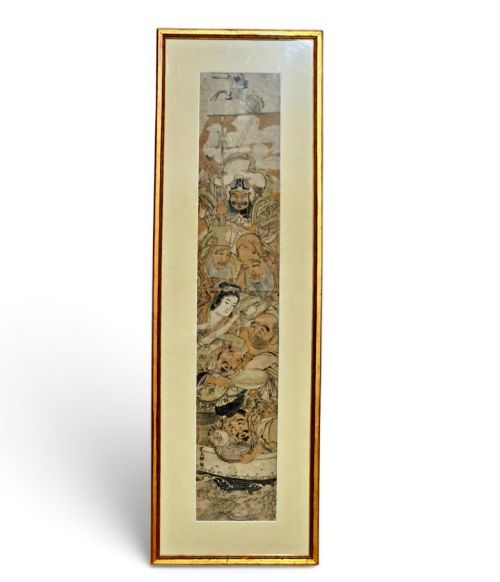
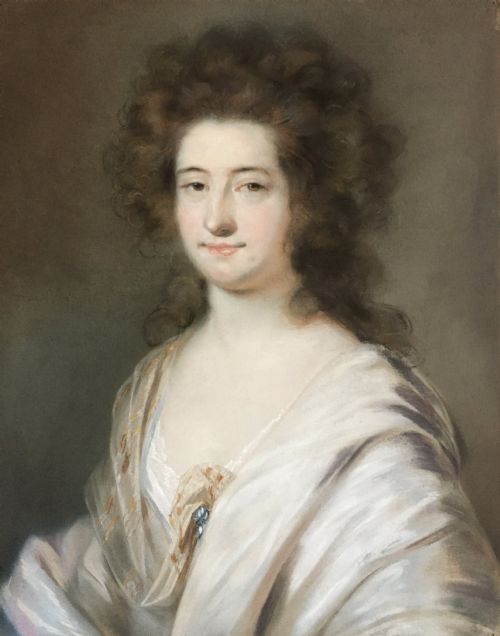
Beyond standard prints, the inventory includes delicate pastels and pith paper paintings created by regional artists. These works capture the aesthetic priorities of the period, ranging from formal Baroque compositions to lighter Neoclassical designs.
Materials and Techniques
Makers utilised high-grade rag paper alongside specialised surfaces such as pith paper to receive fine applications of ink, watercolour, and gouache. Printmakers employed metal plates for engraving and mezzotint, transferring impressions manually onto paper using presses.
Master craftsmen protected these fragile works inside bespoke wooden enclosures, often incorporating glass and gold leaf elements. Wash drawings and pastels relied on precise hand application of pigments, requiring careful fixation to preserve the powdered media over centuries.
Materials documented across the catalogue include handmade paper, pith paper, gold leaf, and watercolour pigments.
Assessing Quality and Preservation
The distinction between tiers of work rests upon the crispness of the plate impression in engravings and the retention of vibrant pigment in watercolours and pastels. Superior examples retain strong contrasts without excessive fading or paper thinning.
Original framing components, such as period giltwood surrounds, elevate the stature of a piece compared to modern replacements. The precision of the original draughtsmanship and the documented attribution to skilled printmakers or artists determine the upper echelon of the range.
John Simon·John Boydell·Edward Fisher·Francesco Bartolozzi·John Smith·James Watson·Jacobus Houbraken·Valentine Green·James MacArdell·Richard Houston
The 18th Century Paper Art Glossary
- Mezzotint
- A printmaking process where the copper plate is roughened to achieve rich tonal gradations and dark backgrounds. This technique allowed artists to produce velvety portraits with subtle shifts in light and shadow.
- Stipple engraving
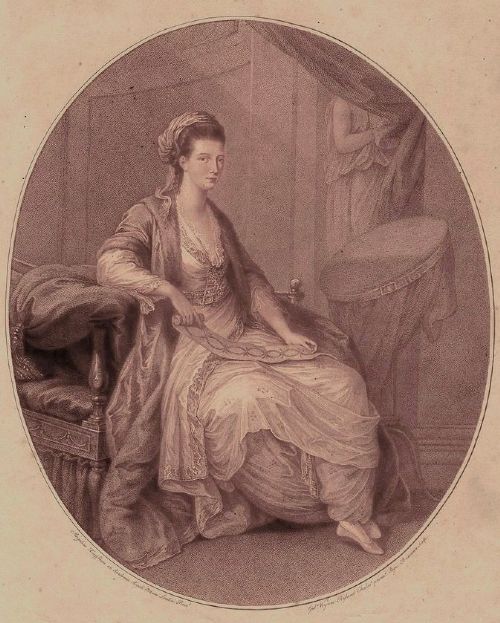
- A method of creating prints using dots of varying density rather than continuous lines. It gained popularity for rendering soft flesh tones and painterly textures.
- Gouache
- An opaque water-based paint composed of pigment, water, and a binding agent such as gum arabic. It produces flat, saturated colour fields with high opacity.
- Pith paper
- A delicate material derived from the pith of the Tetrapanax papyrifer plant, commonly used for botanical and figurative gouache paintings. It possesses a velvety surface that absorbs pigments distinctively.
- Giltwood
- Wood carved and coated with a thin layer of gold leaf or metallic powder. It provides ornamental framing for paper works from the Baroque and Neoclassical periods.
18th Century Paper Art: Frequently Asked Questions
What subjects appear most frequently in 18th century paper art?
The inventory frequently highlights aristocratic portraiture, military figures, and literary or mythological narratives drawn from classical sources. Many pieces document historical personages through print series.
Landscape drawings and architectural cartography also emerge, reflecting the educational and decorative pursuits of Georgian households.
How should these delicate works be displayed at home?
Paper works require placement away from direct sunlight and high humidity to prevent fading and paper degradation. UV-protective glass and stable interior environments help safeguard the pigments.
Wall placement should avoid exterior damp walls or areas subject to drastic temperature fluctuations to maintain the structural integrity of the paper and frame.
How do you distinguish an original period print from a later reproduction?
Original pieces exhibit plate marks indented into the paper margins where the metal plate pressed down during printing. The paper stock itself typically shows the fibrous texture and irregular edges characteristic of handmade rag paper.
Examining the ink under magnification reveals the dot patterns or plate burr unique to authentic period engraving and mezzotint techniques rather than modern dot-matrix printing.
What framing styles accompany these antique paper works?
Many items retain their original or period-appropriate frames, often constructed from wood with gilt details or Hogarth profiles. These surrounds complement the aesthetic of the Georgian and Neoclassical eras.
The presence of original framing adds historical context, showing how the artwork was presented during the eighteenth century.