
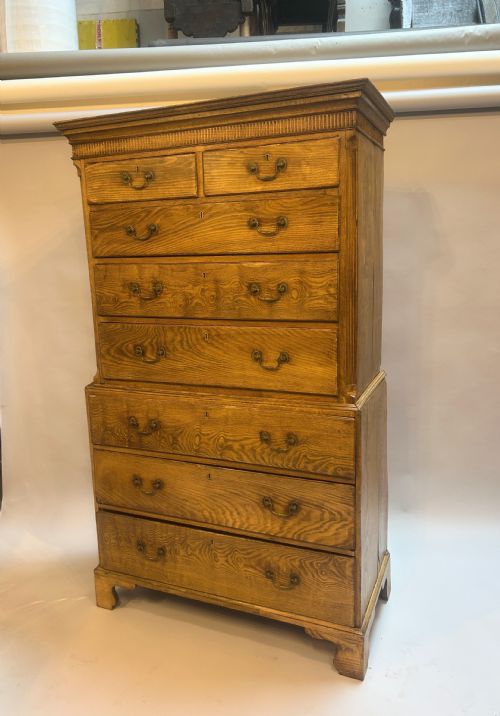
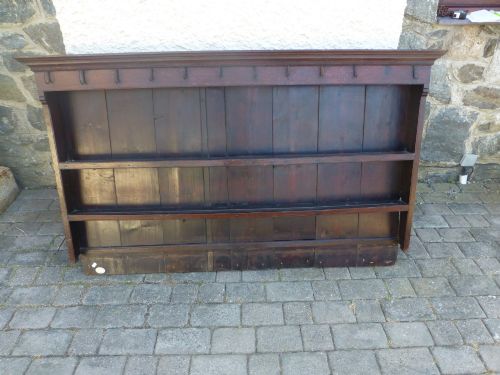
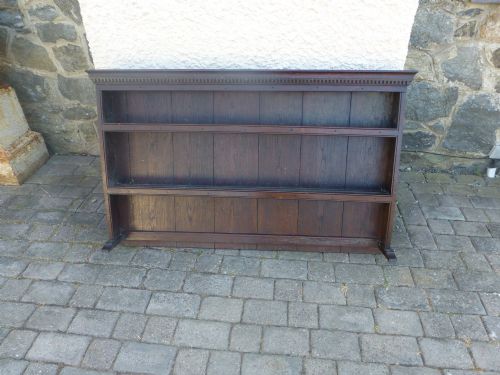
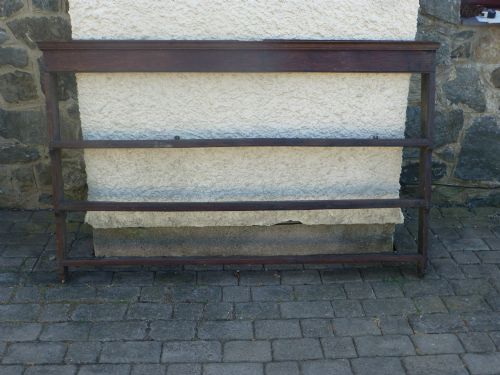


18th Century Oak Dresser Top
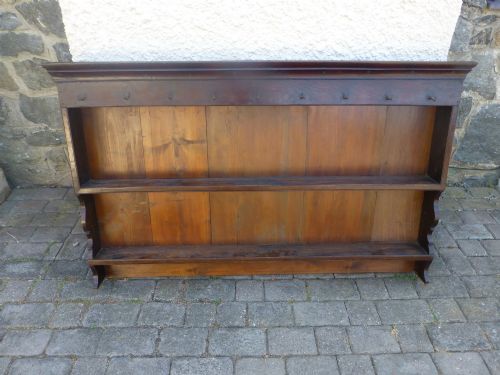
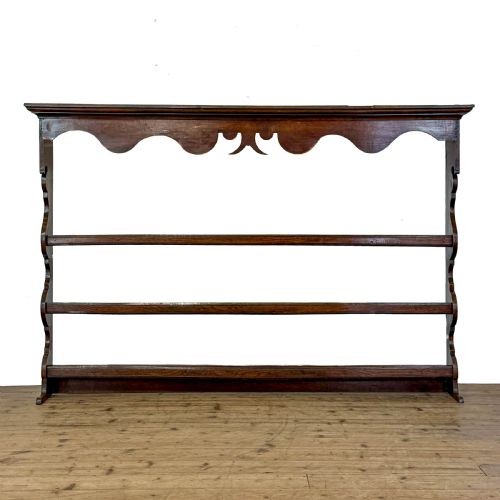
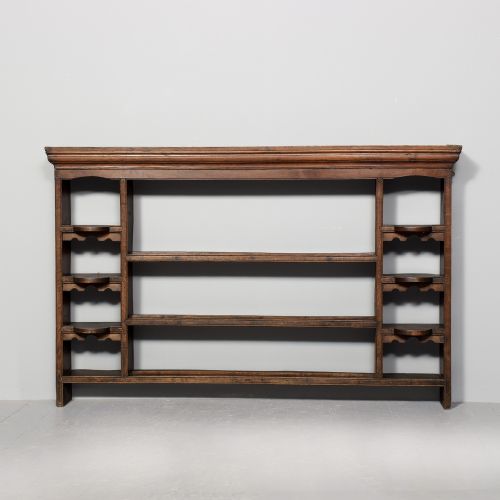
An 18th century oak dresser top brings functional vernacular storage into a room, offering open shelves for displaying plates and earthenware.
18th Century Oak Dresser Top
When you search for an 18th century oak dresser top, you are looking at plate racks and wall shelves designed to sit upon a base or mount directly to a wall. These upper sections served domestic kitchens and dining spaces across the Georgian period.
The versions you meet most frequently on this page date from the eighteenth century, spanning the reigns of George II and George III. They appear predominantly in solid oak, often described as delft racks or dresser racks.
Alongside dedicated plate racks, the listings include related forms such as bookcases and wall shelves in matching materials. English country pieces sit alongside examples from French provincial workshops.
How they were made
Makers built these pieces primarily from solid oak, sometimes utilising bleached oak or incorporating brass and iron hardware for hanging and support. Construction relied on traditional joinery suitable for supporting heavy rows of ceramics.
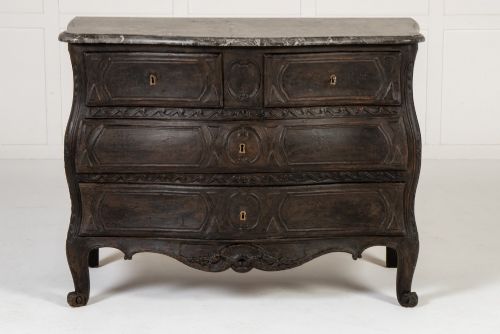
Surfaces display the natural grain of the timber, occasionally finished with ebonisation as seen in French provincial examples. Structural elements focus on plate grooves and boarded backs designed to hold tableware securely.
Listings feature oak material predominantly, with occasional bleached oak and iron or brass hardware.
What varies in quality
Quality rests in the proportion of the moulding and the integrity of the original timber rather than surface decoration alone. Pieces retaining their original plate grooves and backboards command greater interest from collectors.
The distinction between a provincial utility piece and a refined Georgian bookcase or dresser rack lies in the crispness of the joinery and the selection of the oak boards.
The 18th Century Oak Dresser Top Glossary
- Delft rack
- An open wooden shelving unit designed to display ceramic plates and platters against a wall or atop a dresser base.
- George III
- The stylistic period spanning the latter half of the eighteenth century, characterised by balanced proportions and understated classical details.
- Bleached oak
- Timber treated to lighten its natural tone, a finish appearing on certain continental European pieces.
- Wall rack
- A hanging shelving unit designed for domestic storage without a corresponding base cabinet.
18th Century Oak Dresser Top: Frequently Asked Questions
What is an 18th century oak dresser top used for?
These pieces were designed to hold and display ceramic plates, platters and household tableware in kitchens and dining rooms.
Today, they function similarly on walls or atop suitable sideboards to organise and exhibit collections.
How do I tell an 18th century rack apart from later copies?
Examination of the timber, joint construction and backboards reveals the age and construction methods of the period.
Hand-cut fixings and surface wear characteristic of eighteenth-century use help distinguish early pieces from later reproductions.
Are these racks meant to be hung on a wall?
Many examples are wall racks intended for direct mounting above furniture or lower counters.
Others formed the upper half of a two-piece dresser and require secure wall fixing if displayed independently.
What woods were used besides oak?
While oak is the predominant material recorded in these listings, continental examples occasionally feature bleached oak or regional fruitwoods.
Iron and brass hardware frequently accompany the woodwork for structural support.