




18th Century Livery Cupboard
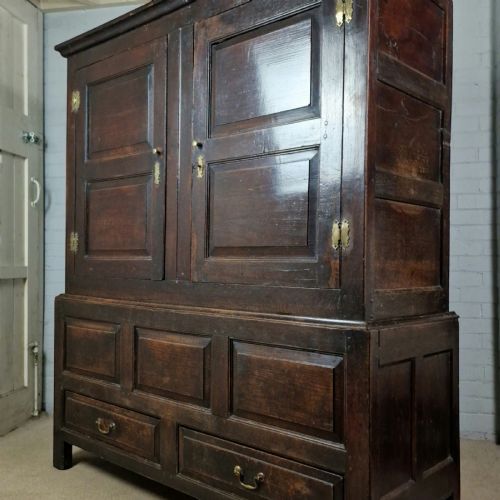
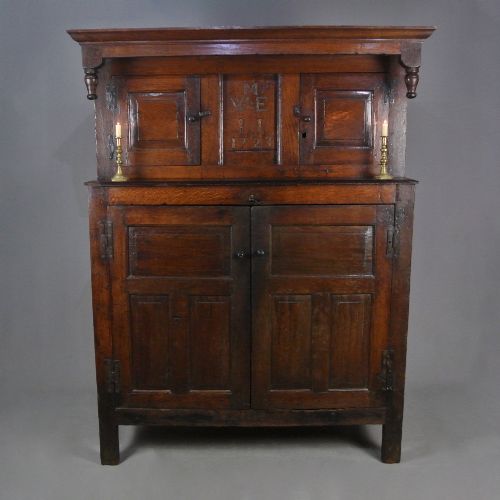
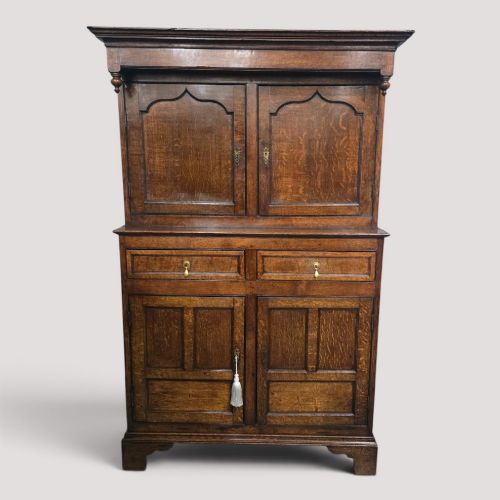
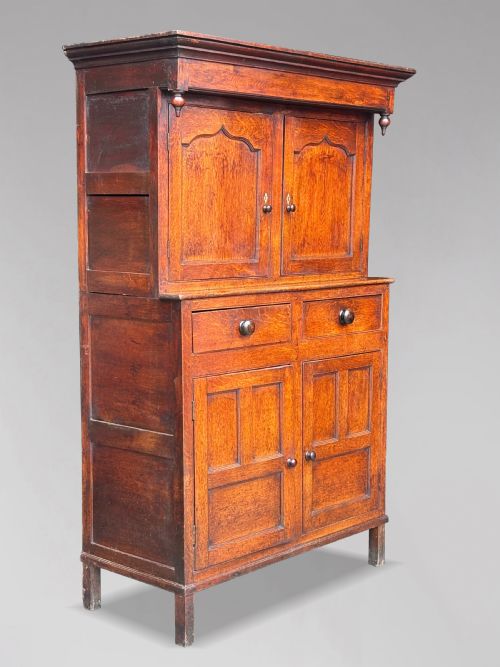
An 18th century livery cupboard brings robust country craftsmanship and generous storage into a room.
18th Century Livery Cupboard
When you search for an 18th century livery cupboard, you encounter substantial storage pieces designed for domestic storage in country houses and farmhouses. These pieces span the 18th Century and Georgian periods, originating from English and Welsh workshops.
The most common forms you meet include large press cupboards, court cupboards, hanging food cupboards, and two-part designs. They frequently serve as wardrobes, linen presses, or housekeepers cupboards within modern homes.
How they were made
These pieces are constructed primarily from solid oak, with occasional examples in elm and walnut. Joinery techniques shape the joined oak carcasses, while carved detailing appears on select regional variants.
Hardware consists of iron and brass fittings, including hinges and handles that secure the heavy panelled doors and drawers.
Materials across these listings are strictly traditional, featuring solid oak, elm, walnut, brass, and iron.
What varies in quality
The distinction between standard and superior pieces rests in the crispness of the carved ornamentation and the balance of proportions. Regional variations, particularly Welsh vernacular forms like the Cwpwrdd Deuddarn, display distinctive local characteristics.
Surface appearance depends on the survival of original paint or the depth of the timber's patina over centuries of use. The integrity of the original joined construction determines the structural strength of each cupboard.
The 18th Century Livery Cupboard Glossary
- Livery cupboard
- A large storage piece traditionally used for provisions, clothing, or household linens. These forms often double as wardrobes or press cupboards.
- Court cupboard
- An antique cupboard featuring recessed upper sections or tiered stages, frequently associated with early 18th Century English and Welsh cabinet making.
- Cwpwrdd Deuddarn
- A traditional Welsh two-part cupboard originating from rural workshops. These items often incorporate panelled doors and internal shelving.
- Press cupboard
- A heavy storage furniture piece equipped with internal hanging space or sliding trays for linen. They incorporate drawers in the base section.
- Joined oak
- Construction method utilising pegged mortise and tenon joints rather than metal nails. This technique defines vernacular furniture of the period.
18th Century Livery Cupboard: Frequently Asked Questions
How do I use a livery cupboard today?
An 18th century livery cupboard functions effectively as a wardrobe for hanging clothes or a linen press for storing bedding and towels in a bedroom.
Alternatively, these large cabinets serve as statement storage pieces in hallways or dining rooms for tableware and household items.
What is the difference between a livery cupboard and a court cupboard?
A livery cupboard generally provides enclosed vertical storage with doors, often designed for hanging garments or linens.
A court cupboard typically incorporates a stepped or recessed upper tier, representing an earlier architectural form of regional country furniture.
Are these cupboards made entirely of solid oak?
The pieces recorded here use solid oak as the primary timber, complemented by occasional examples in elm and walnut.
Internal elements and panels rely on traditional joined timber construction without modern manufactured boards.
How do I identify a Welsh vernacular piece?
Welsh vernacular pieces often carry specific regional designations like the Cwpwrdd Deuddarn and frequently exhibit distinctive regional carving styles.
These items reflect the distinct building traditions of 18th Century Welsh cabinet makers compared to English country workshops.