
18th Century Lead Glass
These pieces of 18th century lead glass are historic drinking vessels and tableware prized for their tactile weight and clarity.
18th Century Lead Glass
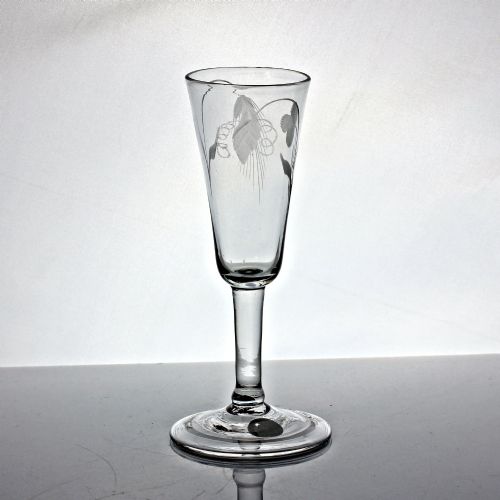
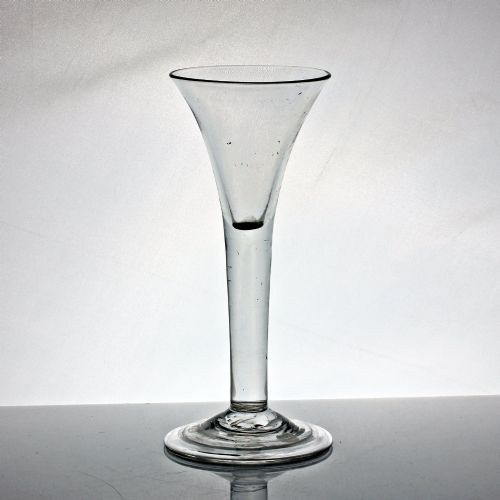
When you search for 18th century lead glass, you encounter drinking vessels, decanters, and serveware dating across the Georgian era. The selection centres heavily on wine glasses featuring diverse stem formations, alongside specialised vessels like ale glasses, rummer glasses, and decanters.
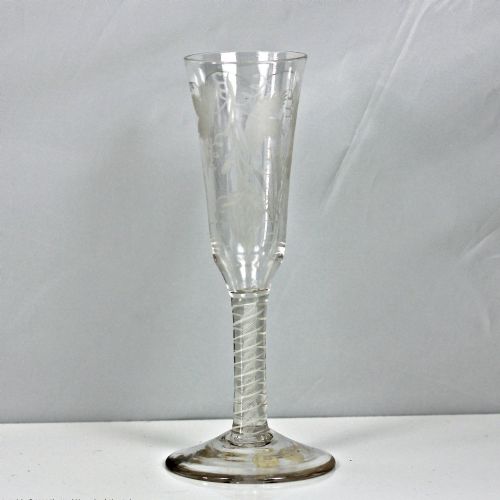
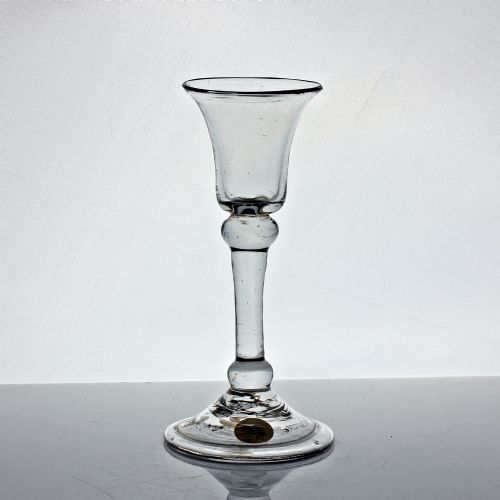
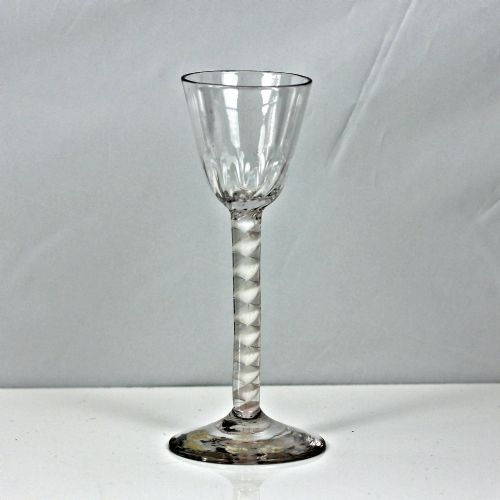
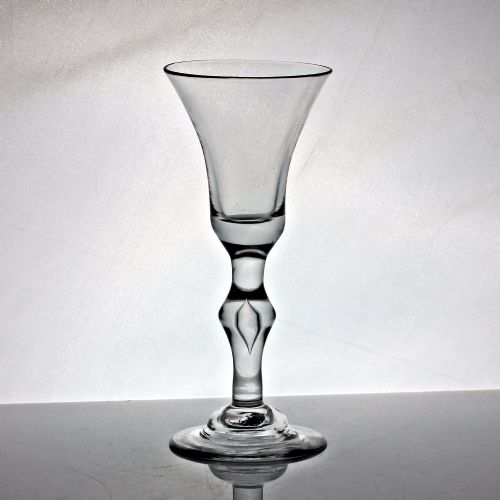
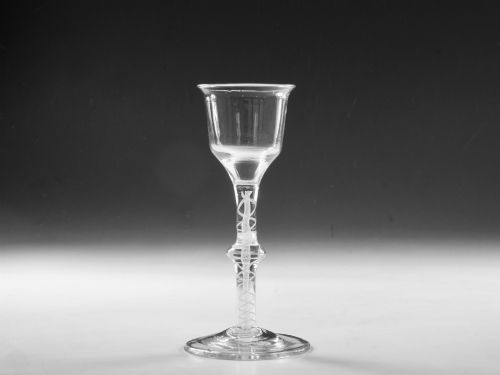
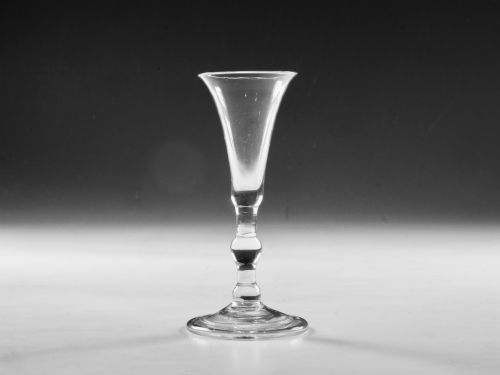
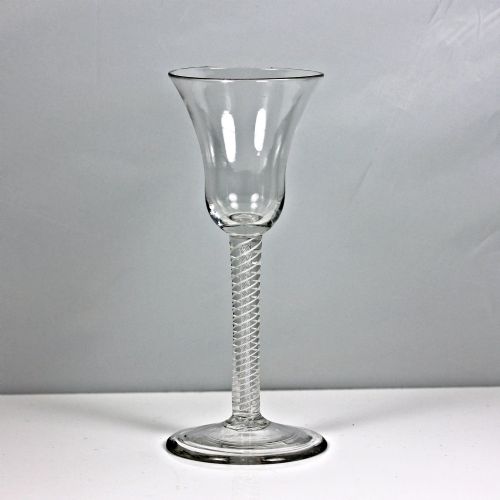
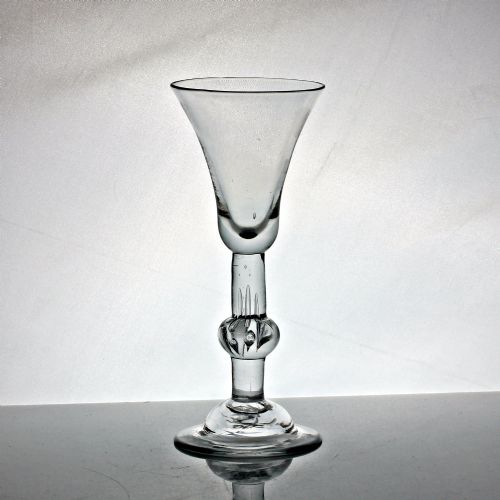
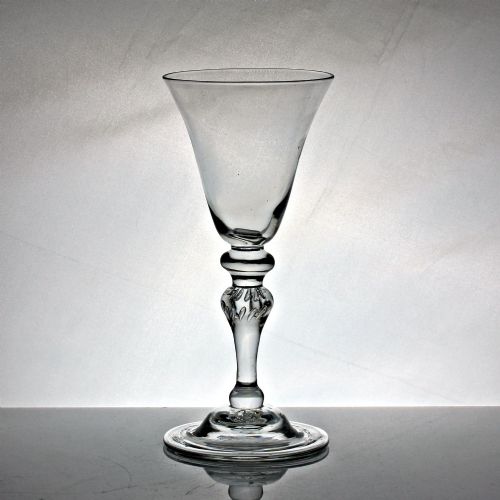
You will frequently meet items originating from the mid to late Georgian period, spanning eras from the early decades through to roughly 1800. These range from heavy baluster goblets and balustroid wine glasses to delicate air twists and opaque twists.
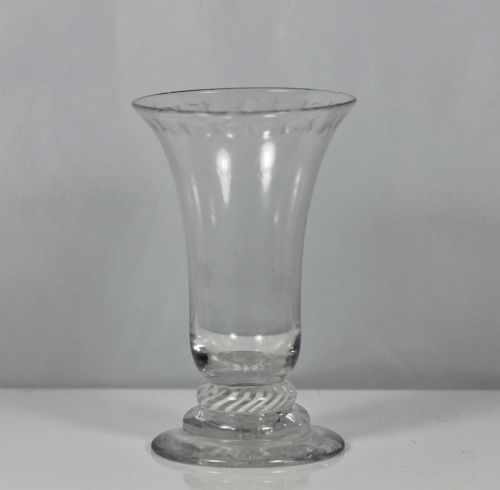
Beyond standard wine and ale glasses, the category encompasses tablewares such as tazzas, jelly glasses, cream jugs, and oil lamps. Each piece demonstrates the functional versatility of lead glass manufacture during the seventeen hundreds.
Materials and production methods
The primary material is lead glass, often referred to as flint glass or lead crystal, which provides a heavy feel and luminous clarity. Artisans manipulated this dense composition to form complex stem structures and clear vessels.
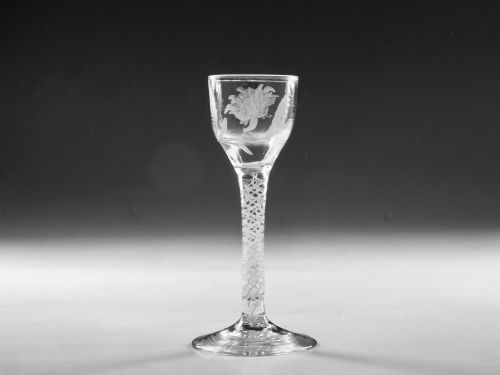
Production techniques involved free-blowing, moulding, and tool-shaping to create distinct stem types including air twists, opaque twists, and faceted stems. Workers also applied decorative elements such as enamel details, folded feet, and engraved motifs directly onto the bowls.
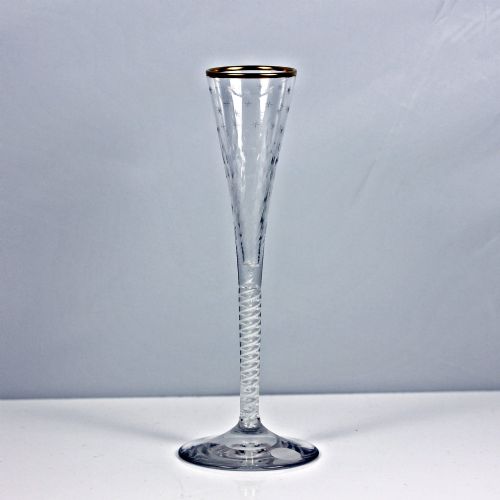
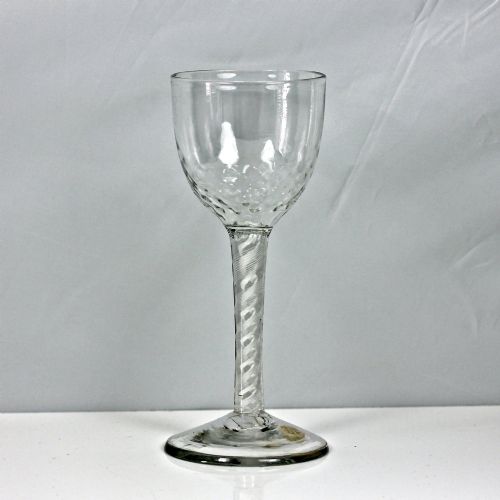
Listings feature multiple variations of 18th century lead glass stems, including air twists, opaque twists, faceted stems, and heavy baluster formations.
Factors of distinction
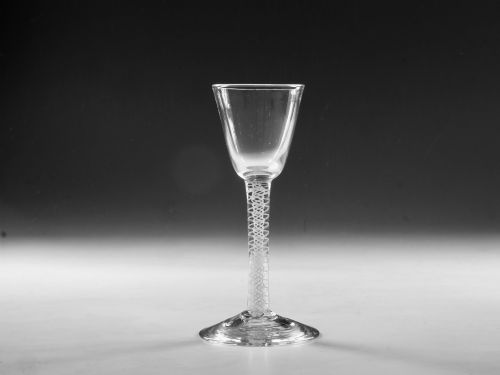
Quality rests upon the dexterity shown in forming the stem and bowl, whether executed as a precise multi-spiral air twist or a heavy baluster with knops. The crispness of wheel engraving and the symmetry of the vessel shape further elevate an object.
The inherent material purity and the presence of desirable manufacturing characteristics, such as an intact folded foot or internal air bubbles, distinguish standard utilitarian items from more ambitious parlour glass.
The 18th Century Lead Glass Glossary
- Air twist
- A stem formation containing elongated internal air spirals trapped within the glass during drawing and twisting. This technique produces delicate threads that catch the light.
- Opaque twist
- A stem containing white enamel glass rods twisted inside a clear exterior layer. These threads create solid white or coloured strands running through the centre.
- Baluster
- A heavy, thick stem style characterised by knops and swelling profiles reminiscent of architectural supports. They often date to the earlier part of the century.
- Folded foot
- A base edge folded underneath to create a thickened rim for added stability and strength. This feature guards against chipping on tavern and dining tables.
- Tazza
- A wide, shallow pedestal plate or footed dish used for serving sweets or fruit. They range in size from small sweetmeat vessels to large display pieces.
18th Century Lead Glass: Frequently Asked Questions
How do I identify a genuine piece?
Examine the material for the characteristic heft and refractive quality of lead glass rather than soda metal. Look at the pontil mark on the underside and check the construction methods appropriate to the Georgian period.
Inspect the wear patterns on the base, as genuine handling age shows as soft, directional scuffs rather than uniform modern machine smoothing. Subtle irregularities in the bowl symmetry and bubbles trapped in the metal confirm older hand-production techniques.
What is an opaque twist?
An opaque twist is a stem containing fine white or coloured enamel glass rods that have been manipulated into a spiral thread. This technique gained popularity in mid-century glassmaking.
The coloured or white enamel threads run internally through the clear metal of the stem, visible from all angles. Makers combined single and double series twists to create intricate internal patterns.
How were these glasses used originally?
These vessels served aristocratic and middle-class dining and tavern tables for wine, beer, cider, and spirits. Specific shapes corresponded to specific drinks, such as tall flutes for sparkling beverages or small glasses for drams.
Tableware items like jelly glasses and tazzas held sweetmeats and desserts during formal courses. Lighting pieces such as oil lamps provided illumination in domestic interiors before gas and electric lighting.
Can I use antique glass daily?
While these pieces are robust enough for occasional handling, their age and historical significance mean most collectors prefer careful use or display. Hand washing in tepid water without soaking is essential.
Avoid thermal shock from hot liquids or modern dishwashers, which can cloud the soft lead metal and damage historic surfaces. Storing them on stable shelves away from vibrations protects the fragile stems.