
18th Century Lady Artwork
These 18th century lady artwork selections bring historic portraiture into modern interiors through period paintings and prints.
18th Century Lady Artwork
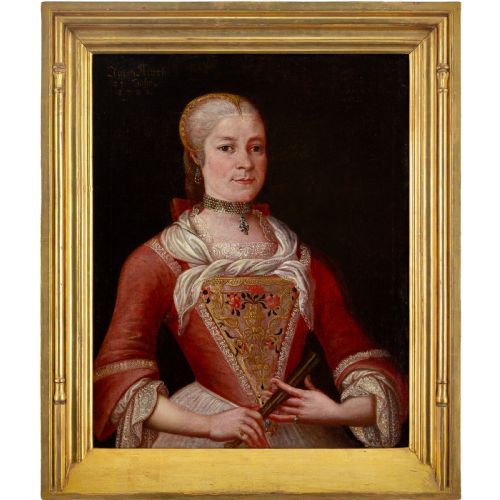
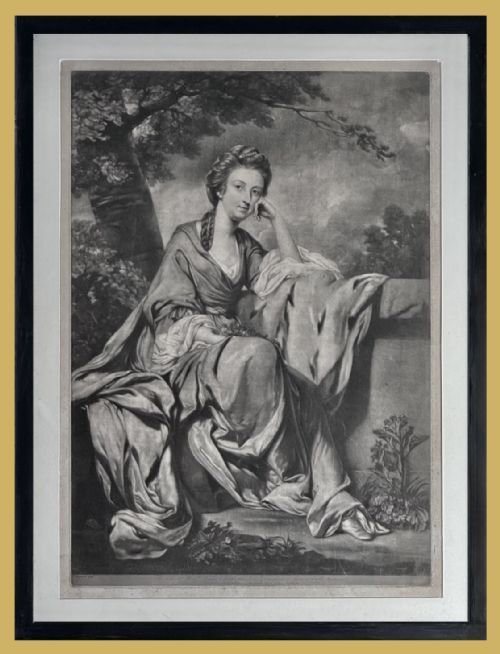
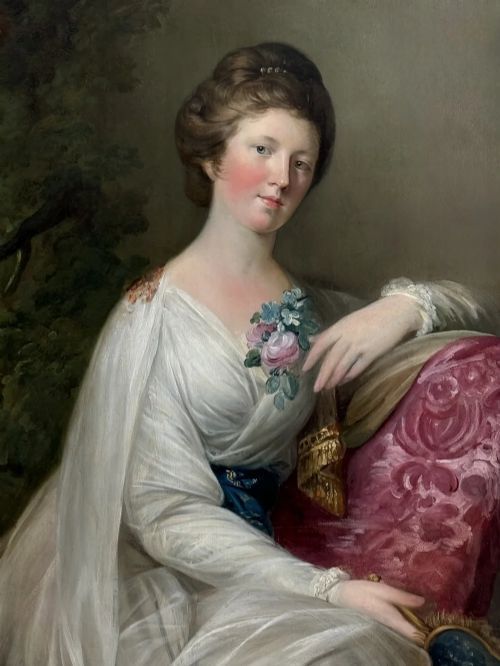
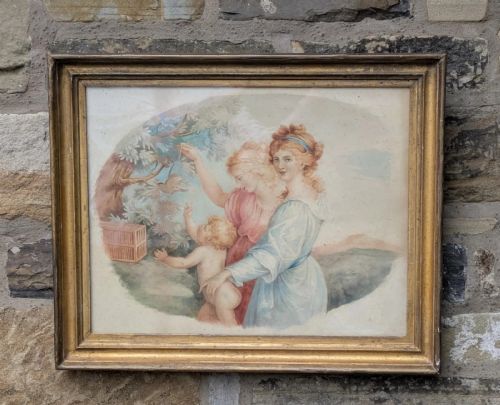
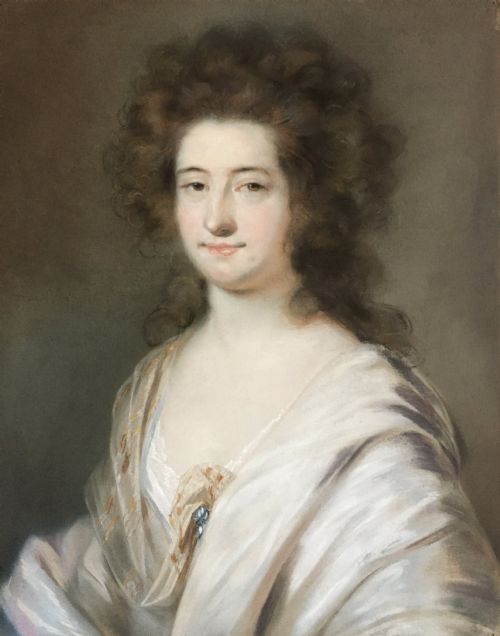
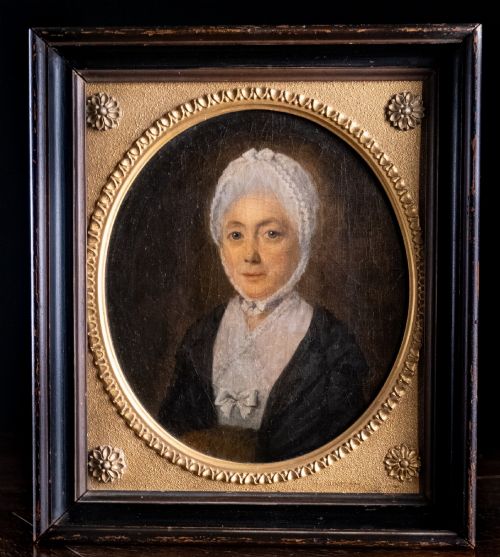
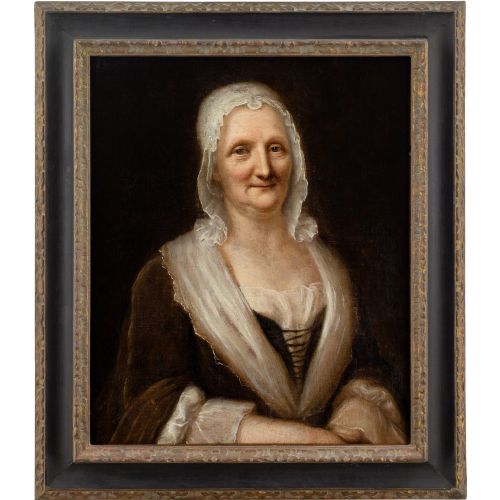
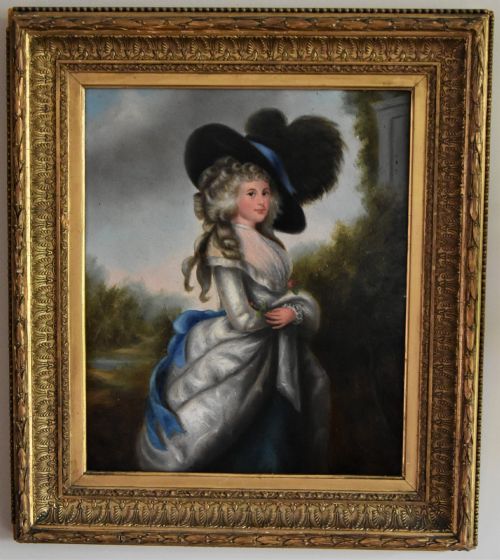
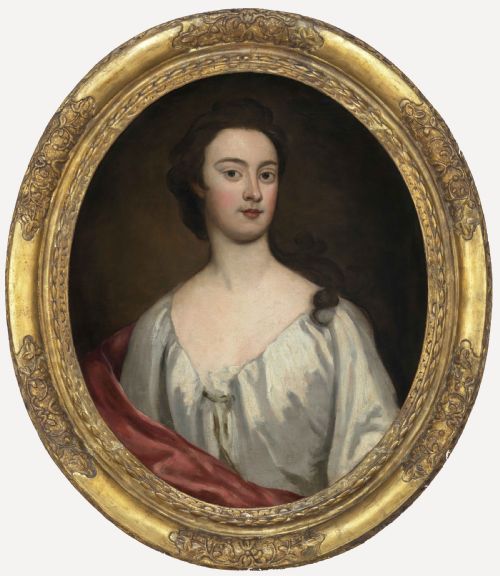
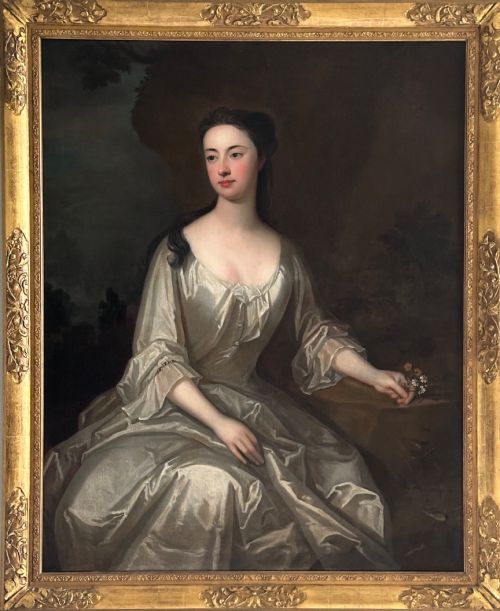
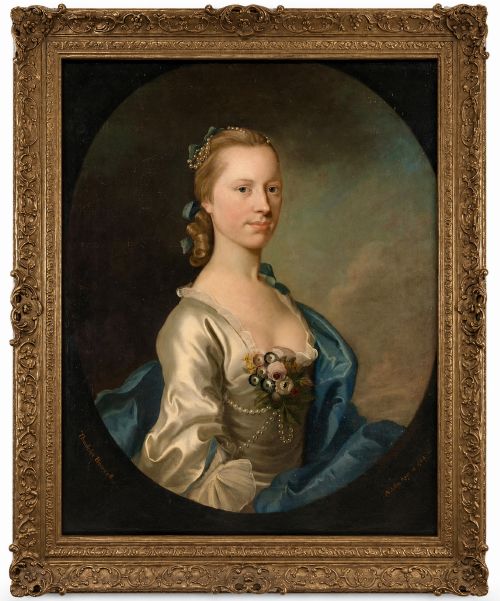
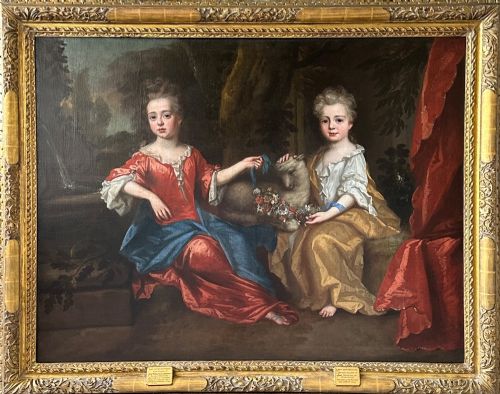
When you search for 18th century lady artwork, you encounter historical portraits capturing female subjects across the Georgian and early periods. The selection on this page relies heavily on oil paintings, pastel portraits and mezzotints depicting noblewomen, young ladies and children.
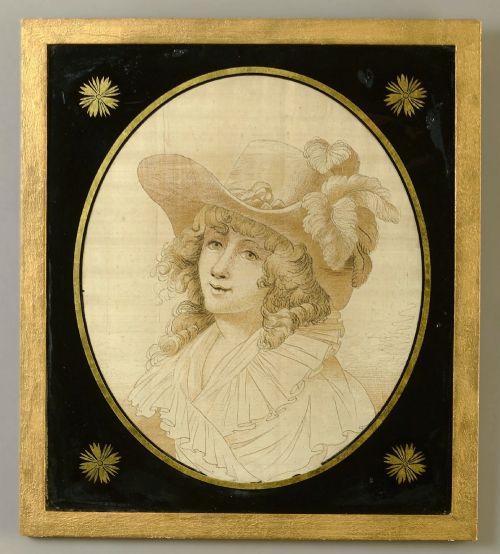
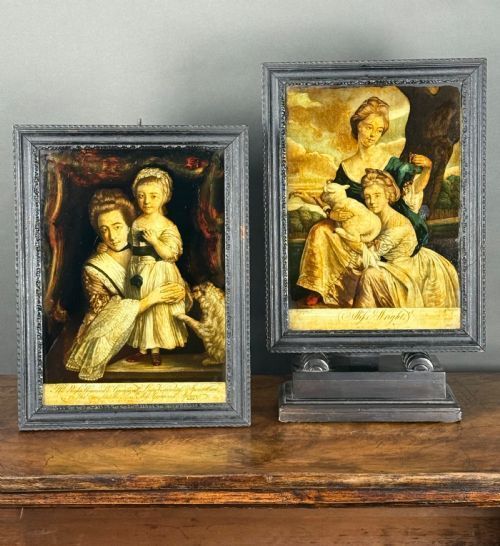
The predominant forms span oil on canvas, pastel on paper and reverse glass prints, often framed in period materials like giltwood or wood. Works range from attributed studio pieces to regional European and British school representations.
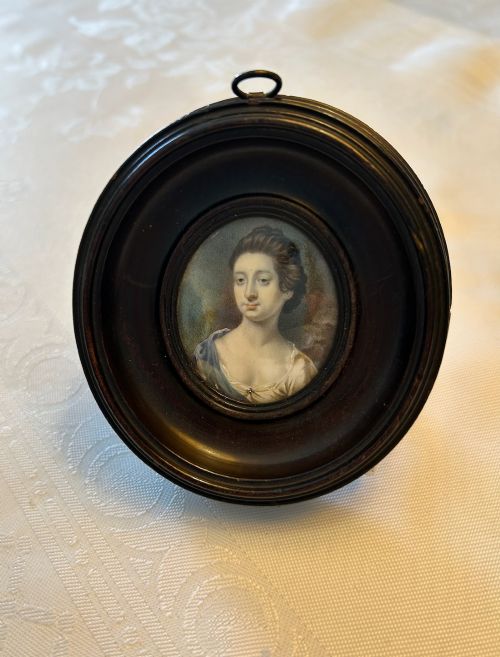
Buyers frequently find oval portrait miniatures and large canvas works alongside decorative prints executed in the Georgian taste. These items capture changing styles of dress, from silk gowns to riding habits.
How They Were Made
Artists of the period built oil paintings on woven canvas or wooden panels, applying ground layers before working up rich pigment details. Pastels required careful layering on paper surfaces to maintain soft facial tones and textures.
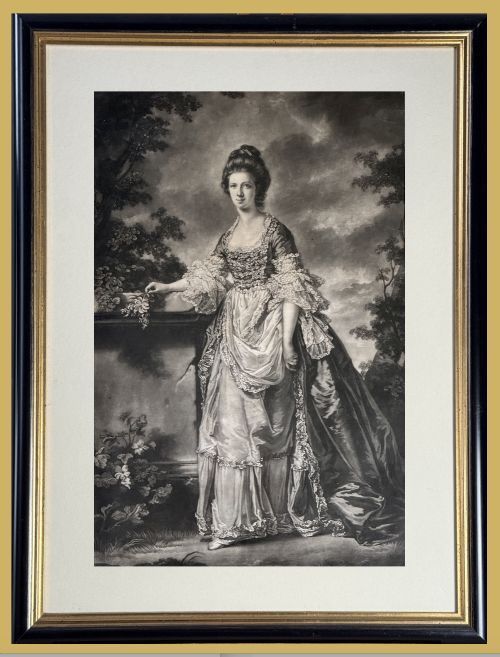
Printmakers utilised mezzotint techniques on copper plates, transferring tones from painted originals by artists like Sir Joshua Reynolds. Frames typically combined carved wood with gold leaf or ebonised finishes to house the artwork.
Several ladies appear clutching everything from riding habits to silk gowns, proving that Georgian fashion required serious commitment.
What Varies in Quality
The competence of the draughtsmanship separates routine studio output from master portraiture, particularly in the rendering of hands, fabrics and facial expressions. Superior handling of light and shadow gives depth to silk drapery and natural posture.
Materials also dictate the tier of a piece, with fine oil on canvas works commanding more attention than standard prints or later copies. The preservation of the original surface, unmarred by heavy overpainting, preserves the integrity of the work.
Edward Fisher·Sir Joshua Reynolds·George Willison·John Russell·James Watson·Francis Cotes·Jeremiah Davison·Adriana Verelst·Allan Ramsay·James Maubert·Joseph Highmore·Thomas Gainsborough·John Raphael Smith·Thomas Murray·Balthasar Denner·Nathaniel Hone·Arthur Pond
The 18th Century Lady Artwork Glossary
- Mezzotint
- A printmaking method where the copper plate is roughened to achieve rich dark tones and subtle tonal gradations. This technique allowed printmakers to reproduce painted portraits with photographic fidelity.
- Pastel
- A dry medium consisting of powdered pigment and a binder, used extensively for soft-focus portraits on paper. Artists fixed these delicate works beneath glass to protect the powdery surface.
- Giltwood
- Carved wood coated with a thin layer of gold leaf, popular for framing high-status artwork. It provides a luminous border that complements oil paintings.
- Portrait Miniature
- A small, intimate painting executed with fine detail on materials like vellum, copper or card. These portable likenesses were often housed in protective ebonised cases.
- Reverse Glass Print
- An image transferred or painted directly onto the underside of a glass sheet for display. This method yielded a glossy, preserved surface common in decorative prints.
18th Century Lady Artwork: Frequently Asked Questions
How should I hang an oil painting?
Position paintings away from direct sunlight and steady heat sources to protect the canvas and pigments. Secure them to wall studs using appropriate hardware rated for the weight of the frame.
Keep humidity levels stable in the room to prevent wood panels and canvas supports from expanding or contracting. Check fixings periodically to ensure the piece remains secure against the wall.
What is a mezzotint portrait?
A mezzotint is a print created by roughening a copper plate to hold ink, producing velvety dark areas and smooth gradations. These prints were popular for reproducing famous painted portraits of ladies.
Publishers issued them widely during the Georgian period as accessible art for collectors. They offer a tonal depth that standard line engravings cannot match.
How do I identify a Georgian frame?
Georgian frames typically feature hand-carved wooden mouldings finished with genuine gold leaf over a gesso base. Corner ornaments often display floral or scroll motifs characteristic of the period.
Look at the reverse of the frame to check for age indicators like hand-cut fixings and aged timber. Original frames add historical context to period artwork.
Why are some portraits attributed?
Attributions occur when surviving stylistic evidence points toward a specific artist or workshop without definitive documentation. Experts compare brushwork, composition and palette choices with known works.
Such designations reflect scholarly consensus rather than signed proof. They help place anonymous pieces within their historical art school context.