






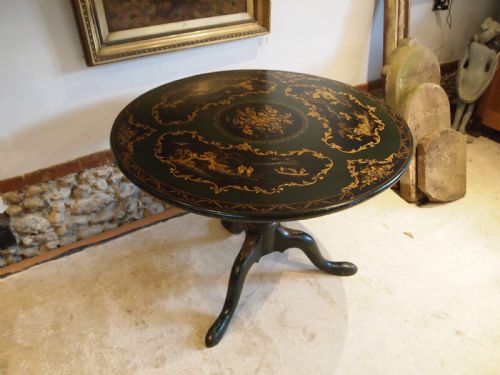
18th Century Japanned Furniture
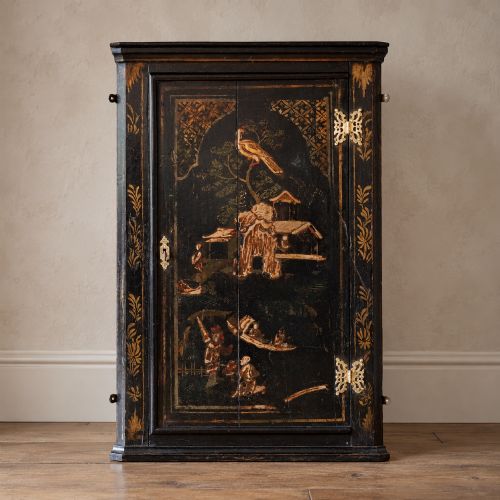
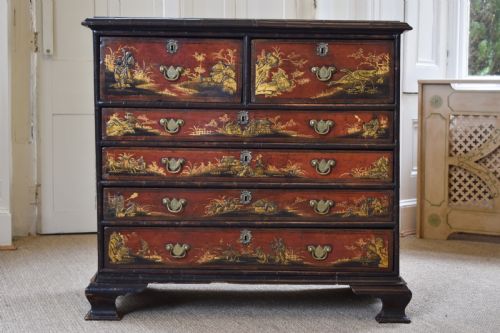
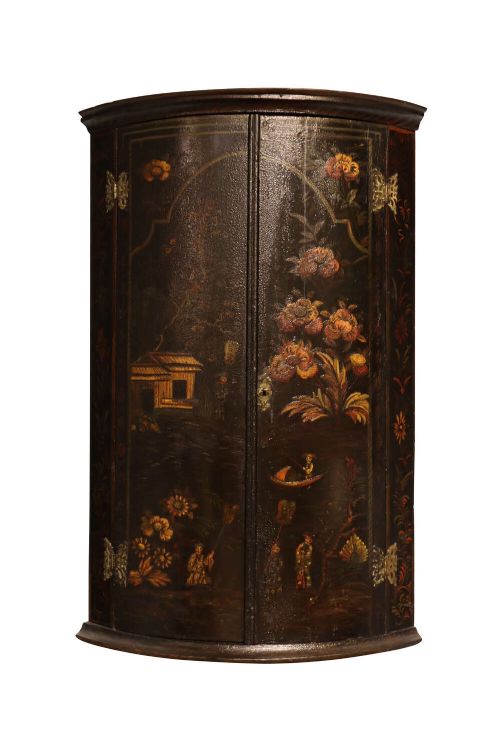
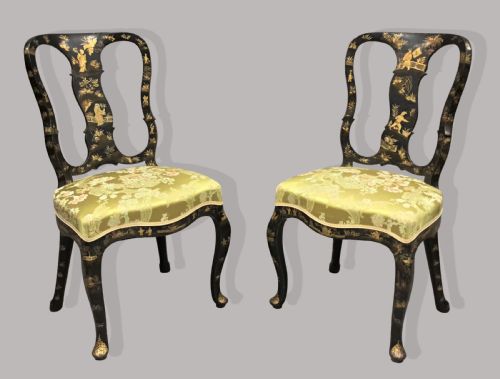
These 18th century japanned furniture pieces bring rich oriental lacquer and gilt decoration straight from the period into your home.
18th Century Japanned Furniture
Most examples hail from the 18th century and Georgian periods, showcasing distinct styles like Queen Anne, Chinoiserie, Venetian Rococo, and Dutch designs. These pieces range from compact dressing mirrors and occasional tables to larger bureaux and corner cupboards.
The aesthetic leans heavily on dark lacquered surfaces enriched with gold leaf and gilt decoration. Buyers find both British and continental interpretations of Chinese export styles within this category.
How they were made
The construction of these pieces relies primarily on wood and pine carcasses built to support layered lacquer finishes. Artisans applied successive coats of lacquer to create a deep, glossy ground suitable for detailed ornamentation.
Decoration typically involves intricate gilt and gold leaf applications depicting Chinoiserie motifs. Metal elements such as brass hardware complete the construction, securing doors, corners, and mirrors.
18th Century Japanned Furniture Retail Price Guide 2026
Typical asking prices for 18th century japanned furniture among the pieces listed under this phrase on Sellingantiques today, from the lower quarter to the upper quarter. They describe what is for sale here now, not the wider market.
Materials recorded across the selection include lacquer, lacquered wood, pine, brass, glass, gold leaf, and gilt decoration.
What varies in quality
The sophistication of the surface decoration largely determines the distinction between standard and superior examples. Fine pieces display meticulously rendered gilt figures and landscapes that retain their depth and metallic lustre across the lacquered wood.
The structural integrity of the timber base and the preservation of original brass fittings also dictate overall quality. Superior items maintain their historical decorative schemes without excessive overpainting or loss to the delicate gold leaf.
The 18th Century Japanned Furniture Glossary
- Japannan
- European imitation of Asian lacquerwork popular during the 17th and 18th centuries. It involves building up resin layers on a wooden substrate before applying gold and coloured decorations.
- Chinoiserie
- European artistic style reflecting Chinese motifs and cultural themes. Artisans interpreted Asian aesthetics through Western decorative conventions on furniture and porcelain.
- Lacquer
- Durable resin finish applied to wooden furniture to create a hard, glossy surface. It provides the foundational dark ground characteristic of japanned pieces.
- Gilt
- Application of gold leaf or powdered gold onto a surface for decorative effect. This technique highlights figures and borders against the dark lacquer.
- Bureau
- Writing desk featuring a sloping lid that opens to reveal interior compartments. They often sit upon dedicated stands or tables in 18th-century configurations.
18th Century Japanned Furniture: Frequently Asked Questions
What is japanned furniture?
Japanned furniture is European pieces decorated with European lacquer and gilt work designed to imitate East Asian lacquerware. These items became highly fashionable during the 18th century.
Craftsmen used layered finishes and gold leaf to create distinctive pictorial scenes featuring figures, pavilions, and landscapes.
How do I identify a Queen Anne japanned piece?
Queen Anne japanned pieces often feature characteristic cabriole legs and restrained proportions typical of the early 18th century. They frequently take the form of toilet mirrors, desks, or cabinets on stands.
The combination of black lacquer grounds and gold Chinoiserie decoration defines their visual style.
Where were these pieces made?
While designed to mimic Asian imports, these items were primarily produced in European workshops across Britain, Holland, and Venice. Local craftsmen adapted oriental designs to suit European domestic interiors.
Regional variations appear in the construction woods, such as pine, and the specific nuances of the gilt decoration.
How should I care for lacquered furniture?
Lacquered and japanned surfaces require gentle maintenance away from direct sunlight and sudden temperature fluctuations. Dusting with a soft, dry cloth protects the delicate gold leaf and varnish.
Harsh chemical cleaners must be avoided entirely to preserve the historic finish.