


18th Century Italian Portrait
An 18th century italian portrait captures the devout gravity and decorative richness of the period, offering buyers a window into historic European artistry.
18th Century Italian Portrait
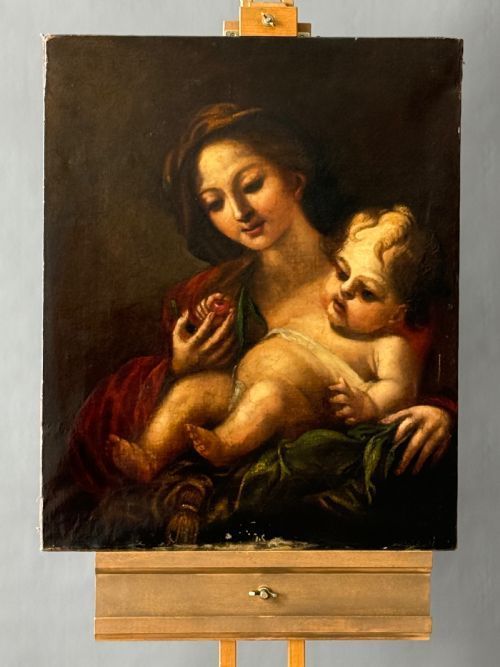
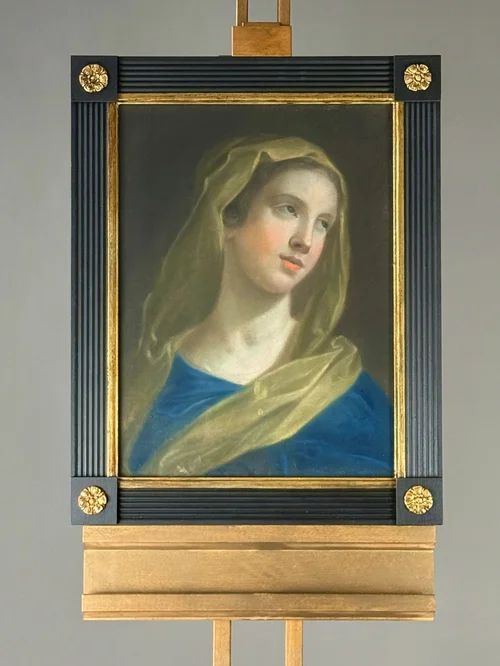
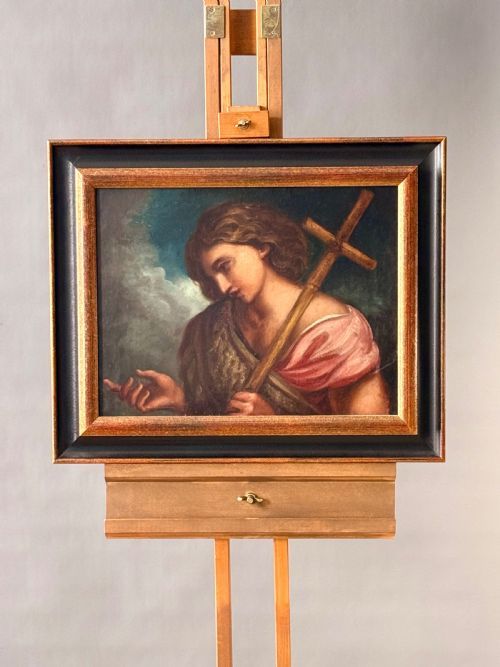
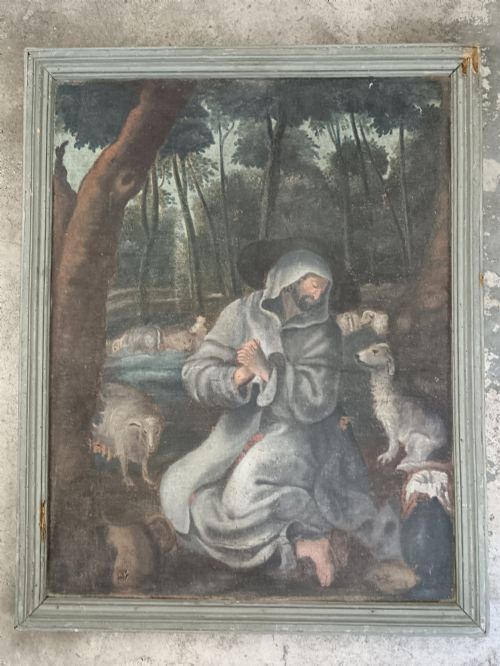
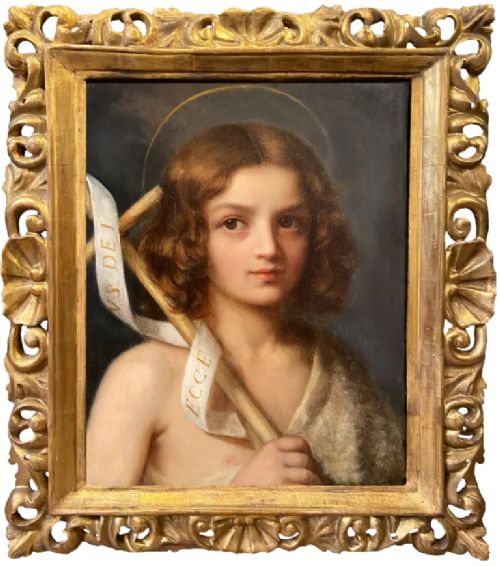
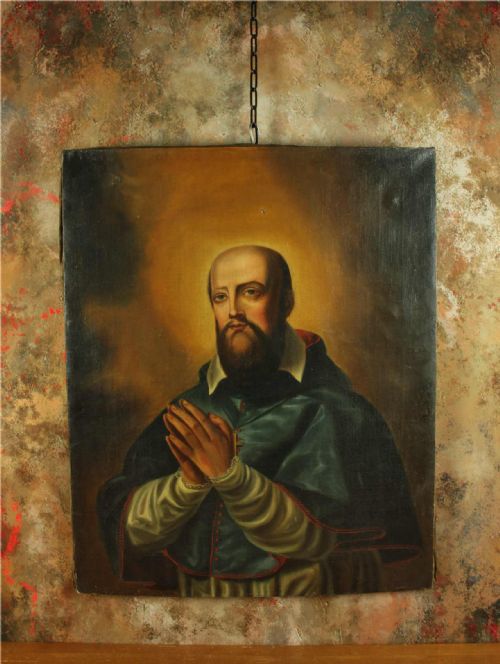
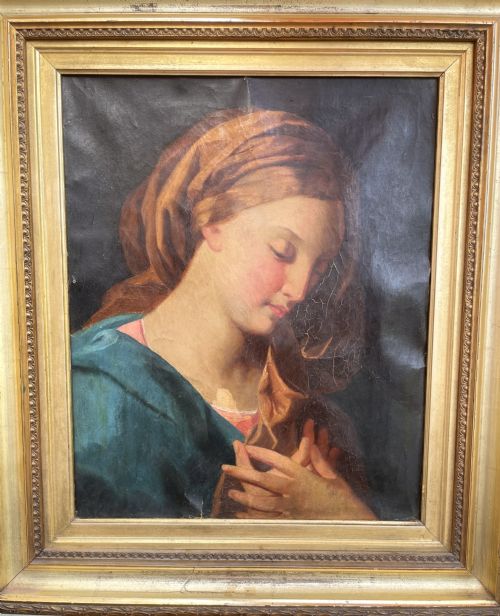
An 18th century italian portrait typically encompasses oil paintings on canvas depicting religious figures, saints, popes, and noble personages from regional schools such as the Venetian, Emilian, and Florentine traditions. Buyers searching for an 18th century italian portrait will frequently encounter devotional representations including the Madonna and Child, Saint Francis, and Saint John the Baptist.
The selection also includes works after Renaissance masters, miniatures, charcoal drawings, and carved marble cameo profiles associated with Grand Tour souvenirs. Regional expressions span from exuberant Baroque compositions to more restrained classical studies produced around seventeen hundred and the later decades of the century.
Framing plays a substantial role in these works, with several listings featuring period components such as giltwood, gilded wood, and carved Renaissance cassetta frames. Alongside flat canvases, buyers encounter sculptural interpretations including carved wood polychrome statues and terracotta or marble bas-reliefs.
How they were made
Sculptural portraits and frames were carved from wood and finished with polychrome paint or layers of gold leaf to create luminous, light-reflecting surfaces. Marble was carved into bas-relief profiles for miniature cameos, employing traditional chiselling techniques perfected in Italian workshops.
St Francis of Assisi appears alongside Roman emperors and popes, proving that saints and caesars share wall space remarkably well.
What varies in quality
The distinction between standard studio output and superior works lies in the fluency of the brushwork and the psychological depth of the sitter or subject. Masterful handling of light, shadow, and drapery distinguishes prime old master paintings from simpler decorative copies.
Preservation of the original surface and the integrity of the associated antique frame heavily influence the standing of a piece. Original giltwood frames with authentic gilding elevate the complete artwork considerably compared to later replacements.
Benedetto Luti·Francesco Solimena·Pompeo Batoni·Fra Galgario
The 18th Century Italian Portrait Glossary
- Old Master
- A European painter of skill working before about eighteen hundred. This designation covers trained professionals whose works form the backbone of historical fine art collections.
- Pentimento
- An alteration in a painting, evidenced by traces of previous work showing through. These visible changes reveal the artist altering the composition during the creative process.
- Grand Tour
- A traditional trip of Europe undertaken by upper-class European young men of means. Souvenirs from these journeys included carved marble cameo profiles and local artworks.
- Polychrome
- Decorated in a variety of colours. This term frequently describes carved wood statues and ceramics featuring multiple painted pigments.
18th Century Italian Portrait: Frequently Asked Questions
What subjects appear in these portraits?
Religious subjects dominate the selection, featuring saints, popes, and devotional depictions of the Madonna and Child. Secular portraits of gentlemen and noble ladies also occur.
Many works originate from regional Italian schools, including Venetian and Emilian workshops, reflecting deep spiritual and cultural traditions of the period.
How do I identify a period frame?
Period frames often display traditional construction methods, hand-carved wooden details, and genuine gold leaf or giltwood finishes. Cassetta frames are common examples from this era.
Matching frames enhance the historical context of the canvas, though many pieces have been reframed over the centuries of their existence.
Are these works original or copies?
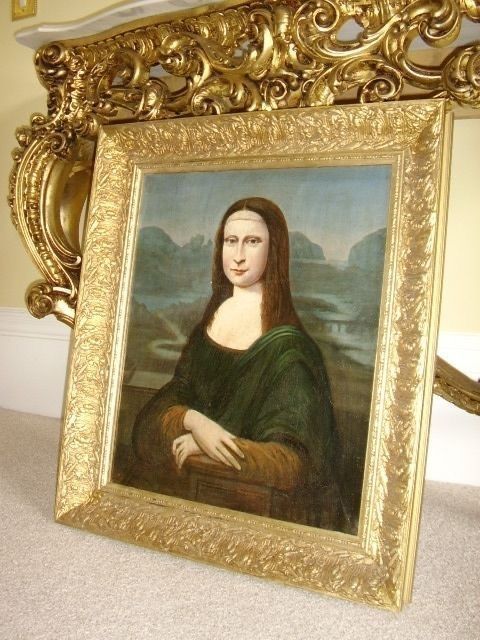
The inventory contains both original old master compositions and skilled later depictions after famous Renaissance masters like Raphael and Leonardo da Vinci. Studio pieces and works from the circle of specific artists also feature.
Each category represents distinct historical value and artistic skill typical of eighteenth-century European studio practice.
How should I care for an old oil painting?
Keep paintings away from direct sunlight, excessive moisture, and rapid temperature fluctuations to protect the canvas and underlying wood stretcher. Stable indoor environments prevent paint cracking.
Dust gently with a soft, dry brush and consult a professional conservator for cleaning or structural repairs rather than attempting home restoration.