



18th Century Italian Mirror
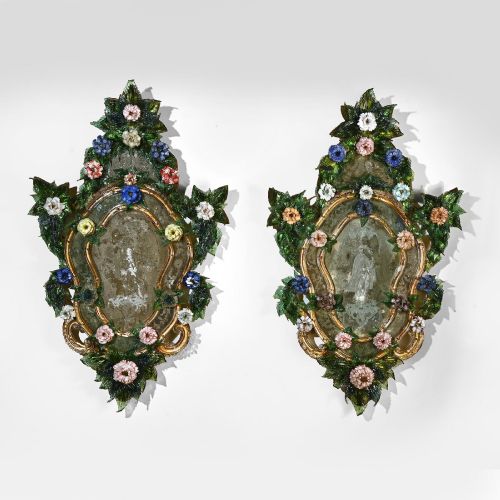
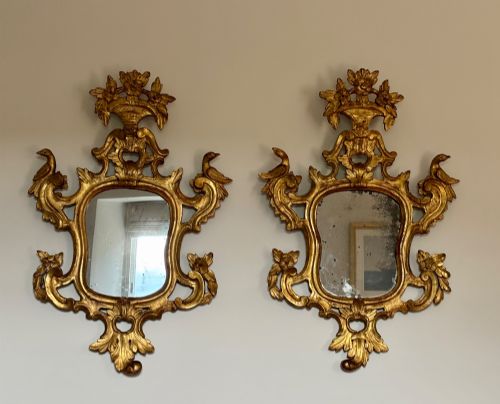
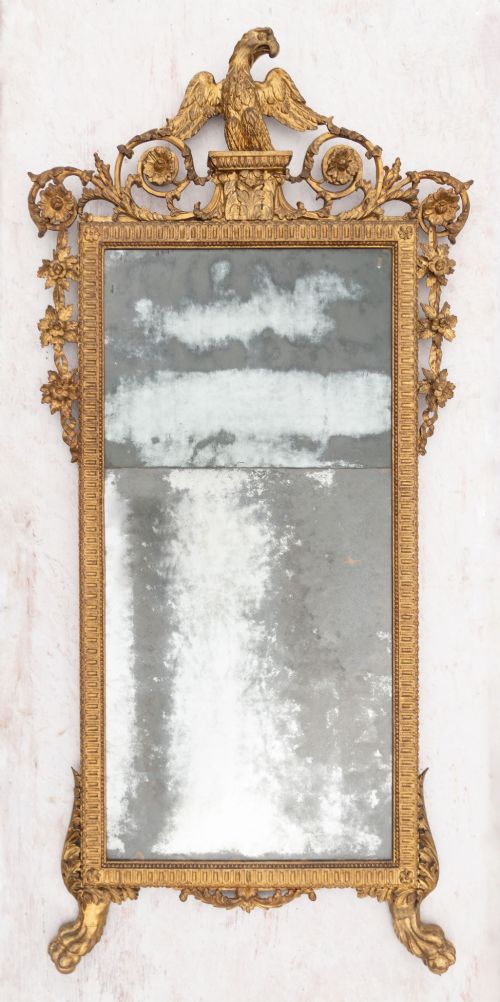
These 18th century Italian mirror pieces bring dramatic regional flair and period craftsmanship into a room.
Defining the 18th Century Italian Mirror
An 18th century Italian mirror brings historic regional character to a wall, taking forms such as wall mirrors, pier mirrors, and overmantel mirrors. Buyers searching this phrase look for authentic historic ornamentation to anchor a room.
The pieces most often met on this page date from the eighteenth century, encompassing styles from the Baroque and Rococo periods through to Neoclassical designs. They frequently appear as pairs or individual statement pieces.
Originating from workshops across Italy, including Venetian centres and Northern regions, these objects combine traditional joinery with sculptural carved frames. They serve both functional reflection and grand decorative display.
Evaluating Quality and Execution
The depth and crispness of the wood carving separate standard framing from exceptional sculptural work, particularly in Baroque and Rococo examples where asymmetry and foliage demand high skill. Relief details remain sharp and well-defined on superior pieces.
The preservation of original surface finishes, whether original paint, water gilding, or silver-leaf, dictates the integrity of the object. Surfaces retaining their authentic historic patination hold greater visual depth than later interventions.
Retail Price Guide 2026
Typical UK retail prices for 18th century italian mirror, calculated from the Sellingantiques database of over a million retail prices indexed since 2003. This retail price guide relies exclusively on Sellingantiques data; no external sources or auction records are used, so the figures do not describe the wider market.
Listings feature eighteenth-century pieces utilising carved wood, gesso, and mirror glass finished in gilt leaf, silver leaf, and original paint.
Theodoro Montarsolo
The 18th Century Italian Mirror Glossary
- Giltwood
- Wood carved and coated with gold leaf or metal leaf. This finish gives the frame its characteristic metallic brilliance.
- Gesso
- A plaster mix applied to carved wood to create a smooth base. It receives the gold or silver leaf in traditional water gilding.
- Pier mirror
- A tall mirror designed to hang on the wall between windows. These pieces often reflect light into darker corners of a room.
- Overmantel mirror
- A wide mirror made to sit above a fireplace mantel. They provide a horizontal focal point within interior schemes.
- Baroque
- An ornate design style favouring drama and heavy scrollwork. This period precedes the lighter, more playful Rococo style.
Frequently Asked Questions
How do I style an 18th century Italian mirror?
Hang the mirror as a focal point above a mantelpiece or console table to draw the eye upward. Its historic frame works best against simple wall colours that let the carving stand out.
Allow sufficient clearance around the frame so the piece can breathe within the room. Pairing them symmetrically on opposite walls creates a formal balance.
What styles are common in these mirrors?
Baroque, Rococo, and Neoclassical styles dominate this category, each reflecting the shifting tastes of eighteenth-century Italy. Baroque examples show heavy, dramatic carving, while Rococo pieces favour asymmetry and curves.
Neoclassical designs introduce cleaner lines and classical motifs. Venetian variants often incorporate intricate glasswork and silver leaf.
Are these mirrors usually found in pairs?
Matched pairs appear frequently alongside single wall mirrors, having originally been commissioned for grand symmetric interior schemes. These pairs are prized for balancing wall spaces.
Single pier mirrors and overmantel pieces were typically created as standalone fixtures. Both single items and pairs carry distinct historical context.
How do I tell original gilding from later work?
Original water gilding over gesso shows subtle wear and a fine craquelure that develops naturally over centuries. The gold or silver leaf thinned naturally across high points of the carving.
Later restorations often appear unnaturally uniform or bright across the entire frame. Close inspection under natural light reveals the layered depth of historic surfaces.