


18th Century Gravy Boat
An 18th century gravy boat is a table vessel for serving sauces, bringing period porcelain and silver craftsmanship straight to the dining table.
18th Century Gravy Boat
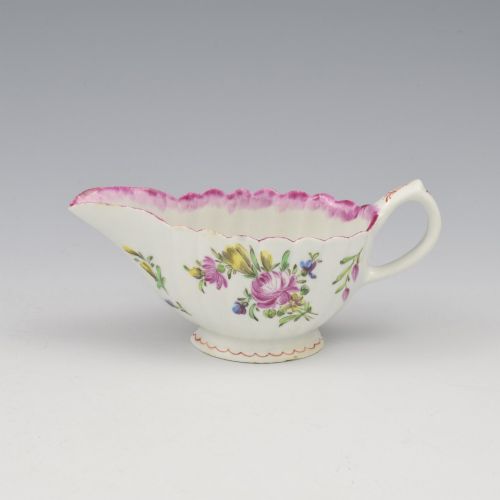
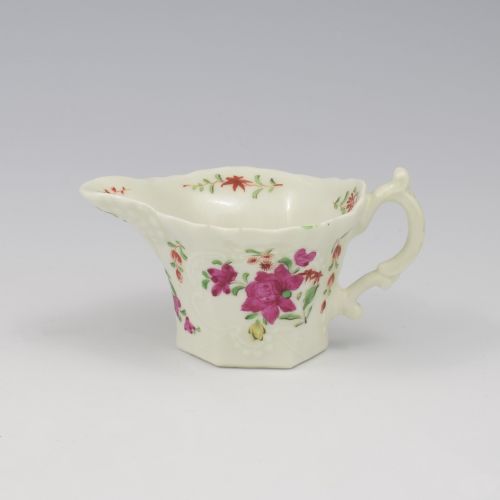
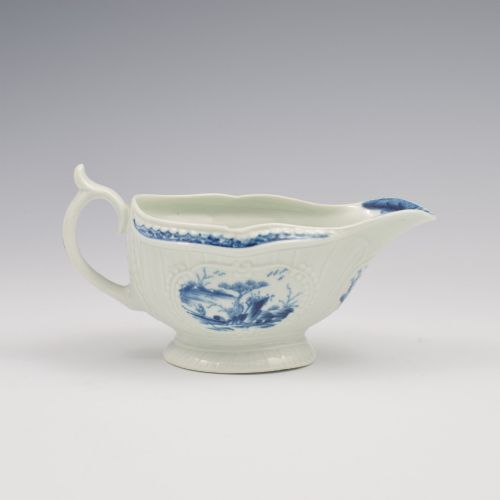
An 18th century gravy boat is a practical dining vessel designed for pouring sauces and gravies during formal meals. The examples found here encompass both soft-paste porcelain and sterling silver forms from the Georgian era.
Buyers will most frequently encounter porcelain sauce boats decorated in blue and white or polychrome patterns, alongside silver pedestal examples and plated warmers. These pieces reflect the dining fashions of the Georgian period.
The objects take various shapes, including fluted bodies, lettuce forms, and triangular platforms resting on dedicated stands. Such forms demonstrate the versatility of ceramic and metal workshops of the eighteenth century.
How they were made
Soft-paste porcelain sauce boats are shaped from ceramic mixtures and fired in kilns, often receiving cobalt blue glaze decoration or hand-painted enamel designs before a final glaze firing. Silver versions are hammered from sterling sheet metal or cast in sections and soldered together.
Makers utilised cobalt glaze for underglaze blue painting, while other pieces feature hand-applied gold leaf or intricate Chinese export patterns. Silver items incorporate chased or embossed details typical of Georgian silversmithing.
Some saucy vessels take the shape of lettuce leaves, proving that Georgian dining had a delightfully leafy sense of humour.
What varies in quality
Quality in these vessels rests on the crispness of the moulded form and the precision of the hand-painted decoration or silversmith work. Finer porcelain pieces display clean cobalt painting and well-defined fluting or relief modelling.
The weight and balance of the handle and spout dictate the practicality and craftsmanship of the piece. Superior silver items show careful proportions in their pedestal feet and crisp detailing in their chased borders.
The 18th Century Gravy Boat Glossary
- Soft-paste porcelain
- A ceramic material composed of clay, glass frit, and other ingredients, fired at lower temperatures than hard-paste porcelain. This body type was widely used by English factories in the eighteenth century.
- Cobalt glaze
- A blue colouring oxide applied beneath the glaze to create deep blue designs on ceramics. It reacts strongly to kiln heat to produce distinct shades.
- Sterling silver
- A silver alloy containing a high purity of pure silver alongside other metals for durability. It forms the standard material for Georgian silver sauce boats.
- Old Sheffield plate
- A composite material made by fusing a thin sheet of silver to a thicker copper base. This technique preceded modern electroplating.
- Chinoiserie
- A decorative style reflecting European interpretations of Chinese artistic traditions. It appears frequently on porcelain sauce boats of this era.
18th Century Gravy Boat: Frequently Asked Questions
What is an 18th century gravy boat used for?
These vessels were designed to hold and pour gravies, sauces, or melted butter at the dining table during formal meals. They provided a convenient way to serve liquid accompaniments to roasted meats.
Today, collectors use them both as decorative display items and as functional tableware for special dinners. Their historical forms make them a striking centrepiece on a dining table.
How do I identify a First Period Worcester sauce boat?
First Period Worcester pieces often feature characteristic soft-paste porcelain bodies with underglaze blue painting or polychrome enamels. Look for patterns such as the Fisherman and Billboard Island or distinctive moulded shapes.
Many of these porcelain items exhibit specific foot rim characteristics and early blue crescent or workman marks underneath. Comparing the paste and glaze sheen helps confirm the period.
What is the difference between porcelain and silver sauce boats?
Porcelain sauce boats are ceramic vessels fired in kilns, often featuring hand-painted botanical or Chinese export motifs. Silver sauce boats are metal objects fashioned by silversmiths, sometimes featuring pedestal bases or chased decoration.
While porcelain offers intricate blue and white or enamelled artwork, silver provides a durable, reflective metal surface. Both materials represent the height of Georgian dining luxury.
How do I care for an 18th century gravy boat?
Careful handling is essential due to the fragile nature of soft-paste porcelain and the patina on antique silver. Hand washing in warm water with mild soap is recommended, avoiding abrasive sponges or modern dishwashers.
Silver items benefit from occasional gentle polishing to maintain their finish without removing historical hallmarks. Porcelain should be stored securely away from edge hazards on display shelves.
What is an Argyll gravy warmer?
An Argyll is a specialised metal container featuring an internal compartment designed to hold hot water. This kept gravy warm throughout the duration of a long Georgian meal.
These pieces typically utilise Old Sheffield plate or sterling silver construction with a small spout and handle. They represent a clever engineering solution to dining practicalities of the eighteenth century.