
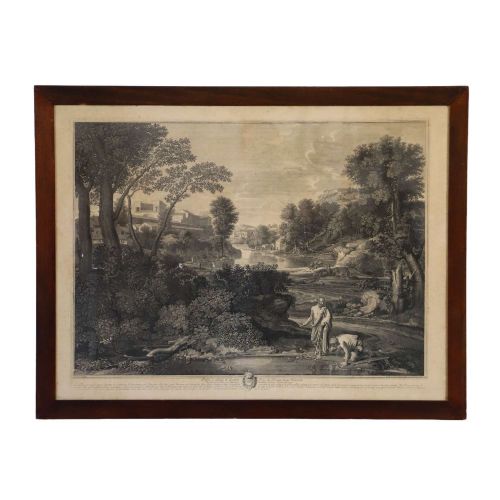
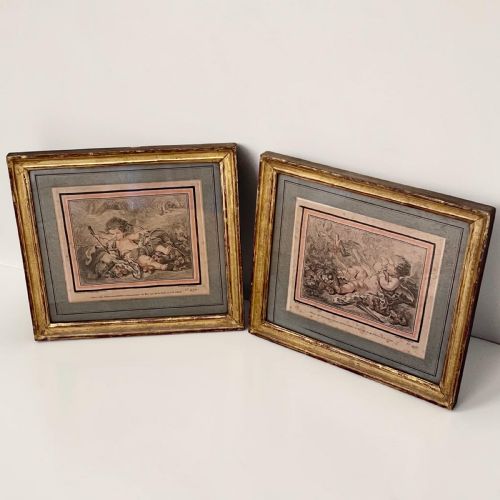


18th Century French Engraving
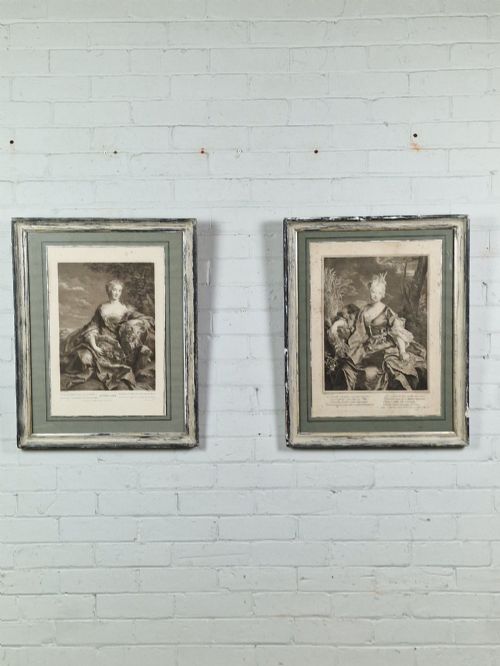
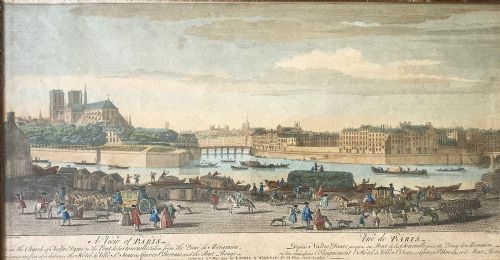
An 18th century french engraving brings classical mythology, Parisian views and natural history into a room through ink on paper held in period frames.
18th Century French Engraving
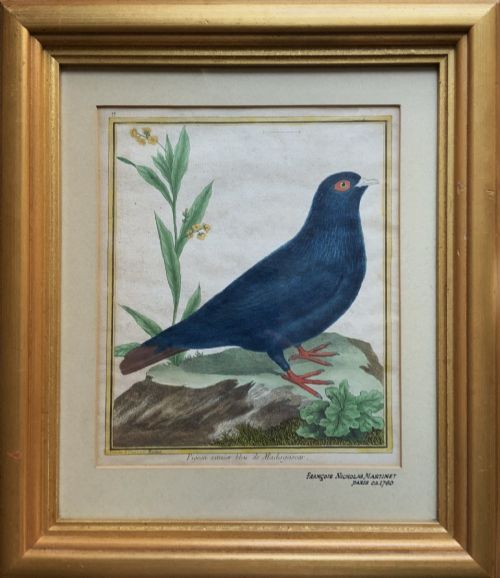
An 18th century french engraving is a work on paper spanning subjects from classical mythology and architectural studies to detailed natural history plates of birds, monkeys and quadrupeds. The listings here present these prints most commonly mounted as framed wall art behind glass, often retaining their original wooden or giltwood frames.
Beyond purely decorative works, the selection encompasses cartography including French maps of England, Wales, Ireland, Scotland and universal world plans. Buyers also encounter specialised illustrative plates, such as anatomical figures and calligraphy samples.
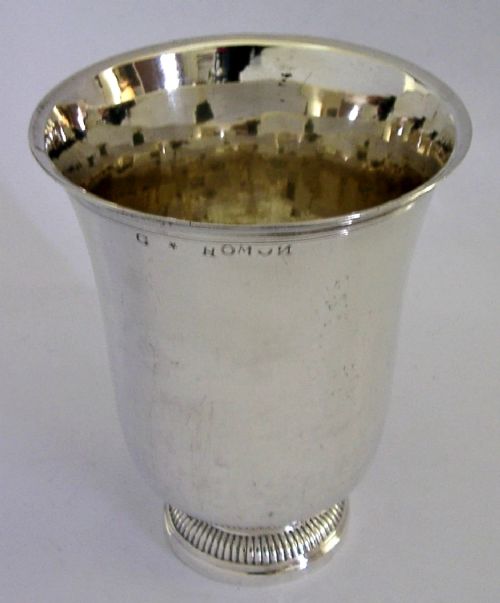
The objects stem predominantly from the 18th century, with Georgian influences and occasional later revivals represented. Alongside paper prints, the material record for this phrase stretches to encompass related silver items, flintlock pistols, and gilt frames.
How they were made
These pieces rely fundamentally on ink applied to paper through printed impressions, frequently enhanced by original hand colouring to bring vibrancy to subjects like bird studies and landscape scenes. The physical presentation relies on wood and glass, with many pieces housed in frames finished with gold leaf or giltwood.
The broader material context of the era links these paper works to craftsmanship in silver and walnut, alongside the metalwork and silver wire inlay found on contemporaneous objects from the same French workshops.
The selection links flat graphic art on paper with three-dimensional items like silver fish slices and flintlock pistols.
What varies in quality
The distinction between tiers of these works rests on the identity of the engraver and the artist whose composition is reproduced, alongside the clarity of the inked impression on the paper. Evidence of original hand colouring and the survival of the original frame add significant substance to a piece.
Condition of the paper, preservation of the pigment, and the integrity of the surrounding gilt wood or glass protection further separate standard decorative prints from works carrying documented historical and artistic attribution.
François-Nicolas Martinet·Étienne Baudet·Demarteau·Buffon·C de Falens·Charles Paillasson·F. Petitjean·Nicolas Dorigny·Jacques de Seve·Charles Le Brun
The 18th Century French Engraving Glossary
- Engraving
- A printmaking technique where an artist carves an image into a metal plate, usually copper, to hold ink for transfer onto paper under pressure. This method allows for fine, sharp lines crucial for detailed architectural and illustrative works.
- Giltwood
- Wood that has been coated with a thin layer of gold leaf or gilt powder. It is frequently seen on the frames enclosing these 18th century prints.
- Hand colouring
- The application of watercolour or pigment by hand onto a printed monochrome engraving. This technique was often employed to enhance natural history subjects and maps.
- Mezzotint
- A printmaking process of the tonal method, allowing smooth gradations of light and shade rather than relying purely on lines. It appears in coloured engraving sets from the period.
- Cartography
- The study and practice of making maps. The evidence includes antique French maps of British regions and universal histories.
18th Century French Engraving: Frequently Asked Questions
How do I hang these prints?
These framed paper works suit display on walls away from direct sunlight to protect the ink and any hand colouring from fading.
Ensure secure fixings matched to the weight of the wood and glass frames.
Were these always framed?
Many examples retain original wooden or giltwood frames from the period, though prints were frequently issued unbound for collection in portfolios.
Framing often occurred later to preserve the paper for wall display.
What subjects are most common?
The selection covers natural history illustrations, classical mythological scenes, landscapes, and period cartography.
Architectural plates and anatomical figures also appear among the graphic works.
How do I identify the period?
Dating relies on stylistic clues, paper characteristics, and documented engravers or artists active during the eighteenth century.
Original frames and contemporary inscriptions provide further verification of age.