


Cream Paper Natural Print
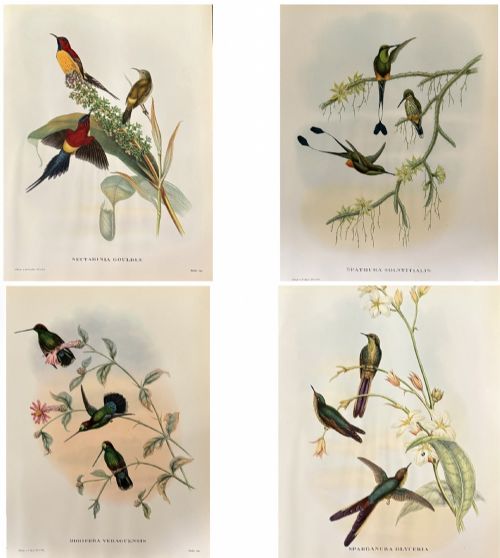
Cream paper natural print pieces bring botanical and ornithological illustration into rooms through historical prints and watercolours.
Cream Paper Natural Print
When you search for cream paper natural print, you encounter historical illustrations of flora and fauna rendered on aged or toned grounds. The pieces on this page span the eighteenth, nineteenth and twentieth centuries, originating from periods such as the Georgian, Victorian and mid-twentieth eras.
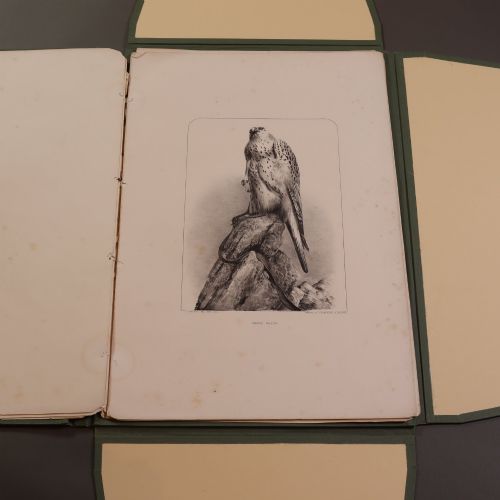
The objects take the form of framed artwork, individual prints and multi-plate sets. Subjects range from tropical birds and botanical specimens to insects and ornithological studies.
Makers and artists represented include John Hancock, John Curtis, Paul-Louis Barruel, Jean-Baptiste Audebert and George Dionysius Ehret. Media include engraving, watercolour, lithograph and dried flora set within wood and glass frames.
Materials and construction
Works are executed on paper, board and cloth using ink, watercolour and hand colouring techniques. The physical support consists of cream or toned paper and card stock, which provides a warm ground for detailed pigment application.
Framing materials incorporate wood and glass to protect the delicate paper surfaces and dried flora specimens. Engravings utilise ink impressions that are frequently enhanced by hand applied washes of colour.
Evaluating quality and execution
Quality rests upon the precision of the draughtsmanship and the clarity of the printing or brushwork. Hand coloured engravings by established natural history illustrators display superior anatomical accuracy and delicate colour blending.
The condition of the paper ground and the integrity of the original framing contribute significantly to the standing of a piece. Intact sets maintain greater coherence than dispersed individual sheets.
John Hancock·John Curtis·Paul-Louis Barruel·George Dionysius Ehret
The Cream Paper Natural Print Glossary
- Engraving
- A printmaking technique where an image is incised into a metal plate, holding ink to transfer fine lines onto paper. This method allowed natural history illustrators to reproduce intricate botanical and avian details.
- Hand coloured
- A print that has received pigment by brush after the initial ink impression was pulled. This technique brought lifelike hues to botanical specimens and bird studies.
- Taxidermy
- The art of preserving and mounting animal skins for display. In this context, it includes framed specimens like the Victorian Fasciculus.
- Lithograph
- A planographic printing method based on the repulsion of oil and water. It became widely used for art prints and natural history illustration during the nineteenth century.
Cream Paper Natural Print: Frequently Asked Questions
What periods do these natural history prints come from?
The listings span from the eighteenth century through the nineteenth century into the mid-twentieth century.
Individual pieces reflect the aesthetic and scientific illustration standards of their respective eras, including the Georgian and Victorian periods.
How should I hang framed botanical prints?
Framed artwork and prints on paper require placement away from direct sunlight to prevent fading of the cream grounds and watercolours.
Grouping sets together in matching wood frames maintains visual balance on a wall.
What is the difference between an engraving and a watercolour?
An engraving is a printed impression taken from an incised plate, whereas a watercolour is a unique painted artwork executed directly on paper.
Many period engravings also feature hand applied watercolour washes over the ink lines.
Are these pieces sold as individual items or sets?
The selection includes both single framed studies and multi-piece sets such as sets of bird prints or botanical engravings.
Sets are often kept together in their original groupings to preserve their historical context.