
18th Century Export Ceramics
These 18th century export ceramics bring together East Asian porcelain and European patronage, offering tangible links to global trade routes through durable household forms.

18th Century Export Ceramics
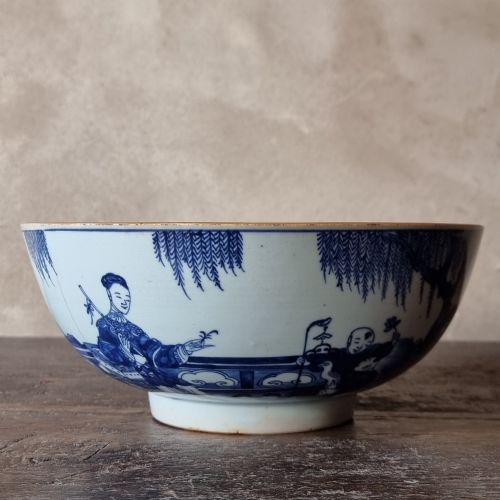
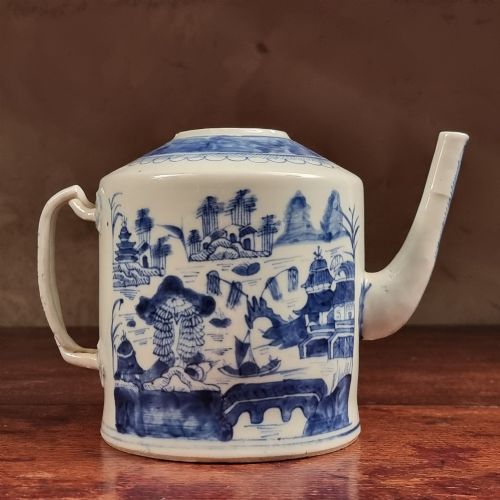
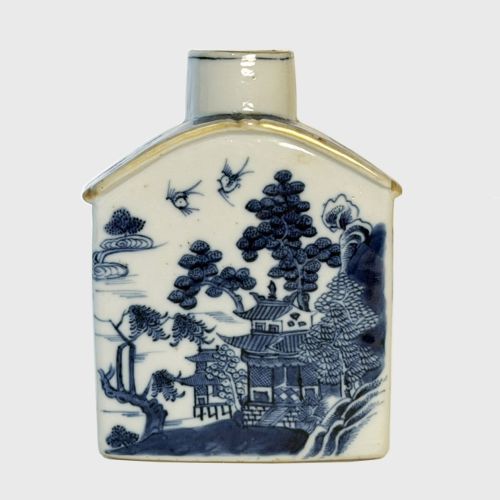
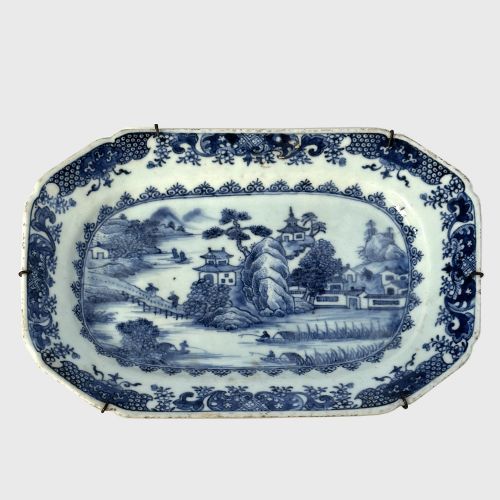
Collectors seeking 18th century export ceramics examine items manufactured in East Asia specifically for foreign markets, predominantly originating from Chinese kilns during the Qing Dynasty and Japanese kilns during the Edo Period. The forms available range from practical tea caddies, teapots, mugs, and tureens to large serving platters, punch bowls, and decorative plates.
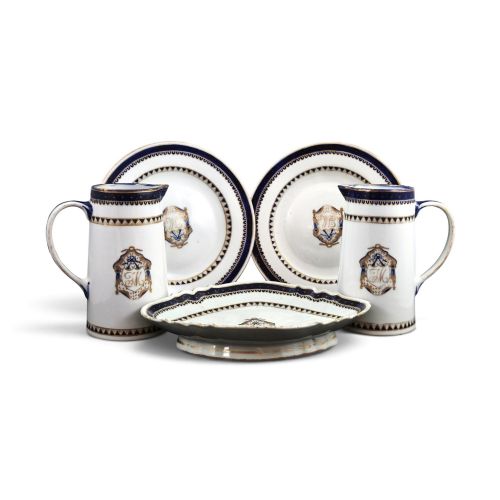
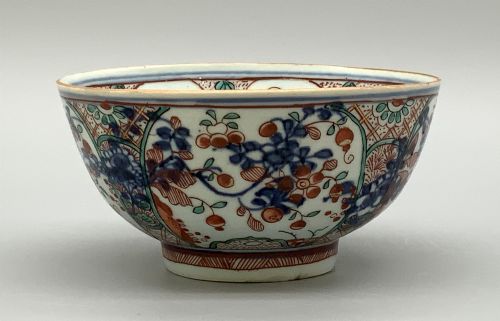
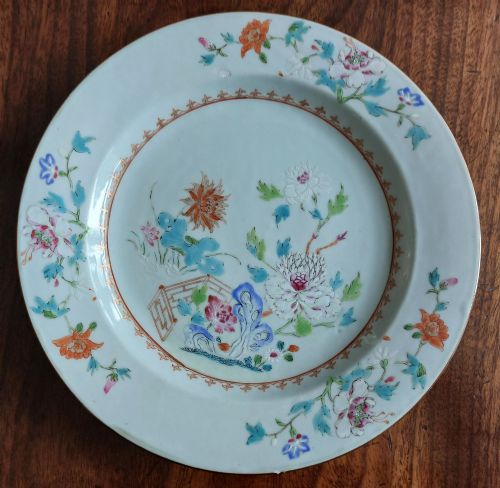
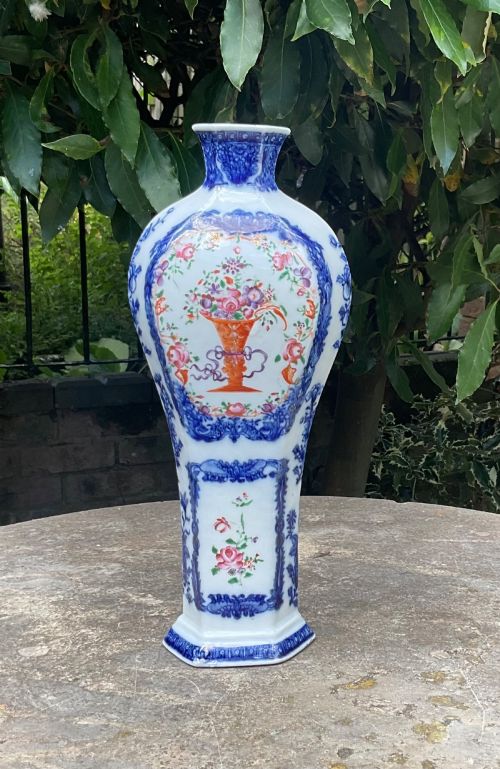
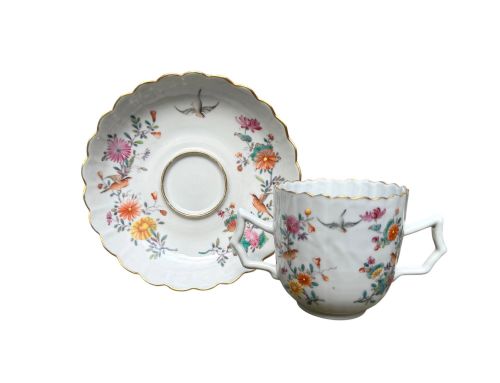
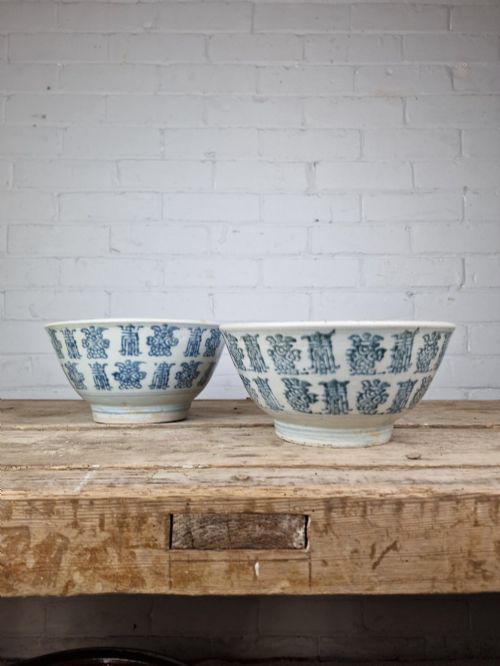
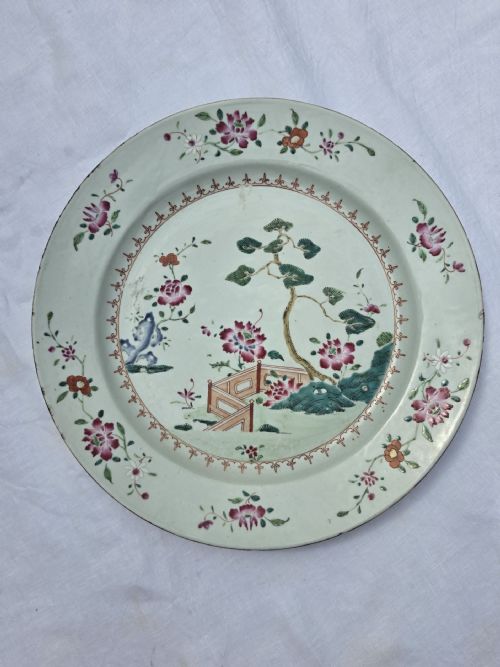
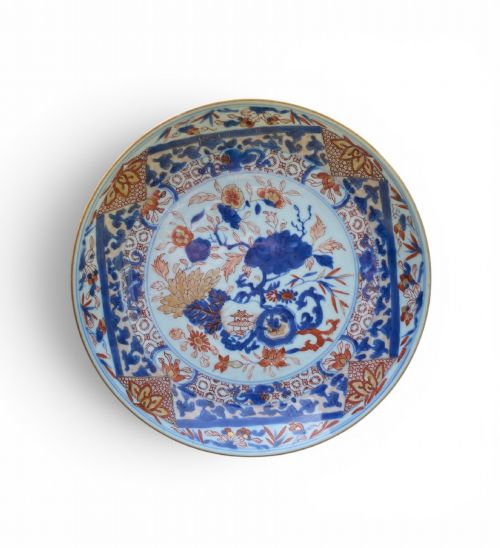
The objects most frequently encountered on this page belong to the Qianlong period and feature familiar decorative vocabularies such as Famille Rose, Imari palettes, and Nanking blue and white. Many pieces display armorial crests or monograms commissioned by European families, alongside traditional landscapes, floral scenes, and figural designs.
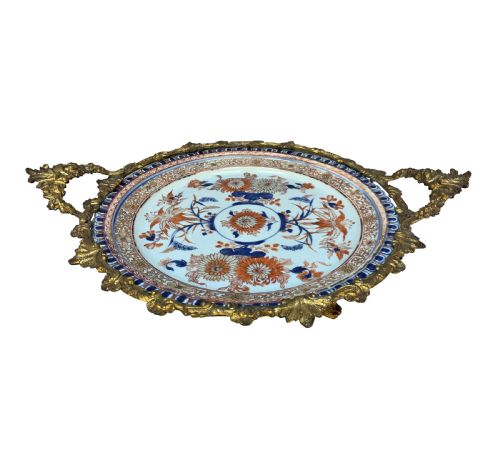
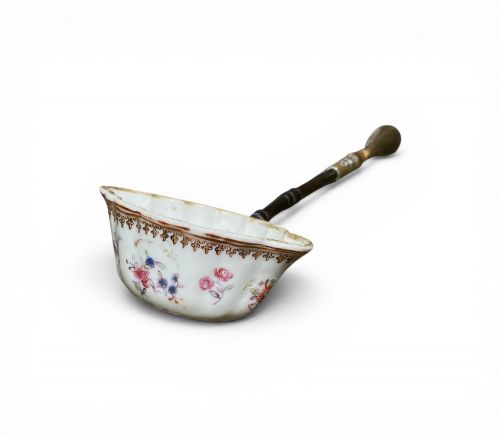
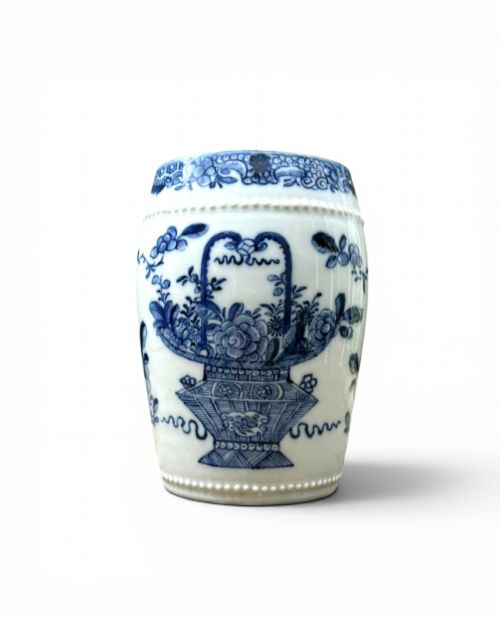
Beyond standard tableware, the selection includes specialised items such as sauce boats, barrel-shaped mugs, ginger jars, and ormolu-mounted decorative plates. These pieces illustrate the blending of Eastern potting techniques with Western functional requirements, reflecting a significant period of commercial exchange.
Materials and Techniques
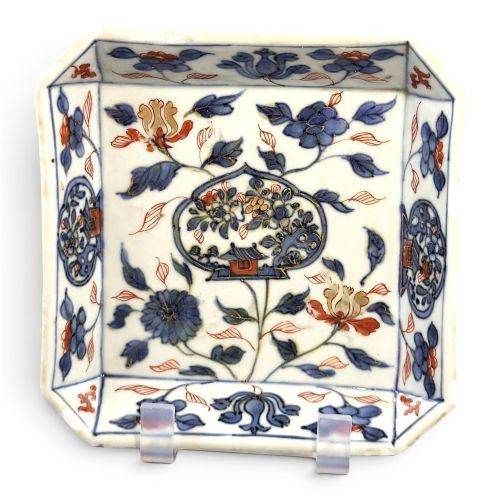
Potters utilised hard-paste porcelain shaped on the wheel or moulded into specialised forms like octagonal plates, square bowls, and animal figurines. This dense material provided a durable base capable of withstanding high kiln temperatures and daily domestic usage.
Decoration relied on cobalt underglaze painting for blue and white designs, applied directly to the clay body before a clear glaze layer went over the surface. Overglaze enamels, gold leaf, and iron-red pigments were then added in subsequent low-temperature firings to achieve the polychrome effects seen in Famille Rose and Imari pieces.
Some wares underwent secondary decoration in Europe, where workshops added extra enamels or gilding, such as Amsterdam Bont decorated porcelain, altering the original palette after import.
Current listings feature porcelain, enamel, and gold leaf applied across forms such as punch bowls, teapots, and armorial soup plates.
Variations in Quality
The complexity of the commission influences the standing of a piece, with armorial services bearing accurate family coats of arms or personalised monograms holding particular distinction. Standard domestic wares with repetitive floral motifs occupy a different tier from meticulously detailed figural scenes and bespoke dinner service components.
The 18th Century Export Ceramics Glossary
- Famille Rose
- A palette of opaque overglaze enamels dominated by pink or rose colours, introduced during the Qing Dynasty. This technique allowed for subtle shading in floral and figural motifs.
- Imari
- A style of Japanese porcelain from the Arita area featuring underglaze blue combined with iron red, gold, and other overglaze enamels. The style was widely copied by Chinese kilns for export.
- Kangxi Period
- A reign period from 1662 to 1722 characterised by technical excellence in porcelain production, particularly fine blue and white wares and early Imari pieces. Pieces from this era often display brilliant cobalt tones.
- Qianlong Period
- A reign lasting from 1736 to 1795 notable for expansive export production and the widespread use of Famille Rose enamels. This era produced many armorial services and intricate decorative objects.
- Armorial
- A ceramic design incorporating a European family's heraldic coat of arms. These bespoke services were specially ordered through trading companies.
18th Century Export Ceramics: Frequently Asked Questions
How were these ceramics used originally?
Most of these vessels served practical functions in upper-class European households, ranging from tea service sets and punch bowls to large platters for dining tables.
Others functioned purely as display items, such as garniture vases, jardinières, and ormolu-mounted plates placed in drawing rooms to demonstrate wealth and global connections.
How do I care for export ceramics?
These porcelain pieces require gentle handling and hand washing in warm water with mild soap, avoiding harsh scrubbing or dishwashers that can damage overglaze enamels and gold leaf.
Display surfaces should be stable, and items with metal mounts or delicate handles ought to be protected from accidental knocks.
How can I tell the period apart?
Dating relies on examining the painting style, glaze characteristics, and reign marks where present, comparing them against established benchmarks for Kangxi, Qianlong, or later Qing production.
Changes in enamel brightness, potting weight, and decorative motifs help distinguish early eighteenth-century pieces from nineteenth-century revivals.
What is Chinese Imari?
Chinese Imari refers to Chinese export porcelain made to imitate Japanese Imari wares, using a combination of underglaze cobalt blue and iron-red and gold overglaze.
This hybrid style bridged aesthetic preferences in Europe during the late seventeenth and eighteenth centuries.