




18th Century Dutch Carving
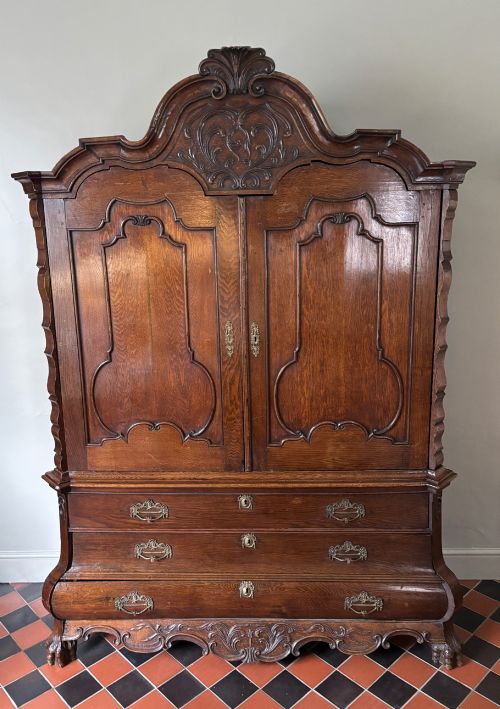
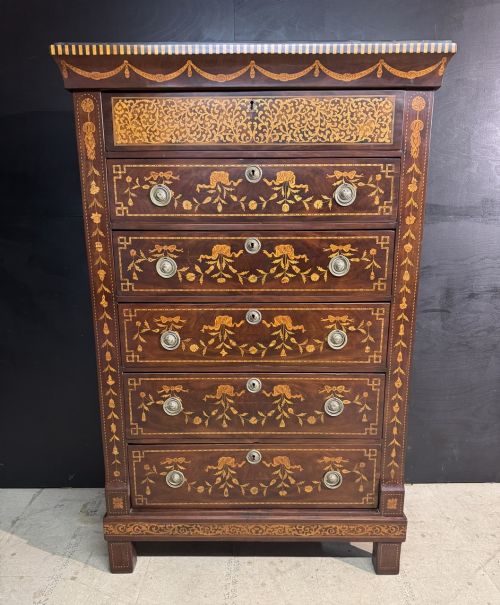
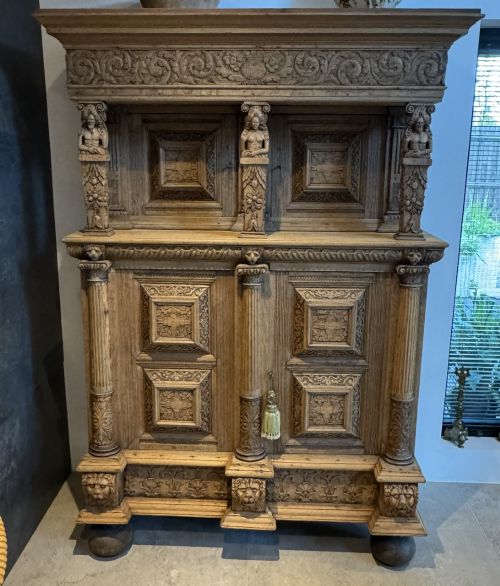
These pieces of 18th century dutch carving span robust oak domestic objects and elaborate floral marquetry in burr walnut, offering tactile depth to a room.
18th Century Dutch Carving
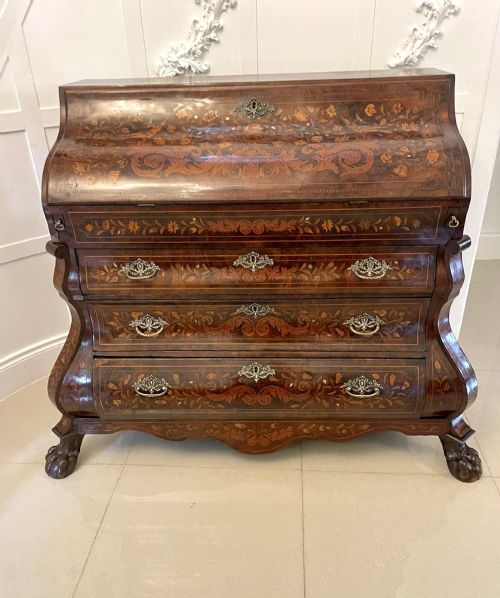
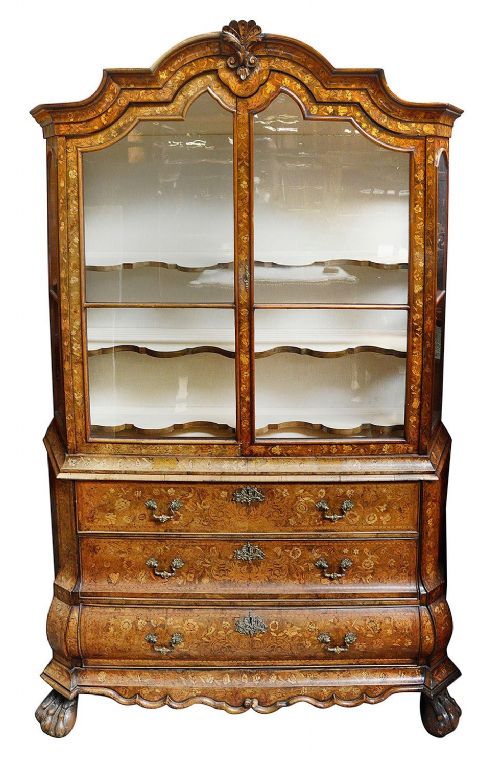
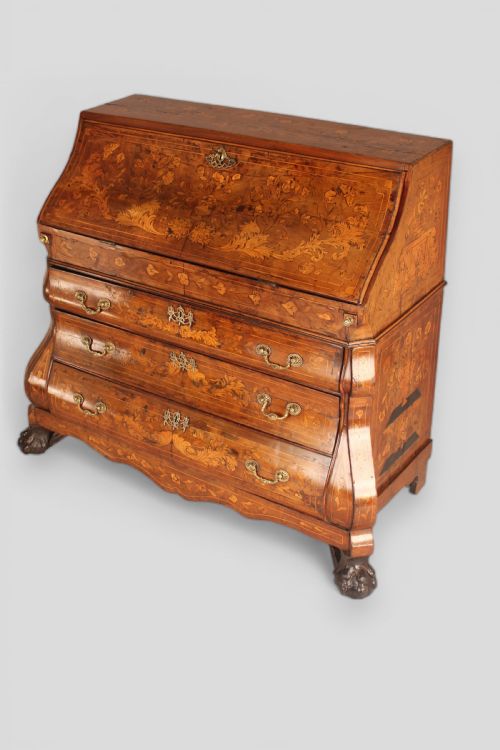
When you search for 18th century dutch carving, you encounter furniture and domestic items shaped by cabinet makers and folk artisans working in oak, walnut, and fruitwood. The most frequent forms on this page include bombes, chests of drawers, display cabinets, and bureaus.
The selection ranges from country chip-carved foot stoves and mangle boards to sophisticated marquetry-inlaid escritoires and rococo chairs. Alongside furniture, the evidence records framed embroidery, oil paintings on panel, and carved mirrors reflecting regional domestic life.
Materials and Technique
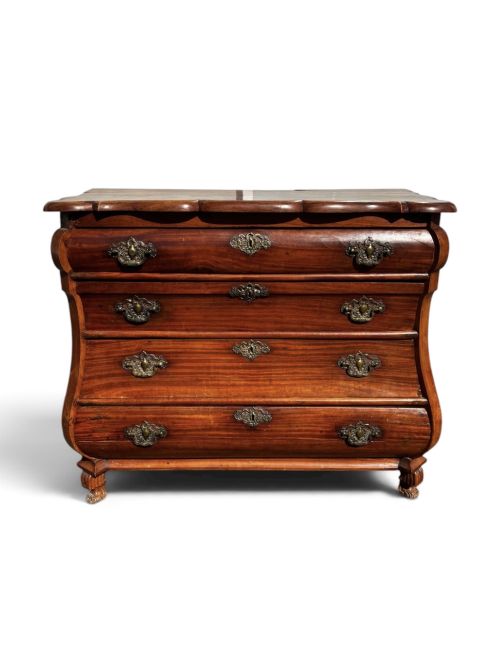
Cabinet makers utilised native oak and imported exotic timbers, laying floral marquetry veneers in walnut, fruitwood, and satinwood over softer carcase woods. Bombe forms required patient shaping of solid timber and precise veneer matching to follow curving drawer fronts and sides.
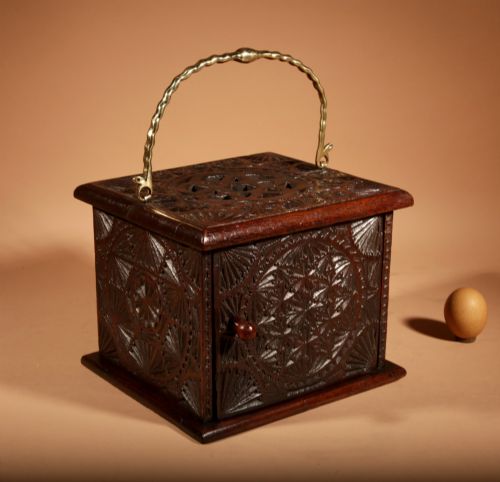
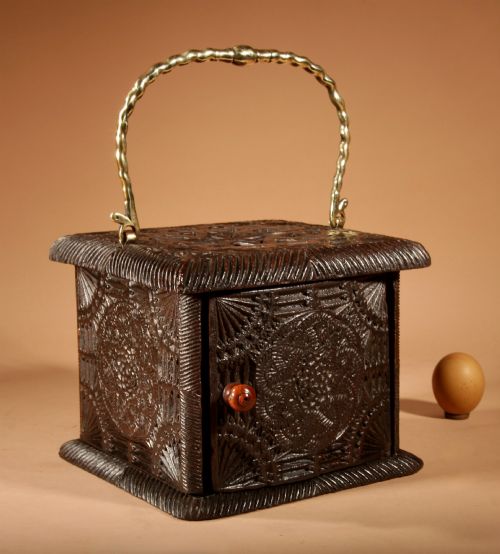
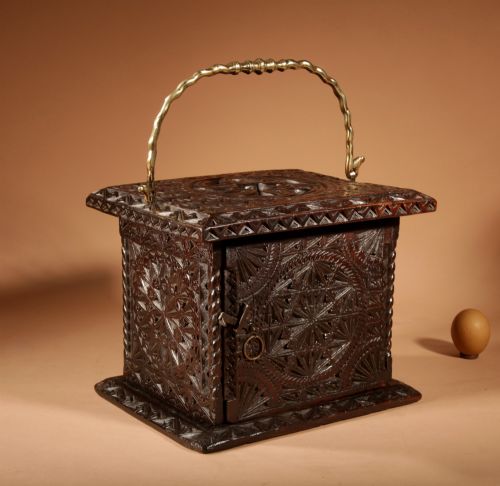
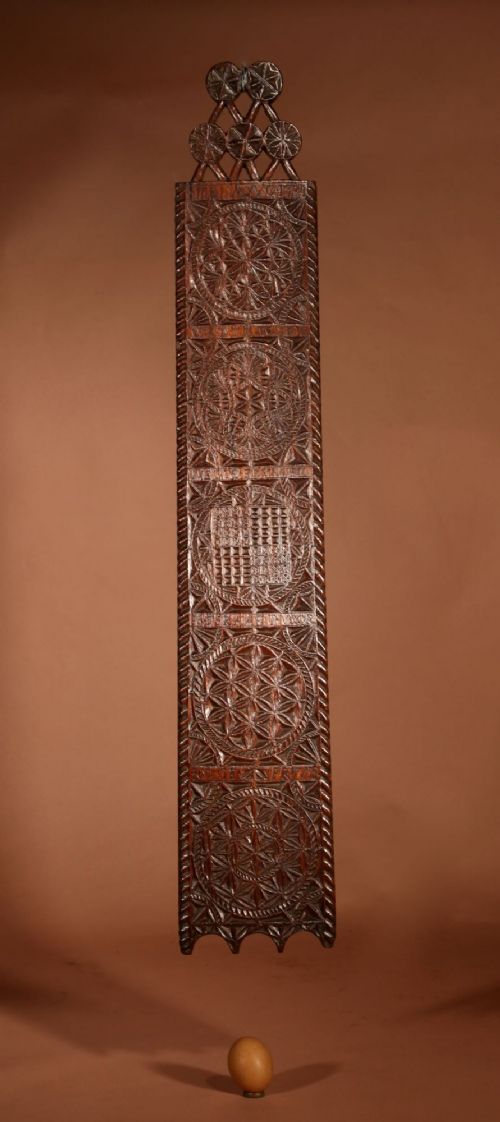
Chip carving decorated utilitarian objects such as foot warmers and mangle boards with geometric incisions and inscribed dates. Carvers also applied high-relief rococo and baroque motifs in walnut and oak to chair backs, mirror frames, and cabinet crestings.
Listings feature oak, walnut, burr walnut, satinwood, fruitwood, and brass, spanning the eighteenth and nineteenth centuries with styles from rococo to folk art.
Judging Quality
Quality rests upon the crispness of the chisel work and the harmony of the marquetry layout across complex curved surfaces. Pieces displaying balanced floral inlay without distortion across bombe profiles represent the higher tiers of workshop output.
Structural integrity of the timber movement and the retention of original brass hardware or painted surfaces distinguish superior survivals. Lesser examples exhibit crude timber replacements or surface wear that obscures the original carving detail.
Jan Evert Morel
The 18th Century Dutch Carving Glossary
- Bombe
- A swelling, convex furniture shape characteristic of baroque and rococo case pieces. This profile curves outward toward the base on drawers and cabinet sides.
- Marquetry
- Inlaid wood veneers arranged in decorative patterns or pictorial scenes. Craftsmen cut contrasting timbers like walnut and fruitwood to form floral motifs.
- Torchere
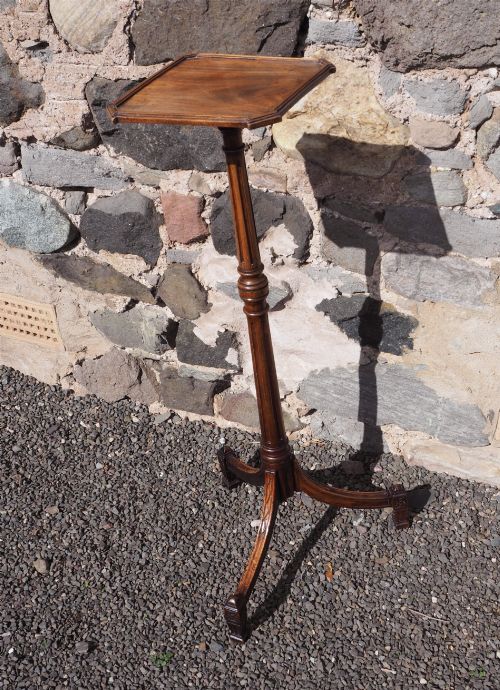
- A tall stand designed to hold a lamp or candle. These slender supports often feature carved pillars and tripod bases.
- Mangle board
- A flat wooden board used with a roller to press and smooth linen. Frisian examples frequently display rich chip carving, initials, and dates.
- Vitrine
- A glass-fronted cabinet used for displaying porcelain and curiosities. These display pieces highlight interior shelving behind glazed doors.
18th Century Dutch Carving: Frequently Asked Questions
What is a bombe chest?
A bombe chest is a case piece featuring convex, outward-swelling sides and drawer fronts. This swelling outline demands advanced joinery to shape timber and apply marquetry veneers.
Cabinet makers utilised this form during the eighteenth century to create visually striking storage furniture for wealthy interiors.
How do I care for walnut marquetry?
Walnut marquetry surfaces require stable indoor humidity away from direct sunlight and heat sources. Gentle dusting with a dry cloth protects the delicate veneer layers.
Applying microcrystalline wax periodically nourishes the wood without building up heavy residues that obscure the inlay.
Where were foot stoves used?
Foot stoves served as portable heating devices in Dutch homes, churches, and carriages during cold weather. Users placed hot coals inside a perforated metal container within the pierced wooden box.
Artisans decorated the exterior panels with chip carving, making utilitarian objects into decorative folk art.
What distinguishes Frisian folk art?
Frisian folk art originates from the northern province of the Netherlands, characterised by distinct geometric chip carving. Makers incised patterns, dates, and initials directly into domestic oak items.
This regional style emphasises tactile, hand-carved textures over polished veneer surfaces.