
18th Century Desk Drawers
These 18th century desk drawers span compact writing pieces and side tables designed for domestic use.
18th Century Desk Drawers
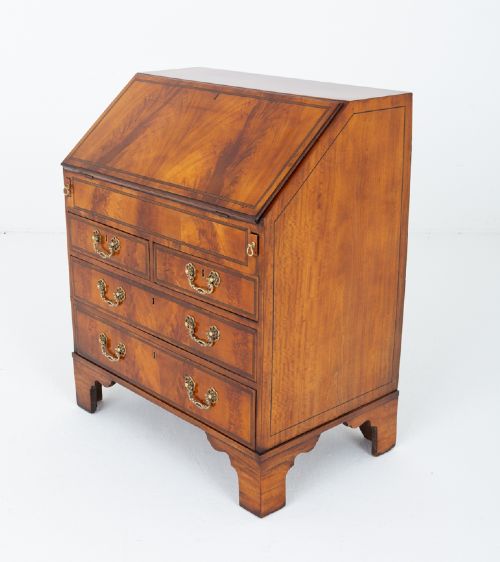
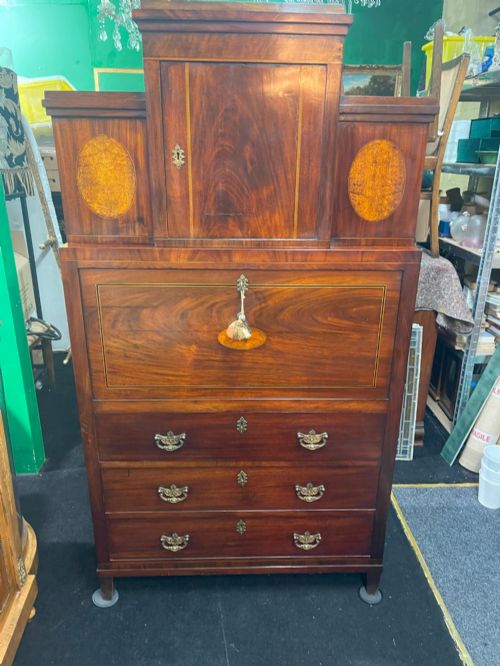
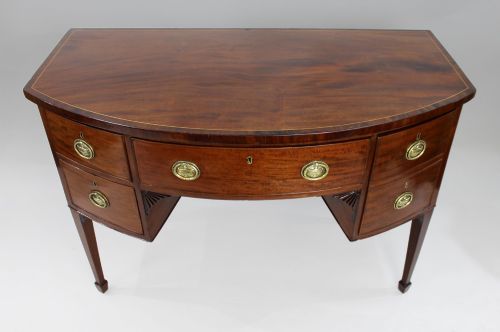
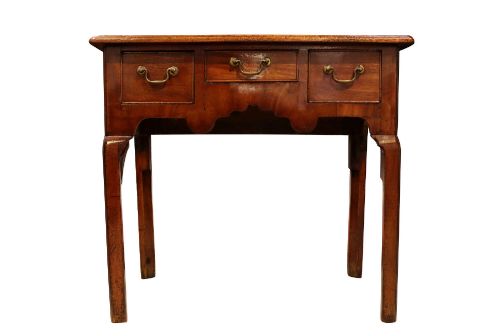
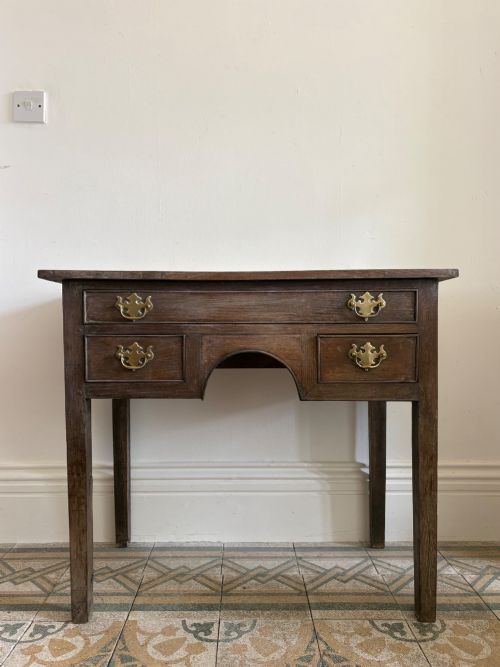
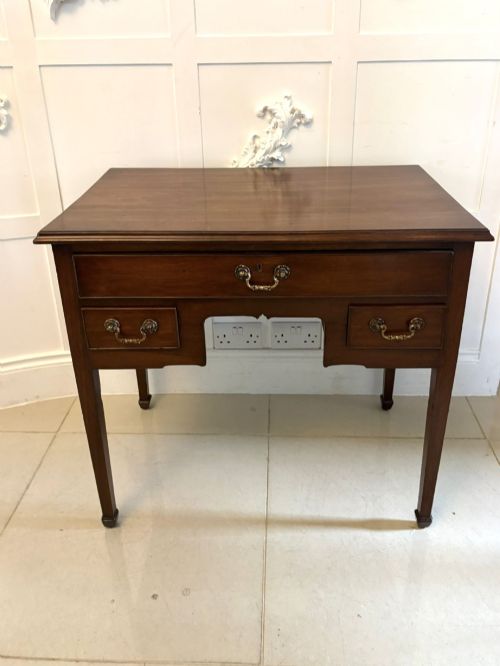
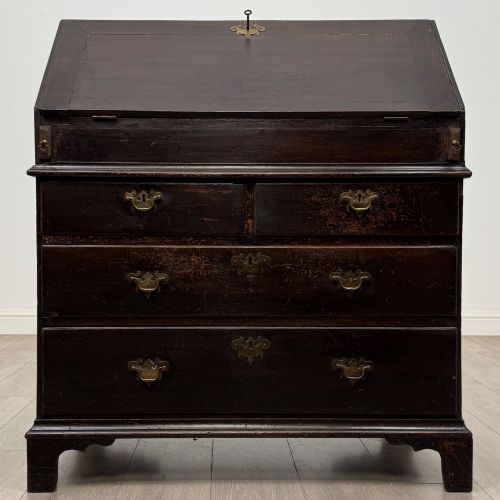
When you examine 18th century desk drawers, you encounter pieces built for correspondence and storage during the Georgian and Queen Anne periods. Bureaux, lowboys, and writing chests form the core of what appears on this page.
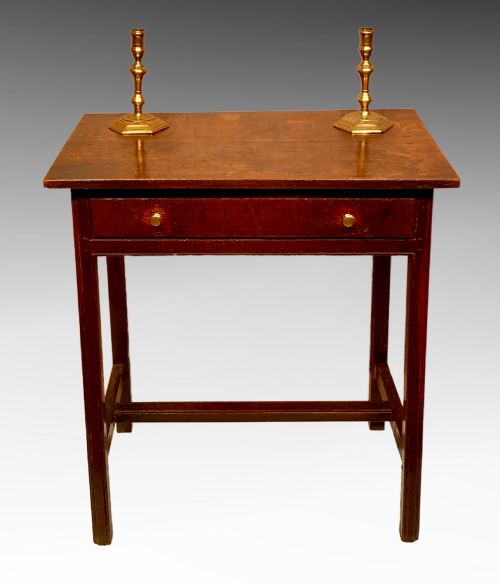
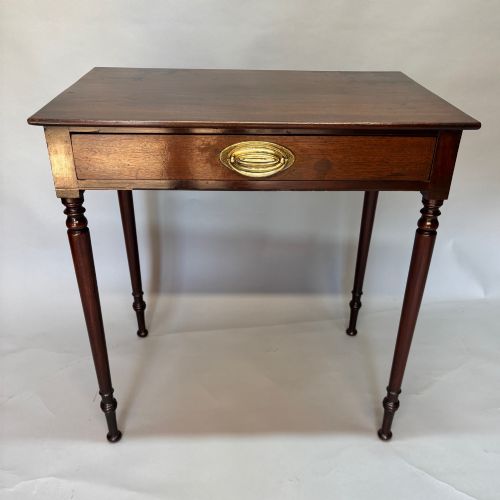
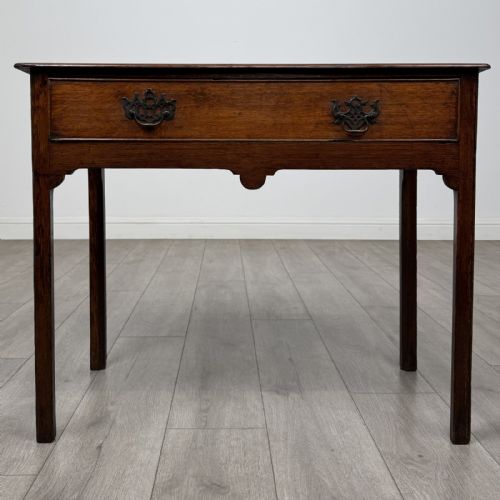
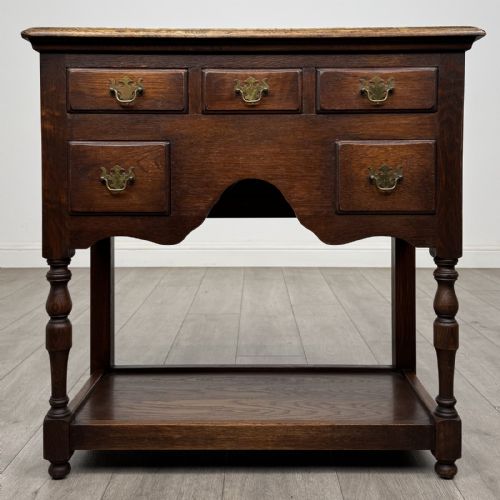
The most common formats include oak or mahogany lowboys and drop-front bureaux in walnut and mahogany. These items served writing and small storage functions in bedrooms and parlours.
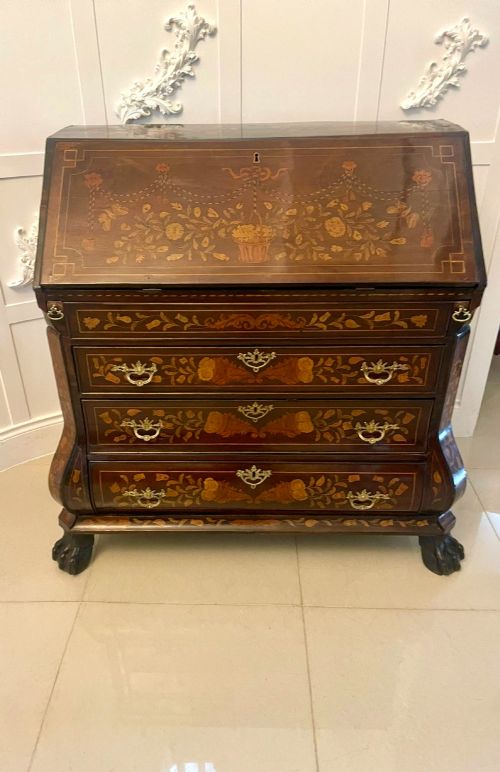
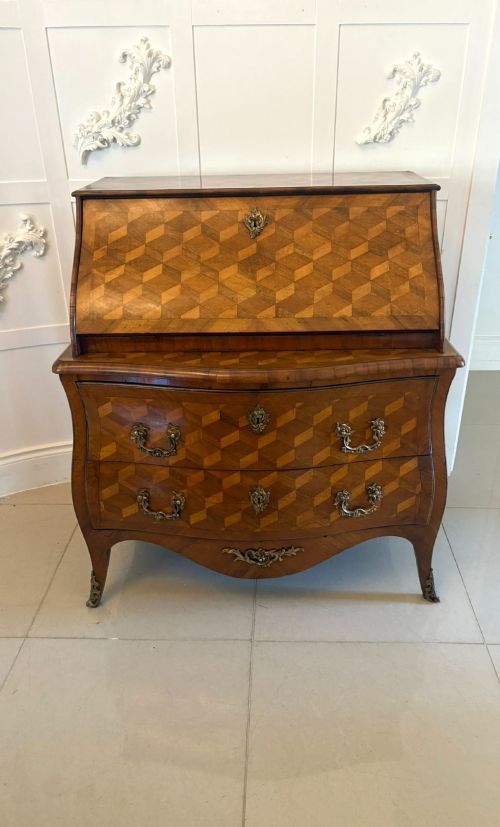
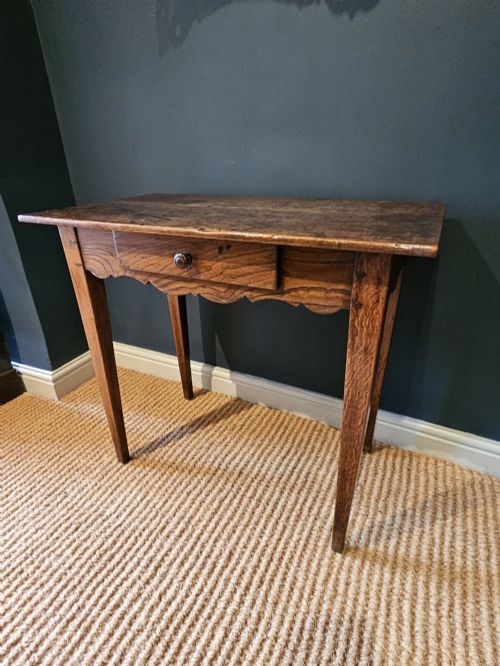
Origins range from English country workshops to Dutch and French makers working with figured veneers. Pieces vary from simple oak side tables to bombe shaped bureaux with floral marquetry.
How they were made
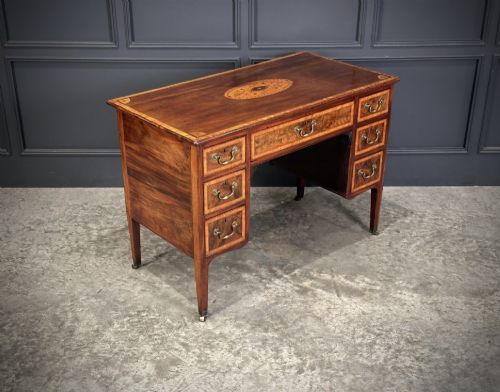
Cabinet makers utilised solid timbers like oak, mahogany, and walnut alongside fruitwood veneers for surfaces. Marquetry and parquetry patterns were inlaid to decorate the exterior of finer bureaux.
Brass handles and escutcheons secured drawer fronts, while leather was frequently inset into writing surfaces. Construction relied on traditional dovetail joints for drawers and pegged framing for carcases.
Periods represented span Queen Anne, George I, George II, George III, and general 18th-century manufacturing eras.
What varies in quality
The selection of timber dictates the visual depth of a piece, with highly figured burr walnut and flame mahogany marking the upper tier of production. Plain oak and painted finishes represent simpler domestic output.
Precision in cabinet work distinguishes standard examples from exceptional ones. Elaborate serpentine fronts and bombe shapes require advanced skill compared to straight-lined side tables.
The 18th Century Desk Drawers Glossary
- Bureau
- A sloping writing flap enclosing small drawers and pigeon holes above a set of long drawers. This form became popular for domestic correspondence.
- Lowboy
- A small table with one or more rows of drawers, often used as a dressing table or side table. These usually rest on four slender legs.
- Marquetry
- Decorative veneer work forming pictures or patterns using various coloured woods. Craftsmen cut thin pieces of timber to fit together precisely.
- Kneehole desk
- A desk or dressing chest with a recessed central space for the user's knees, flanked by pedestals of drawers. Queen Anne examples often feature this layout.
- Bombe
- A bulging, convex shape characteristic of continental furniture. This curved profile requires complex woodworking techniques.
18th Century Desk Drawers: Frequently Asked Questions
What is a lowboy used for?
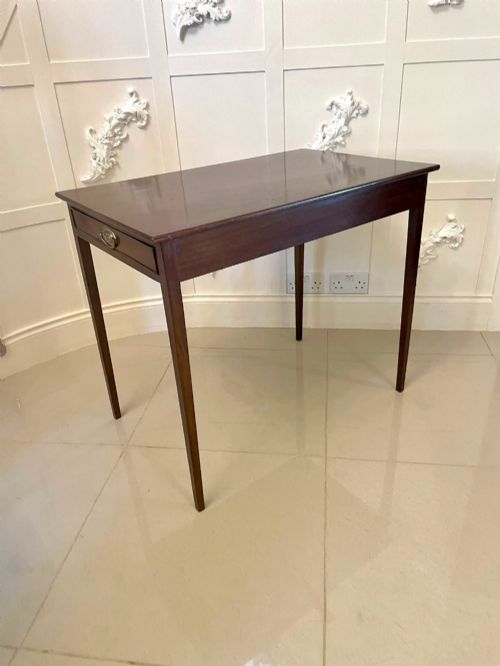
A lowboy functioned as a small side table or dressing table in 18th-century homes. Its compact drawer configuration held personal items and writing materials.
Today, these pieces fit easily into modern hallways or living rooms as accent tables.
What is the difference between walnut and mahogany pieces?
Walnut was predominantly utilised in earlier 18th-century pieces, often displaying figured or burr patterns. Mahogany grew in popularity during the George III period for its strength and deep reddish hue.
Both timbers received different surface finishes depending on the intended formality of the furniture.
Where were these pieces made?
The items originate primarily from English workshops, alongside continental centres in France and the Netherlands. Regional English cabinet makers utilised local oak and fruitwood.
Imported tropical hardwoods like mahogany supplied urban workshops in London.