


18th Century Derby China
These 18th century derby china pieces bring Georgian ceramic artistry into the home, offering handpainted porcelain figures and tableware collectors prize for their intricate detail.
18th Century Derby China
When you search for 18th century derby china, you encounter eighteenth-century and Georgian porcelain pieces created by the historic Derby factory. The selection spans utilitarian tableware and decorative porcelain figures.
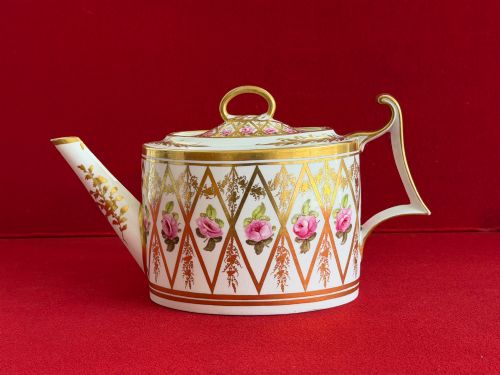
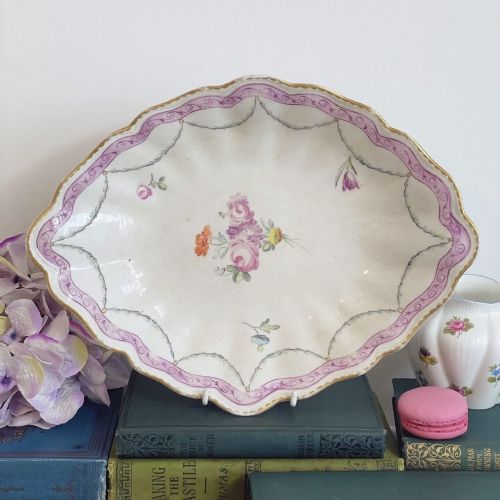
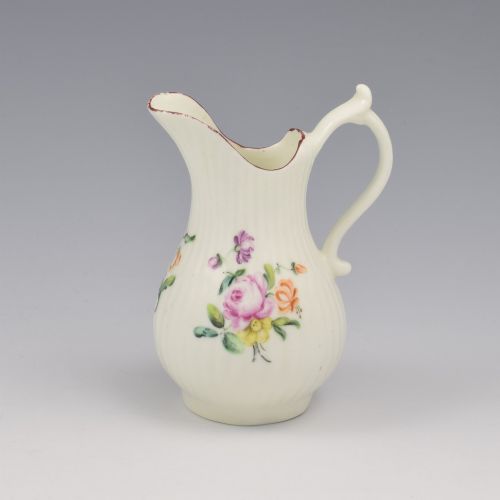
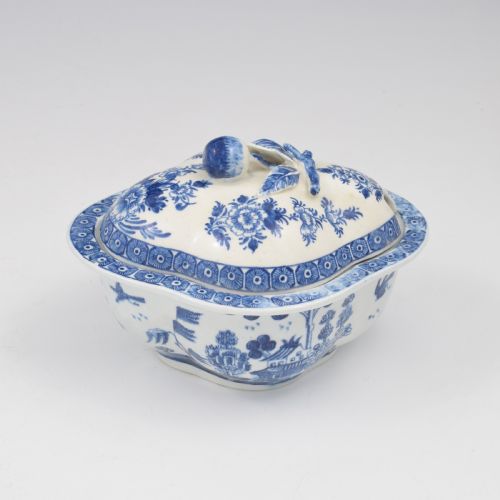
Tableware forms include teapots, serving dishes, cream jugs, sauce tureens, mugs, and plates. Decorative pieces comprise figures, figural candlesticks, and allegorical groups.
The objects originate from the eighteenth century and the Georgian period, encompassing styles from the Rococo and Neoclassical movements.
How They Were Made
Makers utilised soft-paste porcelain as the primary body for these items, shaping them into fluted balusters, lettuce forms, and lobed plates. Glaze coated the surfaces before painters applied handpainted polychrome enamels.
Craftsmen enriched the designs with gold leaf and gilding to highlight specific details on the porcelain. Blue and white decoration also appears across various vessels and tureens.
Pluto guards the underworld with Cerberus while porcelain street vendors sell buns nearby.
What Varies in Quality
The precision of the handpainting defines the distinction between standard vessels and superior examples. Artisans who executed detailed polychrome flowers and complex figures achieved greater artistic success.
The complexity of the form influences the standing of the piece within the range. Elaborate figural groups and moulded vessels demonstrate higher ambition than simpler utilitarian items.
Duesbury and Kean·Zachariah Boreman
The 18th Century Derby China Glossary
- Soft-paste porcelain
- A vitreous ceramic body composed of clay and glass frit used in early English pottery production. This material fires at lower temperatures than hard paste and yields a warm tone under the glaze.
- Polychrome
- Decoration employing multiple distinct colours painted onto the porcelain surface. Artisans utilised this technique for floral motifs and garments on figures.
- Gilding
- The application of gold leaf or gold powder onto the ceramic surface for decorative accent. This metal embellishment appears on rims, handles, and figurative details.
- Sauce tureen
- A covered ceramic vessel designed for holding and serving sauces at the table. These items frequently feature matching stands or covers.
- Figurine
- A small three-dimensional ceramic sculpture depicting a human, animal, or allegorical subject. These pieces often formed part of larger decorative sets representing continents or seasons.
18th Century Derby China: Frequently Asked Questions
How do I identify a Georgian piece?
Georgian porcelain from this factory aligns with the stylistic movements of the eighteenth century. Pieces exhibit Rococo curves or Neoclassical symmetry depending on their production decade.
Examine the palette, glaze characteristics, and form to determine the manufacturing period. Early items often display soft-paste porcelain bodies with distinct potting traits.
How were these porcelain items used?
Tableware vessels served dining functions in Georgian households, holding tea, cream, sauces, or food dishes. Mugs and cups accommodated beverages during social meals.
Figurines and figural candlesticks served as decorative display objects in parlours and dining rooms. Allegorical figures and sets representing continents added intellectual conversation pieces to interior spaces.
How should I care for soft-paste porcelain?
Keep these historic pieces away from direct sunlight and dramatic temperature fluctuations to protect the enamel and glaze. Display them on stable surfaces where they avoid accidental impacts.
Clean the porcelain gently with a dry or barely damp cloth when necessary. Avoid immersing soft-paste pieces in water or using modern cleaning agents.