







18th Century Delft Pottery
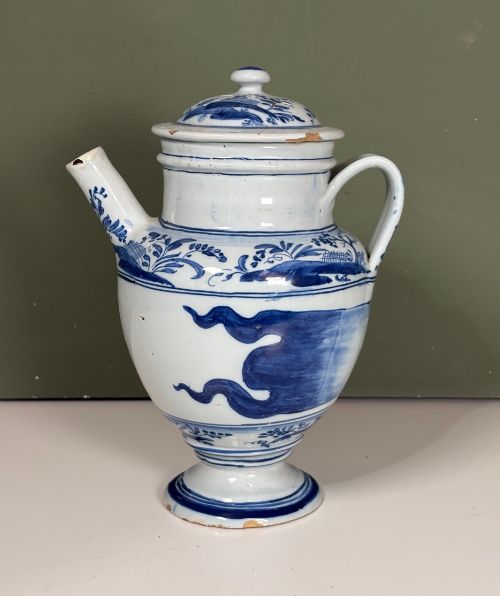
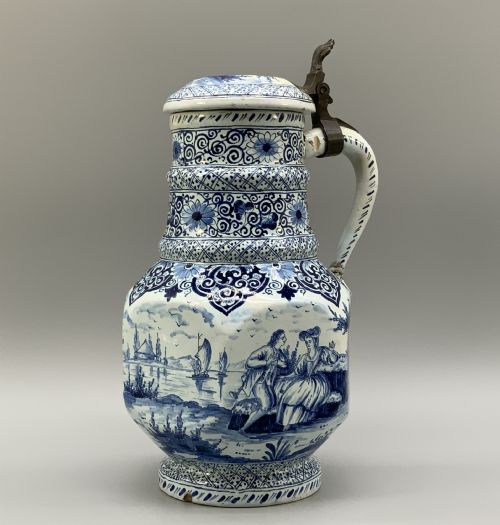
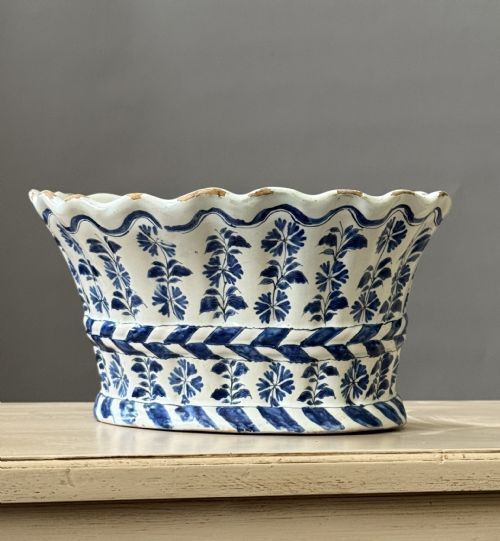
These pieces of 18th century delft pottery are tin-glazed ceramic vessels that bring hand-painted blue and white decoration into a room.
18th Century Delft Pottery
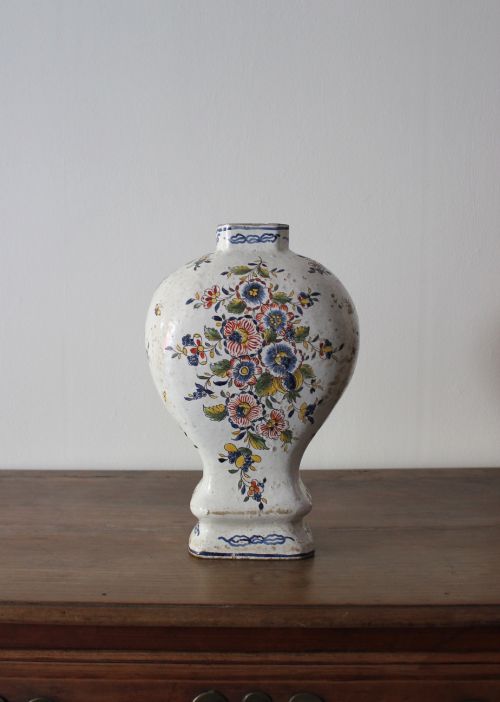
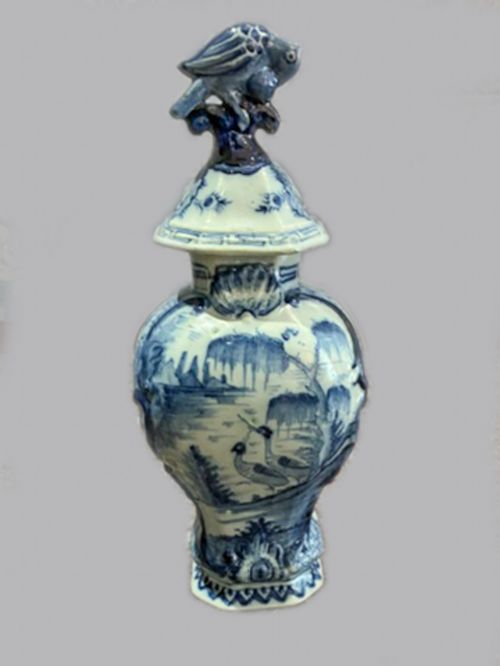
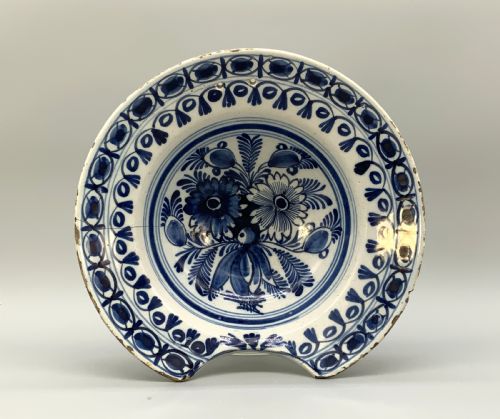
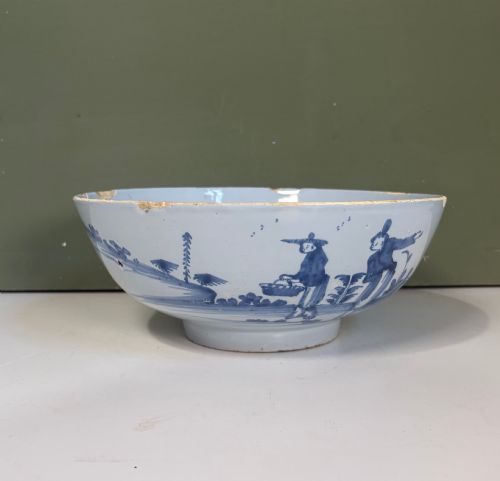
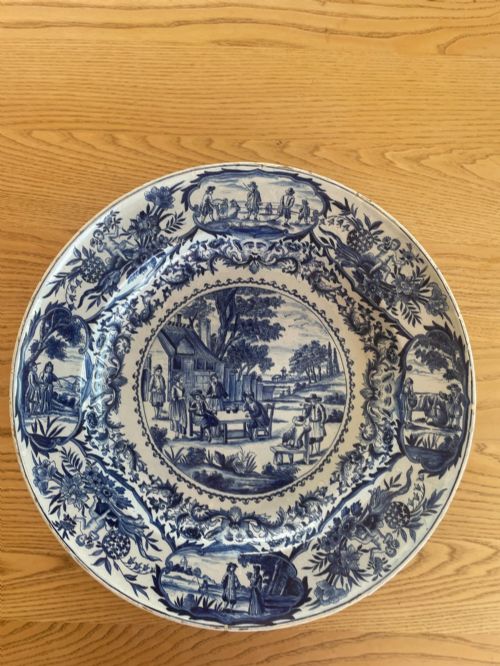
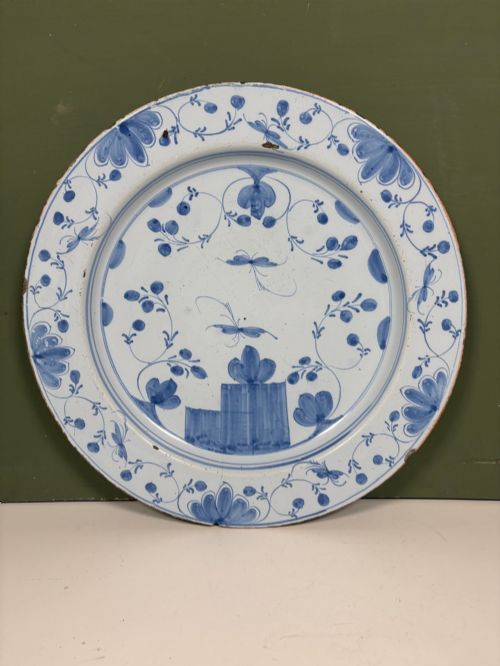
When you search for 18th century delft pottery, you meet a range of domestic and display vessels created across Europe. The selection spans utilitarian jars and jugs alongside large chargers, plates, bowls, and vases.
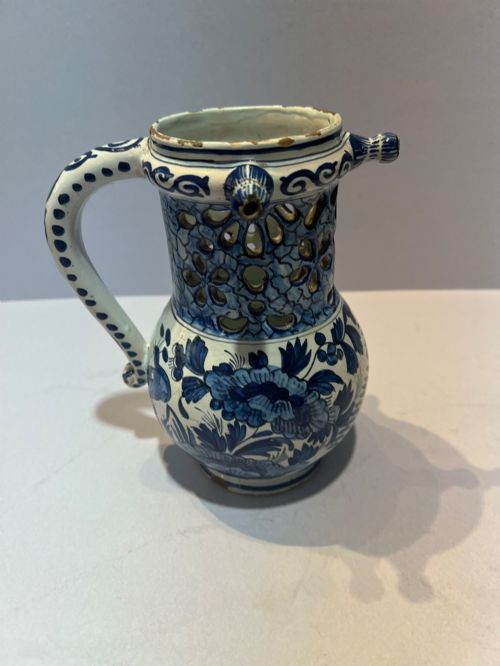
Dutch workshops dominate the evidence, though English and Spanish pieces appear frequently. Forms vary from simple wall chargers to apothecary jars, puzzle jugs, and posset pots.
The objects serve both decorative and practical roles in historic interiors. Table lamps and converted urns also emerge from later adaptations of these ceramic bodies.
Materials and Techniques
Potters shape local clay into earthenware bodies before firing them in kilns. These porous ceramic forms receive an opaque tin glaze that provides a smooth white surface.
Painters apply cobalt pigment or manganese oxide directly onto the unfired or raw glaze. This technique allows the metallic oxides to absorb into the liquid tin surface during the final high-temperature firing.
18th Century Delft Pottery Retail Price Guide 2026
Typical asking prices for 18th century delft pottery among the pieces listed under this phrase on Sellingantiques today, from the lower quarter to the upper quarter. They describe what is for sale here now, not the wider market.
Decoration relies heavily on cobalt pigment and manganese oxide applied to a white ceramic tin glaze.
What Varies in Quality
The crispness of the hand-painted cobalt pigment distinguishes standard domestic items from superior display pieces. Detailed brushwork in chinoiserie scenes or figurative subjects shows higher artisan skill.
The uniformity and thickness of the tin glaze across the earthenware body reveal technical control. Clean glaze application without excessive pooling or crawling marks separates better examples.
The 18th Century Delft Pottery Glossary
- Tin-Glazed Earthenware
- Pottery covered in a white glaze containing tin oxide to create an opaque surface for painting. This finish mimics the appearance of imported Chinese porcelain.
- Charger
- A large decorative plate designed to hang on a wall or sit centrally on a table. These broad earthenware discs often feature detailed pictorial scenes.
- Polychrome
- Decoration utilising multiple colours rather than simple blue and white pigments. Painters introduce yellows, greens, and oranges alongside manganese purple.
- Apothecary Jar
- A cylindrical or gourd-shaped vessel used in medical dispensaries to store dry drugs or syrups. These containers carry painted labels or floral cartouches.
- Puzzle Jug
- A drinking vessel with a perforated neck and multiple spouts designed to spill liquor if the drinker fails to cover secret holes. The form challenges guests at taverns and banquets.
18th Century Delft Pottery: Frequently Asked Questions
How do I clean 18th century delft pottery?
Dust these ceramic pieces gently with a dry, soft brush to remove surface particles.
Avoid submerging porous earthenware in water, especially if the glaze shows historic hairline cracks.
Can I use these vessels for food?
Historic tin glaze contains metallic oxides that are unsuitable for modern culinary use.
Display these fragile earthenware objects dry on walls, shelves, or tables.
How do I tell English delft from Dutch delft?
English factories often use a slightly pinker or softer clay body visible at unglazed rims.
Dutch pieces frequently employ brighter blue cobalt pigments and distinct tin glaze formulations.
What is grand feu delft?
Grand feu refers to pieces fired at high temperatures in a single kiln run.
This technique fuses the pigment deeply into the tin glaze, creating softer outlines in the design.