

18th Century Cutlery
These pieces of 18th century cutlery bring tangible history to the table, offering tactile links to Georgian dining through sterling silver spoons, forks, and fitted mahogany boxes.
18th Century Cutlery
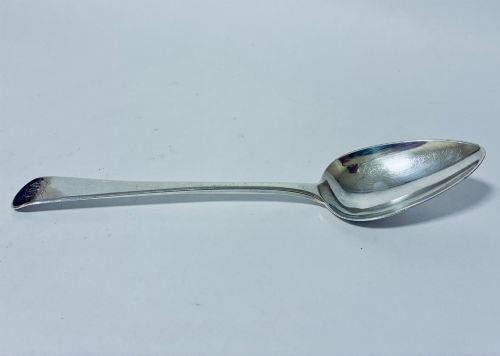
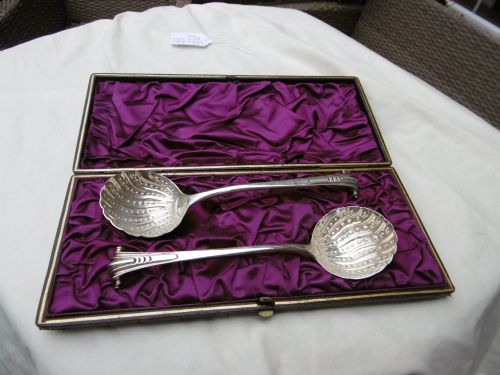
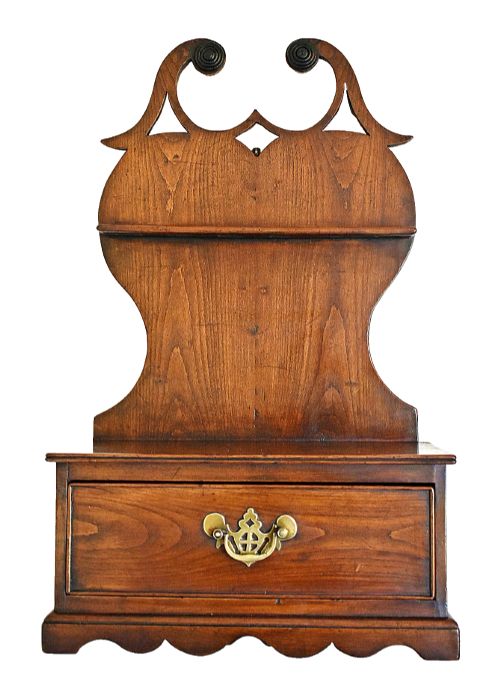
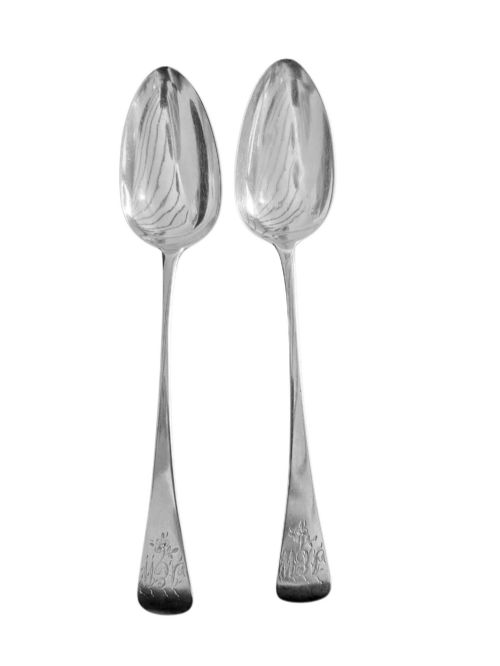
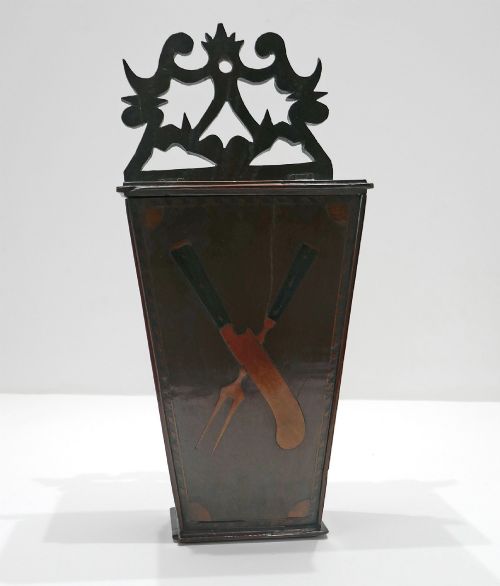
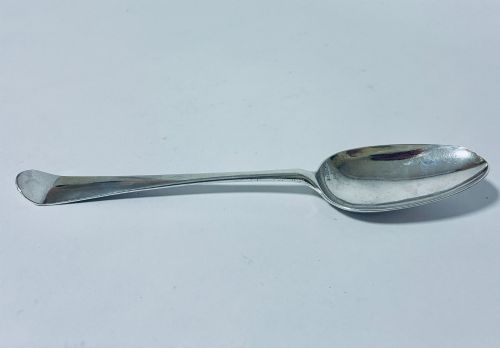
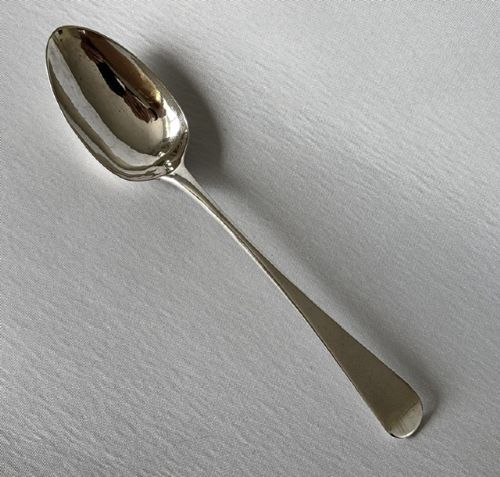
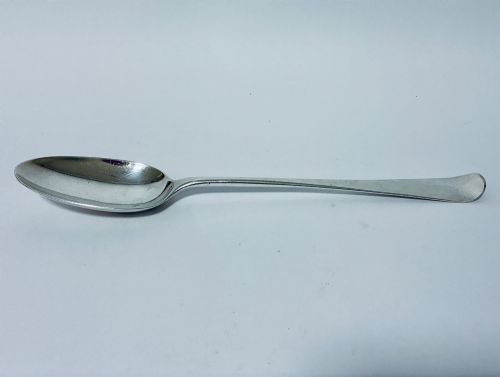
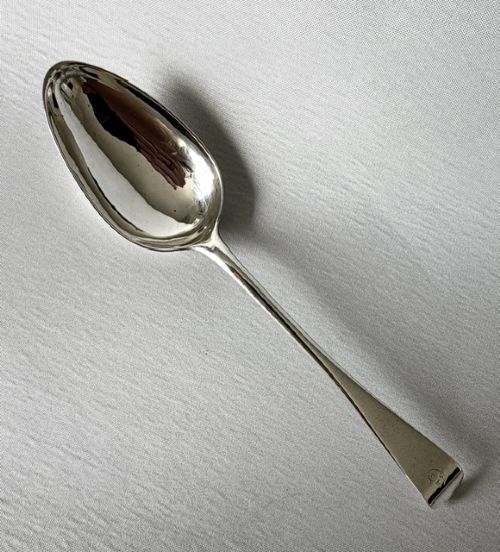
When searching for 18th century cutlery, buyers encounter a specialised selection of tableware and storage pieces spanning the Georgian era and earlier periods. The most common items include sterling silver serving spoons, tablespoons, marrow scoops, and dessert forks alongside mahogany knife boxes and spoon racks.
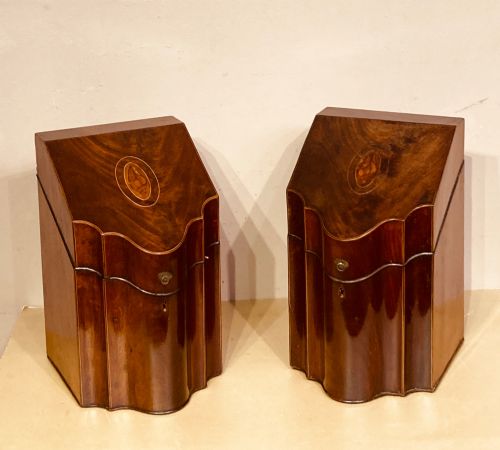
Silver items often bear hallmarks from London, Newcastle, or Ireland, reflecting the craftsmanship of provincial and capital makers alike. Accompanying storage pieces, such as bow-front or serpentine cutlery boxes, utilise boxwood and ebony inlay to house the flatware securely.
Materials and Methods
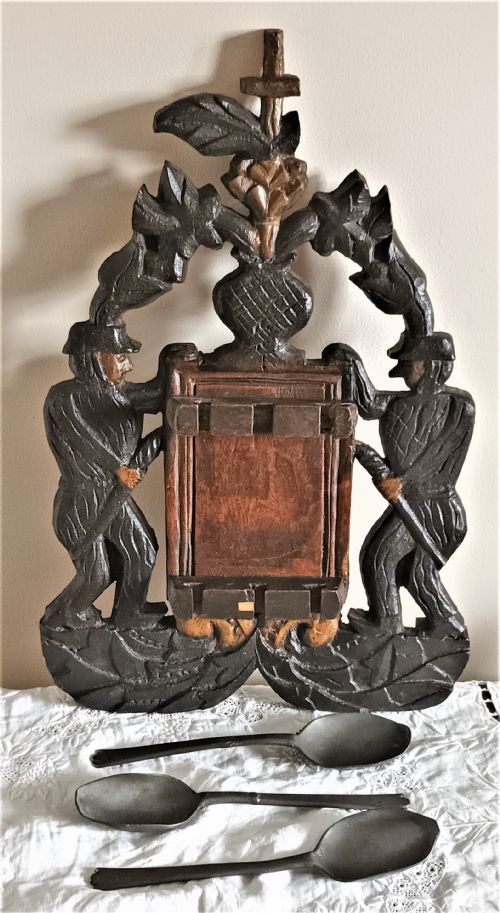
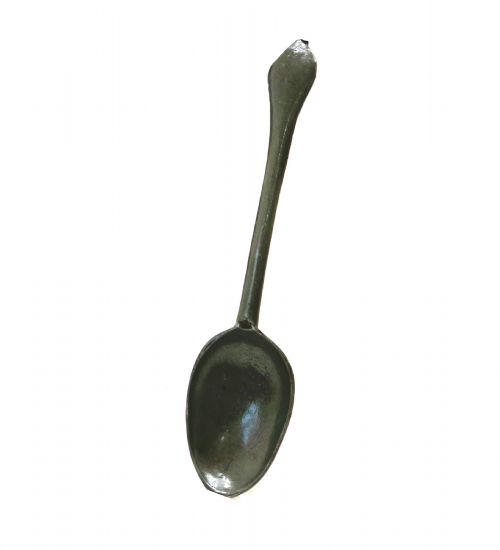
Silversmiths shaped sterling silver and Britannia silver using traditional hammering and casting techniques, frequently applying rat-tail reinforcement or bright-cut engraving to spoons and forks. Pewter and early metalware appear in utilitarian forms like dog-nose and trefid spoons from the opening decades of the century.
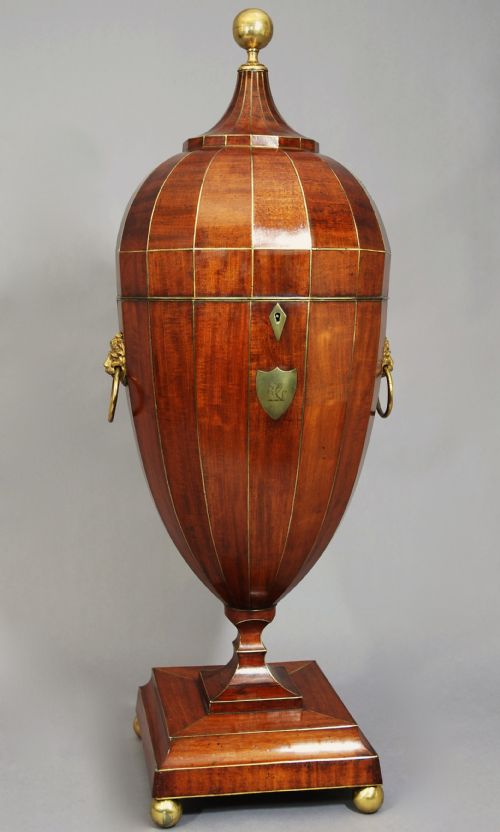
Cabinetmakers constructed knife boxes and cutlery urns from dense hardwoods like mahogany, satinwood, and oak. These containers feature brass fittings, silver mounts, and precise dovetail joinery designed to preserve high-status dining implements.
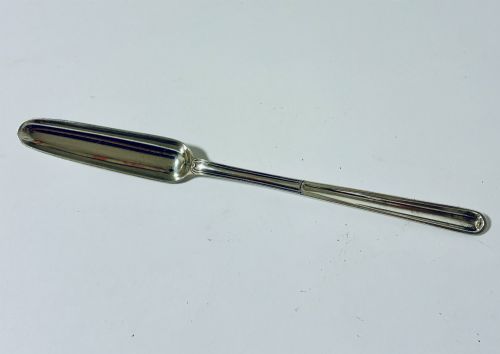
Dining tables of the era required dedicated scoops just for marrow.
Markers of Quality
Quality rests in the crispness of hallmarks, the clarity of engraved crests, and the preservation of original weight in silver items. Superior spoons retain their full bowl depth and unthinned tines, particularly on scarce three-pronged dessert forks.
For wooden storage pieces, excellence shows in the figure of the mahogany, the integrity of the satinwood or boxwood inlay, and the retention of original brass hardware. Pieces with slender proportions and untouched patination command greater attention.
John Lambe·Peter & Jonathan Bateman·John Craig·Hester Bateman·Peter & Anne Bateman·E Coker·James Tookey·John Locker·Thomas Tookey·John Smith·James Tait
The 18th Century Cutlery Glossary
- Dog nose spoon
- An early flatware form featuring a notched terminal shaped like a dog's nose, popular from the late 17th century through the reign of Queen Anne.
- Rat tail
- A traditional tapering spine on the back of a spoon bowl that strengthens the junction where the handle meets the bowl.
- Bright-cut engraving
- A surface decoration technique utilising faceted cuts to create geometric or floral patterns that catch the light.
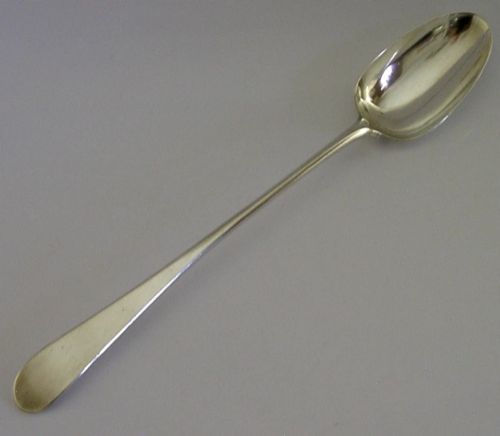
- Basting spoon
- A large culinary spoon used during food preparation and service, frequently measuring significantly longer than a standard tablespoon.
- Marrow scoop
- A narrow, trough-like utensil designed for extracting marrow from animal bones during formal Georgian dinners.
18th Century Cutlery: Frequently Asked Questions
How do I date a silver spoon?
Examine the hallmarks stamped directly onto the silver surface, which typically include a maker's mark, a date letter, and a town mark.
Comparing these punches against standard tables reveals the exact year and city of manufacture.
What were knife boxes used for?
Georgian knife boxes sat on sideboards to store handled cutlery upright or in fitted slots when not in use.
They protected polished steel blades from damp air and showcased the decorative grain of mahogany or satinwood to dining guests.
How should I clean antique silver?
Wash silver gently in warm water with mild soap, avoiding harsh abrasive dips that strip away desirable patination.
Dry the metal immediately with a soft cloth to prevent water spots and preserve the historic finish.
What is a marrow scoop?
A marrow scoop is a slender, double-ended utensil featuring a small trough at one end and a larger one at the other.
Wealthy diners used them at the table to extract bone marrow, which was a prized delicacy during the Georgian period.