


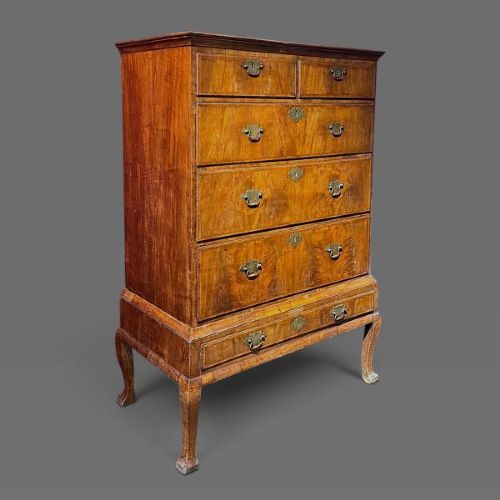
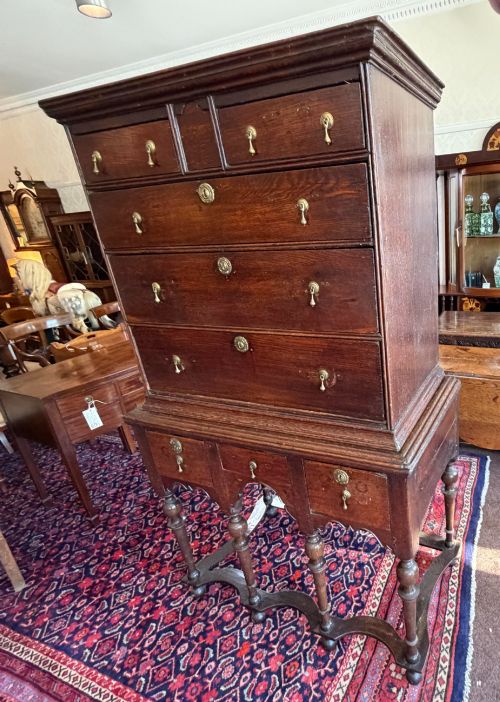
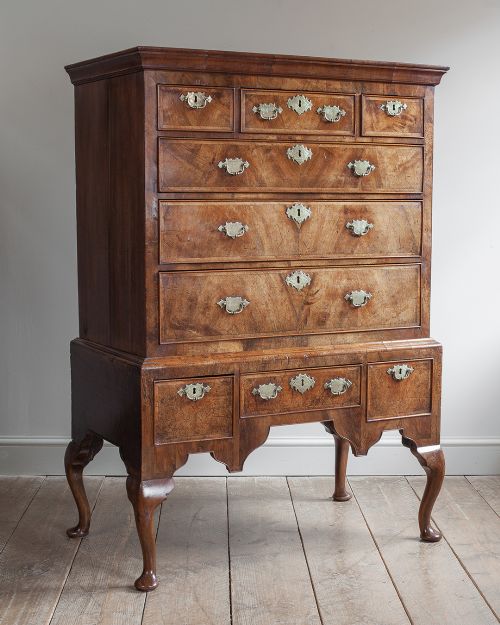
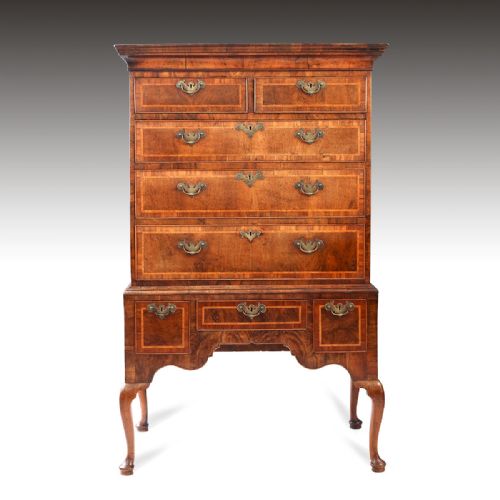
18th Century Chest on Stand
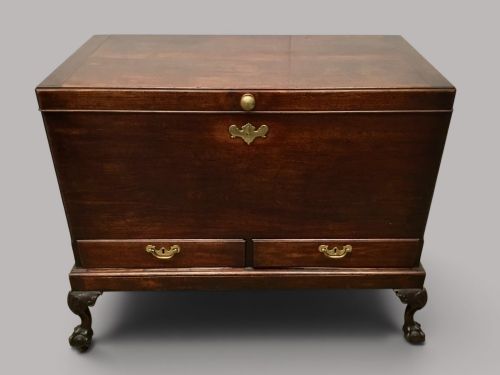
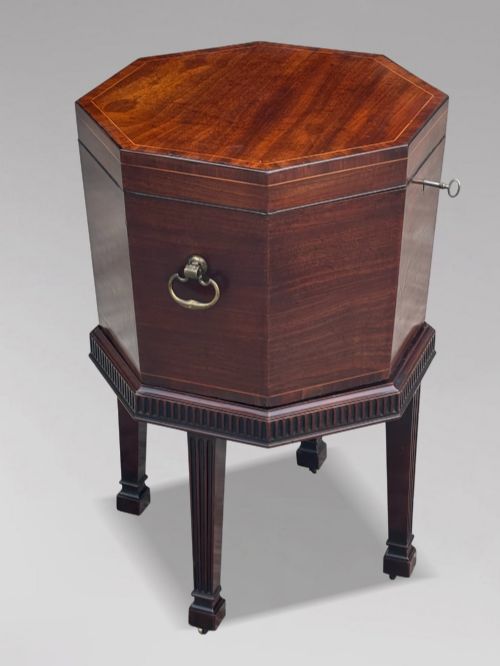
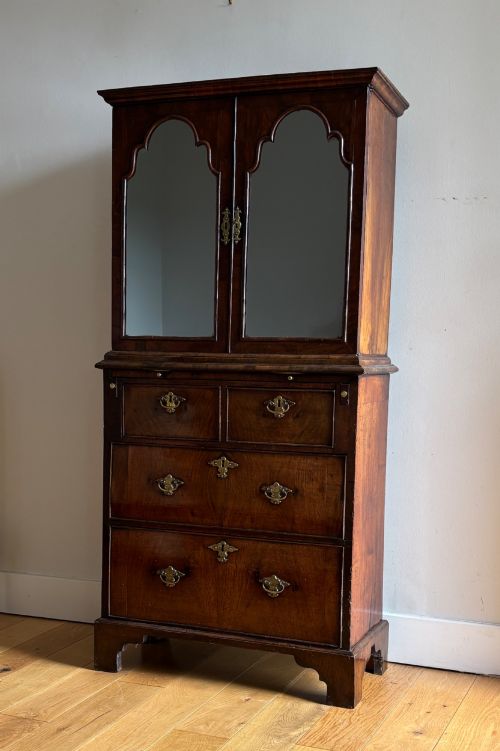
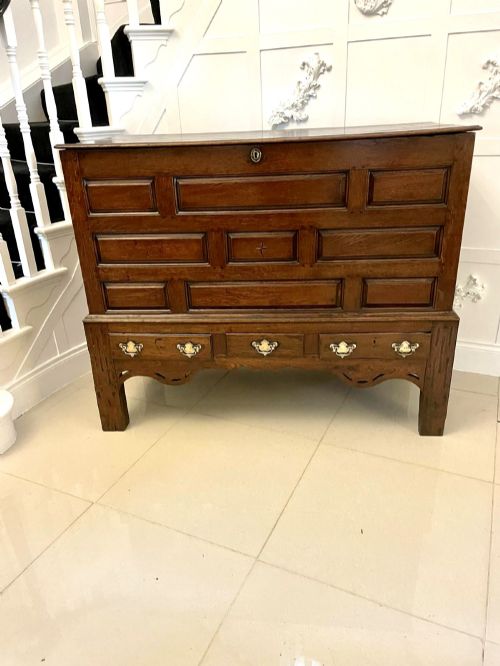
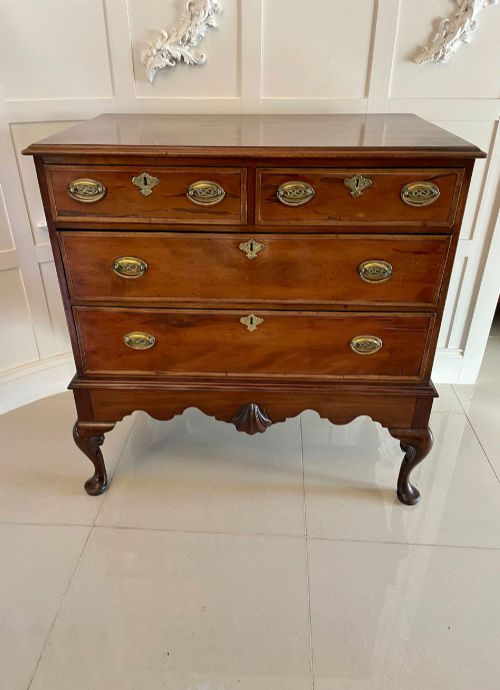
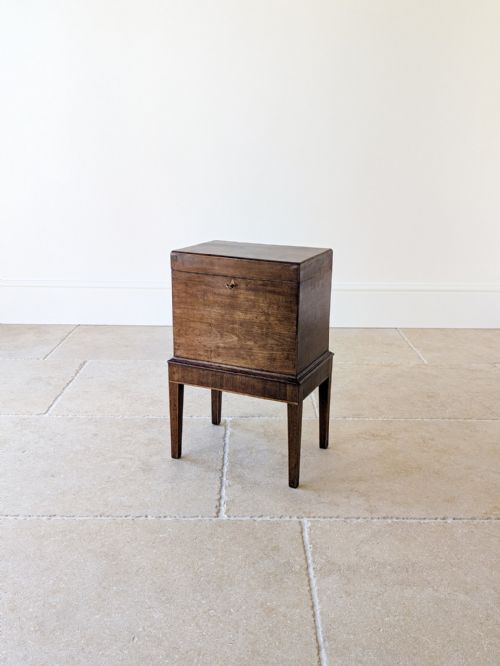
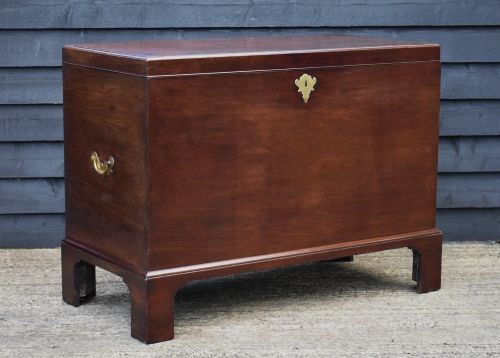
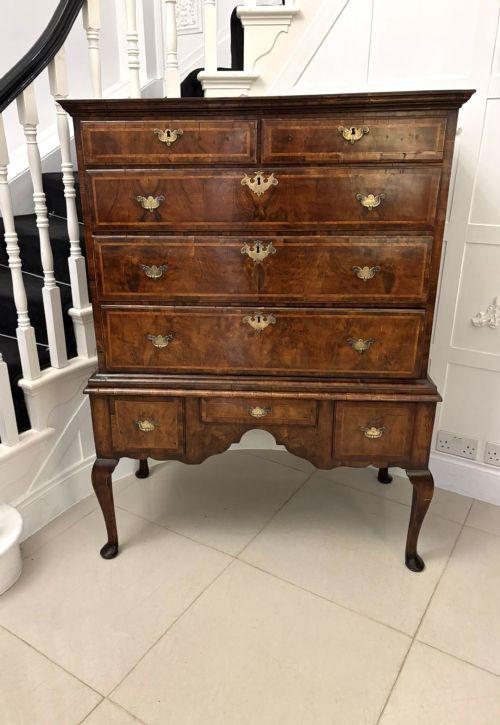
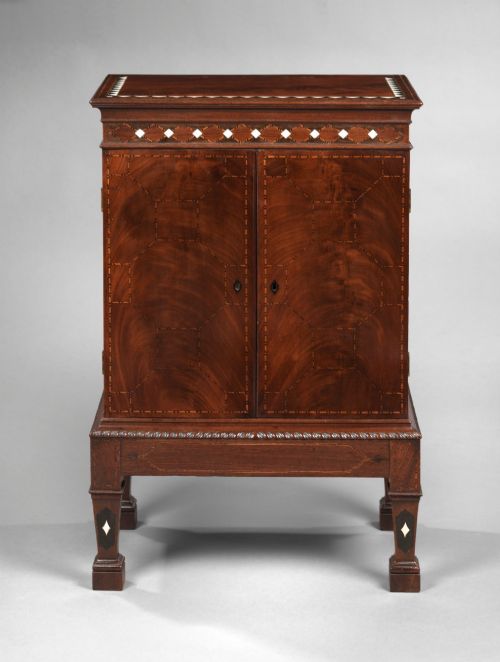
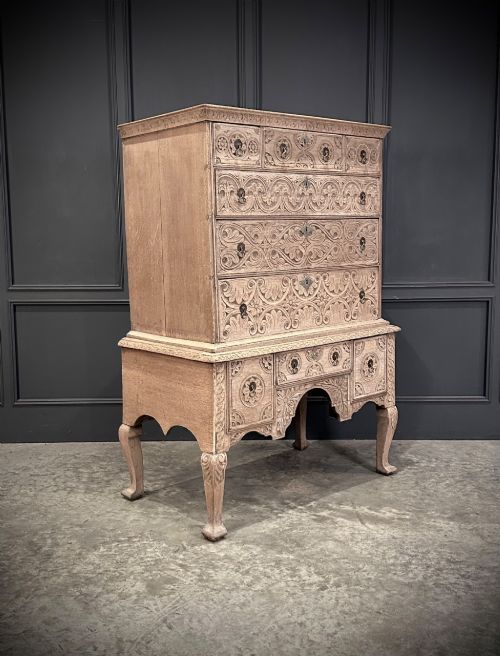
An 18th century chest on stand combines upper drawer storage with a raised frame, offering proportion and presence.
18th Century Chest on Stand
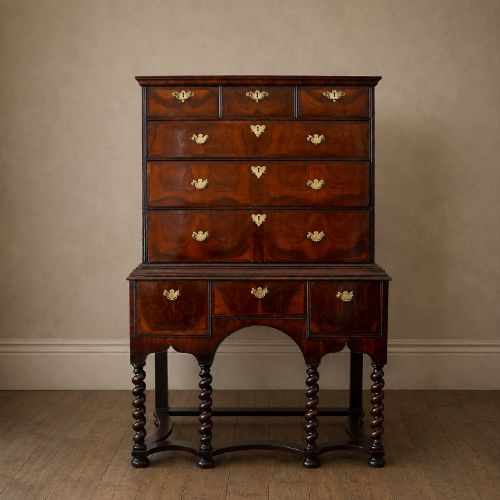
The 18th century chest on stand brings together a main bank of drawers resting on a separate supporting base with legs, typically designed to elevate the storage to a more accessible height. Buyers seeking this form encounter pieces from the 1700s, William and Mary, Queen Anne, and Georgian periods, showcasing varied regional and stylistic preferences.
Walnut, oak, and mahogany form the core of these constructions, often finished with distinctive decorative elements like burr walnut, paint finishes, marquetry, and banding. The combination of drawer configurations and supportive stands creates a striking vertical silhouette distinct from standard chests.
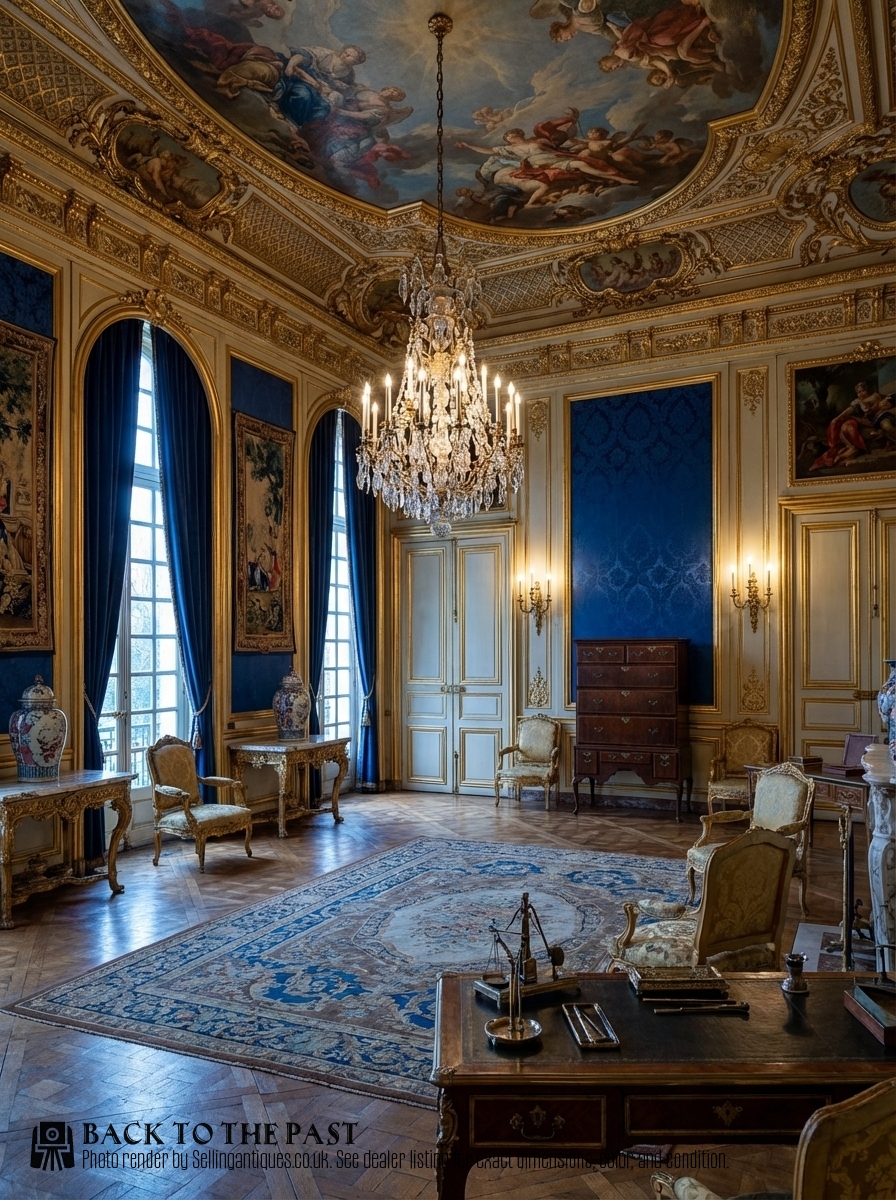
Assessing quality in construction and finish
Quality rests upon the selection of timber veneers and the crispness of the secondary treatments, such as marquetry, banded inlay, or Chinoiserie-Japanned decoration. The integration between the upper chest and its specific stand reveals the cohesion of the maker's original vision.
Subtleties in drawer lining, the retention of original brass hardware, and the integrity of finishes like distressed mottled blue or polished burr walnut dictate the standing of an individual piece.
18th Century Chest on Stand Retail Price Guide 2026
Typical asking prices for 18th century chest on stand among the pieces listed under this phrase on Sellingantiques today, from the lower quarter to the upper quarter. They describe what is for sale here now, not the wider market.
The 18th Century Chest on Stand Glossary
- Chest on stand
- A two-part furniture form featuring an upper chest of drawers mounted on a raised leg base. This design lifts the primary storage compartment off the floor.
- Burr walnut
- A prized timber veneer sourced from the abnormal growth knots of walnut trees. It yields complex, swirling grain patterns across drawer fronts.
- Japanning
- A European imitation of East Asian lacquerwork involving layered paint and varnish. This technique creates glossy dark surfaces decorated with raised motifs.
- Bun feet
- Rounded, flattened wooden feet shaped like small buns. They commonly support the lower rails of early stands and cabinets.
- Banding
- A narrow strip of contrasting wood veneer inlaid around the edges of drawer fronts. This framing technique highlights the primary panel timbers.
18th Century Chest on Stand: Frequently Asked Questions
What is an 18th century chest on stand?
An 18th century chest on stand is a two-section furniture piece combining a drawer chest set atop a low table or stand with legs. It provides elevated storage while occupying minimal floor space.
This form emerged strongly during the late seventeenth and early eighteenth centuries, evolving through Queen Anne and Georgian stylistic phases. The separation into two parts allowed easier transport of heavy timber furniture.
How were these cabinets used historically?
These pieces served primarily for storing clothing, linens, and valuables in domestic chambers and private closets. The raised height kept contents away from cold, damp floors.
Collectors cabinets and drawer chests on stands also housed precious items, documents, and collections. Their formal presence suited reception rooms as well as private bedchambers.
Which woods are most common?
Walnut is the predominant primary timber seen in finer examples, often featuring figured grain or burr walnut veneers. Oak is frequently encountered in provincial pieces and internal drawer carcases.
Mahogany, elm, and yew wood also appear across different regional workshops. Secondary woods like oak and pine provide structural stability inside the drawer assemblies.
How do I identify the period?
Stylistic markers such as cabriole legs, bun feet, and specific brass drop handles help distinguish periods. William and Mary and Queen Anne examples often display rich walnut veneers and shaped skirts.
Later Georgian interpretations lean towards mahogany or provincial oak construction with simpler stand geometries. Comparing hardware configurations and leg profiles clarifies the era of manufacture.