

18th Century Cherub
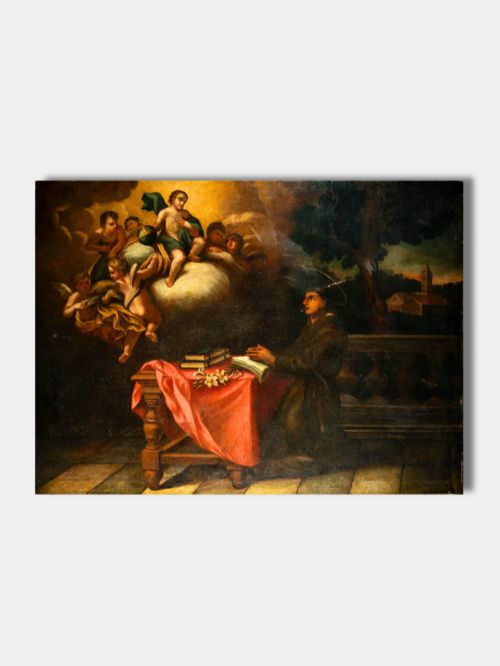
When searching for an 18th century cherub, collectors encounter carved wooden putti, porcelain figures, and oil paintings depicting winged celestial youths.
18th Century Cherub
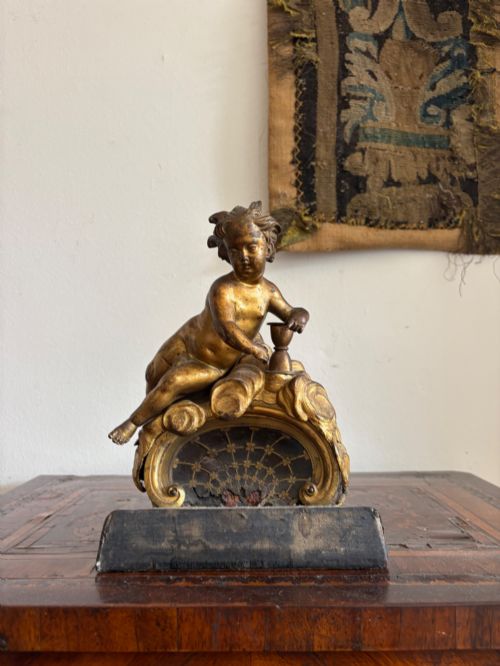
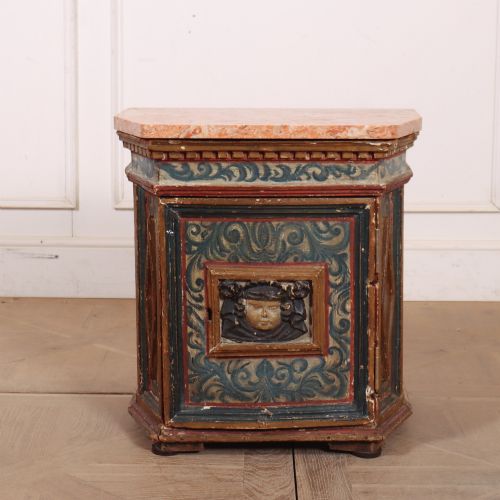
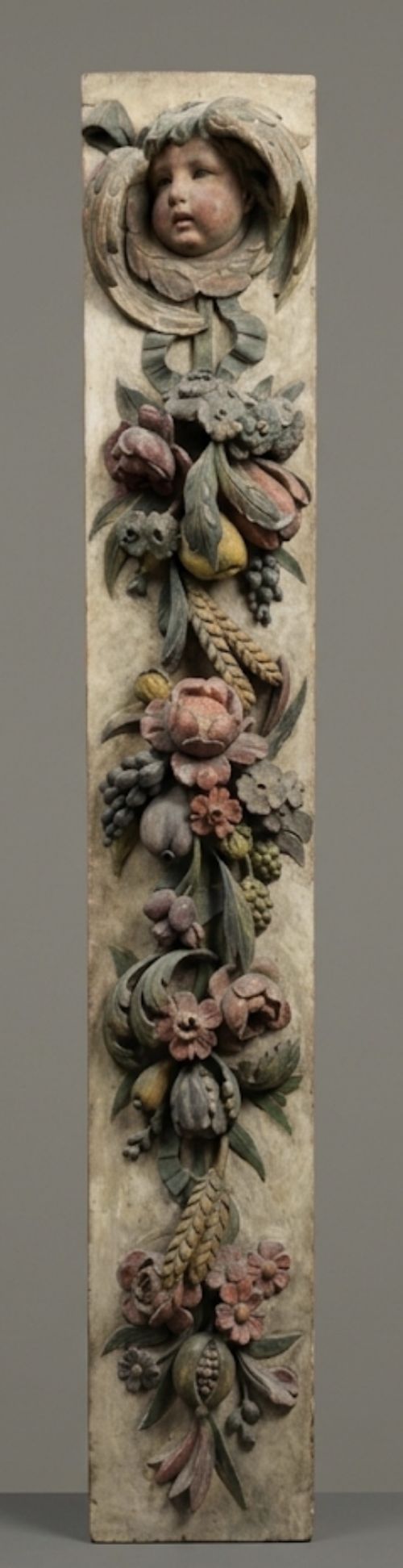
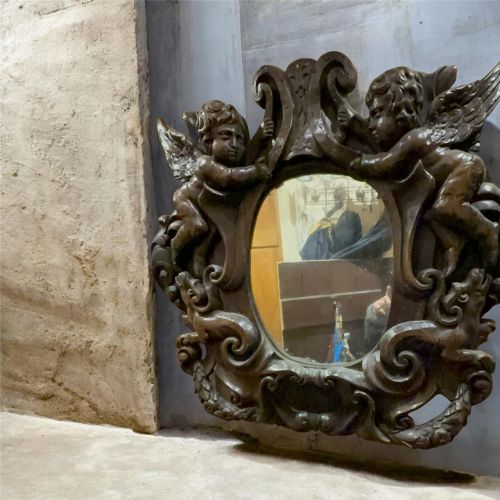
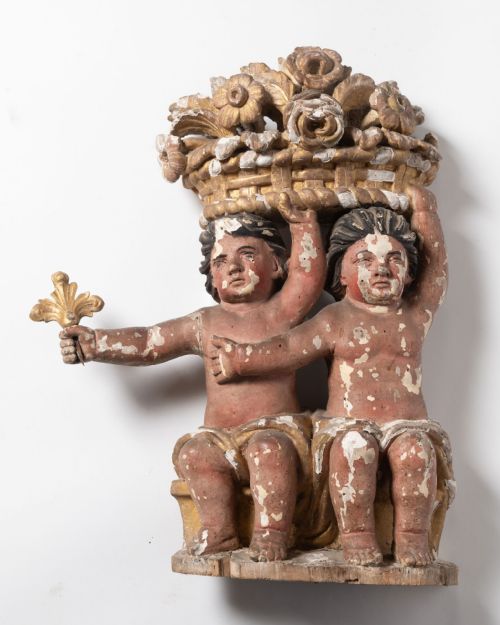
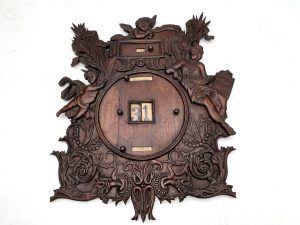
An 18th century cherub encompasses carved architectural timber ornaments, wall mirrors, giltwood brackets, and devotional plaques depicting winged putti. These representations draw directly from Baroque, Rococo, and Neoclassical vocabularies across English, French, Italian, and German workshops.
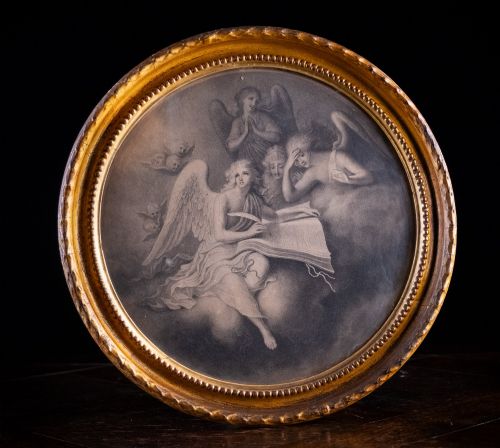
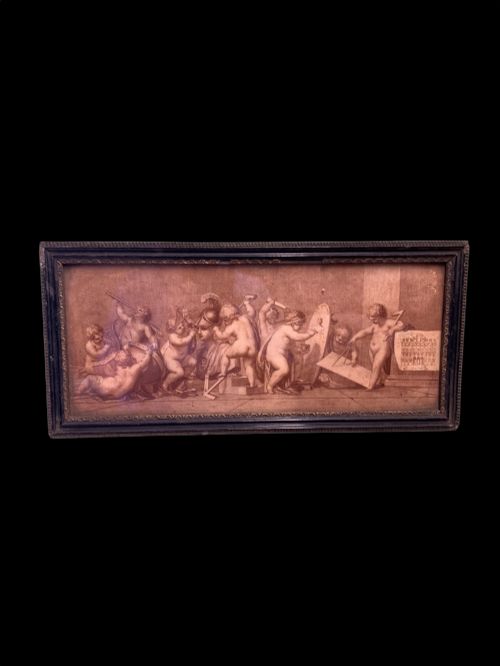
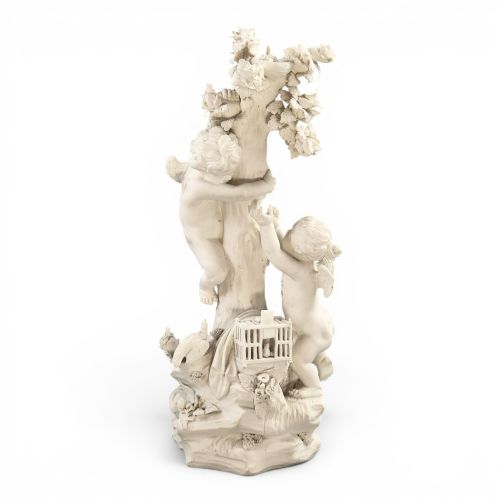
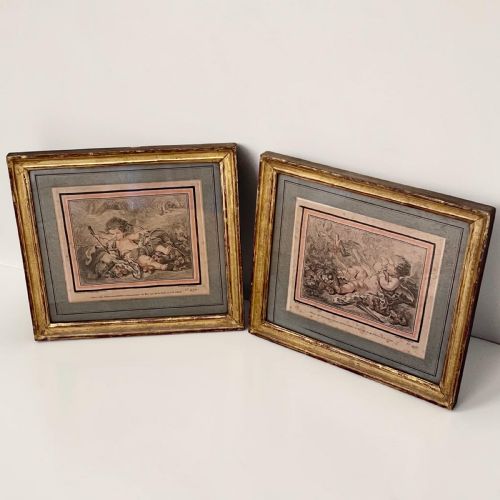
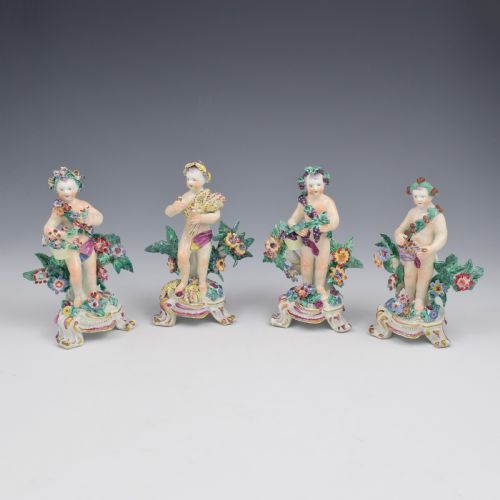
Buyers frequently meet solid oak architectural panels, giltwood carvings from Italy and France, and soft-paste porcelain figurines produced by factories like Bow, Chelsea, and Meissen. Engravings and oil paintings on canvas or panel also populate the category, recording celestial motifs in domestic and ecclesiastical settings.
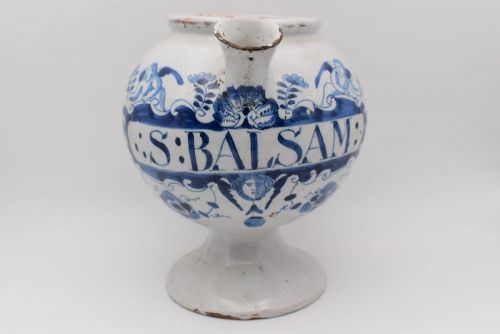
The material survival ranges from monumental ecclesiastical oak figures to domestic mirror frames and apothecary jars bearing painted decoration. Each piece reflects the decorative priorities of the seventeenth, eighteenth, and early nineteenth centuries.
How They Were Made
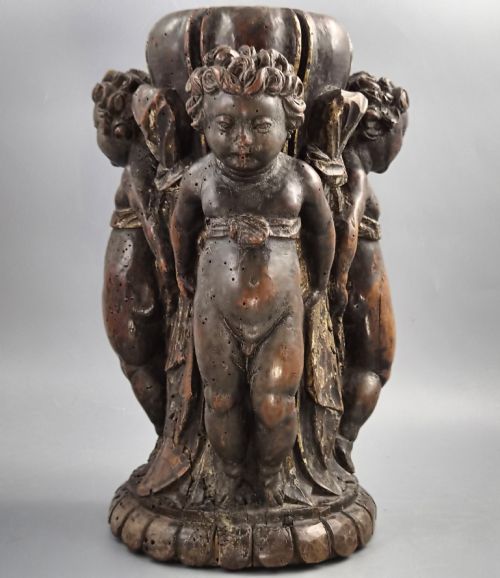
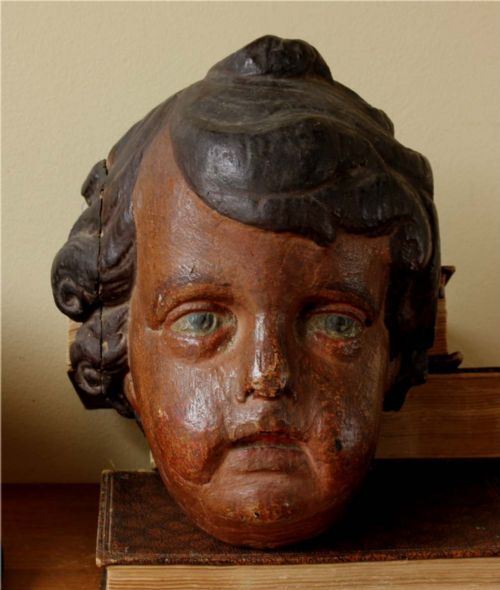
Carvers shaped solid oak, walnut, lime wood, and pine using gouges and chisels, frequently applying gesso, gold leaf, or polychrome paint directly to the timber surface. Architectural elements often relied on lime wood or oak, allowing intricate undercutting for wings and drapery.
Ceramic figures required soft-paste or hard-paste porcelain bodies fired in kilns, then hand-painted with enamels or left in biscuit form as seen in Derby productions. Engravers utilised copper plates and paper sheets, sometimes applying hand-colouring or mounting the works beneath glass frames.
The inventory records regional craftsmanship originating from English, French, Italian, German, Spanish, and Dutch workshops.
What Varies In Quality
Sculptural depth and anatomical confidence separate accomplished carvings from simpler provincial work. Master carvers rendered musculature, feather articulation in wings, and facial expressions with high naturalism, whereas lesser pieces display rigid forms and shallow tool marks.
Surface preservation dictates overall integrity, particularly regarding original giltwood, polychrome paint, and untouched patination on walnut and oak. Pieces retaining their primary gilding or early paint layers command stronger interest than those stripped or heavily overpainted in later centuries.
The 18th Century Cherub Glossary
- Putto
- A plump, naked male child figure frequently depicted with wings in classical and religious art. These figures populate panels, mirrors, and porcelain groups.
- Giltwood
- Timber treated with a thin layer of gold leaf over a prepared gesso ground. This technique created opulent reflective surfaces for mirrors and architectural brackets.
- Polychrome
- The practice of decorating surfaces with multiple colours of paint. It appears frequently on carved wooden statues and panels.
- Albarello
- A cylindrical earthenware jar used in pharmacies for holding ointments and drugs. Many examples feature painted tin-glaze decoration.
- Camaieu bleu
- A monochrome painting executed entirely in shades of blue. This technique often appears on eighteenth-century French porcelain and works on paper.
18th Century Cherub: Frequently Asked Questions
What is an 18th century cherub?
An 18th century cherub refers to sculptural and painted representations of winged celestial youths produced across Europe during the Georgian era and continental equivalents.
These pieces include carved timber architectural fragments, porcelain figures, oil paintings, and engravings reflecting Baroque and Rococo tastes.
How were wooden cherubs used?
Wooden cherubs served primarily as architectural ornaments, integrated into wall panels, overmantels, mirror frames, and ecclesiastical furniture.
Carvers also produced freestanding figures, torchiere bases, and decorative brackets designed to accent grand domestic and religious interiors.
How do I care for antique carved wood?
Antique carved wood requires stable indoor humidity and protection from direct sunlight to prevent timber shrinkage and cracking.
Dusting should be performed gently with a dry, soft brush, avoiding chemical polishes that might damage original gesso or paint surfaces.
How do I identify porcelain figures?
Porcelain figures can be identified by examining the paste composition, glaze characteristics, and underglaze factory marks where present.
Stylistic markers and modelling techniques typical of factories such as Bow, Chelsea, and Meissen help establish attribution and approximate date.