





18th Century Chalice
An 18th century chalice brings centuries of ritual and domestic dining history to the table through enduring silver, glass, and wood.
18th Century Chalice
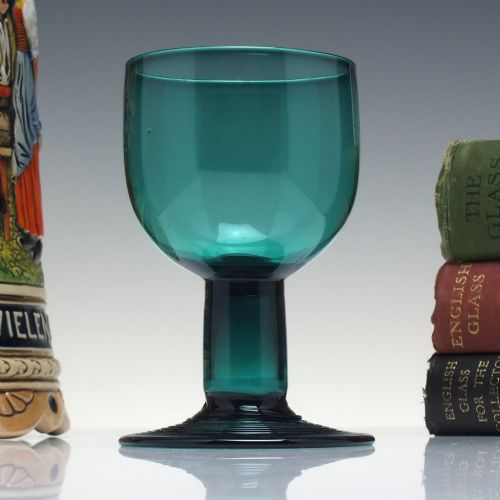
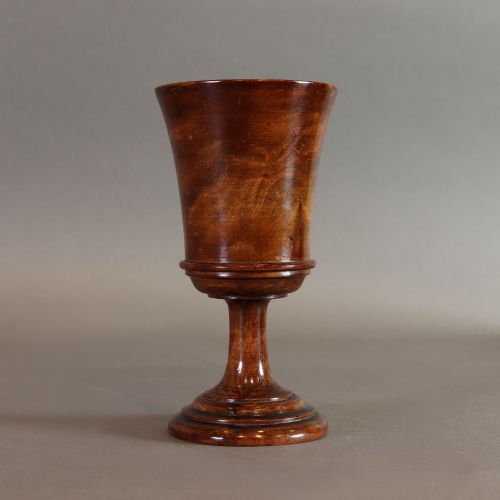
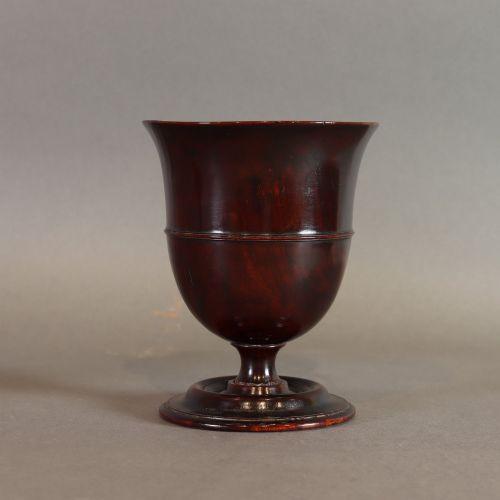
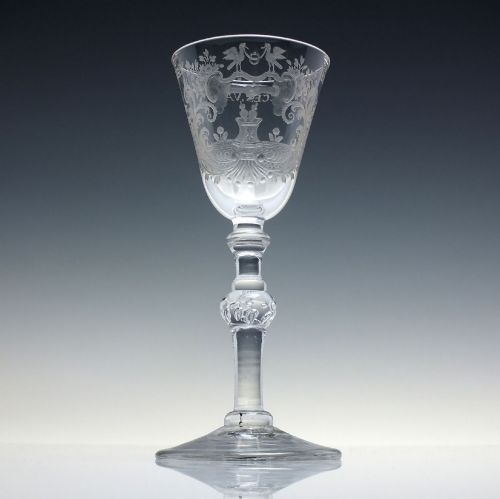
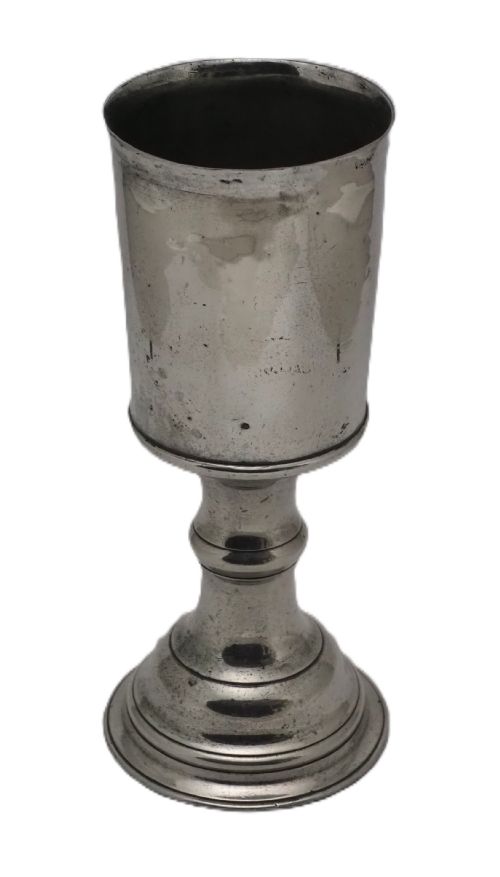
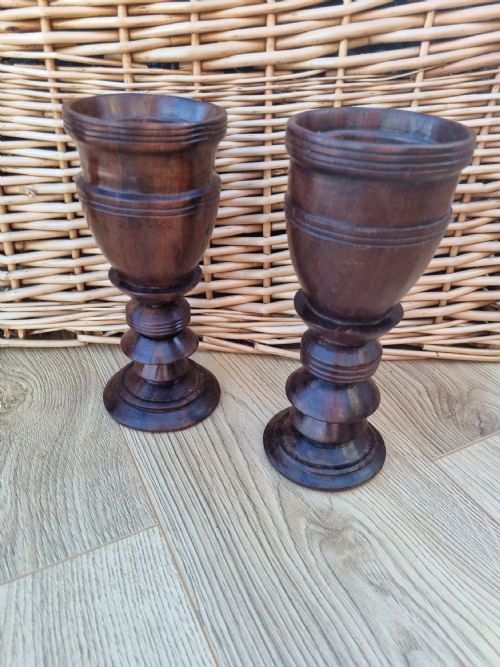
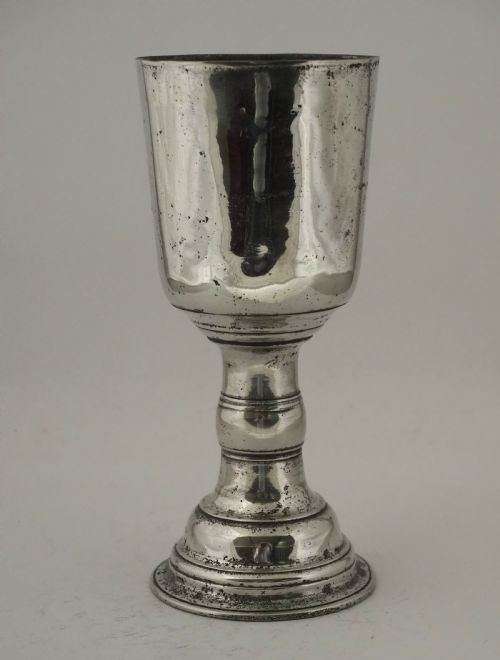
When you search for an 18th century chalice, you enter a diverse group of drinking vessels, goblets, and cups spanning the Georgian era and continental Europe. These pieces range from ecclesiastical pewter chalices to domestic silver wine goblets and substantial treen drinking vessels carved from hardwoods like lignum vitae and walnut.
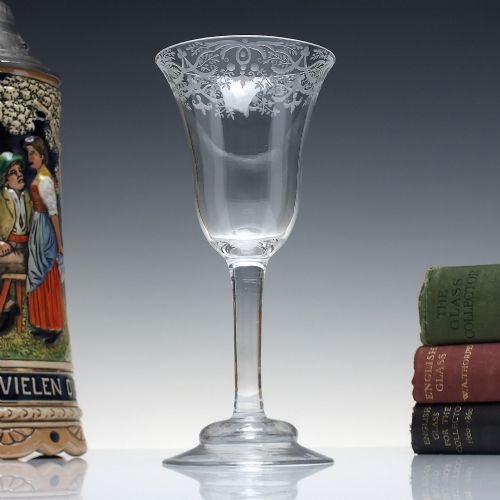
You are most likely to encounter glass wine glasses and heavy goblets featuring plain stems, baluster forms, or delicate engravings, alongside British and Irish silver cups. Pewter examples from the middle of the eighteenth century also appear, often retaining maker marks or specific liquid capacities.
The category bridges formal ecclesiastical silver and secular dining table ware, reflecting the varied social and religious habits of the period. Forms shift from heavy balustroid glassware to refined George III silver with vase-shaped bodies and bright-cut engraving.
Materials and construction methods
Makers utilised clear lead glass and hand-blown glass methods to shape wine glasses and goblets, incorporating air twists, corkscrew 2-ply twists, and plain stems. Glass vessels often display honeycomb or nut moulding from continental workshops, particularly in Liege.
Metal vessels combine sterling silver, old Sheffield plate, bronze, and pewter, shaped through casting, hammering, and fine engraving. Silver pieces frequently feature vase-shaped bodies or bright-cut decoration, while pewter and bronze examples rely on heavy-walled casting for durability.
Treen chalices and pedestal goblets demonstrate wood-turning techniques on dense hardwoods such as lignum vitae and walnut. These wooden drinking vessels harness the natural grain of the timber to provide structural strength without metal reinforcement.
Some eighteenth-century drinkers enjoyed their wine from carved lignum vitae cups, proving that wood makes a surprisingly sturdy companion for toasts.
Distinctions in craftsmanship and survival
Quality rests in the crispness of the cutting, engraving, and moulding, whether on the facets of a lead glass stem or the bright-cut surface of a silver cup. Superior pieces maintain their original balance and proportion, showing minimal wear to high points on handles, stems, and bases.
The integrity of the material dictates the standing of each piece, from the clarity and weight of clear lead glass to the dense, unwarped grain of turned hardwood treen. Pewter and silver items demonstrate mastery through clean casting lines and legible maker stamps.
Thomas Sutton
The 18th Century Chalice Glossary
- Baluster
- A swelling, vase-like architectural column form used in glass stems to give weight and grip. This design draws inspiration from seventeenth-century balustrade pillars.
- Bright-cut
- A method of engraving using a faceted graving tool that leaves bright, light-reflecting cuts in silver. It creates sharp geometric and floral patterns popular in the Georgian period.
- Treen
- Small handmade wooden household objects and utensils turned on a lathe. The term derives from the old English word for tree.
- Old Sheffield Plated
- A composite material made by fusing a thin layer of silver to a thicker copper base. It was developed in the eighteenth century to offer silver goods at lower costs.
- Pewter
- A malleable metal alloy consisting primarily of tin mixed with copper and antimony. It was widely used for sturdy domestic and ecclesiastical vessels.
18th Century Chalice: Frequently Asked Questions
How do I clean an antique silver chalice?
Wash silver pieces gently in warm water using mild soap, drying them immediately with a soft cloth to protect the surface. Avoid abrasive polishes that can wear away historic engraving and thinning plate.
Store them in a dry environment away from direct sunlight and dampness. Proper care preserves the metal and prevents tarnish build-up without harming the original finish.
Were these chalices used for drinking or church services?
These vessels served both domestic dining and religious rituals depending on their material and origin. Pewter and heavy silver examples often fulfilled ecclesiastical roles, while glass and treen pieces graced secular dining tables.
Many glass goblets and silver cups functioned as marriage or toast chalices for special occasions. Their diverse capacities and forms reflect varied historical uses across households and parishes.
How can I tell a plain stem glass from a baluster?
Plain stem glasses feature a straight, uniform cylindrical stem without nodes, air bubbles, or decorative swellings. They typically date from the middle of the eighteenth century and rely on simple elegance.
Baluster stems incorporate thickened, swelling profiles that echo architectural pillars. This heavier construction often adds substantial weight to the lower portion of the drinking vessel.
What is the difference between silver and old Sheffield plate?
Sterling silver consists of solid precious metal marked by standardised fineness and durability. It carries distinct weight and develops a soft patina over centuries of handling.
Old Sheffield plate comprises a thin layer of silver fused to a copper core. Close inspection of edges or worn spots often reveals the underlying copper showing through.