



18th Century Ceramic Figures
These 18th century ceramic figures bring the theatre of the Georgian interior onto the collector's table through modelled porcelain and earthenware.
18th Century Ceramic Figures
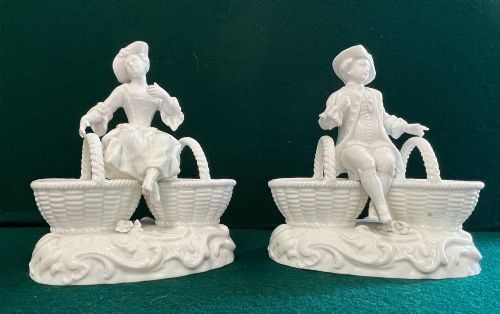
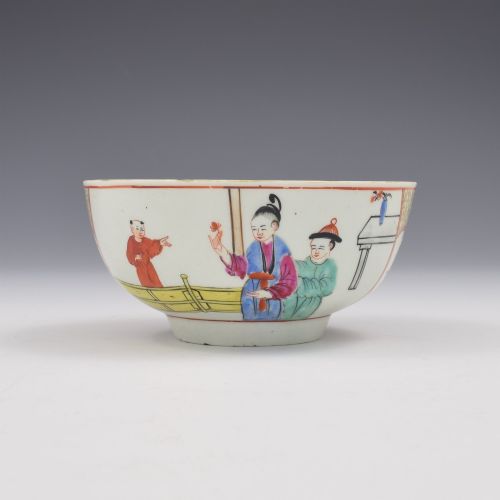
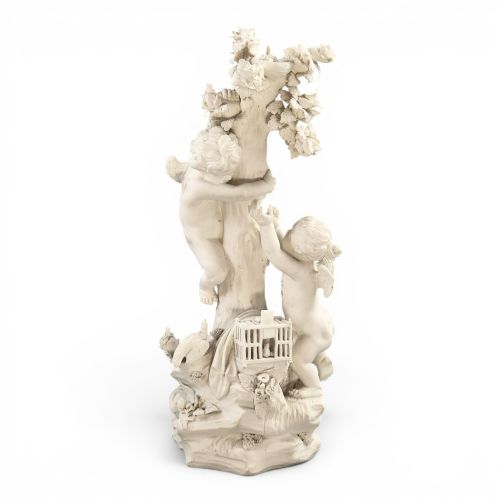
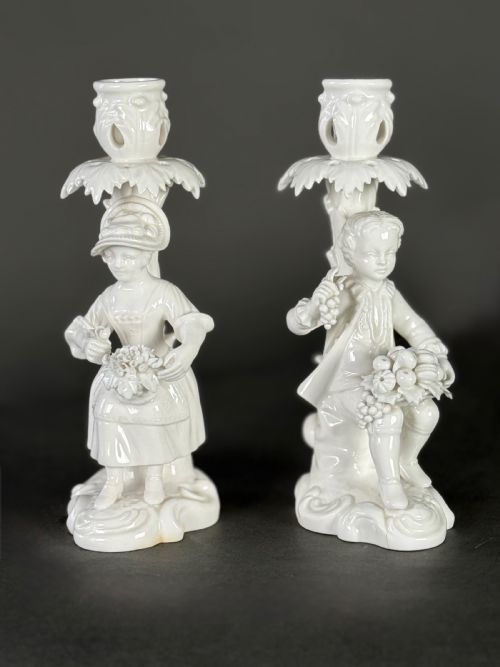
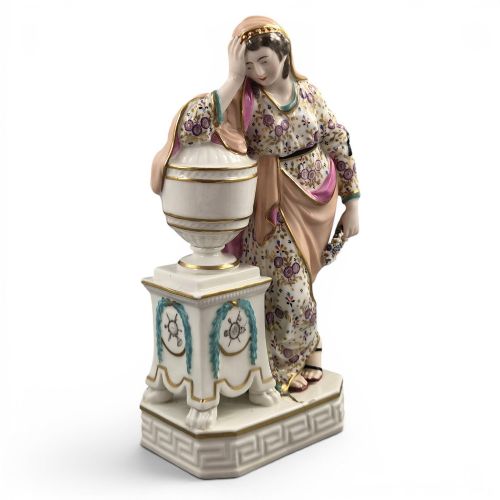
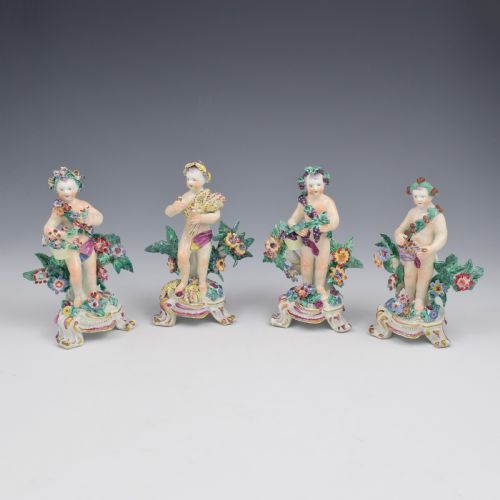
When searching for 18th century ceramic figures, collectors encounter modelled representations of mythological subjects, allegories such as the seasons, animals, and human characters ranging from street traders to pastoral gardeners.
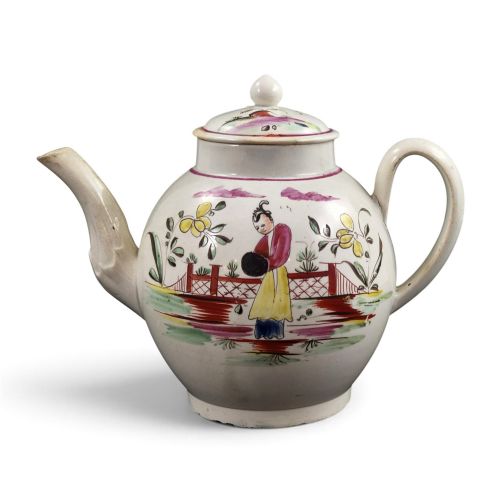
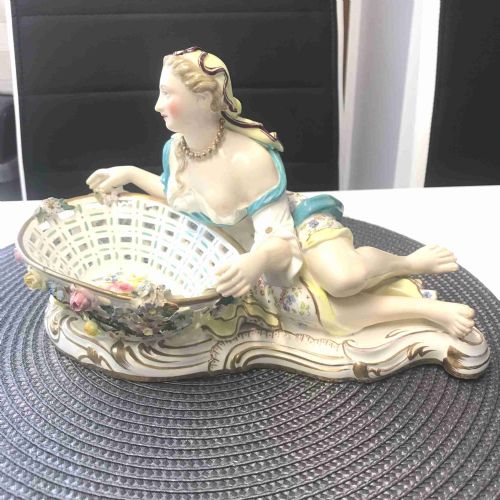
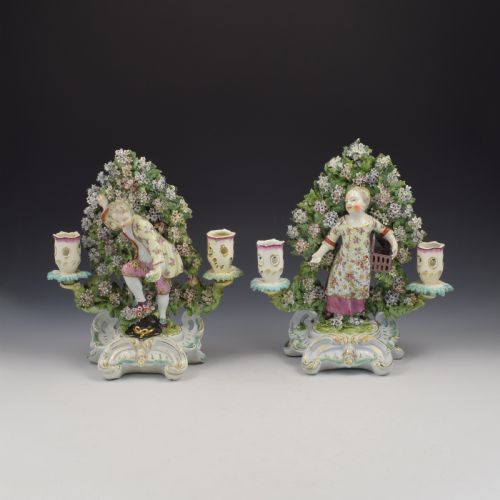
The objects recorded in the evidence divide broadly between independent sculptural figurines and functional items decorated with modelled figures, including candlesticks, scent receptacles, and sweet baskets.
Derby, Bow, and Meissen dominate the forms seen on this page, reflecting the principal European porcelain factories that produced these decorative pieces during the Georgian period.
How they were made
Makers utilised soft-paste and hard-paste porcelain, alongside biscuit porcelain left unglazed to emphasise the purity of the modelled surface and details like facial expressions.
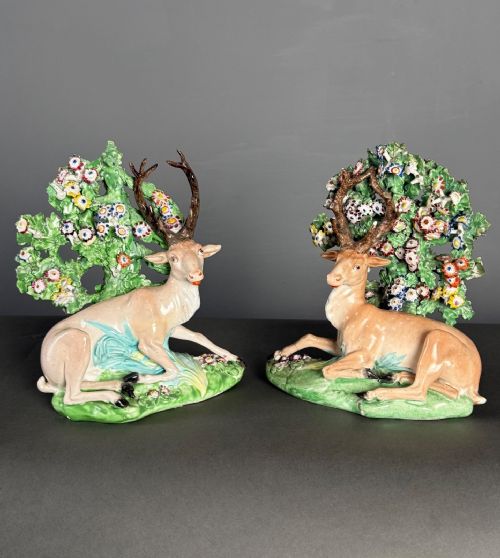
Craftsmen applied enamel colours, gilding, and gold leaf by hand over or under the glaze, often adding delicate bocage backgrounds made of applied porcelain foliage to frame the figures.
The documented forms range from large pairs of recumbent stags to small allegorical representations of the four seasons.
What varies in quality
The finesse of the original model dictates the success of a piece, separating crisp, spirited depictions of figures like bagpipers or stags from softer, secondary pressings.
The survival of intricate modelled elements, such as delicate flower petals, fingers, and leafy bocage backgrounds, distinguishes well-preserved examples from heavily restored pieces.
Meissen·Derby·Bow·Longton Hall·La Coutille Factory
The 18th Century Ceramic Figures Glossary
- Bocage
- An applied background of porcelain leaves and branches that frames figurative groups. This leafy screen is characteristic of mid-eighteenth-century Derby and Bow figures.
- Biscuit porcelain
- Fired unglazed porcelain that possesses a matte, marble-like finish. This material gained popularity for neoclassical figures because it highlights fine sculptural details.
- Soft-paste porcelain
- A ceramic composition made from glass paste and white clays rather than hard-paste materials. It was widely used in eighteenth-century English factories before true hard-paste porcelain recipes were perfected.
- Putto
- A representation of a plump, naked infant, often winged, derived from classical art. These figures frequently appear in sets representing the seasons or allegorical themes.
- Patch mark
- A small unglazed scar on the underside of a porcelain figure left by the kiln supports during firing. These marks help date early Derby pieces.
18th Century Ceramic Figures: Frequently Asked Questions
What are ceramic figures from this period?
These pieces are three-dimensional ceramic sculptures produced by European factories to decorate mantelpieces and tables.
They depict mythological characters, allegories, animals, and pastoral workers in tinted and glazed porcelain.
How were these figures used originally?
Wealthy households displayed them as decorative ornaments in formal rooms during dinner parties and social gatherings.
Some examples also functioned as candlesticks or sweet baskets, combining sculpture with utility.
How do I care for antique porcelain?
Keep porcelain figures away from direct sunlight and areas subject to sudden temperature fluctuations.
Dust them gently with a soft dry brush and avoid washing pieces that feature delicate applied leaves or old enamel.
How do I identify a factory?
Look at the paste, the glaze, and any painted or impressed marks on the underside of the base.
Different factories employed distinct modelling styles, such as the leafy bocage typical of early Derby production.