



18th Century Ceramic Cherubs
These 18th century ceramic cherubs, putti, and angels bring sculptural grace and hand-painted detail to any room.
18th Century Ceramic Cherubs
When searching for 18th century ceramic cherubs, collectors encounter an array of figures, putti, and apothecary items drawn from Georgian and continental traditions. The pieces here span soft-paste porcelain, earthenware, and tin-glazed vessels, reflecting the widespread European fascination with classical winged figures during the Georgian period.
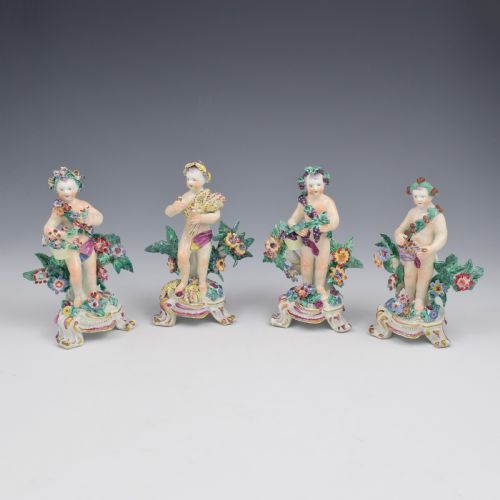
Most selections feature porcelain figures and decorative apothecary jars adorned with cherubic motifs, alongside devotional plaques and candlesticks. These objects range from English factory production at Bow and Chelsea to continental works from Meissen and Marseille, capturing allegorical themes such as the seasons and the elements.
Materials and methods
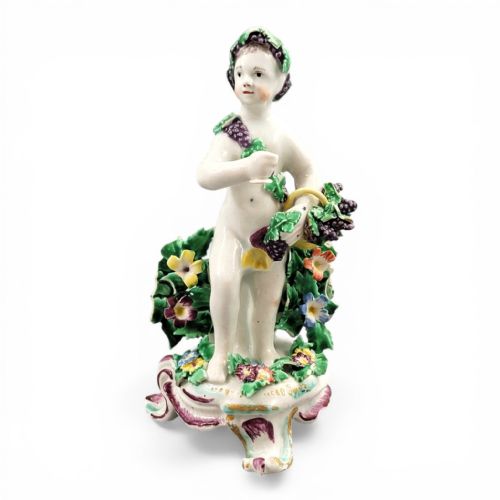
The material palette relies heavily on soft-paste porcelain, earthenware, and tin-glazed bodies, often enhanced with enamel colours and gold leaf highlights. Potters shaped these ceramic cherubs using moulds and hand-modelling techniques, before applying tin glaze or enamel paints to create the finished surface.
Factories such as Meissen, Bow, and Chelsea utilised specialised kilns and mineral pigments to achieve the distinct glazes seen on these figures and drug jars. Artisans then refined the details by hand, adding delicate facial expressions and garments appropriate to Rococo and Baroque styles.
Several cherubs hold tricorne hats or disguise themselves as other figures, proving that even celestial beings enjoyed a spot of dressing up.
Judgements of quality
The articulation of wings, drapery, and anatomical details indicates the skill of the modeller, particularly in works associated with notable figures like Johann Joachim Kändler. Preservation of original polychrome decoration and gilding further separates standard production from superior examples.
Derby·Bow Porcelain·Chelsea·Meissen·Veuve Perrin·Johann Joachim Kändler
The 18th Century Ceramic Cherubs Glossary
- Putto
- A plump, naked male child figure often depicted with wings, frequently found in Renaissance and Baroque art. These figures appear widely in porcelain and earthenware across the listings.
- Albarello
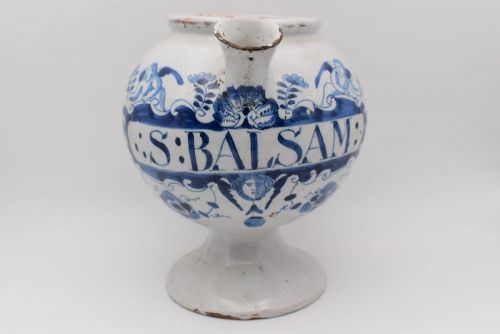
- A type of majolica earthenware jar used by apothecaries to store ointments and drugs. Many examples feature decorative labels alongside cherub motifs.
- Soft-Paste Porcelain
- A ceramic material composed of white clay and glass frit, fired at lower temperatures than hard paste. English factories such as Bow utilised this body extensively in the eighteenth century.
- Tin Glaze
- An opaque white glaze containing tin oxide, providing a smooth surface for hand-painted decoration on earthenware vessels. This technique defines tin-glazed pieces like Delftware and faience.
- Biscuit
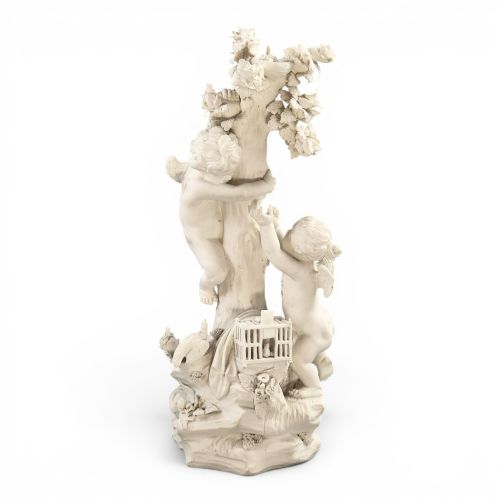
- Unglazed porcelain fired once to a porous state, valued for its matte, marble-like finish. Figures from Derby frequently employ this technique to highlight sculptural form.
18th Century Ceramic Cherubs: Frequently Asked Questions
How do I identify 18th century ceramic cherubs?
Examine the paste, glaze characteristics, and modelling style to determine origin and period. Soft-paste porcelain and tin-glazed earthenware provide primary clues through their weight and surface texture.
Look for hand-painted enamel details and stylistic conventions typical of Rococo or Georgian design. Comparing the piece to documented factory models helps confirm attribution.
Where were these figures and jars made?
Production centres span England and continental Europe, with notable works originating from German, French, and Italian kilns. Major factories include Meissen in Germany and Bow and Chelsea in London.
Italian workshops produced tin-glazed albarelli, while French makers such as Veuve Perrin created painted plates featuring similar motifs.
How were apothecary jars used?
Apothecaries and pharmacists used albarelli and wet drug jars to store dry medicines, syrups, and herbal balms. The painted labels identified specific contents like balsam.
These vessels combined utility with decorative appeal, often incorporating cherubs and scrollwork into the pharmacy interior.
How should I display porcelain figures?
Place porcelain figures and candlesticks away from direct sunlight and high-traffic areas to protect fragile enamel colours and gold leaf. Stable, level shelving prevents accidental tipping.
Keep them in a clean, dust-controlled environment where their hand-modelled details remain easily visible.