




English Porcelain Bocage Figures
English porcelain bocage figures are charming, leafy sculptural groups of animals and children that bring genuine eighteenth-century character to a mantelpiece.
English Porcelain Bocage Figures
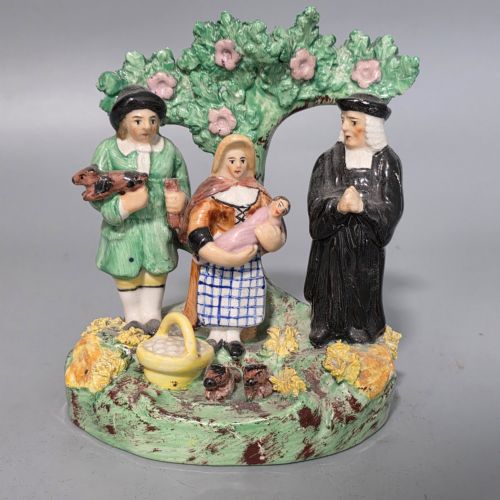
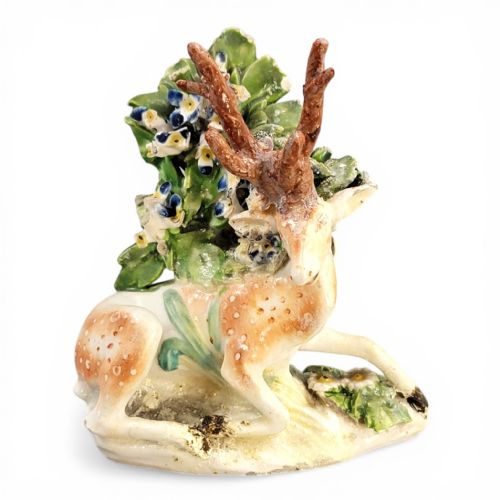
When you search for english porcelain bocage figures, you encounter sculptural ceramics framed by applied leafy foliage known as bocage. These pieces range from eighteenth-century Georgian pastoral figures and musicians to later nineteenth-century Staffordshire groups.
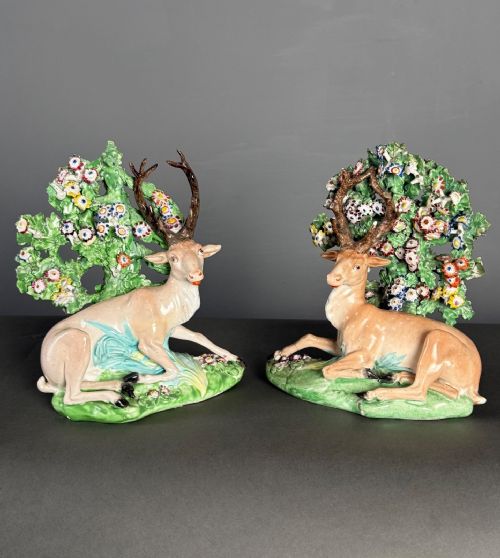
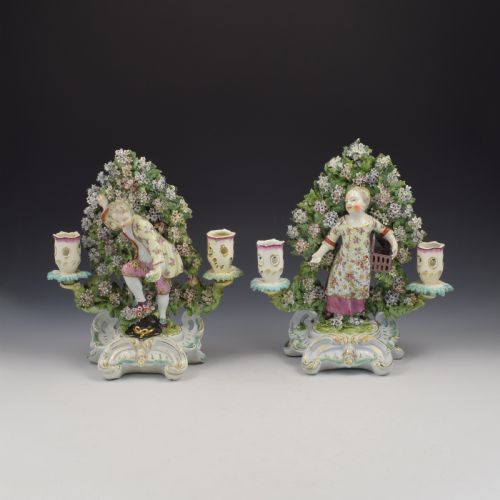
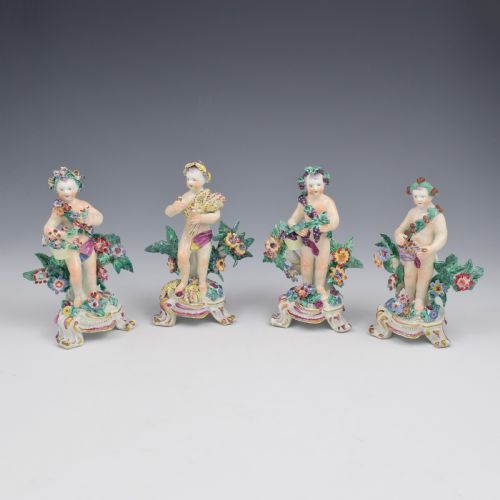
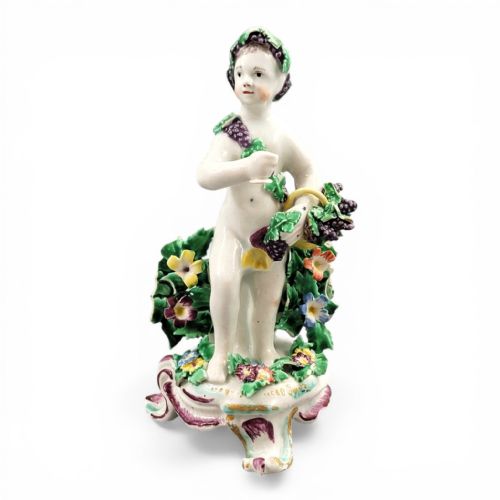
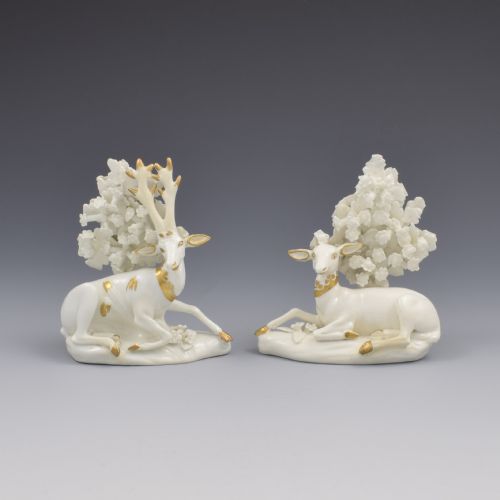
The selections span from early Bow allegorical putti and Derby stags to Bloor Derby pairs and candlestick figures. Many examples combine utility with display, serving as functional candleholders adorned with intricate floral and leaf backdrops.
Makers such as Derby and Bow dominate the offerings, spanning the soft-paste periods of the seventeen-fifties and sixties through to the early nineteenth century. Collectors find both single decorative figurines and balanced pairs designed for formal mantel display.
Materials and production methods
Potters shaped these figures primarily using soft-paste porcelain or earthenware, applying intricate hand-modelled leaves and flowers behind the central subjects. Artisans then painted the pieces with overglaze enamels and occasional gilding or gold leaf to highlight details.
The delicate bocage backgrounds required separate modelling and careful attachment before firing, making the surviving foliage a testament to early kiln mastery. Painters employed soft pastel hues to decorate the garments, animals, and naturalistic bases.
Listings feature soft-paste porcelain and earthenware from the Georgian and nineteenth-century periods, spanning Rococo styles.
Judging quality and execution
The depth of the palette and the precision of the gilding separate standard production pieces from finer cabinet examples. The complexity of the composition, particularly in multi-figure groups or combined candlestick forms, also dictates the standing of a piece.
Derby·Bow·Bloor Derby·Staffordshire
The English Porcelain Bocage Figures Glossary
- Bocage
- Applied ceramic foliage and leafy background work framing a sculptural figure. This decorative element mimics natural bowers and trees.
- Soft-Paste Porcelain
- An early artificial porcelain composition fired at lower temperatures than hard-paste. It possesses a warm, slightly creamy body ideal for soft enamel adhesion.
- Overglaze Enamel
- Mineral colours painted over the fired glaze and fixed in a second, lower-temperature kiln. This technique allows for a broad palette of bright surface hues.
- Putto
- A plump male child figure, often winged, depicted in classical or allegorical scenes. These figures frequently appear in sets representing the seasons.
- Patch-Mark
- Small circular unglazed blemishes on the underside of porcelain caused by the kiln supports. These marks help date eighteenth-century Derby pieces.
- Gold Leaf
- Very thin sheets of beaten gold applied to ceramic surfaces for decoration. It provides a rich metallic accent to robes and bases.
English Porcelain Bocage Figures: Frequently Asked Questions
What is bocage on antique porcelain?
Bocage is the applied ceramic foliage that curls around the back of figures to resemble leafy trees or bushes. It softens the composition and frames the central subject.
Potters attached these delicate clay leaves by hand before firing, making surviving undamaged foliage a key feature for collectors assessing condition and authenticity.
How do I date eighteenth century figures?
Dating relies on body paste characteristics, glaze appearance, and specific workshop marks such as patch marks or anchor symbols. Stylistic cues like Rococo curves also point to specific decades.
Comparing modelling numbers and enamel palettes against documented factory examples helps narrow the production period further.
Were these figures meant for lighting?
Many examples incorporate sockets behind the foliage to function as functional candlesticks while displaying pastoral scenes. Others were purely decorative cabinet pieces.
Candlestick variants often depict musicians or animals integrated around a central nozzle intended for taper candles.
How should I display porcelain figures safely?
Display these delicate ceramics in secure cabinets away from direct sunlight and heavy foot traffic vibrations. The fragile bocage leaves require stable environments to prevent accidental damage.
Ensure shelves are level and avoid placing pieces near heat sources that could stress the old soft-paste body.