

18th Century Carved Mirror
An 18th century carved mirror brings historical depth and reflective light to a room through centuries of craftsmanship.
18th Century Carved Mirror
When you search for an 18th century carved mirror, you look at wall-hung and pier glasses originating from British, French, Italian, Dutch and Irish workshops. These objects served both a practical purpose for personal reflection and a decorative function to amplify light in grand rooms.
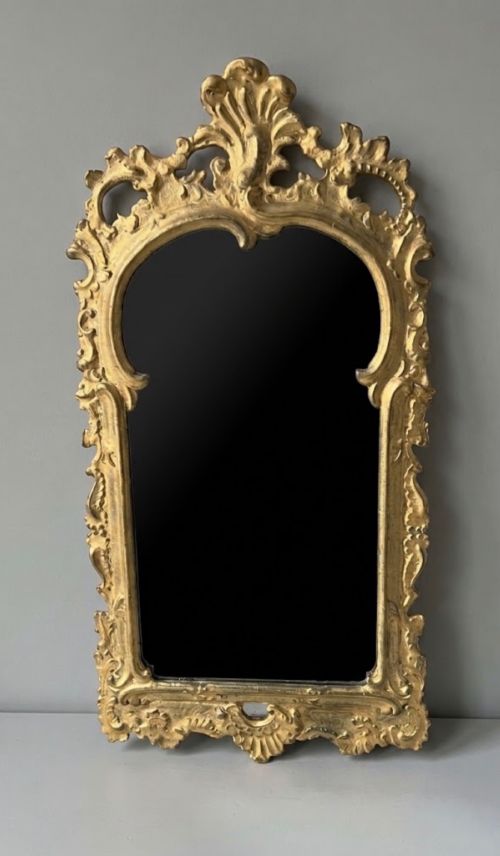
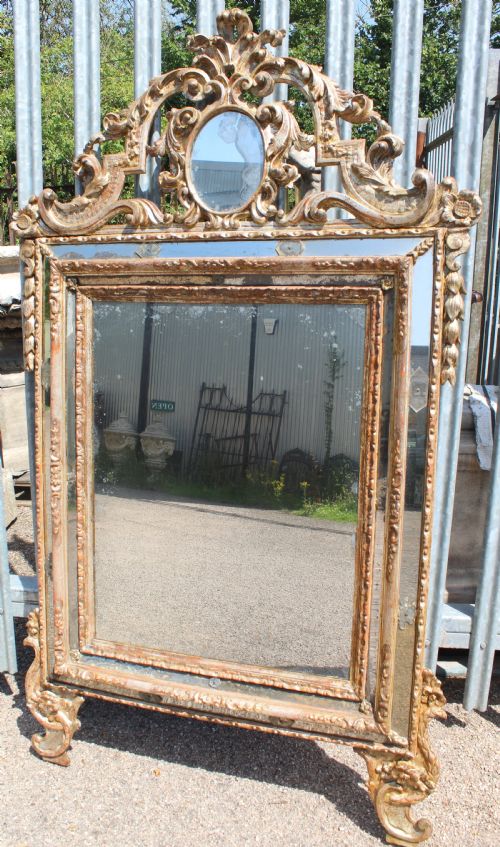
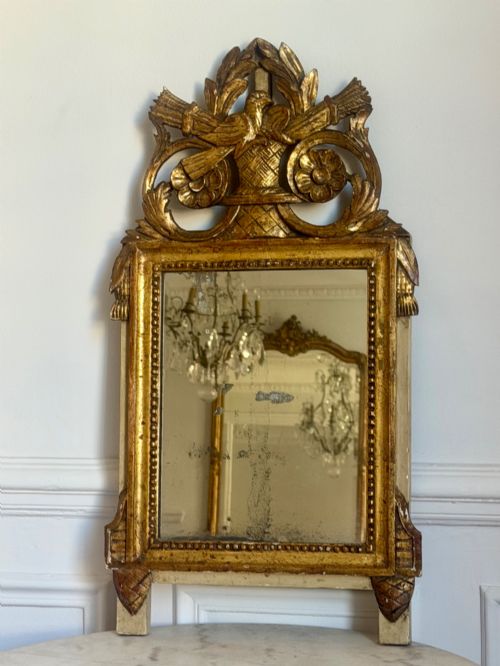
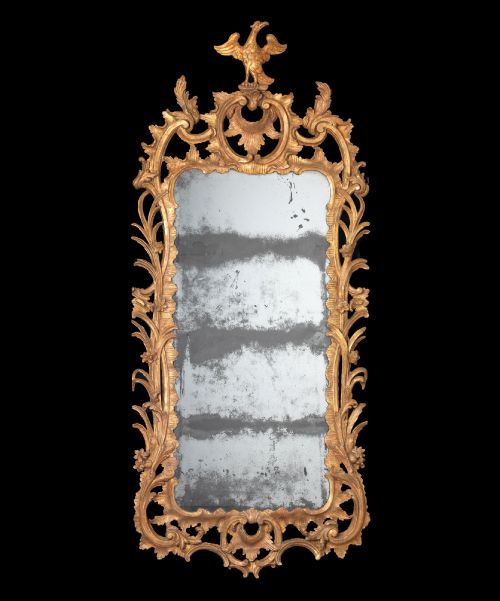
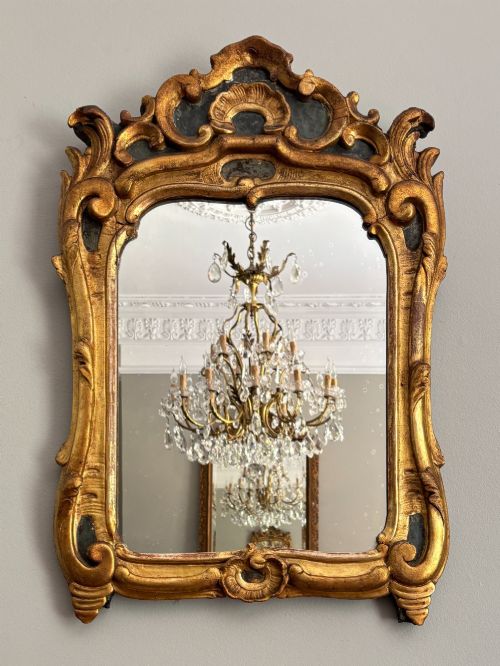
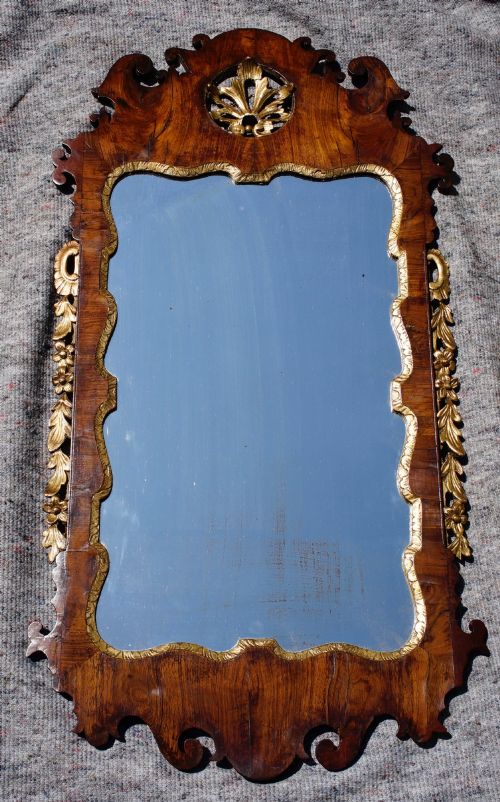
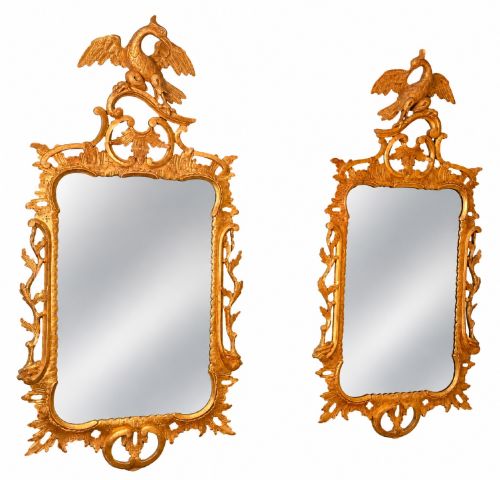
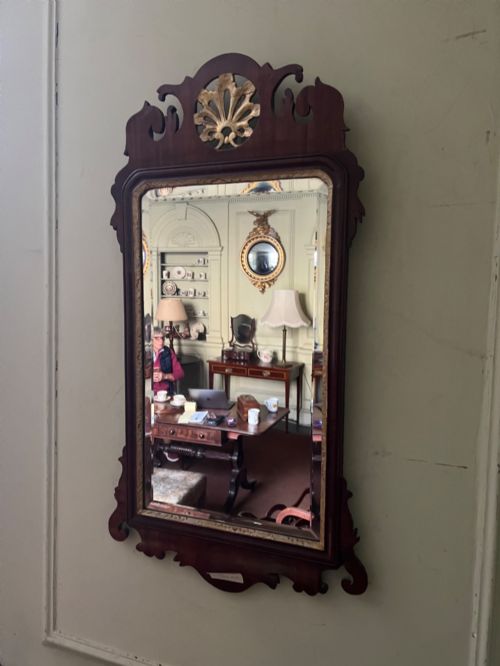
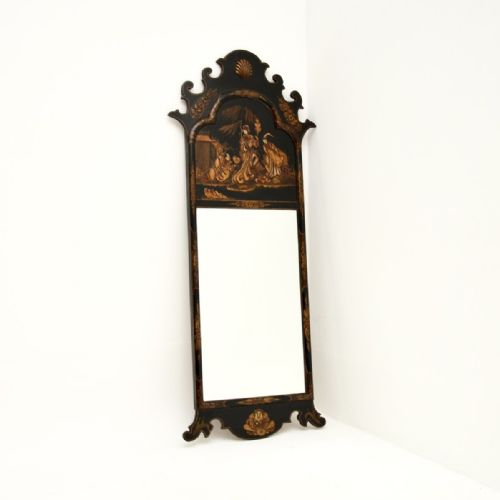
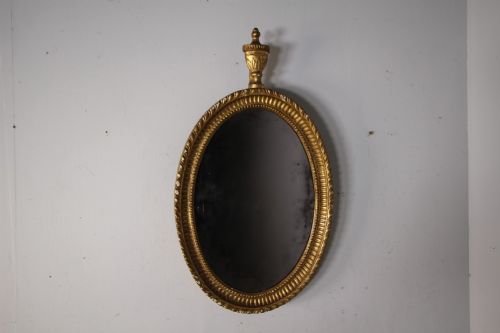
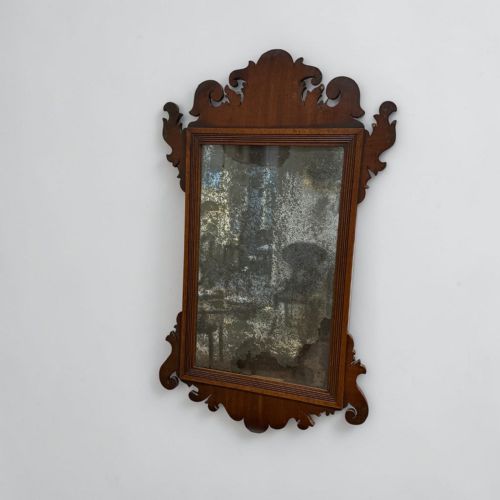
The version you are most likely to meet on this page is a carved giltwood wall mirror, frequently reflecting the decorative vocabulary of the Georgian period, French Rococo or Italian Baroque styles. Surviving examples encompass carved pine, oak, limewood and mahogany frames, often finished with gold leaf or gesso.
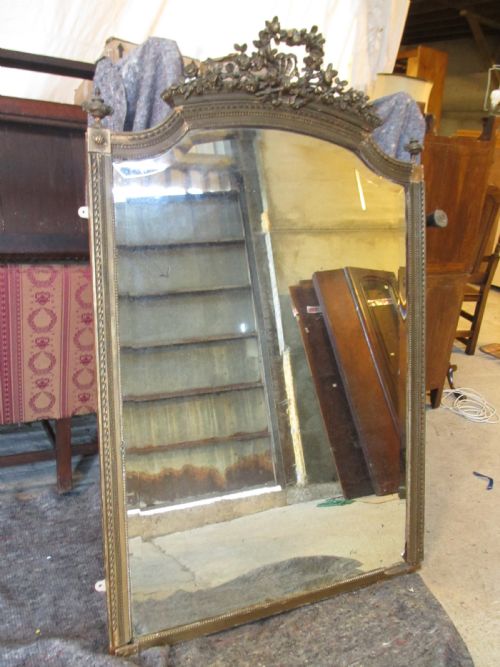
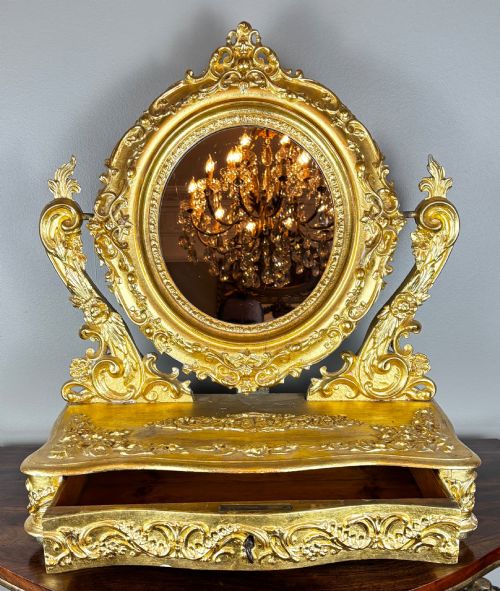
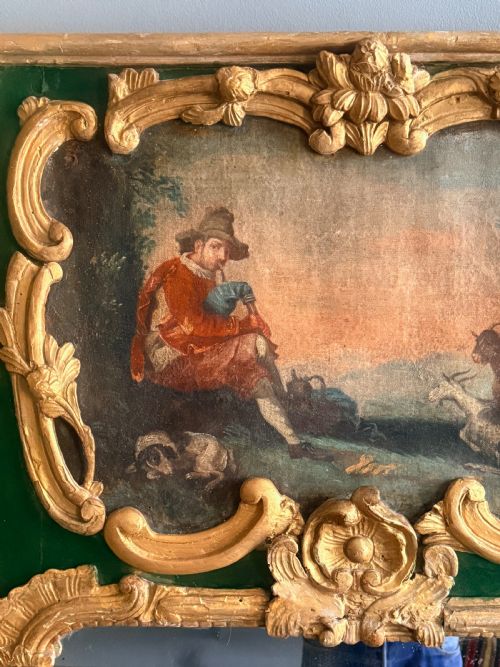
The historical record on this page shows pieces ranging from modest dressing mirrors to large overmantel frames and landscape formats. Many retain their original glass plates, which display the characteristic subtle distortions and soft reflectivity of older manufacturing methods.
How they were made
Craftsmen carved these frames from solid timbers including pine, oak, limewood, mahogany and other softwoods before applying surface treatments. Carving required meticulous hand work with gouges and chisels to achieve complex asymmetric Rococo scrolls, floral motifs or architectural moulding.
Once carved, many frames received layers of gesso - a mixture of chalk and glue - which provided a smooth, responsive ground for subsequent gilding. Artisans applied thin sheets of gold leaf over the gesso, burnishing selected areas to create contrast between matte and reflective surfaces.
18th Century Carved Mirror Retail Price Guide 2026
Typical asking prices for 18th century carved mirror among the pieces listed under this phrase on Sellingantiques today, from the lower quarter to the upper quarter. They describe what is for sale here now, not the wider market.
The archive records regional variations including French Rococo, Dutch Baroque, Italian Baroque and Chippendale styles across wall mirrors and pier glasses.
What varies in quality
The distinction between ordinary and exceptional examples lies in the depth, crispness and ambition of the woodcarving. Superior pieces display undercut foliage, dynamic movement and anatomical precision in figural elements, whereas lesser items rely on shallow relief and repetitive moulding.
The integrity of the original surface finish and mirror plate dictates the historical value of the piece. Retaining the original mercury or silvered glass plate and unpolished gold leaf elevates an object above those with modern replacement glass and stripped or heavily restored frames.
The 18th Century Carved Mirror Glossary
- Giltwood
- Wood that has been coated with gold leaf. This finish defines the majority of high-status wall mirrors from the period.
- Gesso
- A plaster-like preparation applied to wood frames. It acts as a smooth base layer for subsequent gilding or painting.
- Pier glass
- A tall mirror designed to hang on the wall between two windows. These pieces often matched console tables placed directly below them.
- Original plate
- The historic glass mirror insert housed within the frame. Its presence confirms the authenticity and untouched state of the object.
- Rococo
- An ornate artistic style characterised by asymmetry, C-scrolls and naturalistic plant motifs. It heavily influenced mid-century frames.
18th Century Carved Mirror: Frequently Asked Questions
How do I hang a heavy 18th century mirror safely?
These frames carry significant weight due to dense timber and plaster gesso construction. Secure the piece directly into structural wall studs using appropriate brackets.
Consult a professional art handler if the mirror exceeds standard domestic dimensions. Distribute the load evenly across multiple fixing points to protect the antique joinery.
Should I clean the original mirror plate?
Historic glass plates often exhibit foxing, dark spots and silver degradation that accumulate over centuries. Avoid modern chemical cleaners which can strip remaining silvering or damage surrounding gilt surfaces.
Use a dry microfiber cloth to remove dust gently. Accept surface wear as evidence of age rather than a defect requiring restoration.
How can I tell a Georgian mirror from a later copy?
Examine the construction methods visible on the reverse of the frame. Period pieces utilise hand-cut joinery, old fixings and timbers appropriate to the eighteenth century.
Look closely at the gesso layer and gold leaf application. Modern reproductions often show uniform machine tooling and synthetic finishes absent from genuine antiques.
What is the difference between a wall mirror and a pier glass?
Wall mirrors were produced in various shapes and sizes to hang freely across different rooms. Their dimensions depended entirely on aesthetic preference and domestic wall space.
Pier glasses were specifically proportioned to fill the narrow wall space between architectural windows. They frequently paired with matching console tables to create a cohesive interior scheme.