



18th Century Candle Sconce
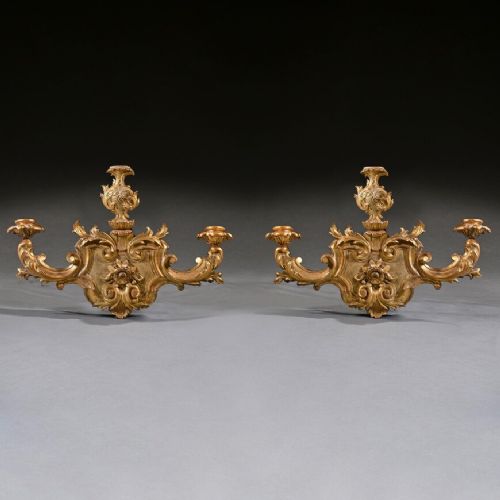
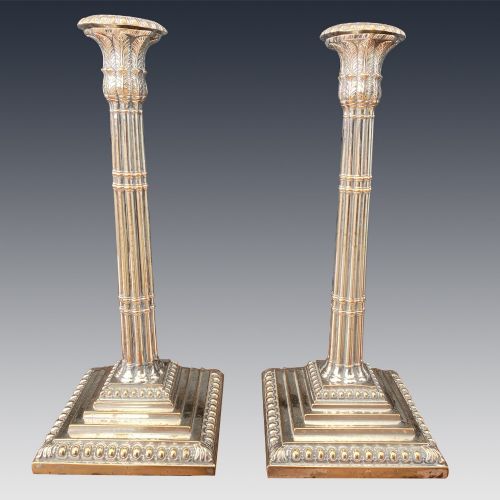
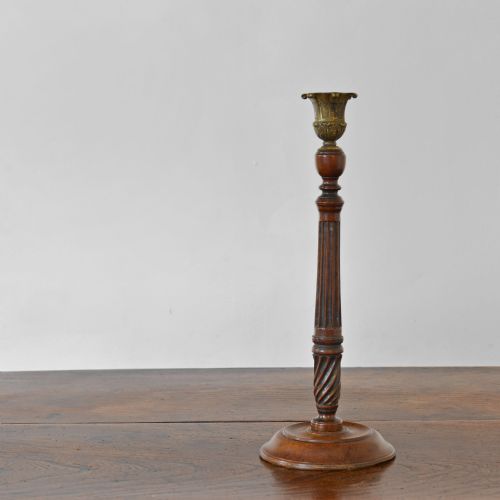
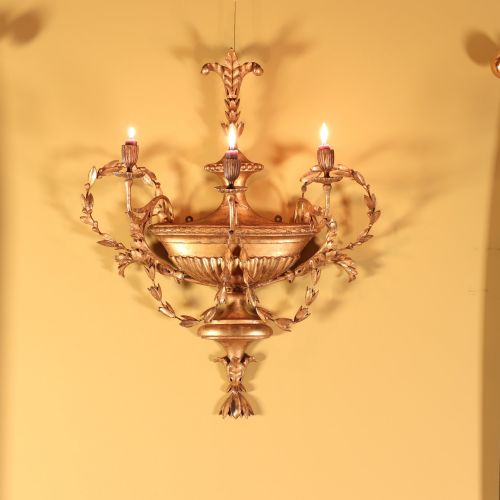
An 18th century candle sconce brings warm, period illumination to a wall through brass, giltwood or carved wood.
18th Century Candle Sconce
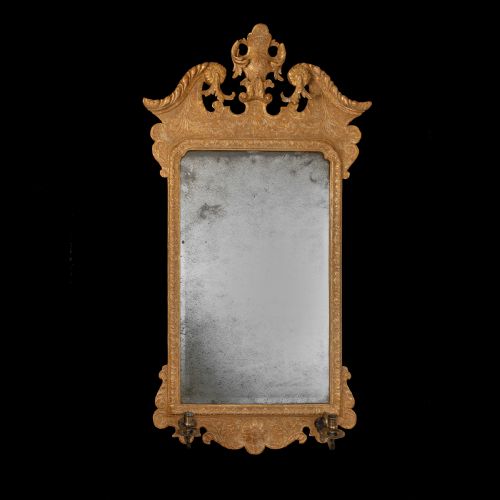
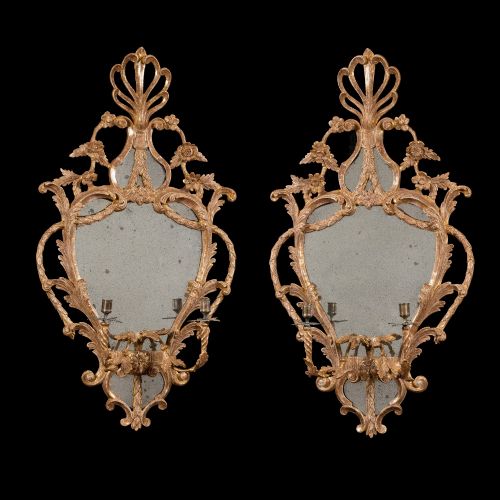
When you search for an 18th century candle sconce, you encounter wall lighting and girandole mirrors designed to reflect candlelight across a room. The selections on this page span the Georgian era, George II, and George III periods.
You meet brass wall fixtures, carved giltwood frames, and porcelain figures fitted for candles. These objects originated as functional illumination before electric lighting transformed domestic interiors.
The materials range from cast brass and mahogany to elaborate giltwood and gesso. Many examples survive in pairs, designed originally to flank a fireplace or a wall mirror.
How they were made
Metal pieces utilise brass and bronze, often cast in multiple sections and joined together with knopped stems and petal bases. Wood and mirror versions employ carved wood finished with gesso and gold leaf.
Porcelain examples involve hard paste porcelain, frequently shaped into figurative designs with bocage elements. Artisans shaped these materials by hand, combining metalworking, woodcarving, and ceramic moulding techniques.
18th Century Candle Sconce Retail Price Guide 2026
Typical asking prices for 18th century candle sconce among the pieces listed under this phrase on Sellingantiques today, from the lower quarter to the upper quarter. They describe what is for sale here now, not the wider market.
Pieces on this page span the 18th century, Georgian, 19th century, and 1900 periods.
What varies in quality
The depth and crispness of the carving distinguish finer giltwood frames and wooden elements from simpler work. In brass and bronze pieces, the weight of the casting and the precision of the multi knopped stem define the standard.
The survival of original gilding and surface finishes determines the desirability of wooden and gesso pieces. Integration between the candle arms and the backplate reveals the skill of the original maker.
John Cafe·Derby
The 18th Century Candle Sconce Glossary
- Girandole mirror
- A wall mirror featuring attached candle branches that reflect and multiply the light in a room. These dual-purpose objects combine glass plates with wooden or giltwood frames.
- Gesso
- A plaster-like mixture applied to wood surfaces as a base for gilding. Artisans carved intricate decorative motifs directly into this layer before applying gold leaf.
- Bocage
- An ornamental background of foliage and leaves found on porcelain figures and candlesticks. This ceramic technique mimics natural woodland surroundings.
- Old Sheffield plate
- A fused composite material made by melting a thin sheet of silver to a thicker copper base. Makers utilised this method for candlesticks before electroplating became common.
- Ormolu
- Gilded bronze ornamentation applied to decorative objects and furniture. The technique involves treating bronze with a mercury and gold amalgam.
18th Century Candle Sconce: Frequently Asked Questions
How do I clean an antique brass sconce?
Dust the brass gently with a soft, dry cloth to remove surface particles.
Avoid using abrasive polishes that strip away the aged patina built up over centuries.
Are these sconces wired for electricity?
Most examples retain their original form designed specifically for wax candles.
Conversion is possible, but collectors generally prefer keeping them in their original un-electrified state.
How were sconces mounted on walls?
They hang from integrated brackets or loops attached to the rear wooden backplate or metal frame.
Secure wall fixings matching the weight of the brass or giltwood are essential for safe display.
Can I burn real candles in them?
Standard taper candles fit into the removable sconces and drip pans found on many period pieces.
Monitor burning candles closely to protect the surrounding wood, giltwood, or porcelain from heat damage.