



18th Century Bronze Vessel
An 18th century bronze vessel brings centuries of ritual, scholarly and domestic utility into the room through heavy metalwork.
18th Century Bronze Vessel
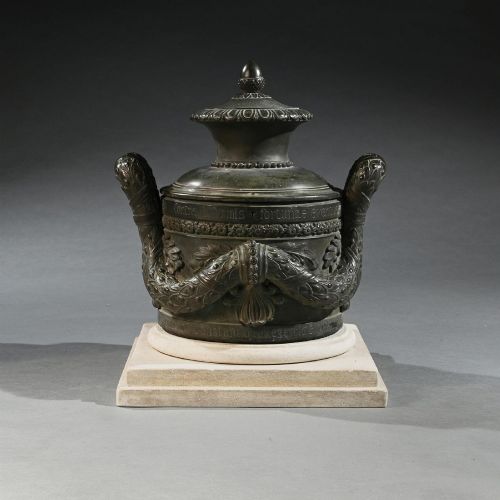
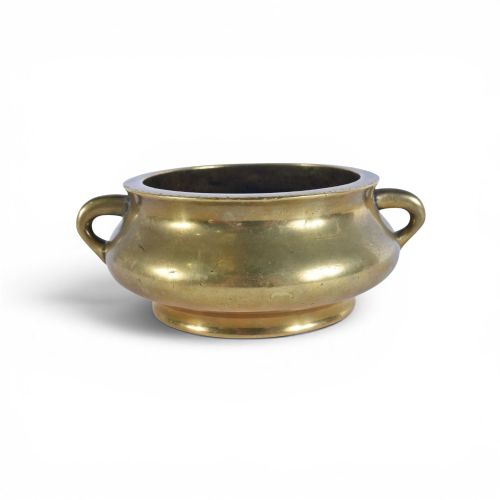
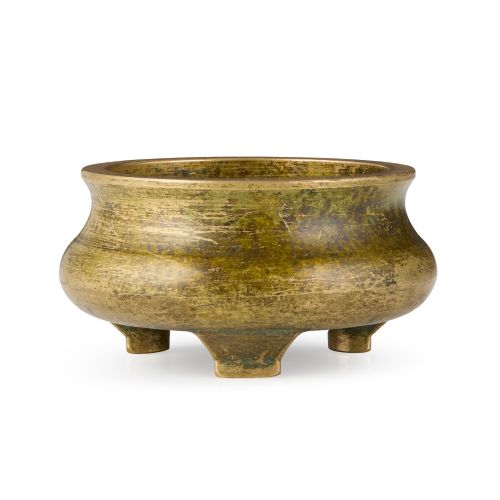
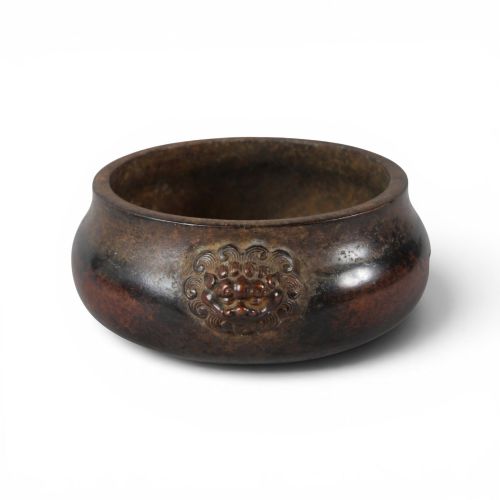
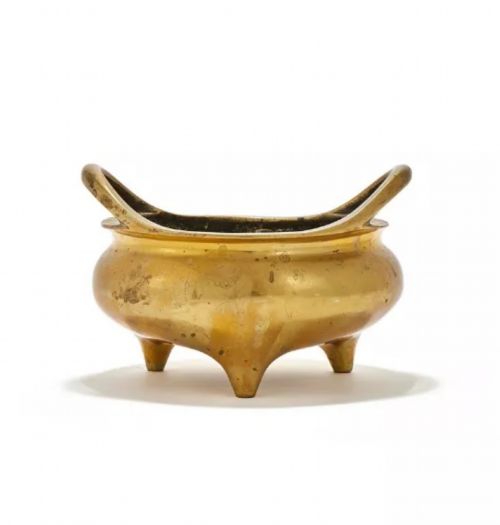
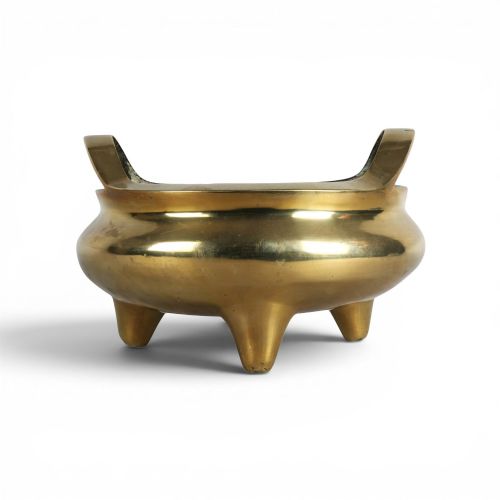
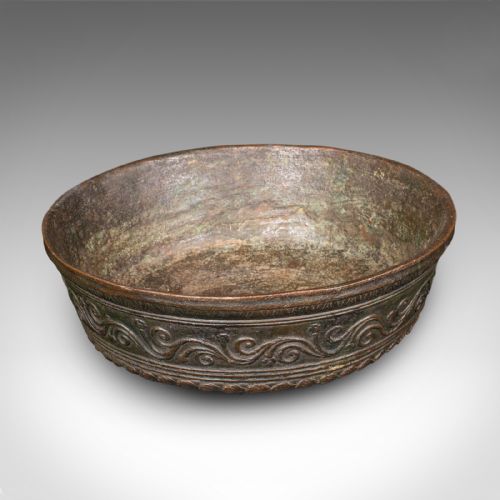
An 18th century bronze vessel encompasses heavy tripod censers, ritual bowls, apothecary mortars, and classical gu vases originating from Chinese, British, Dutch, Persian, and Japanese makers. These metal objects range from scholar's studio pieces bearing marks to utilitarian apothecary grinders used in daily practice.
The version most frequently met on this page is the Chinese bronze tripod censer, often cast with archaic or studio marks, alongside British and Dutch apothecary mortars from the seventeen-hundreds. Buyers also encounter Persian engraved vessels and Edo period Japanese bowls.
Evaluating Quality
Weight and wall thickness separate substantial scholar's pieces and ritual items from lighter utilitarian wares, with heavier bronze castings commanding greater presence. The crispness of cast seals, reign marks, and engraved inscriptions indicates the skill of the original workshop.
Surface condition and the presence of original pestles or matching components alter the integrity of mortars and incense burners. Patination accumulated over centuries adds depth to the metal, provided the surface has not suffered harsh cleaning.
The inventory spans the seventeenth century, the Georgian era, and the Edo period through incense burners, mortars, and ritual bowls.
The 18th Century Bronze Vessel Glossary
- Tripod censer
- A three-legged vessel designed for burning incense, commonly found in Chinese scholar's studio traditions.
- Bombé censer
- A rounded incense burner with an incurved rim, echoing traditional Chinese metalwork forms.
- Apothecary mortar
- A heavy metal bowl used with a pestle to grind medicinal ingredients in domestic and professional dispensaries.
- Archaistic
- A decorative style that deliberately imitates the ancient ritual bronzes of earlier dynasties.
- Gu vase
- A slender, trumpet-mouthed ritual vessel type originating from ancient Chinese forms and produced in later periods.
18th Century Bronze Vessel: Frequently Asked Questions
What were bronze vessels used for?
These metal objects served multiple functions ranging from burning incense in scholar's studies to ritual food offerings and pharmaceutical grinding in apothecary shops.
Domestic and ceremonial uses dictated the weight and form, producing everything from tripod censers to heavy mortar and pestle sets.
How do I date an 18th century bronze vessel?
Dating relies on stylistic markers such as archaic forms, cast reign marks, studio inscriptions, and manufacturing wear consistent with seventeenth and eighteenth-century production.
Material composition and traditional foundry techniques also help distinguish period pieces from later reproductions.
How do I care for antique bronze?
Maintain the surface by dusting gently with a soft cloth and avoiding abrasive cleaners that strip away historical patina.
Stable indoor environments protect the metal from excessive moisture and preserve the natural oxidation built up over centuries.
What is an archaic bronze style?
Archaistic pieces revive the decorative motifs, shapes, and ritual forms associated with ancient dynasties on later metalwork.
Craftmen in subsequent centuries utilised these historical designs to honour earlier scholarly and ritual traditions.