

18th Century Bottle
When you search for an 18th century bottle, you enter a diverse world of utility and display crafted from glass, wood, and metal.
18th Century Bottle
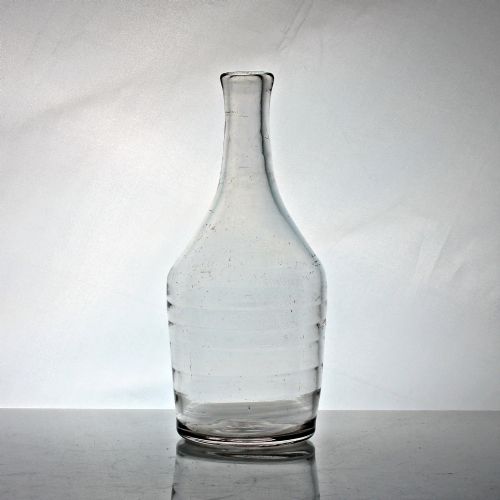
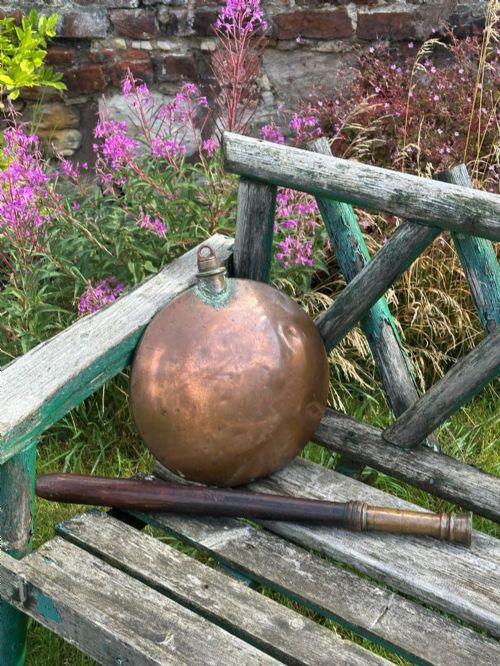
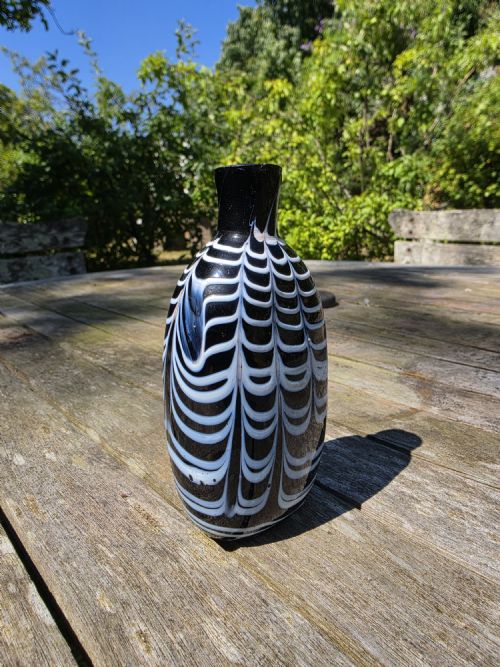
An 18th century bottle encompasses a wide variety of vessels designed for serving, storing, and containing liquids and personal items. Collectors searching this phrase encounter heavy glass onion and cylinder wine bottles alongside delicate scent bottles, apothecary jars, and decorative porcelain or jade flasks.
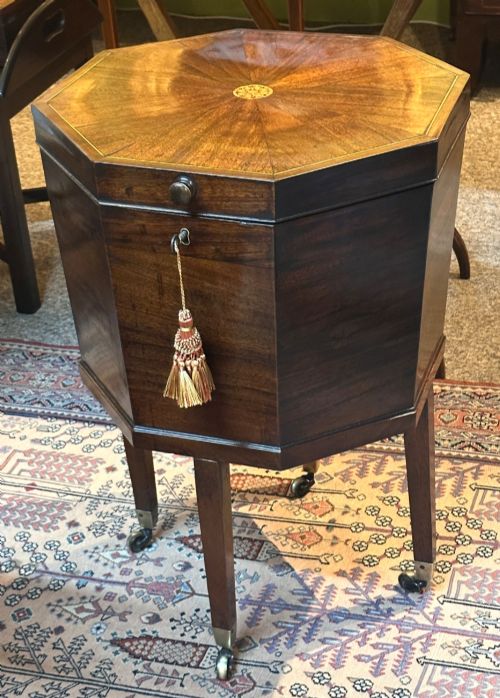
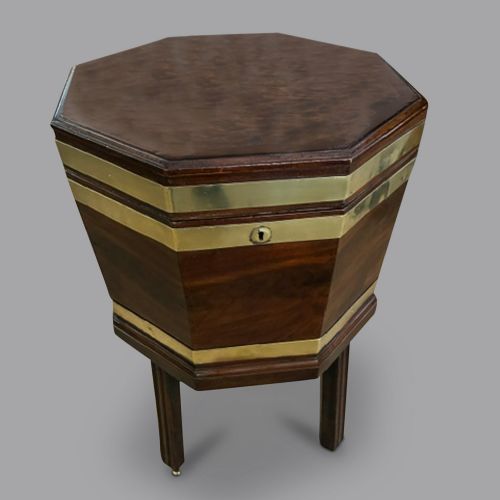
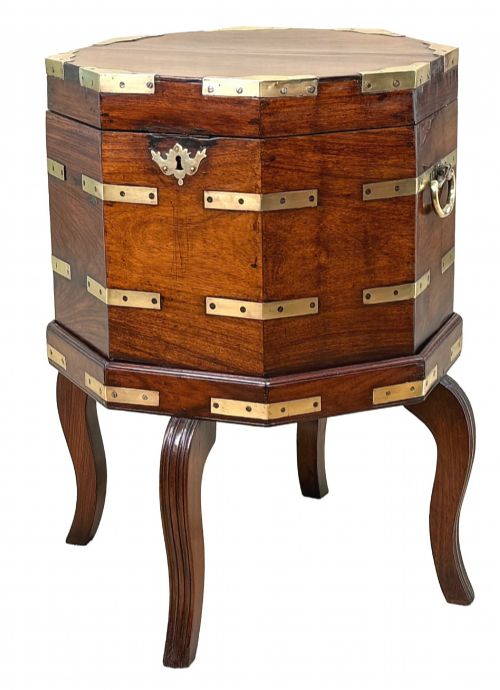
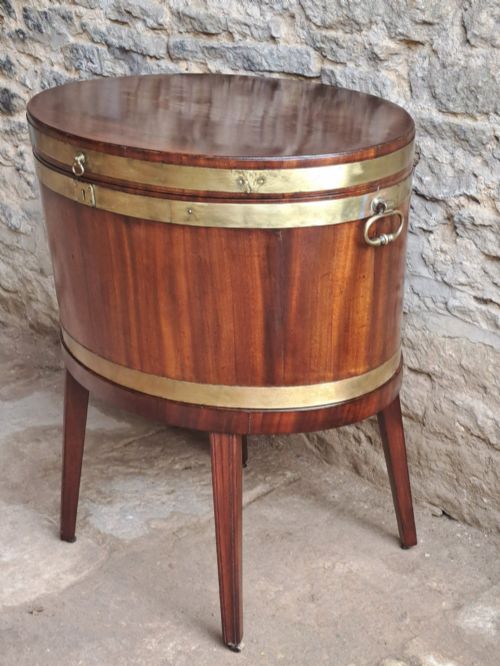
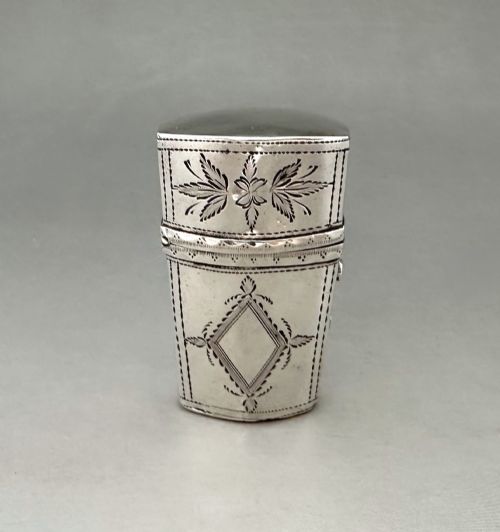
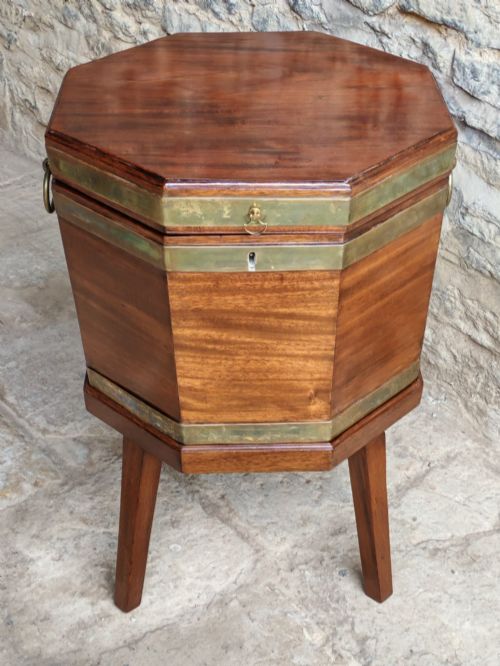
The selections span utilitarian cellar equipment and fine dining accessories. You will find mahogany and brass wine coolers and cellarettes standing alongside silver-cased perfume flasks and earthenware vessels.
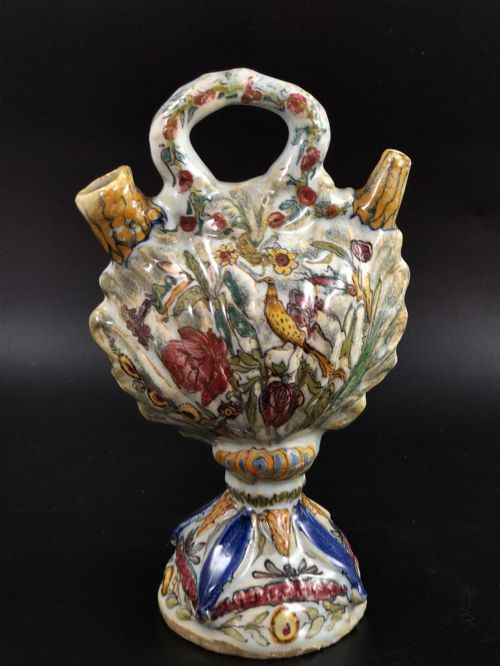
Origins vary significantly across European and Asian traditions, ranging from English and Scottish glassworks to German stoneware, Italian majolica, and Chinese Qing dynasty jade and porcelain pieces.
How they were made
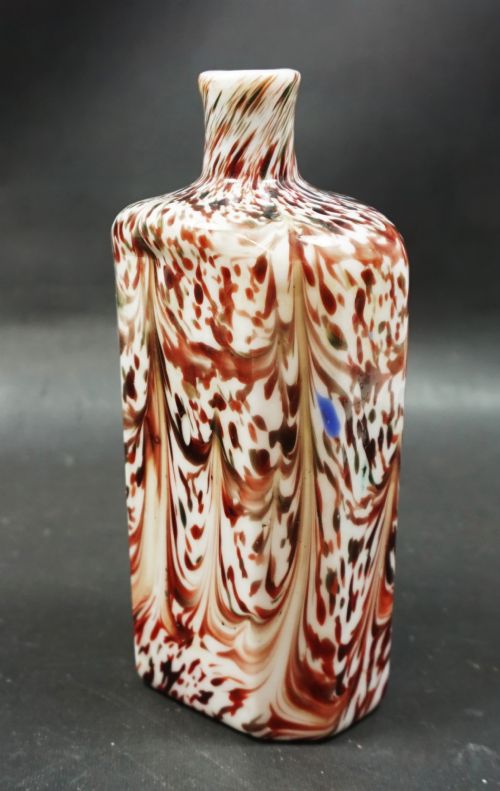
Glass vessels were free-blown or mould-blown utilising lead glass, potash, or heavy green metals, often finished with applied threads or optical effects like wrythen fluting. Bottle coolers and cellarettes required expert cabinet-making, combining timbers such as mahogany, satinwood, and padouk with brass banding, copper linings, and fine dovetail joinery.
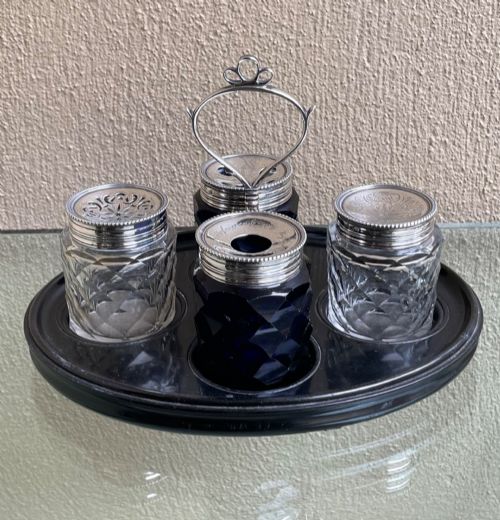
Precious metals and ceramics involved specialised workshop techniques. Silversmiths cast, engraved, and pierced sterling silver for stands and cruet frames, while potteries utilised salt-glazing, tin-glazing for delftware, and intricate enamelling or gilding applied by specialists such as James Giles.
The inventory includes functional cellar equipment like wine coolers alongside miniature scent bottles and snuff containers.
What varies in quality
The distinction between standard utility items and high-end examples rests upon material selection, execution, and provenance. Cabinet-makers used finely figured timbers like kingwood and satinwood for luxury cellarettes, pairing them with heavy cast brass fittings rather than simple iron hardware.
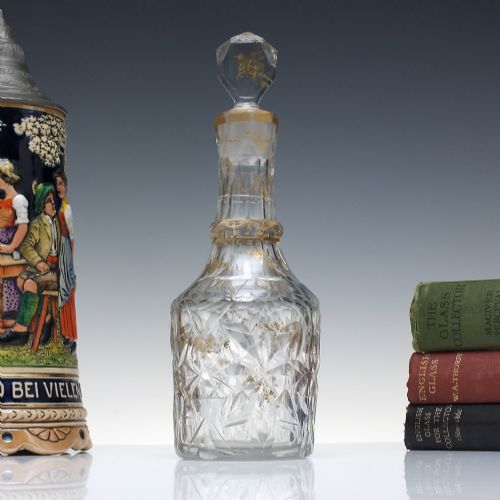
In glassware and ceramics, quality shows in the clarity of the metal, the crispness of wheel-engraved detailing, and the precision of painted or gilded decoration. Pieces retaining original fitted components, such as matched cruet bottles or complete leather and shagreen cases, command greater interest.
James Giles·Hester Bateman·Lambeth Pottery·Nailsea Glassworks
The 18th Century Bottle Glossary
- Cellarette
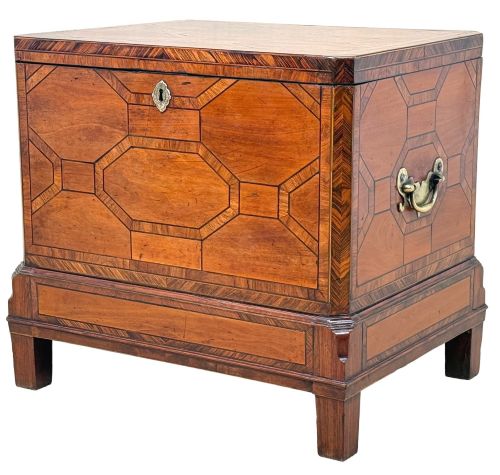
- A lockable container or box designed to hold wine bottles securely near the dining table. They frequently take the form of freestanding mahogany furniture with brass carrying handles or small tabletop boxes.
- Onion bottle
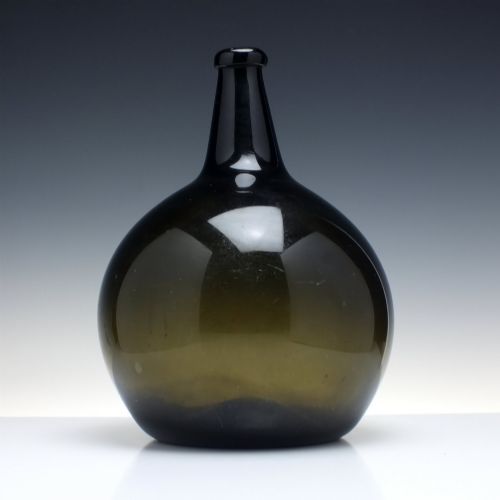
- An early form of heavy green glass wine bottle characterised by a bulbous, compressed body and a short neck. These sturdy vessels date primarily from the early decades of the century.
- Cruet set
- A matched collection of glass bottles and casters housed within a silver or metal frame for holding condiments at the table. These sets often include fitted silver labels and specialised stoppers.
- Lynn rings
- Horizontal raised bands or ridges encircling the neck of a glass decanter or carafe. They provided a secure grip for the server's hand when pouring.
- Mallet bottle
- A transitional glass wine bottle shape featuring straight, slightly tapered sides resembling a carpenter's mallet. This form bridged the transition between the early onion bottle and the later cylindrical wine bottle.
18th Century Bottle: Frequently Asked Questions
What is an onion bottle?
An onion bottle is an early form of thick green glass wine vessel with a rounded, compressed body. These sturdy pieces were designed to sit flat on a table before deep bottle bins became common.
They date mostly to the first half of the century and show characteristic pontil marks on the base from hand-blowing.
How were cellarettes used?
Cellarettes served as secure storage containers for wine bottles near the dining table or sideboard. Wealthy households locked their fine vintages inside these mahogany and brass-bound boxes to control access.
Many featured internal dividers or lead-lined compartments to keep bottles cool and protected.
What is a cruet set?
A cruet set is a matched assembly of glass bottles and silver casters held within a metal frame. They were placed on the dining table to dispense oil, vinegar, and seasonings during meals.
Complete sets often retain their original cut glass bottles, stoppers, and silver frames bearing period hallmarks.
How do I date old glass bottles?
Dating historic glass bottles involves examining their shape, colour, and manufacturing traits. Early examples display deep green or amber hues with pontil scars, while later eighteenth-century pieces evolved into taller cylindrical forms.
Engraved decoration, such as Jacobite symbols or specific drink labels, also helps narrow down the period of production.