




18th Century Ash Armchair
An 18th century ash armchair brings honest vernacular craftsmanship and rich timber grain directly into a room.
18th Century Ash Armchair
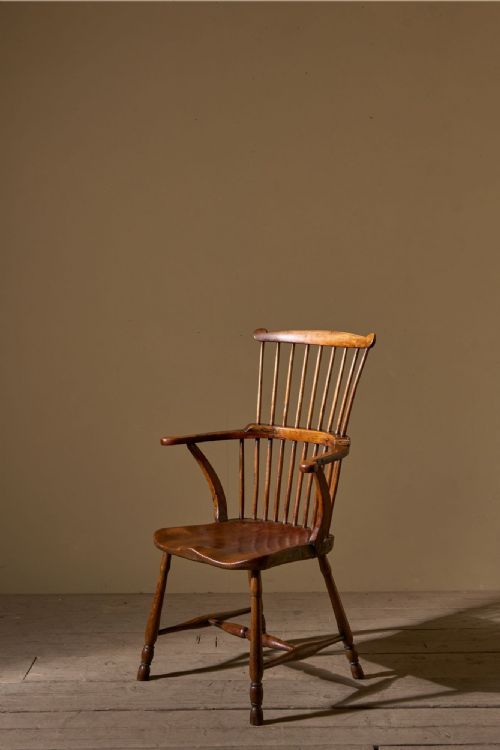
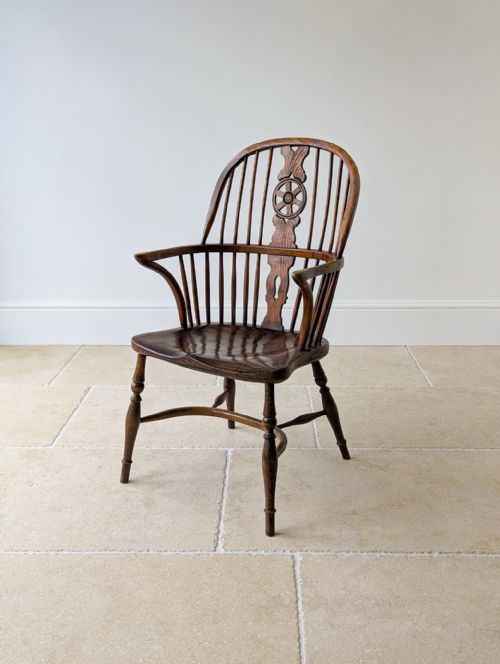
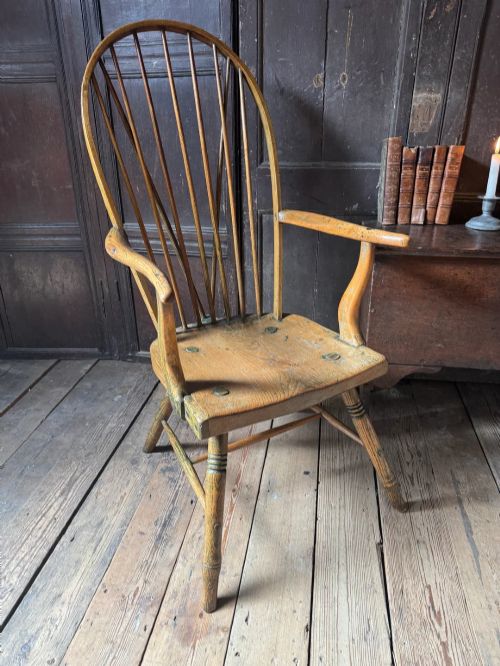
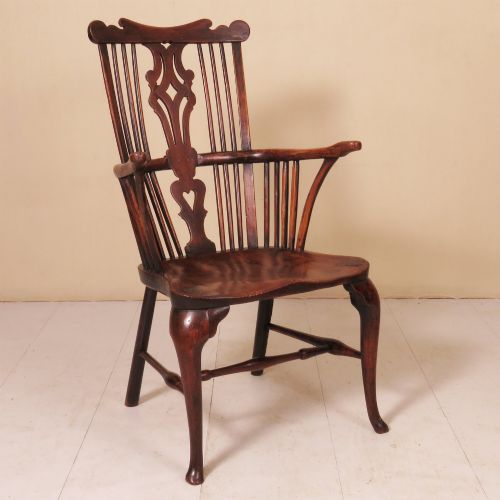
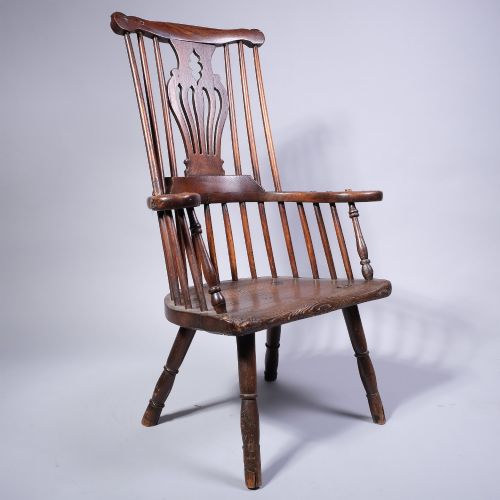
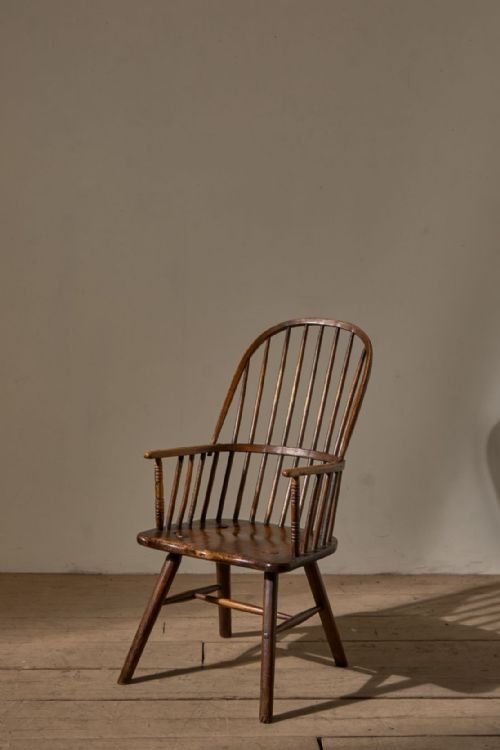
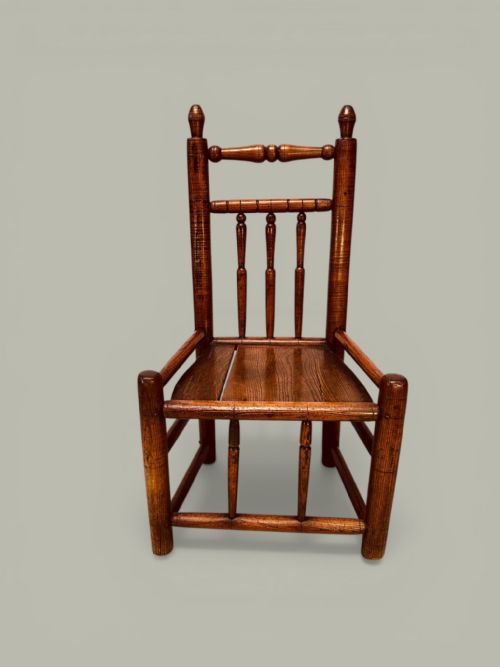
When you search for an 18th century ash armchair, you enter the robust world of Georgian country and vernacular seating. These chairs span the 18th century, George III period, and around 1800, capturing the practical artistry of regional makers. You will frequently encounter comb-back, hoop-back, and ladder-back Windsor forms designed for everyday utility.
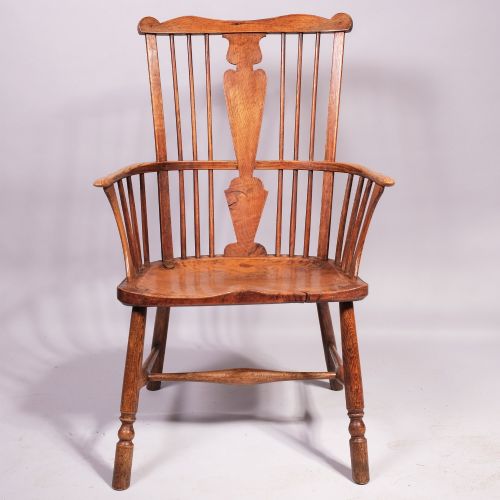
The selection here encompasses regional variations including Welsh and West Country pieces, alongside child-sized seating and turned frames. Alongside the primary ash timber, makers frequently integrated elm, oak, and rush to construct durable seating. Each piece reflects the specific material supplies and regional traditions of its origin.
These armchairs serve as functional historical objects that display straightforward construction methods rather than courtly ornament. The combination of turned spindles, solid plank seats, and bowed crest rails defines the visual identity of these chairs. They stand as enduring examples of early British woodworking and domestic interior history.
What varies in quality
The distinction between ordinary and exceptional examples lies in the harmony of the timber selection and the retention of original surfaces. Chairs displaying pronounced burr elm grain, rich natural patina, or untouched painted finishes command greater appreciation from collectors. The complexity of the back design, such as elaborate comb-backs or wheel-backs, also elevates the stature of a piece.
Structural integrity and the cleverness of the regional turning further differentiate the standard of these armchairs. Superior examples maintain their original legs, stretchers, and wedged joints without excessive replacement parts. The balance between the substantial saddle seat and the delicate sweep of the spindles determines the overall sculptural success of the chair.
18th Century Ash Armchair Retail Price Guide 2026
Typical asking prices for 18th century ash armchair among the pieces listed under this phrase on Sellingantiques today, from the lower quarter to the upper quarter. They describe what is for sale here now, not the wider market.
Listings feature ash combined with elm, oak, and rush, spanning Georgian country vernacular styles and the year 1800.
The 18th Century Ash Armchair Glossary
- Comb-back
- A Windsor chair design featuring a low back topped with a horizontal headrest resembling a hair comb, supported by vertical spindles.
- Hoop-back
- A seating form where a single continuous steam-bent piece of timber forms the arms and the curved back rail.
- Vernacular
- Objects created by local craftsmen using traditional regional methods and readily available materials, rather than following academic metropolitan styles.
- Bodger
- A traditional woodworker who operated in the woods to turn green timber chair legs and spindles on pole lathes.
- Rush
- Dried marshland plant material woven to create durable, textured seating surfaces for ladder-back and country chairs.
18th Century Ash Armchair: Frequently Asked Questions
How do I care for an ash armchair?
Keep the timber away from direct heat sources and sudden temperature shifts to prevent the wood from drying out or splitting.
Apply a microcrystalline wax occasionally to nourish the surface and preserve the historic patina without sealing the wood.
Are these chairs comfortable for daily use?
The sculpted elm seats and supportive spindle backs were ergonomically designed for long hours of manual work or relaxation.
Many owners use these armchairs daily, though adding a simple linen cushion can enhance comfort during extended sitting.
What is a Windsor chair?
A Windsor chair is a distinct form where the legs and back spindles are socketed directly into a thick wooden seat.
This clever construction method distributes weight efficiently and creates a remarkably sturdy piece of furniture.
How can I tell a regional style?
Regional characteristics appear in the turning patterns of the legs, the shaping of the arms, and the specific timber combinations used.
Makers in places like the West Country or Wales utilised local woods and distinct bracing methods unique to their workshops.