
18th Century Antiques
These 18th century antiques encompass foundational domestic furniture, fine oil paintings and glassware spanning the Georgian era.
18th Century Antiques
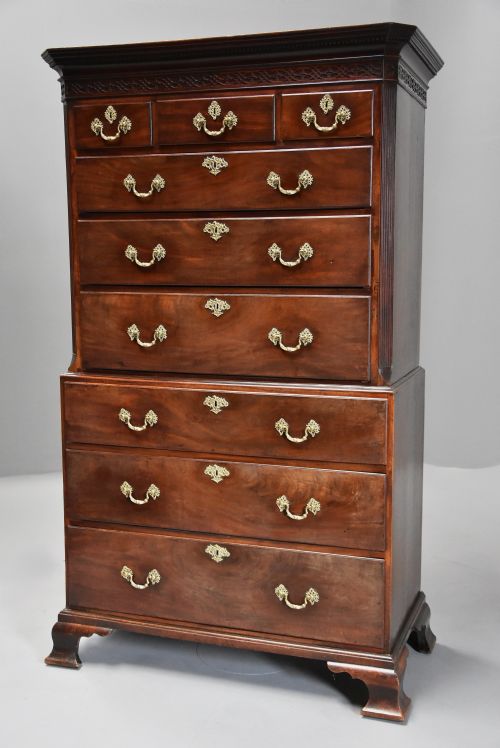
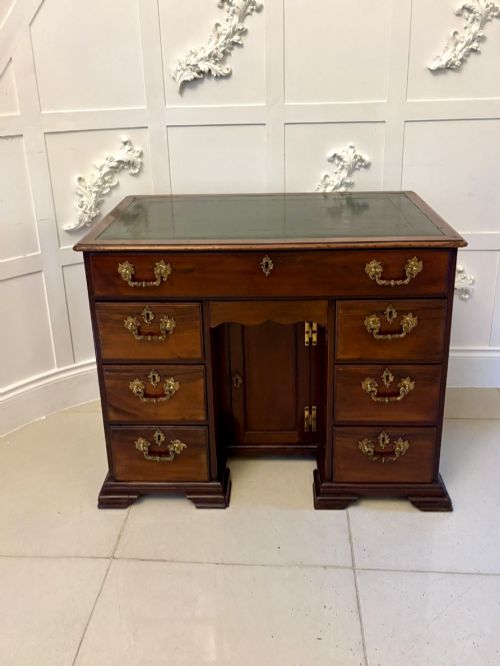
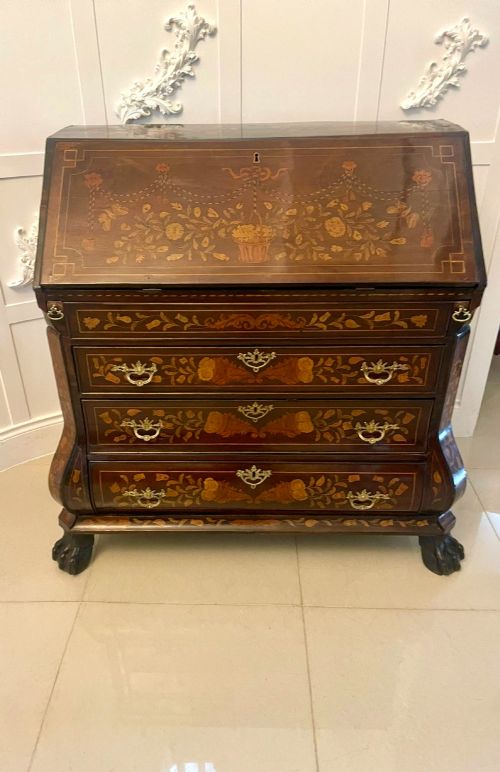
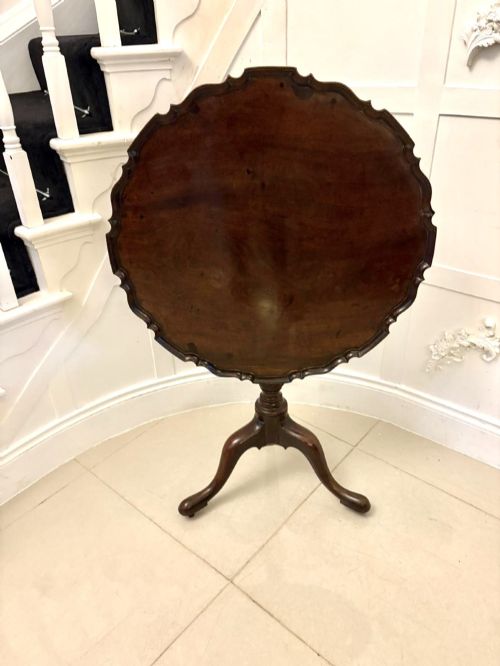
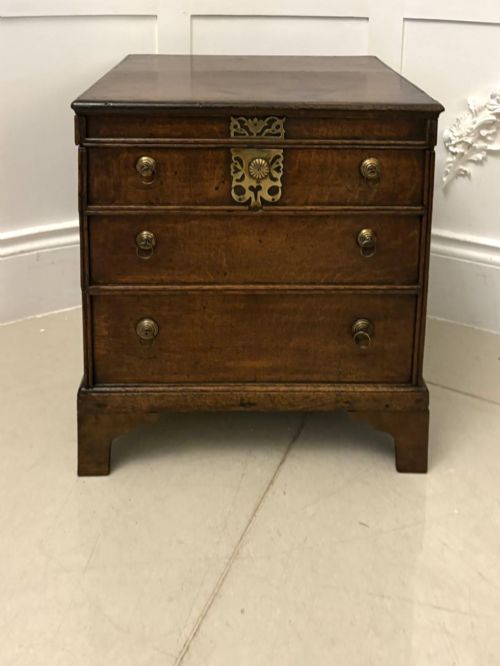
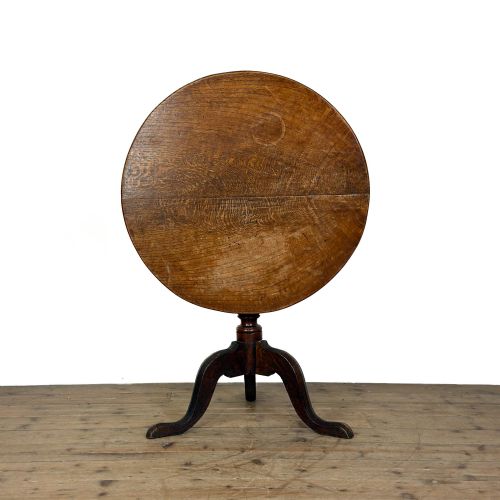
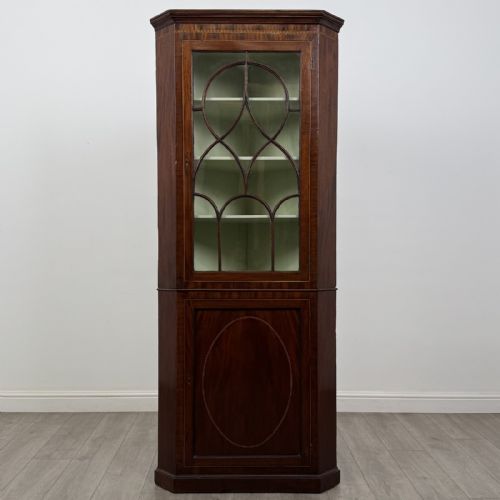
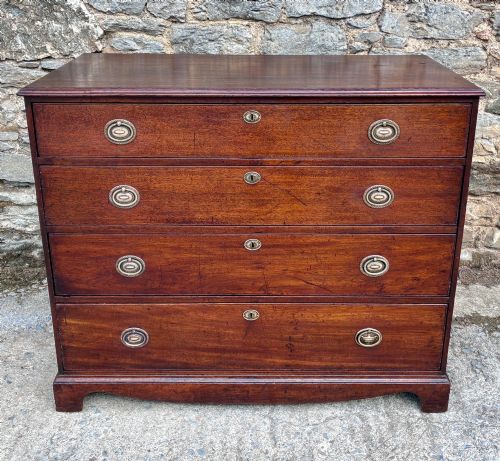
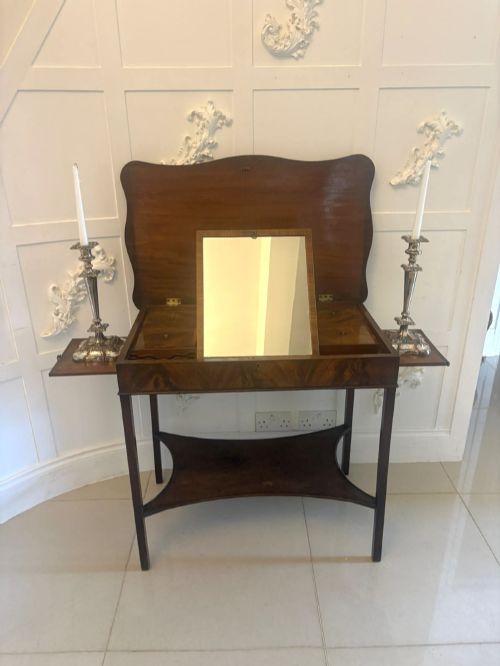
When you examine 18th century antiques, you encounter pieces designed for Georgian domestic life, from oak dressers and walnut kneehole desks to mahogany chests on chest. These items reflect the domestic priorities of their original owners, offering utilitarian storage alongside formal seating and dining accessories.
Beyond everyday furniture, the selection includes oil on canvas portraits, vellum indentures and silver spoons that capture the broader material culture of the period. Each item carries the structural traits associated with reigns from George I through to George III.
How they were made
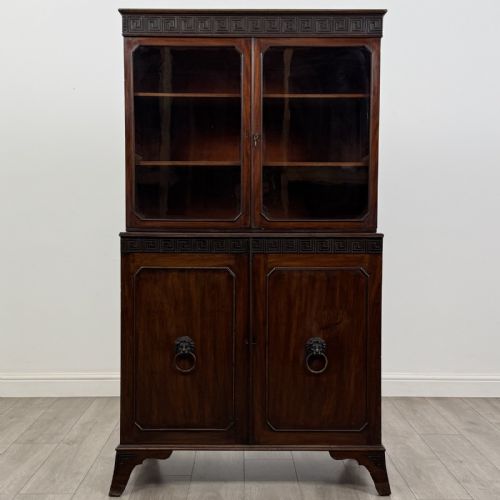
Makers relied heavily on solid hardwoods like oak, walnut and mahogany, shaping them with traditional joinery such as dovetails and mortise and tenon joints to ensure enduring structural integrity.
Surface decoration involved careful polishing of timbers, hand-engraving on glass and detailed brushwork for oil paintings on canvas.
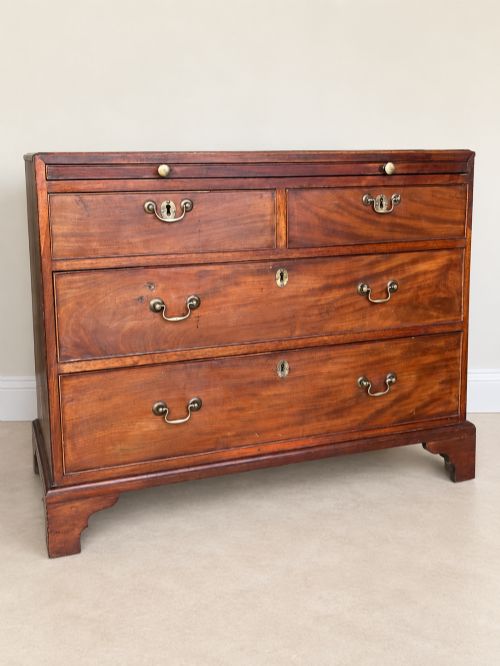
Hardware such as brass handles and escutcheons were cast and fitted by hand, complementing the natural grain and colour of the primary wood.
Paper filigree tea caddies survive from the 18th century, proving that delicate paper strips could outlast dynasties.
What varies in quality
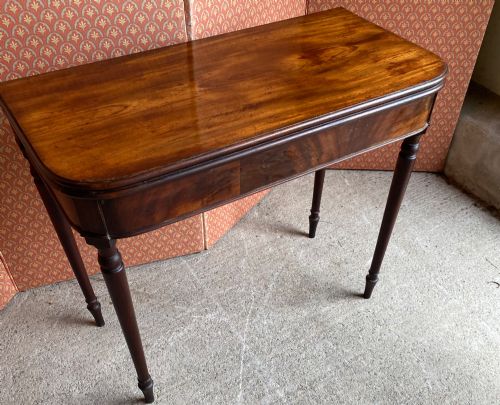
The calibre of a piece often rests on the selection of timber, such as highly figured Cuban mahogany or rich Burr walnut, paired with the precision of the cabinetmaker's joints.
Original brasses, untouched surface patination and intact structural elements elevate certain examples above others that have undergone extensive timber replacement or modern intervention.
Richard Jones of Hereford·Sir William Beechey·Peter and Jonathan Bateman·Charles Jervas·Sir Godfrey Kneller
The 18th Century Antiques Glossary
- Georgian
- Pertaining to the period of the English monarchs George I, George II, George III and George IV, spanning from 1714 to 1830. This overarching stylistic umbrella covers the dominant cabinet-making trends of the 18th century.
- Dram glass
- A small drinking vessel intended for spirits, popular during the 18th century. These glasses often feature engraved decoration on small bowls atop plain or knop stems.
- Vellum indenture
- A legal document written on animal skin with the top edge traditionally scalloped or indented. These survive from the 18th century as records of property transactions and agreements.
- Kneehole desk
- A compact desk featuring a recessed central space for the user's knees, flanked by pedestals of small drawers. They emerged in quantity during the early part of the 18th century in walnut and mahogany.
- Chest on chest
- A tall storage unit comprising one chest stacked directly upon a slightly larger lower chest, also known as a tallboy. This form provided substantial drawer space while occupying a modest floor footprint.
18th Century Antiques: Frequently Asked Questions
How do I identify a George III piece?
Look for the characteristic use of mahogany, refined neoclassical lines and specific brass hardware designs that typify the latter half of the 18th century.
Compare the construction methods and secondary timbers to establish whether the piece aligns with the manufacturing standards of the Georgian period.
What is a kneehole desk used for?
These compact desks served as private writing tables or dressing surfaces in 18th-century homes, offering organised storage within their pedestal drawers.
Position them in a study or living space where their finished backs and smaller proportions allow flexible placement.
Are oak and mahogany pieces from the same era?
Both timbers were utilised throughout the 18th century, though oak frequently corresponds to earlier country furniture and agricultural pieces.
Mahogany gained prominence as trade routes expanded, becoming the preferred medium for refined urban cabinet-making by the mid-18th century.
How should I care for antique glassware?
Wash glass items gently by hand in warm water without harsh detergents to protect the fragile antique material.
Keep them away from direct sunlight and sudden temperature shifts to preserve the integrity of the early glass.