



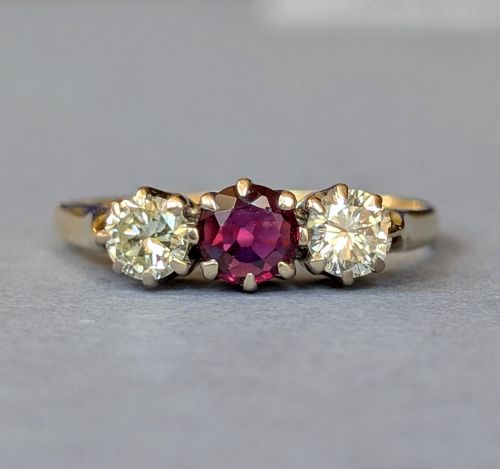
18ct Gold Ruby Jewellery
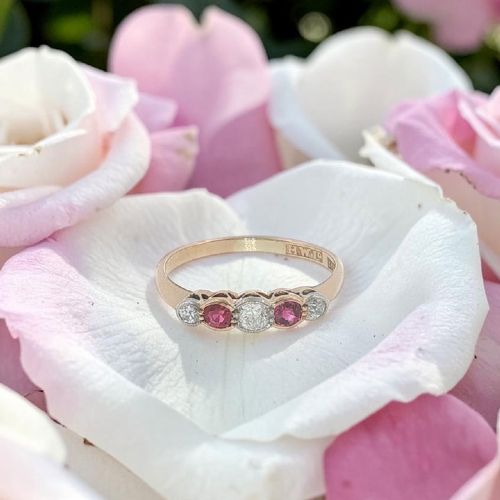
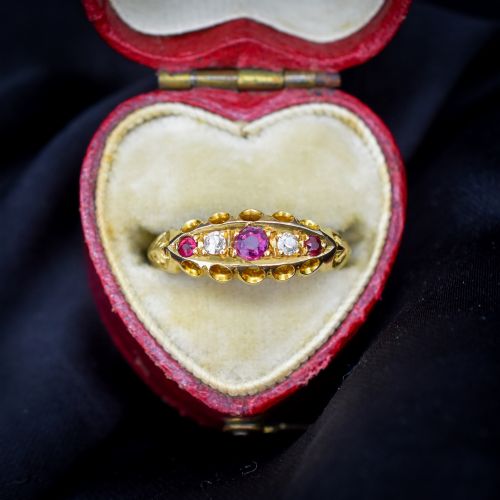
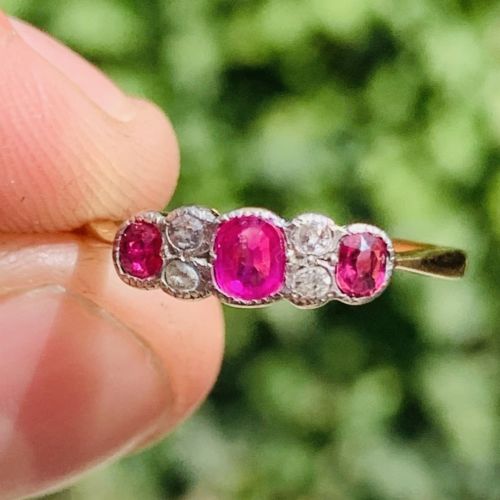
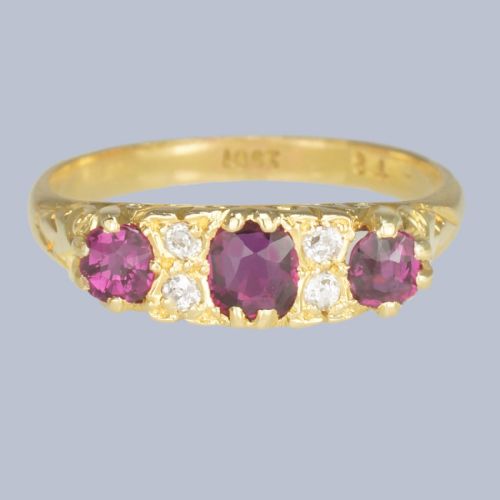
18ct gold ruby jewellery brings together the rich crimson of rubies and the warm or bright tones of gold across Victorian, Edwardian, and mid-century designs.
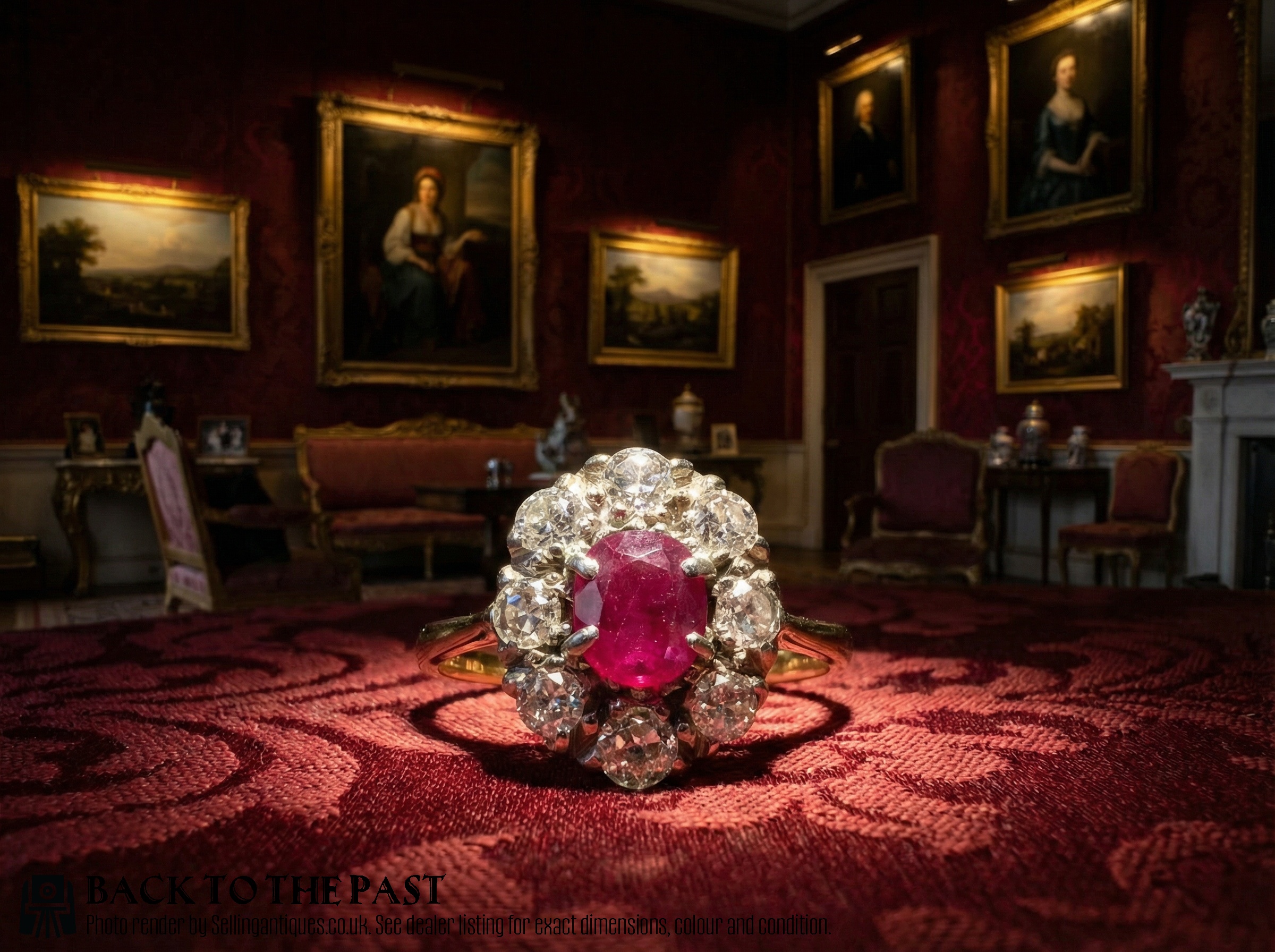
18ct Gold Ruby Jewellery
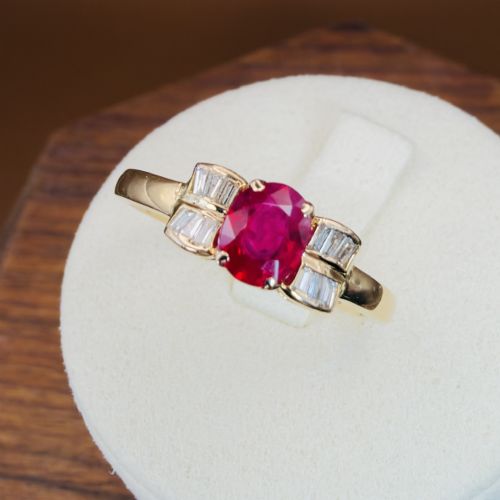
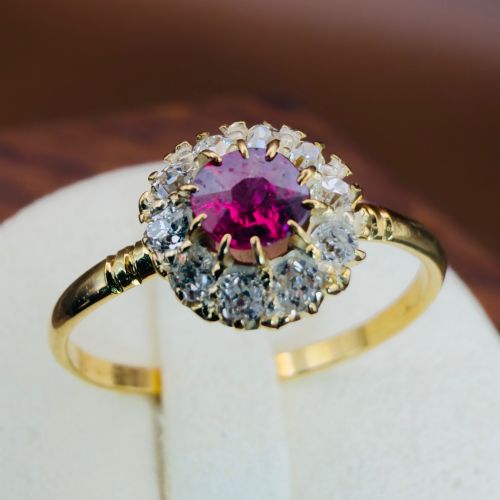
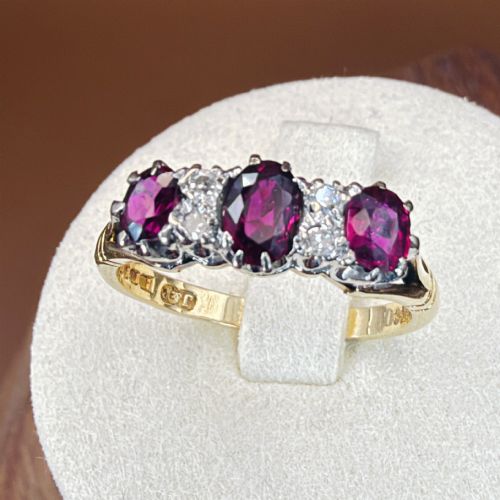
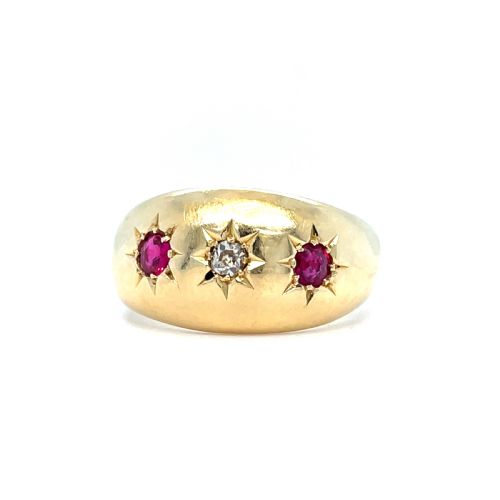
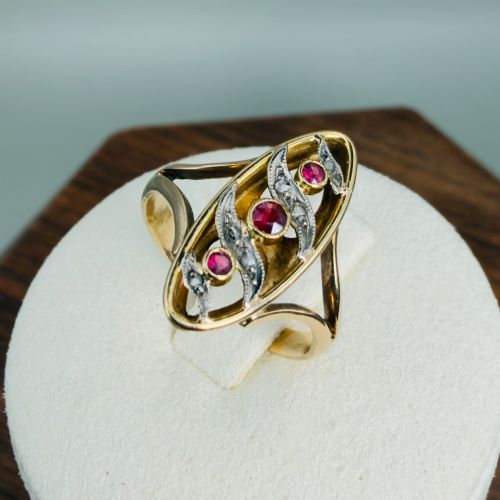
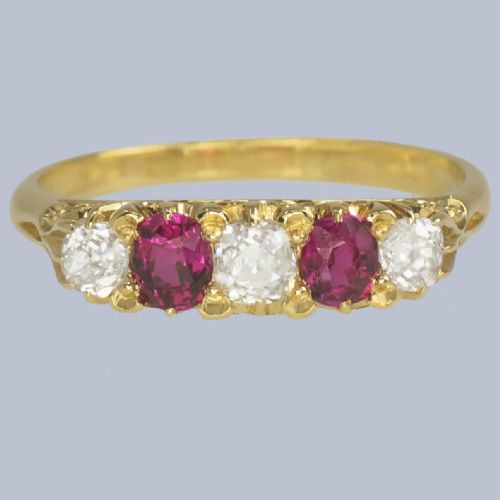
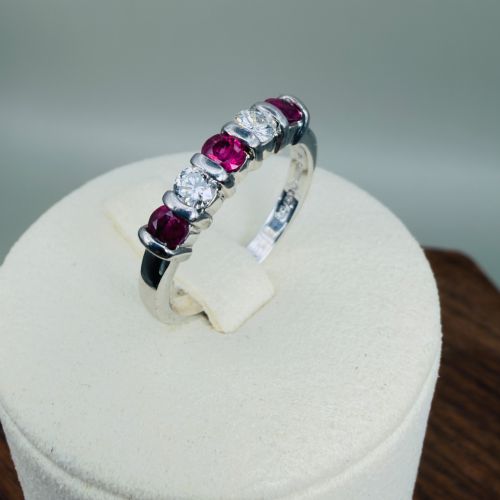
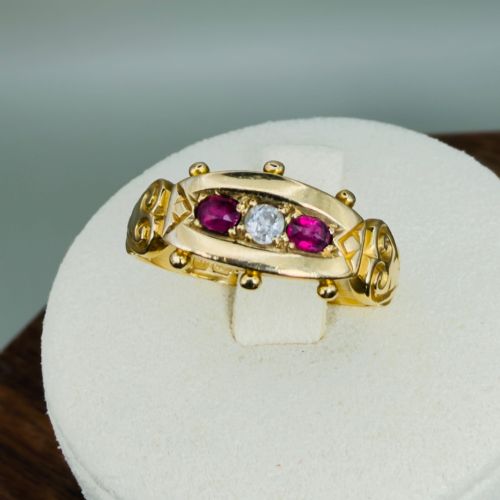
When you search for 18ct gold ruby jewellery, you encounter a selection spanning the late nineteenth century through to the mid-twentieth century. Rings predominate among the surviving items, alongside brooches, pins, pendants, earrings, bracelets, and necklaces.
The periods represented include Victorian, Edwardian, Art Nouveau, Art Deco, and mid-century styles. Cluster, band, trilogy, and starburst configurations appear frequently across the available forms.
How they were made
Goldsmiths utilised 18ct yellow gold, 18ct white gold, and platinum settings to house rubies alongside diamonds, sapphires, garnets, pearls, and opals. Stones received various cuts, including oval, baguette, old mine, and princess cuts.
Craftsmen built settings by hand or utilised early twentieth-century casting techniques, incorporating hallmarks from assay offices such as Birmingham and Chester to certify the gold standard.
What varies in quality
The calibre of 18ct gold ruby jewellery rests upon the saturation and clarity of the ruby, alongside the matching quality and cut of accompanying diamonds. Burmese origin and certification reports elevate certain pieces.
Subtlety of hand-finishing, weight of the gold mount, and integrity of the stone settings distinguish individual examples across different eras.
Kutchinsky·Ben Rosenfeld
The 18ct Gold Ruby Jewellery Glossary
- 18ct Gold
- An alloy containing 75 percent pure gold mixed with other metals for durability. It provides the standard warm yellow or bright white framework for these gem-set pieces.
- Cluster Ring
- A ring design featuring a central stone encircled by a border of smaller gems. This configuration maximises visual presence and sparkle.
- Trilogy Ring
- A ring holding three stones in a row, often interpreted to represent the past, present, and future. Diamonds and rubies frequently alternate in these settings.
- Navette Style
- A boat-shaped or marquise setting that elongates along the finger. It is characteristic of late Victorian and Art Nouveau periods.
- Old Cut Diamond
- A diamond cut by hand before modern machinery standardised proportions. These stones display smaller tables and high crowns that catch candle or gas light.
18ct Gold Ruby Jewellery: Frequently Asked Questions
What periods do these pieces span?
The selection includes items from the Victorian, Edwardian, Art Nouveau, Art Deco, and mid-century eras. Dates stretch from the late nineteenth century into the 1960s.
Assay office marks and stylistic traits help distinguish between these historical periods.
Are diamonds always paired with rubies?
Diamonds accompany rubies in many cluster, trilogy, and band configurations. Other gemstones such as sapphires, garnets, pearls, and opals also appear in specific designs.
Plain gold bands featuring rubies alone are less common than multi-gem combinations.
How do I care for 18ct gold ruby jewellery?
Clean these items gently using warm soapy water and a soft brush to remove everyday oils. Avoid harsh ultrasonic cleaners, particularly when softer gems or pearls are present.
Store pieces individually in lined boxes to prevent metal and stones from scratching.
What does an 18ct hallmark indicate?
An 18ct hallmark verifies that the metal contains 75 percent pure gold. British pieces often include town marks, maker's marks, and date letters.
These stamps provide historical context regarding where and when the item was tested and assayed.