


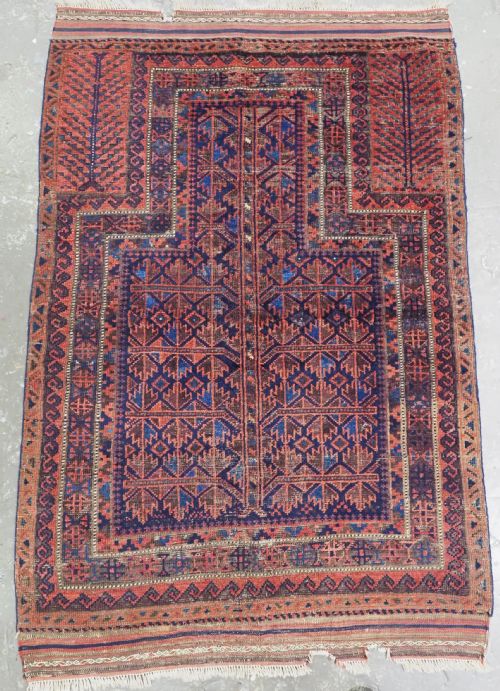


1880s Carpet
An 1880s antique carpet brings the rich texture of wool and tribal artistry directly into a room, offering genuine historical depth.
1880s Carpet
An 1880s antique carpet encompasses tribal and regional floor coverings made during the 1880 period, ranging from large room carpets down to prayer rugs and small dowry pieces. Buyers encountering this selection will find wool textiles originating from Caucasian, Turkmen, Ottoman, and Persian tribal makers.
How they were made
These carpets are constructed entirely from wool, utilising traditional hand-knotting techniques native to tribal workshops and nomadic groups. Weavers employed natural dyes to build deep colour palettes on blue grounds, ivory grounds, and various patterned fields.
The construction methods vary from large-scale room formats down to compact wedding dowry rugs and prayer formats. Artisans incorporated specific cultural motifs, such as Salor turreted guls, floral lattices, and diagonal stripes, directly into the wool foundation.
Some nineteenth-century weavers tucked personal tribal signatures into the borders, leaving subtle reminders of the hands behind the loom.
What varies in quality
Quality in an 1880s antique carpet rests on the clarity of the tribal design and the handling of regional motifs like floral lattices or specific guls. Stronger examples display deliberate composition in borders and field patterns, distinguishing standard work from more inspired tribal output.
The integrity of the wool pile and the precision of the knotting further separate individual examples. Pieces retaining strong structural integrity and clear regional characteristics command greater attention from collectors of nineteenth-century textiles.
The 1880s Carpet Glossary
- Chuval
- A large storage bag face produced by Turkmen tribes, often featuring multiple guls. These pieces were traditionally used within nomadic tents before entering the collector market as small decorative panels.
- Gul
- A medallion or repeating primary motif found in Central Asian and Turkmen weaving. Each tribal group utilised specific guls to signify lineage and cultural identity.
- Prayer rug
- A small rug featuring a mihrab or arch design indicating the direction of prayer. These formats were utilised for personal devotion in various Islamic regions.
- Kazak
- A style of Caucasian rug known for bold geometric designs and saturated colours. They were woven by village and tribal groups in the southern Caucasus.
- Runner
- A long, narrow carpet format designed for hallways or corridors. These pieces display repeating diagonal stripes or medallions suited to linear spaces.
1880s Carpet: Frequently Asked Questions
Where were these carpets made?
The pieces originate from Central Asia, Western Turkey, and the Caucasus, reflecting the distinct traditions of regions such as Shirvan, Oushak, and the territories inhabited by Tekke Turkmen, Baluch, and Qashqai tribes.
Production during the 1880 period involved both nomadic and village workshops operating within these specific geographical boundaries.
How do I identify a Kazak rug?
Kazak rugs from the Caucasus are recognised by their bold geometric designs, striking colour contrasts, and robust wool construction. They frequently incorporate large medallions and distinct tribal motifs.
These Caucasian pieces stand apart from the finer curvilinear designs found in Persian or Ottoman workshops through their direct, unpretentious geometry.
What is a wedding dowry rug?
A wedding dowry rug is a small textile piece created as part of a bride's traditional possessions among Turkmen tribes. Items like the Tekke chuval face served both decorative and functional purposes in nomadic life.
These pieces encapsulate intimate family weaving traditions distinct from large commercial workshop carpets.
How should I care for an antique wool carpet?
An antique wool carpet benefits from gentle vacuuming without a beater bar and professional cleaning when necessary. Keeping the textile out of direct, prolonged sunlight helps preserve the natural dyes.
Placing a breathable underlay beneath the carpet prevents slipping and reduces friction against the wool foundation.