


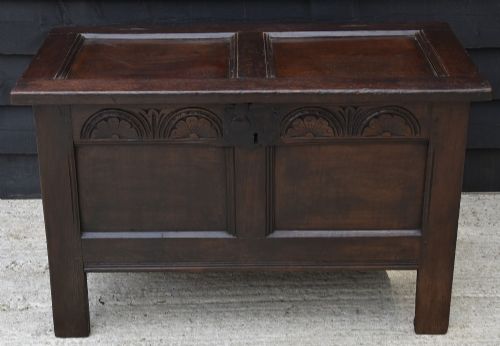
17th Century Wooden Chest
These 17th century wooden chest examples offer centuries of domestic history, bringing solid oak and rich grain directly into a modern room.
17th Century Wooden Chest
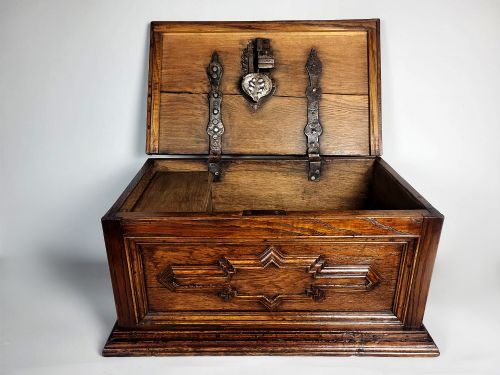
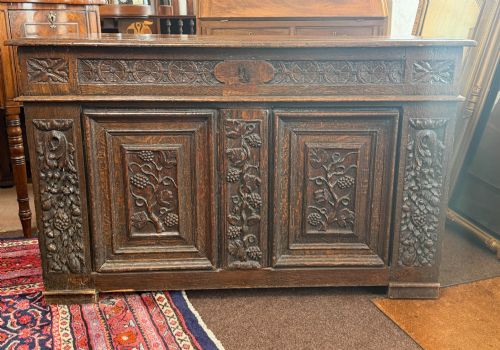
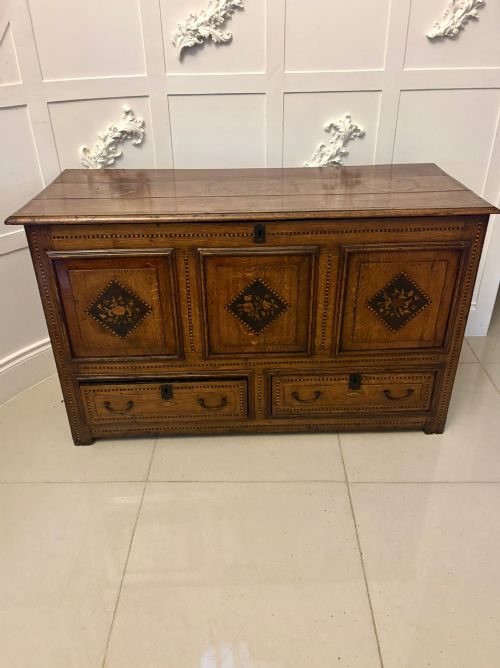
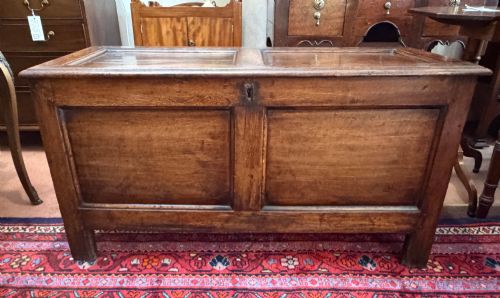
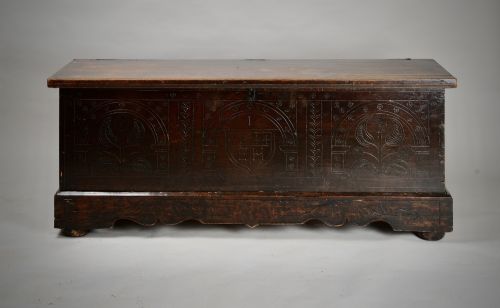
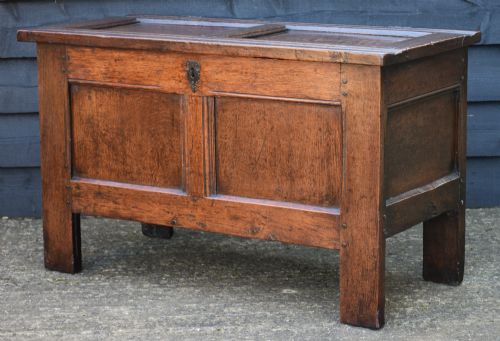
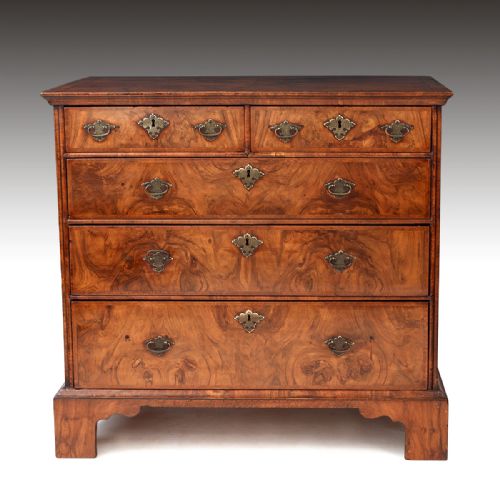
When searching for a 17th century wooden chest, a buyer encounters heavy utilitarian storage containers that transitioned from simple household boxes to decorative furniture. The listings on this page consist predominantly of robust coffers and blanket chests alongside occasional chests of drawers and cabinets.
Most pieces date from the 17th century itself, though the selection also includes later revival pieces and related formats like elm six-plank coffers. These objects range from vernacular Welsh and Cornish pieces to grander continental examples in walnut, mahogany and cypress wood.
The primary forms found here served to store textiles, valuables or documents in domestic and ecclesiastical settings. Their enduring appeal lies in the visible timber grain and the tactile evidence of early joinery.
Materials and construction
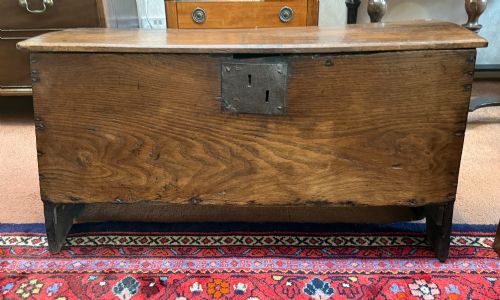
Joiners built these items primarily using native oak, supplemented by elm, fruitwood, walnut and exotic woods like mahogany and cypress for specific regional commissions. Construction methods relied heavily on frame and panel joinery or sturdy six-plank assemblies joined with pegged joints.
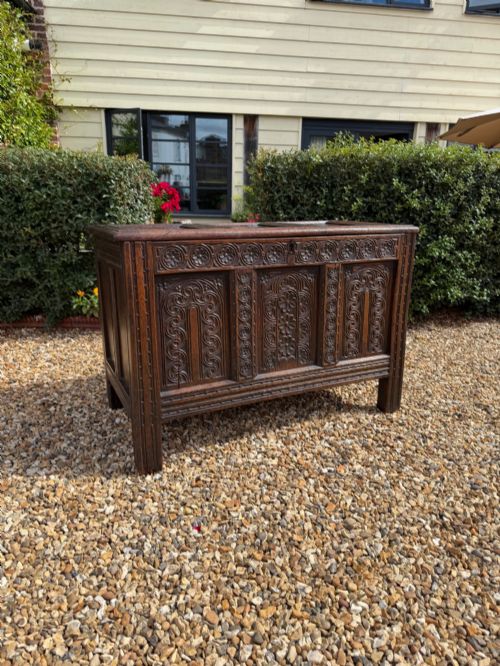
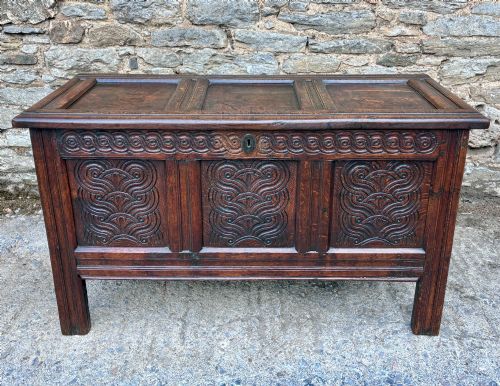
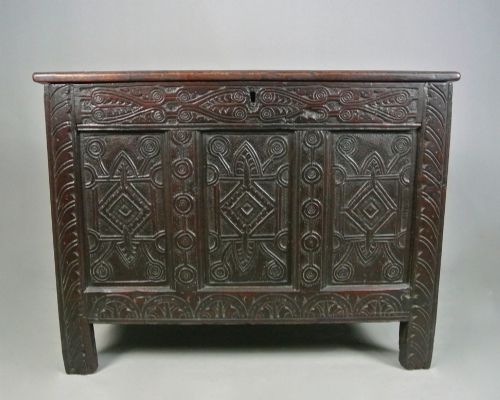
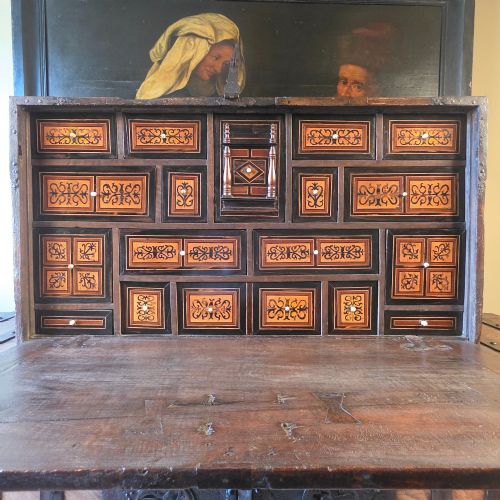
Decoration on these surfaces involved deep carving, geometric moulding and intricate marquetry inlay using contrasting woods. Iron and brass fittings such as hinges, lock plates and carrying handles provided necessary reinforcement and security.
Listings span multiple centuries, incorporating 17th century foundations alongside 18th century examples and later 19th and 20th century revival pieces.
Judging quality and character
The quality of a piece rests upon the integrity of its timber and the crispness of its original hand carving. Items retaining deep patination and minimal structural alteration command greater respect from collectors.
Proportion and regional distinctiveness also elevate certain examples above standard utilitarian boxes. Pieces that preserve original boarded lids, ironwork and structural pegs demonstrate superior craftsmanship from their period.
The 17th Century Wooden Chest Glossary
- Coffer
- A heavy wooden chest traditionally used for storing valuables, linen or documents. These sturdy boxes often feature flat lids that served secondary uses as benches or tables.
- Mule chest
- A storage chest featuring one or more drawers built into the base beneath the main compartment. This form bridges the evolution between the simple coffer and the modern chest of drawers.
- Six-plank coffer
- A primitive box construction formed from six individual planks nailed or pegged together at the edges. This method represents one of the oldest forms of domestic chest joinery.
- Marquetry inlay
- Decorative wood veneers arranged in complex patterns and glued onto the structural surface. This technique added visual richness and colour contrast to elite furniture.
- Joined oak
- Furniture constructed using mortise and tenon joints locked with wooden pegs rather than simple nails. This traditional framework allowed the timber to expand and contract naturally over centuries.
17th Century Wooden Chest: Frequently Asked Questions
What did they store inside?
These chests primarily held household textiles, valuable clothing, silver and important documents safe from dampness and pests.
In both domestic and ecclesiastical environments, they functioned as secure portable vaults before built-in closets became common.
How do I clean the wood?
Maintain the surface simply by applying traditional beeswax and gently buffing with a soft dry cloth.
Avoid modern liquid polishes or water, which can damage historic finishes and dry out the ancient timber.
Where should I place it?
Position the piece away from direct sunlight, radiators and fireplaces to prevent the timber from warping or splitting.
They work well in hallways, living rooms or bedrooms as functional storage surfaces that anchor a room.
Are original hinges common?
Many pieces retain their original hand-forged iron strap hinges, though replacements are frequently encountered due to centuries of heavy use.
Examining the metalwork closely helps determine whether the hardware matches the age of the timber body.
How can I date the construction?
Dating relies on observing the joinery techniques, tool marks, wood species and stylistic carving motifs characteristic of specific reigns.
Changes in moulding profiles and assembly methods provide reliable clues to whether a piece originates from the early or late seventeenth century.