

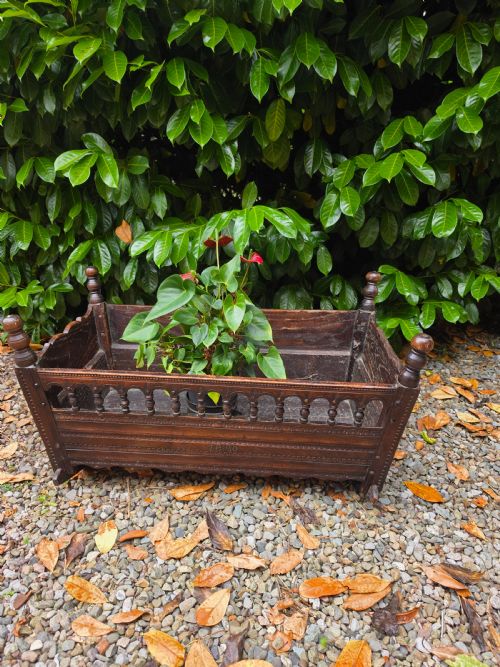
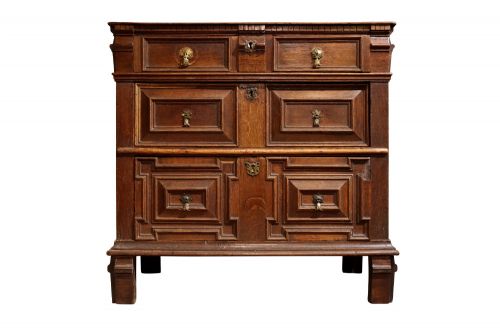


17th Century Style Furniture
These 17th century style furniture pieces bring heavy timber, carved panels, and dark patination into modern rooms.
17th Century Style Furniture
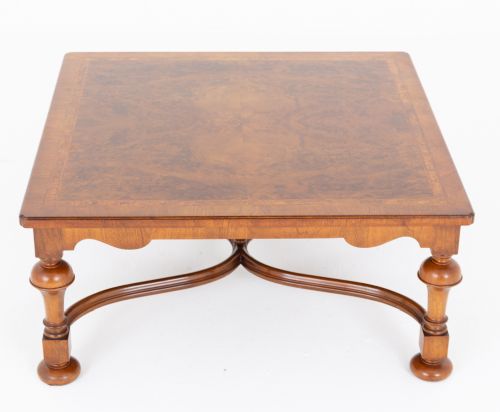
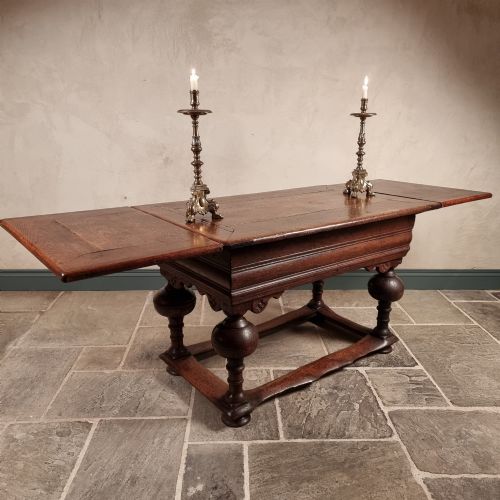
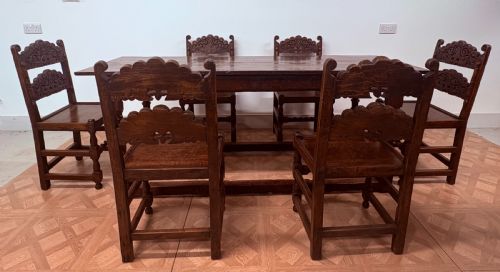
Buyers seeking 17th century style furniture encounter heavy timber items built for utility and display, ranging from large dining tables and court cupboards down to joint stools and side chairs. The pieces span genuine period examples alongside later revivals from the Victorian era and the early twentieth century.
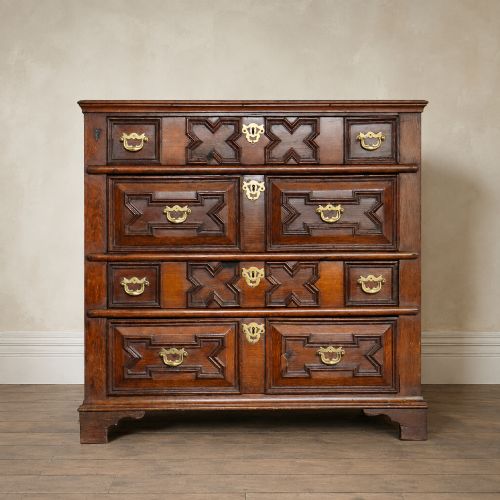
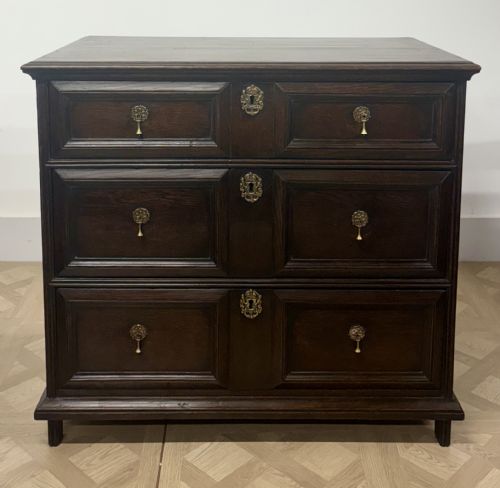
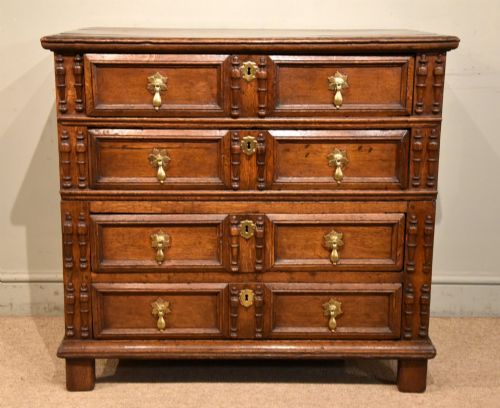
Chest of drawers and desks dominate the domestic forms, alongside armchairs, side chairs, and occasional tables in walnut, oak, and fruitwood. Many items carry regional characteristics, such as Scottish clan chairs or Flemish baroque side cabinets.
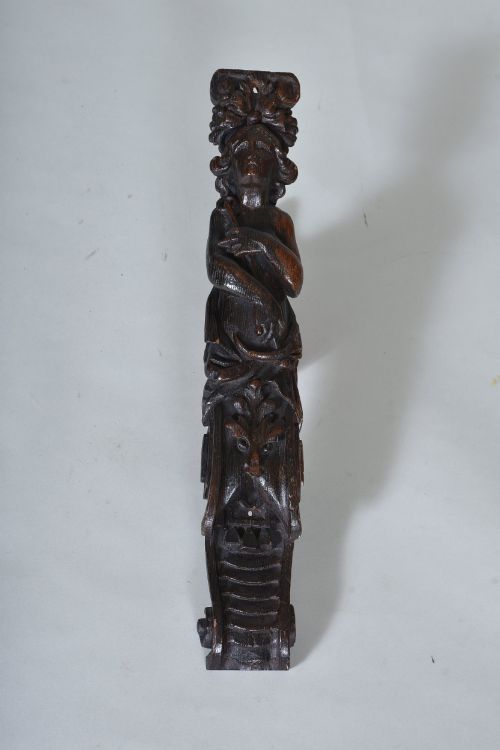
The selection ranges from simple boarded settles and plain joint stools to highly ornamented partner desks with hand-carved religious panels and inlaid walnut bureau chests. Buyers meet both functional storage furniture and decorative seating carrying carved motifs.
Materials and construction methods
Makers relied primarily on native oak, supplemented by walnut, fruitwood, yew wood, and iron hardware. Timber was frequently joined using mortise and tenon joints secured with wooden pegs rather than metal nails.
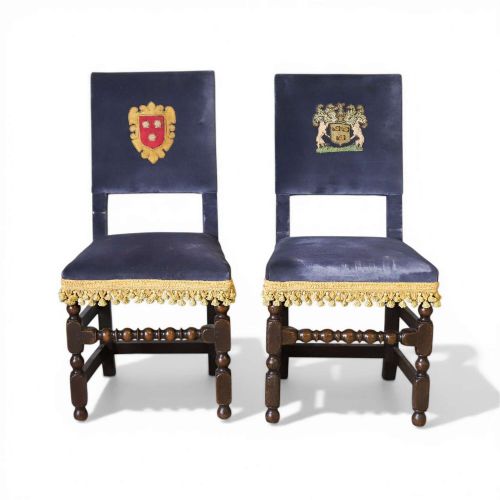
Surface decoration involved geometric moulding, chip carving, linenfold panels, and oyster veneer inlay using olive and holly. Upholstery on chairs utilised velvet secured with brass tacks.
Structural framing prioritized rigidity, seen in heavy refectory tables, box settles, and court cupboards built to withstand daily use over centuries.
Listings include oak, walnut, fruitwood, yew wood, brass, iron, and velvet across chairs, chests, tables, and desks spanning multiple centuries.
Distinctions in quality and execution
Quality separates pieces by the crispness of hand-carved details and the depth of the timber patination built up through age and wax polishing. Higher grade items display sophisticated geometric mouldings and balanced proportions rather than crude assembly.
The choice of secondary timbers and the integrity of early joinery separate standard utility items from important library bookcases and armorial chairs. Finer surfaces exhibit careful matching of oyster veneers and intact caning or original velvet upholstery.
The 17th Century Style Furniture Glossary
- Wainscot chair
- A heavy wooden armchair with a solid panelled back and panelled seat, common in the seventeenth century.
- Joint stool
- A sturdy wooden stool constructed with mortise and tenon joints, used for seating or tables.
- Court cupboard
- A two-tier enclosed cabinet used for displaying plate and storing household goods.
- Oyster veneer
- Thin slices of branch wood cut across the grain to create circular or oval patterns resembling oyster shells.
- Refectory table
- A long narrow dining table designed for communal dining in large halls.
17th Century Style Furniture: Frequently Asked Questions
How do I identify a genuine period piece?
Examine the timber shrinkage, tool marks, and construction methods used in the frame and drawer linings. Hand-cut joints and pegged tenons indicate older methods of manufacture.
Compare the patination and wear patterns on touch points with later revival items made during the Victorian era or the twentieth century.
What rooms suit these wooden items?
Heavy oak and walnut pieces anchor large dining rooms, libraries, and hallways with strong architectural presence. Their dark timbers contrast effectively against plain plastered walls.
Smaller items like joint stools and occasional tables fit easily into domestic spaces as bedside stands or plant pedestals.
How do I care for oak furniture?
Apply traditional beeswax periodically to nourish the dry timber and maintain a soft protective sheen. Avoid placing wooden items near direct heat sources or in fluctuating humidity.
Clean surfaces with a soft dry cloth rather than modern silicone sprays that damage historic wax finishes.