





17th Century Style Frame
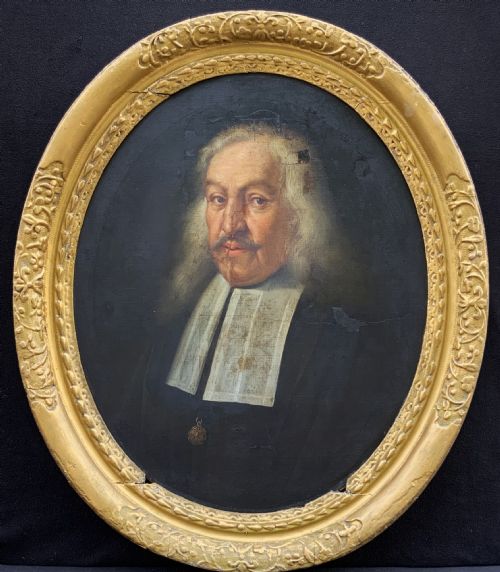
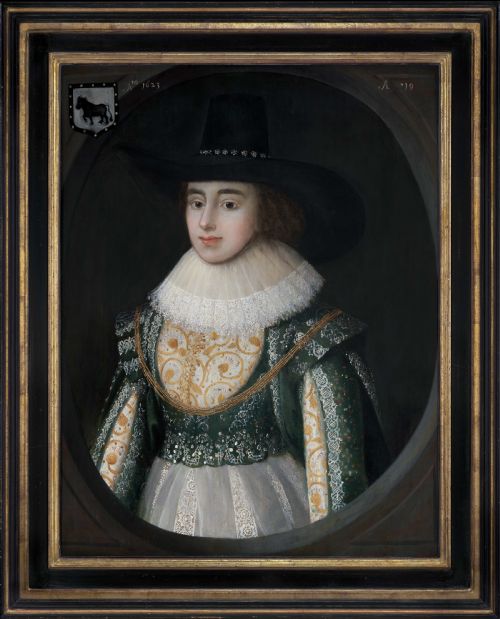
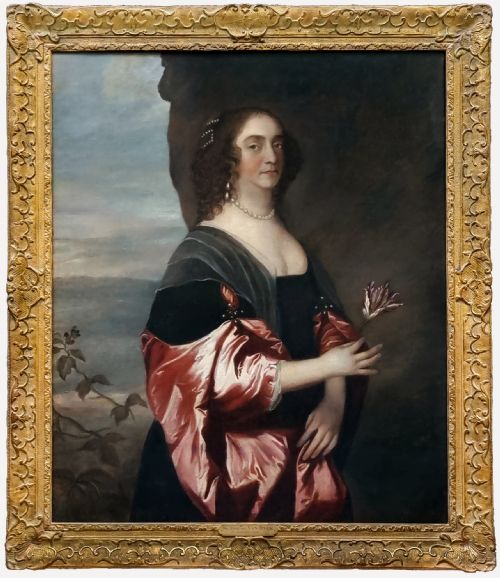
A 17th century style frame typically encases historic oil paintings, old master portraits and period mirrors originating from oak, walnut and giltwood.
17th Century Style Frame
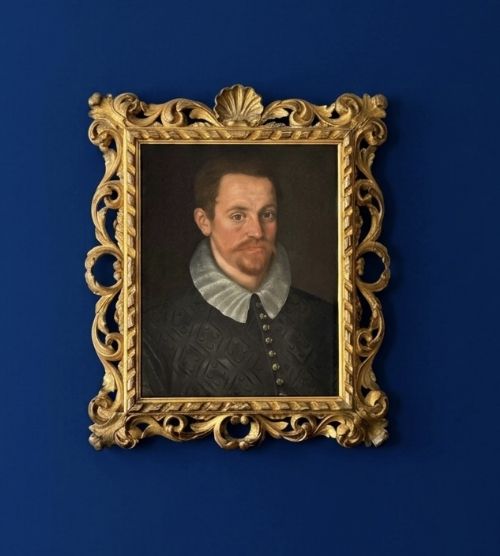
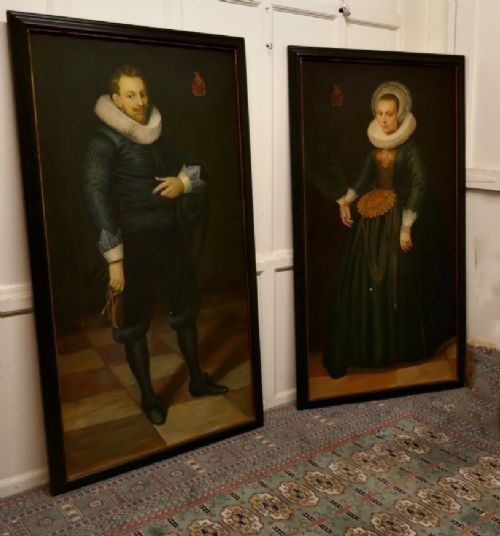
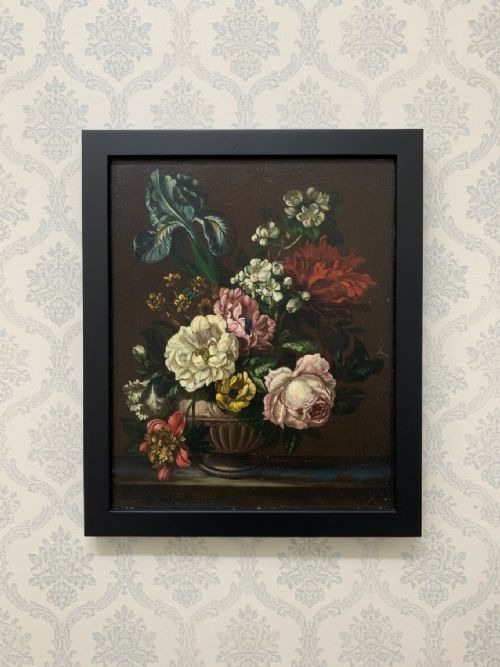
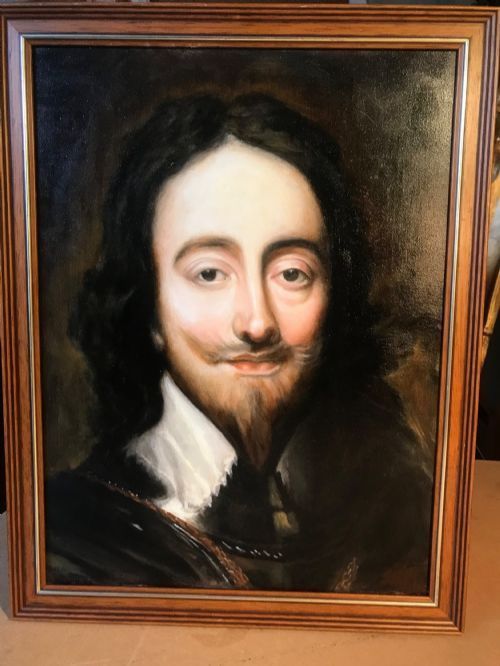
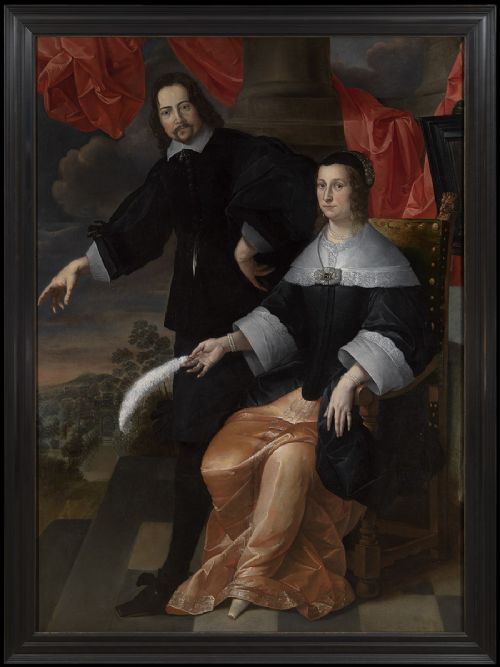
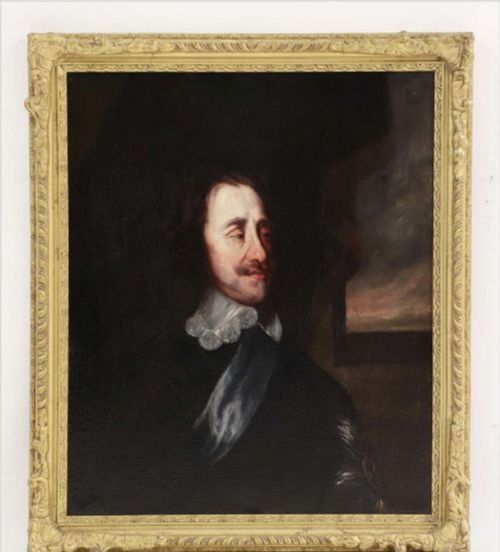
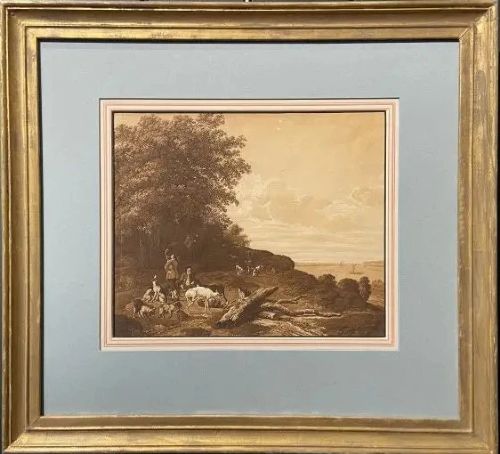
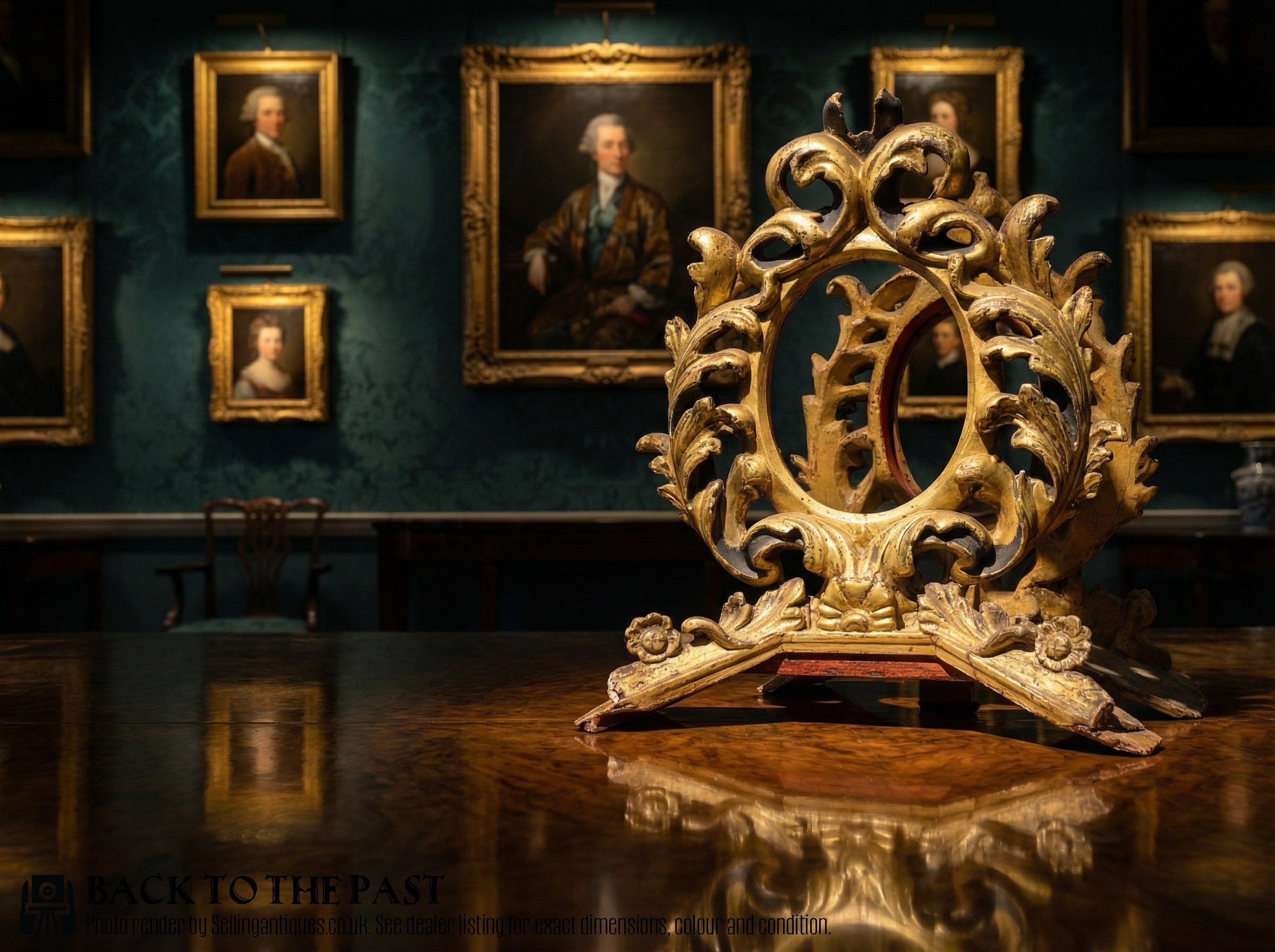
When searching for a 17th century style frame, buyers encounter period and revival items that echo the heavy moulding and dark wood characteristics of the era. These pieces frequently house oil on canvas portraits, Dutch school landscapes and fine art panels depicting nobility and genre scenes.
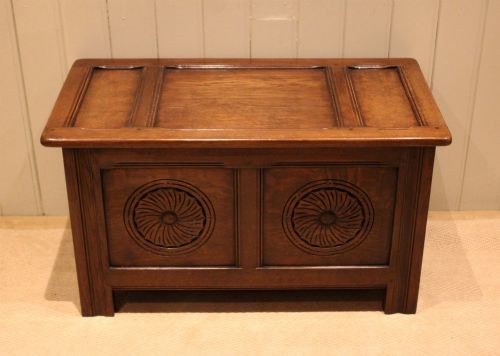
The selection ranges from genuine 17th century artefacts to 19th century revival interpretations and later oak-framed furnishings like coffers and sofas. Surviving examples often display the robust craftsmanship associated with Baroque, Jacobean and Flemish design traditions.
Buyers frequently find these frames integrated into works attributed to various European schools, maintaining the visual weight and profile of the period. The object types span wall mirrors, dining chairs and side tables alongside traditional canvas paintings.
How They Were Made
Makers utilised timber such as oak and walnut as the foundational structure for these frames and furniture pieces, often applying parcel-gilding or gold leaf highlights to enhance prominent mouldings. Panels and canvases utilised oil paint layers applied by artists working within specific regional traditions.
Techniques relied on traditional joinery methods appropriate for heavy woods, alongside hand-carved ornamentation typical of the Baroque and Jacobean periods. Gilding involved the careful application of thin metal leaf over prepared grounds, creating the luminous surfaces seen on elite examples.
Several portraits capture subjects wearing remarkably stiff ruffs, suggesting that historical fashion demanded exceptional posture.
What Varies in Quality
Quality depends heavily on the depth and precision of the carved details within the wood or gilt surface, distinguishing master craftsmanship from simpler production. The integrity of the original materials, whether aged oak or applied gold leaf, plays a primary role in the standing of the piece.
The authenticity of the period construction methods and the harmony between the artwork or mirror plate and its surround determine the overall coherence of the object. Pieces reflecting direct execution by notable European schools command greater attention than later revival iterations.
Sir Anthony van Dyck·Sir Peter Lely·Cornelius Johnson·David Teniers·Daniel Marot
The 17th Century Style Frame Glossary
- Giltwood
- Wood that has been coated with gold leaf or a gold-coloured finish. This technique was widely utilised to give carved mouldings a luminous, costly appearance.
- Jacobean
- The style of design prevalent during the reign of James I, characterised by sturdy proportions and geometric carved ornamentation. It forms a key foundation for 17th century aesthetics.
- Baroque
- An artistic style marked by ornate detail, dramatic movement and grand scale. In frames and furniture, this translates to deep relief carving and dynamic scrollwork.
- Oil on Canvas
- A traditional painting medium where pigments suspended in oil are applied to stretched fabric. It represents the primary surface format for portraits from this era.
- Panel Painting
- Artwork executed on a flat piece of wood rather than canvas. Oak was frequently utilised for this purpose in early Northern European works.
17th Century Style Frame: Frequently Asked Questions
What defines a 17th century style frame?
These surrounds are characterised by heavy wooden profiles, dark oak or walnut construction, and rich surface treatments such as parcel-gilding. They are built to complement the visual weight of old master paintings and period mirrors.
Design elements often include deep cavetto mouldings, strapwork, and carved foliate details associated with Baroque and Jacobean aesthetics.
How do I care for antique wood and gilt frames?
Keep these pieces away from direct sunlight and sudden humidity shifts to prevent the wood from splitting and the gilt surface from flaking. Gentle dusting with a dry, soft brush is usually sufficient for regular maintenance.
Avoid using liquid cleaners or polishes on gilded or historic wooden surfaces, as moisture can permanently damage the delicate leaf and preparation layers.
What types of art fit these frames?
Oil paintings on canvas or wood panel, particularly portraits and landscapes from Dutch and Flemish schools, pair naturally with these surrounds. The dark woods and gold leaf enhance the rich palettes typical of historic fine art.
Mirrors utilising these styles also function effectively as focal points in period-inspired interiors, echoing the architectural detailing of historic rooms.