


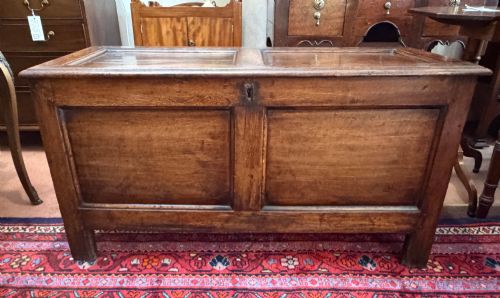
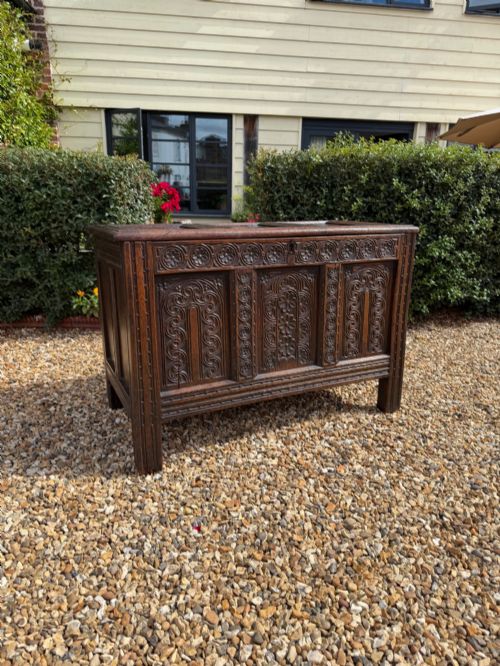
17th Century Oak Panelling
These heavy timber fragments and joined boards of 17th century oak panelling bring architectural gravity and centuries of domestic history into modern rooms.
17th Century Oak Panelling
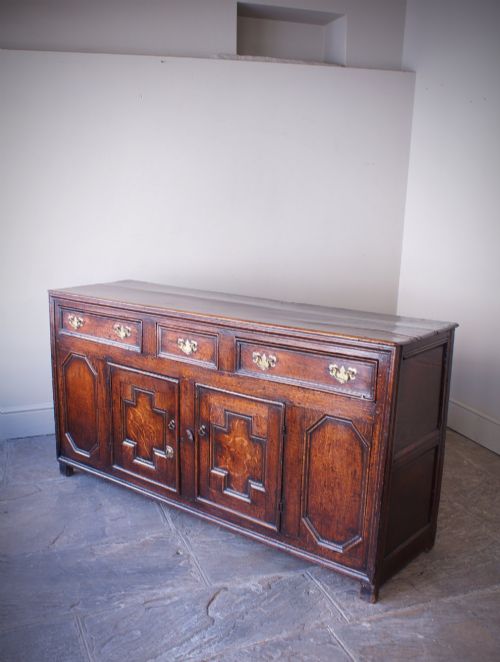
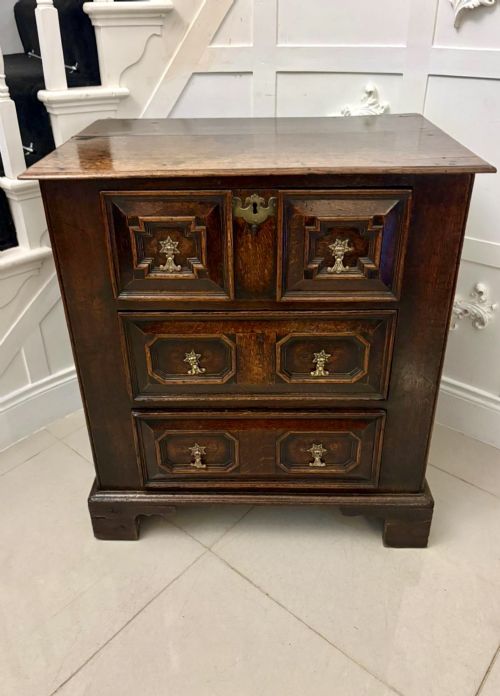
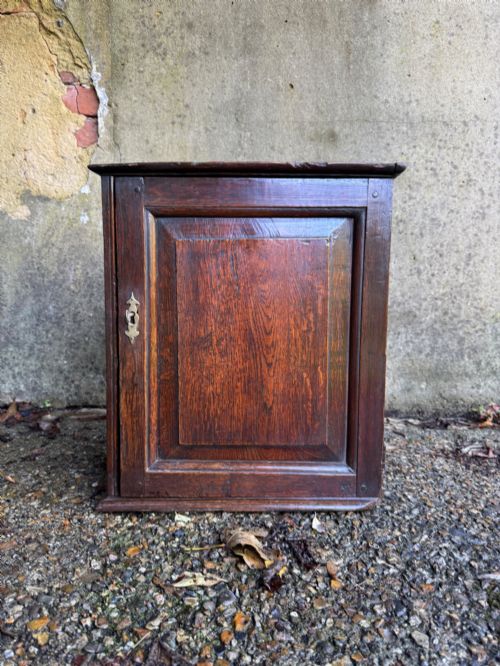
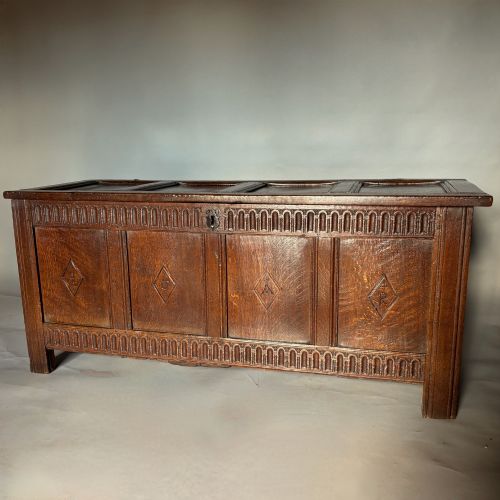
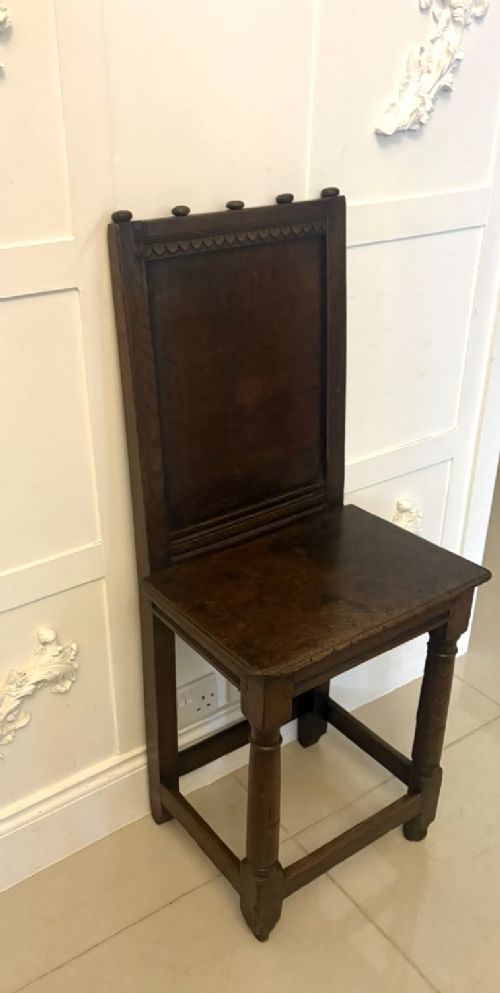
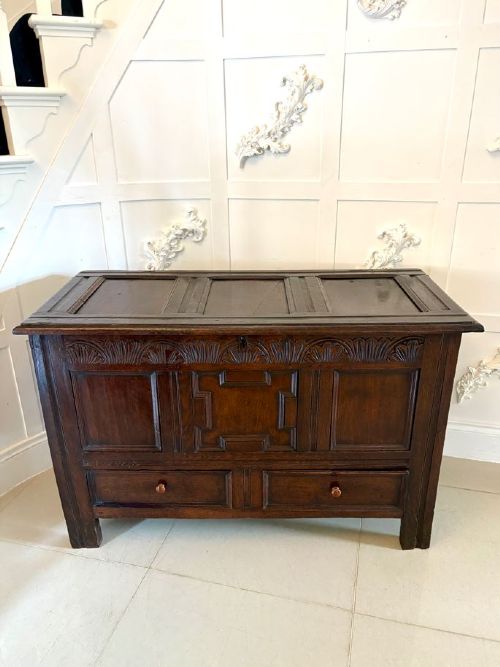
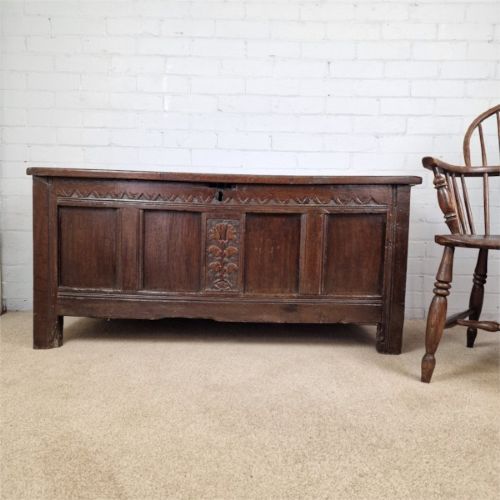
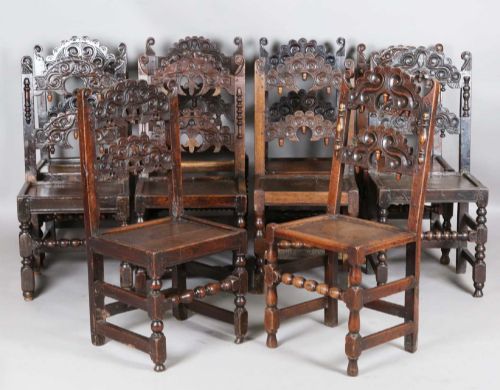
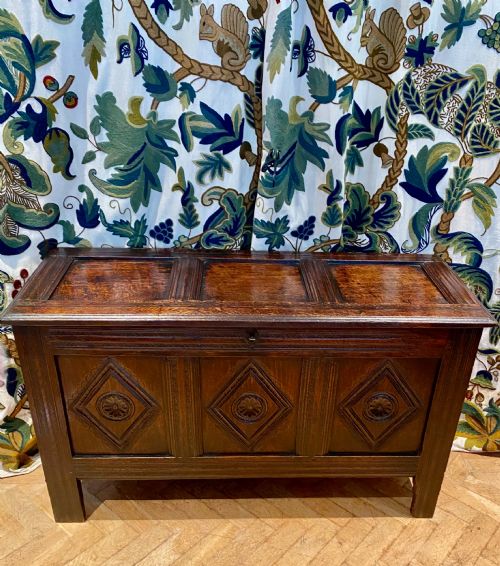
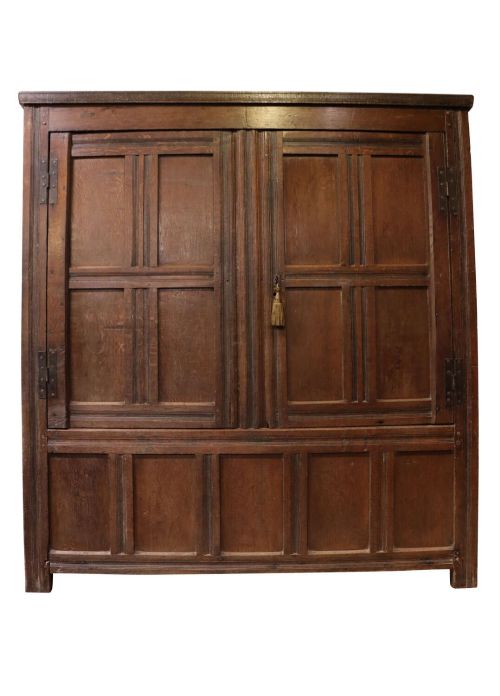
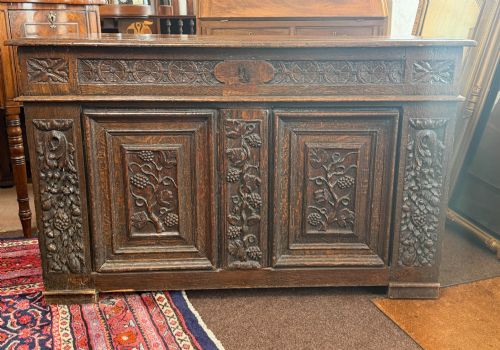
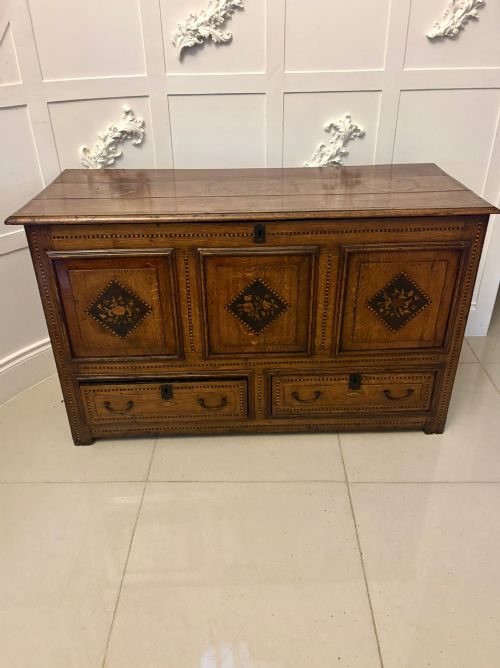
Buyers seeking 17th century oak panelling encounter architectural elements, carved wall panels, and fitted boards alongside storage forms such as coffers, chests, and wainscot armchairs that share the same period joinery and timber characteristics.
The items range from authentic Jacobean and Charles II architectural panels to later revival pieces from the twentieth century, reflecting varied periods of interior timberwork.
Most examples originate from English, Welsh, and continental European workshops, utilising solid timber construction methods typical of the seventeenth century.
Distinctions in quality and execution
Depth and crispness of the hand-carving separate standard utility boards from exceptional architectural panels, where crisp execution of figural or geometric motifs demonstrates superior workshop skill.
The integrity of the original timber surface and the depth of the natural patina distinguish untouched historical boards from heavily restored or later revival pieces.
Some panels retain centuries-old candle soot in their carved recesses, recording the dim lighting of early rooms.
The 17th Century Oak Panelling Glossary
- Coffer
- A heavy wooden chest used for storage, constructed with frame and panel techniques. These items often feature carved fronts typical of seventeenth-century domestic interiors.
- Wainscot
- A type of solid oak armchair or wall lining associated with domestic interiors of the period. The term denotes panelled wooden construction.
- Linenfold
- A style of relief carving resembling folded fabric, frequently seen on medieval and seventeenth-century panels. This technique gives flat boards a textured, vertical appearance.
- Marquetry
- The art of applying decorative veneer pieces to a structure to form geometric or pictorial designs. This technique appears on select chests and storage furniture.
- Jacobean
- The style of English art and architecture spanning the early seventeenth century during the reign of James I. It is characterised by robust proportions and strapwork carving.
17th Century Oak Panelling: Frequently Asked Questions
Where was oak panelling used?
Carpenters fitted these timbers directly to the interior walls of principal rooms, halls, and galleries in seventeenth-century domestic and civic buildings.
The installation provided insulation against draughts while displaying the status and wealth of the property owner through decorative carving.
How do I care for old oak?
Maintain stable humidity and temperature levels in the room to prevent the dry timber from splitting or warping over time.
Apply traditional bees-wax sparingly to nourish the grain and preserve the historic surface without introducing synthetic finishes.
Are these panels authentic period pieces?
The selection includes both genuine seventeenth-century architectural elements and later revival pieces produced during subsequent centuries.
Examination of the pegging, tool marks, and timber shrinkage helps determine the exact period of manufacture for each board.
How were boards joined together?
Joiners utilised post-and-panel construction, allowing solid wood boards to expand and contract within grooved frames without splitting.
Wooden pegs locked the mortise and tenon joints securely in place without requiring modern metal fasteners.