

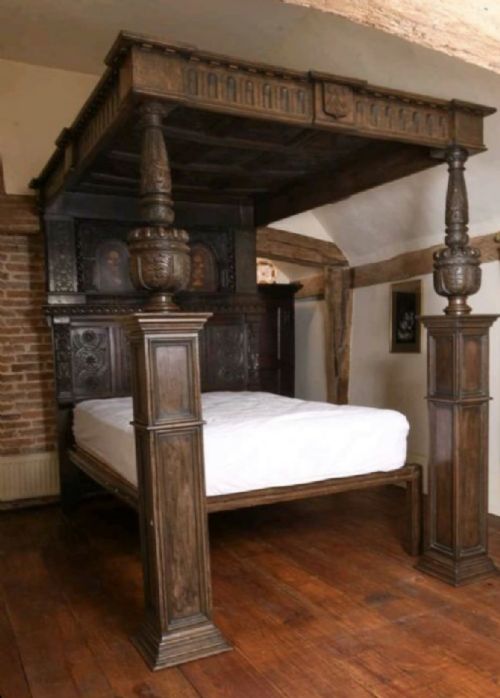


17th Century Oak Bed
These heavy timber frames bring genuine seventeenth century character and presence to a bedroom, whether you choose a sleeping platform or a storage chest.
17th Century Oak Bed
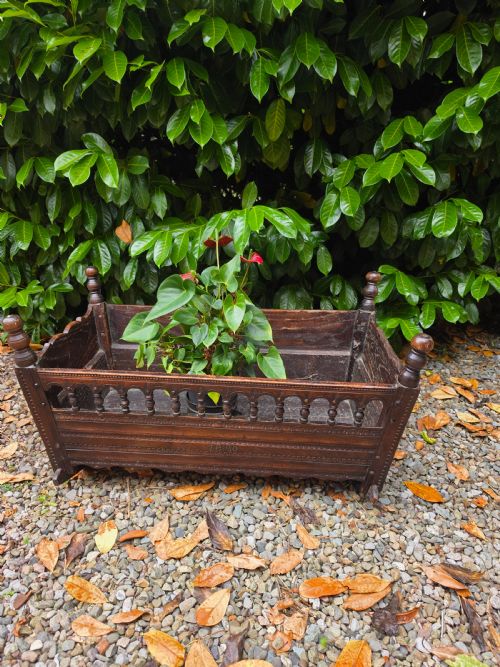
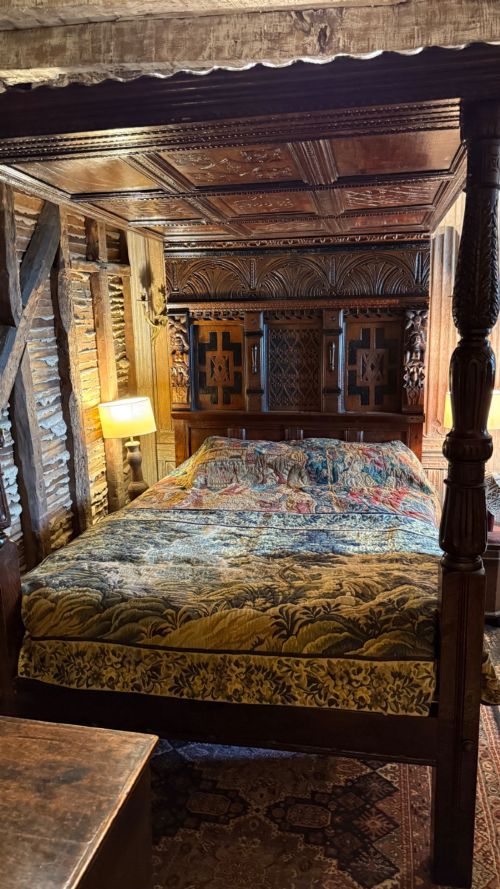
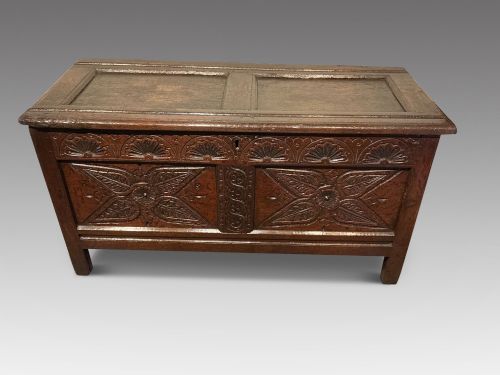
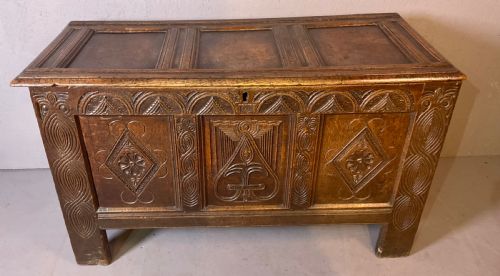
When searching for a 17th century oak bed, buyers encounter both authentic period sleeping structures and later revival pieces constructed in the same robust timber. The selection frequently includes four poster tester beds, blanket chests, coffers, and mule chests associated with the same era.
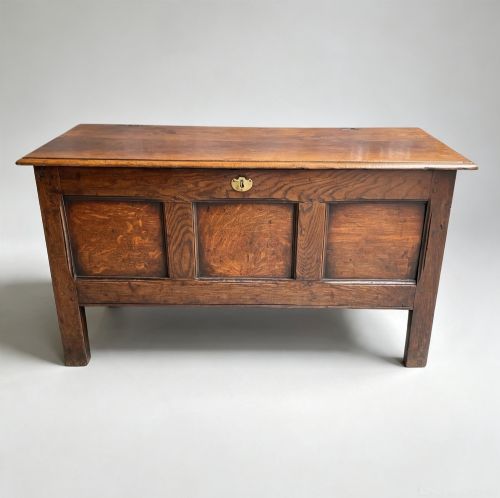
Original pieces date back through the Stuart reigns, including Charles I, Charles II, and the Commonwealth period, alongside later revival iterations from the early twentieth century. Many surviving examples take the form of panelled coffers and blanket boxes rather than standing beds.
Regional variations appear across the collection, including Yorkshire and North Country pieces alongside French examples. These sturdy items served domestic storage and sleeping needs before evolving into prized antique focal points.
Materials and Construction
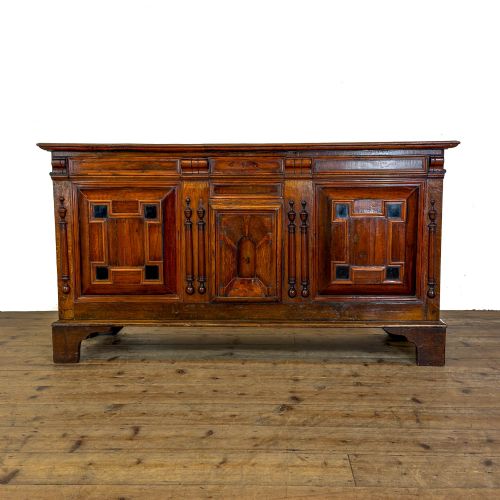
Makers relied primarily on solid oak, frequently augmented with contrasting fruitwood inlay, ebonised wood, and marquetry details. Structural integrity relied on iron and brass fixings alongside traditional joinery techniques.
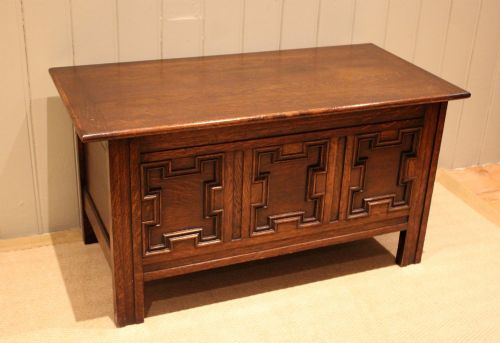
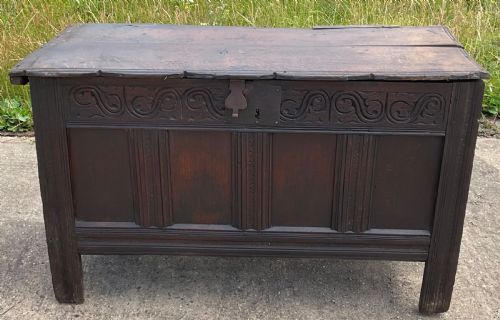
Carved decoration adorned panels and testers, utilising hand tools to create geometric patterns and figurative motifs. Some pieces incorporate painted finishes or wrought iron hardware to secure the heavy timber assemblies.
Evaluating the Craftsmanship
The standard of carving defines the distinction between standard items and exceptional examples, with crisp, deeply cut relief work showing superior artisan skill. Original surface patination and untouched timber construction carry significantly more weight than later replacement sections.
Proportion and structural balance separate simpler utilitarian items from grander architectural forms like full tester beds and inscribed mule chests. The integration of secondary woods like fruitwood inlay also indicates a higher tier of workshop production.
The 17th Century Oak Bed Glossary
- Tester
- The wooden canopy or ceiling over a four poster bed. It is often supported by substantial carved posts.
- Coffer
- A large wooden chest used historically for storage. These items frequently feature panelled construction and carved fronts.
- Mule chest
- A chest featuring one or more drawers at the base beneath the main storage compartment. They often date from the seventeenth century.
- Jacobean
- A design style spanning the reign of King James I and subsequent seventeenth century periods. It is characterised by dark oak and geometric panelling.
- Marquetry
- Decorative inlay work using various coloured woods to create intricate patterns. This technique appears on select chests and storage pieces.
17th Century Oak Bed: Frequently Asked Questions
How do I fit a modern mattress?
Original frames were constructed for historical dimensions rather than standard modern sizing. Many surviving tester beds accommodate custom or altered bases to support contemporary mattresses.
Buyers should verify internal frame measurements carefully before purchasing a historic sleeping platform.
Are these pieces made of solid oak?
Authentic period examples utilise heavy solid oak timbers throughout the structural framework and panelling. Secondary woods like fruitwood occasionally appear in inlay work and smaller decorative elements.
Revival pieces from the early twentieth century generally maintain this heavy timber tradition.
What is a mule chest?
A mule chest combines the lift-up lid storage of a traditional blanket box with lower drawer compartments. This hybrid form gained popularity during the seventeenth century.
Inscribed examples sometimes display original owner initials and dates from the Commonwealth period.
How do I tell revival from period?
Period items exhibit centuries of natural timber ageing, tool marks, and authentic structural wear patterns. Revival pieces produced around nineteen-twenty often show different joinery methods and cleaner wood surfaces.
Examination of the interior construction and hardware usually reveals the true age of the timber.