

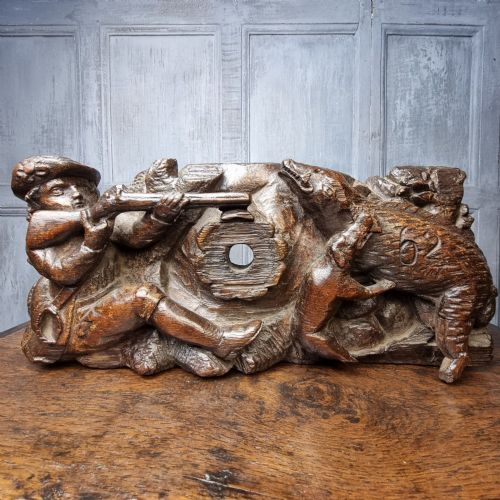


17th Century Architectural Panel
A 17th century architectural panel brings centuries of carved timber history and bold relief work straight into a modern interior.
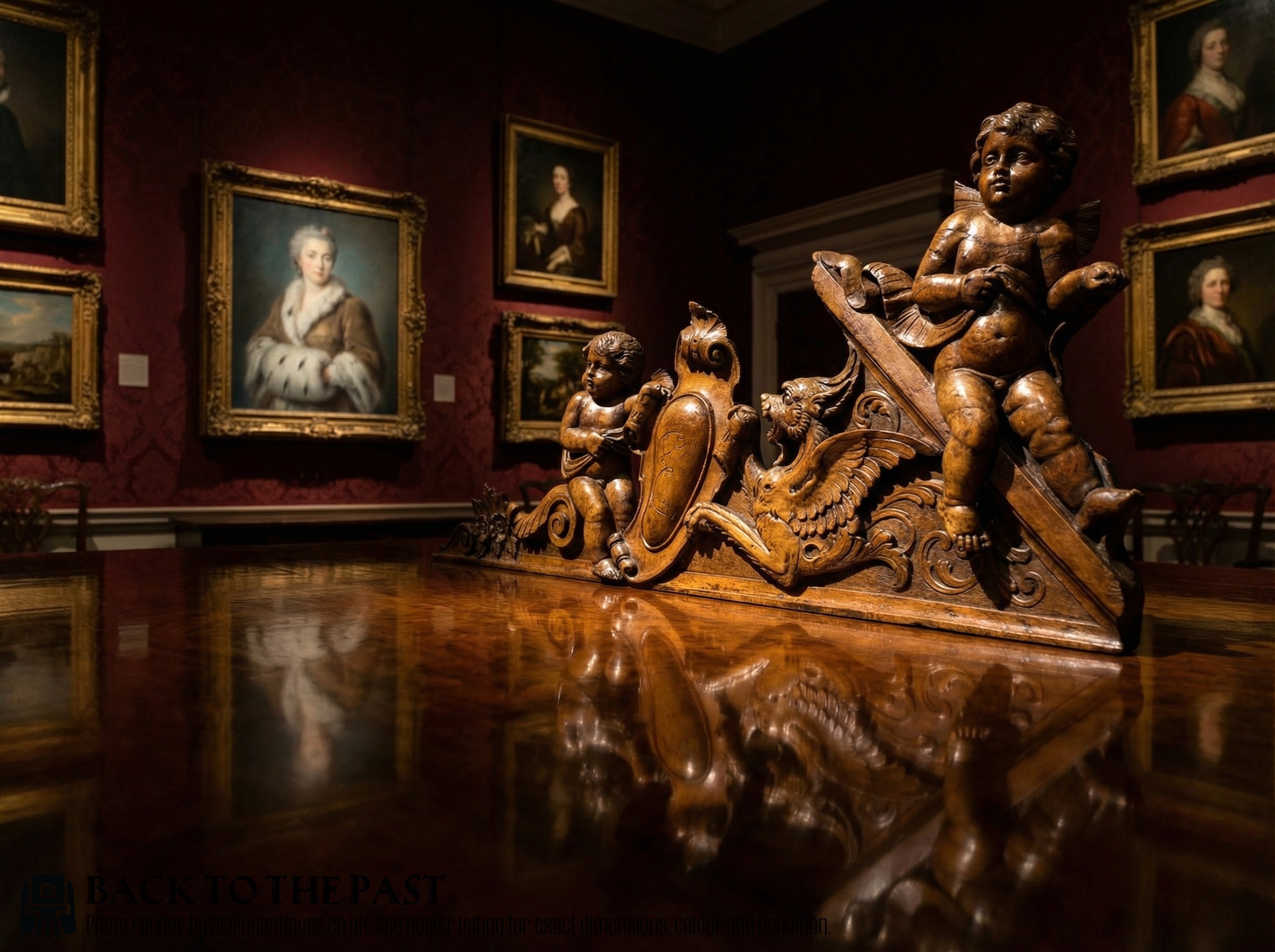
17th Century Architectural Panel
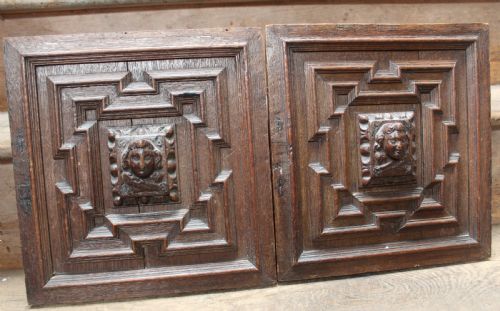
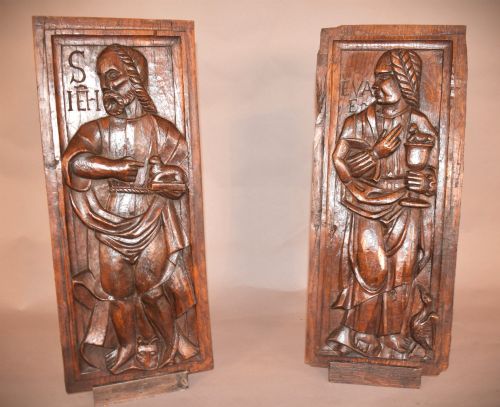
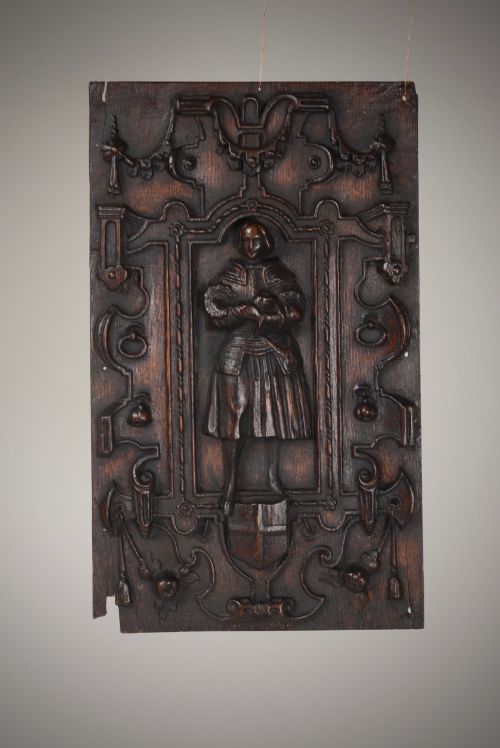
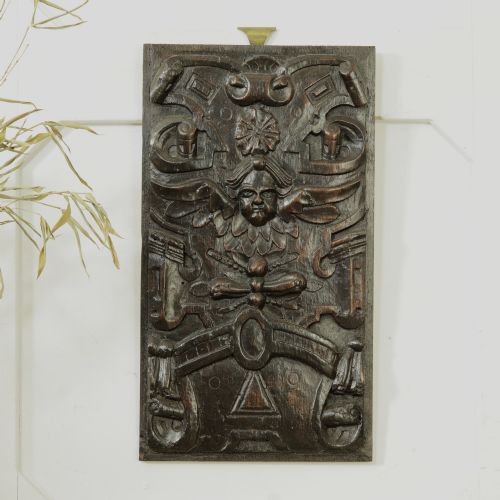
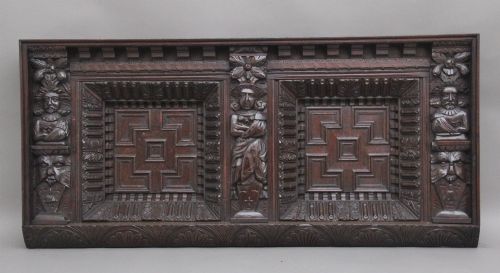
A 17th century architectural panel encompasses timber carvings, wall reliefs, and salvaged fragments originating predominantly from the seventeenth century, alongside earlier sixteenth-century examples. These items appear as individual carved panels, pairs, friezes, overmantles, and overdoor panels.
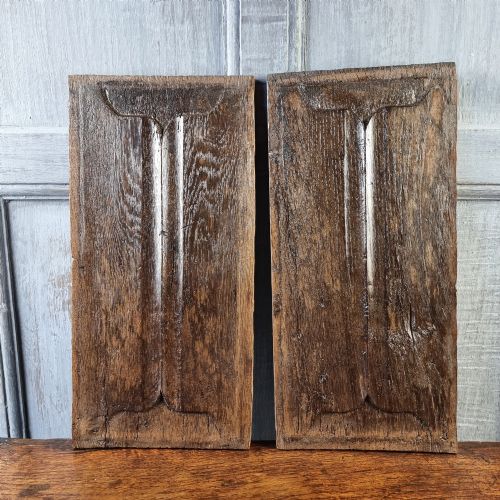
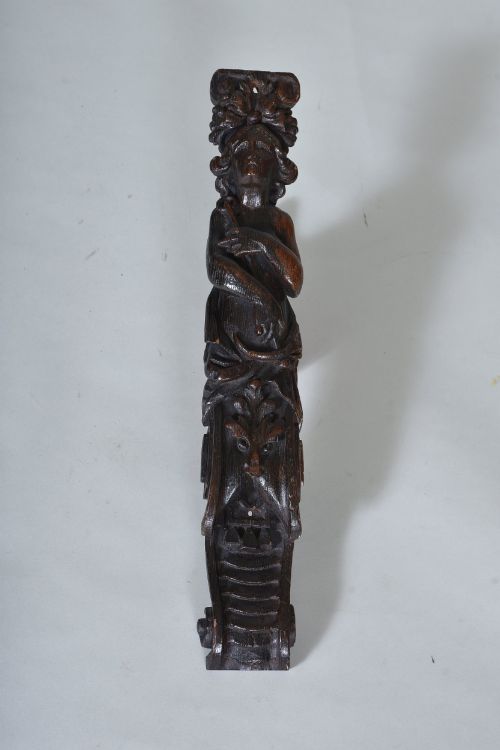
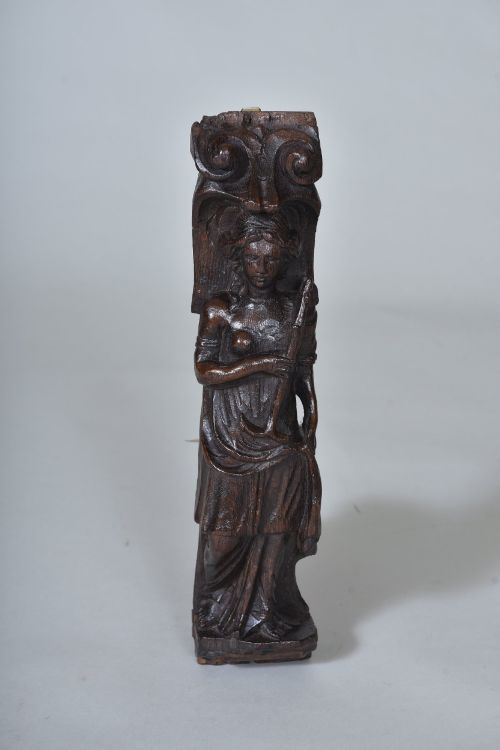
The aesthetic vocabulary spans Jacobean, Tudor, and Baroque traditions, incorporating specific motifs like linenfold patterns, acanthus leaves, caryatids, and figural representations such as Joan of Arc or cherub armorials. Buyers encounter these forms functioning as wall art and structural salvage.
Most entries belong strictly to the seventeenth century, utilising robust native and continental hardwoods shaped by period joinery and carving techniques.
How they were made
Makers utilised solid oak and walnut, working the timber with hand tools to achieve high-relief and pierced carvings. Oak provides the foundational medium for the vast majority of English items, while walnut appears in continental pieces.
The construction relies on traditional joinery methods appropriate for architectural salvage, friezes, and overmantle installations. Carvers employed gouges and chisels to render complex botanical motifs, linenfold folds, and dynamic figural scenes directly into the dense wood.
17th Century Architectural Panel Retail Price Guide 2026
Typical asking prices for 17th century architectural panel among the pieces listed under this phrase on Sellingantiques today, from the lower quarter to the upper quarter. They describe what is for sale here now, not the wider market.
Listings feature oak and walnut across sixteenth and seventeenth-century periods, spanning English and Italian origins.
What varies in quality
Depth and crispness of the carving distinguish individual examples, ranging from flat surface work to deep high-relief and pierced foliage. The skill evident in anatomical rendering and botanical detail marks the division between standard workshop production and master carver output.
Surface preservation and the integrity of the original timber define the physical state of each surviving fragment. Pieces exhibiting minimal later alteration retain higher historic character than heavily adapted overmantles or composite assemblies.
Edward Pearce
The 17th Century Architectural Panel Glossary
- Architectural salvage
- Building elements rescued from older structures for decorative reuse. These pieces often originate from dismantled panelling, staircases, or chimneypieces.
- Linenfold
- A style of wood carving that imitates folded linen cloth. This motif appears frequently on sixteenth and seventeenth-century panels.
- Acanthus
- A classical ornamentation derived from the Mediterranean plant of the same name. Carvers utilised these stylized foliage scrolls extensively in Baroque designs.
- Caryatid
- A sculpted female figure serving as an architectural support. These forms appear carved directly into timber panels and structural pilasters.
- Overmantle
- A decorative panel or carved framework positioned above a fireplace opening. Surviving examples frequently span significant widths to command the chimney breast.
17th Century Architectural Panel: Frequently Asked Questions
Where were these panels originally placed?
These carved timbers functioned as integral components of elite domestic interiors, ornamenting walls, staircases, and overmantles. Workshops integrated them into grand reception rooms and long galleries.
Over subsequent centuries, structural alterations led to their removal and preservation as standalone wall art and architectural salvage.
How do I identify a Baroque panel?
Baroque examples display dynamic movement, deep pierced carving, and exuberant botanical elements such as acanthus leaves. The style prioritises theatrical depth over flat geometric repetition.
This aesthetic contrasts sharply with the earlier, more linear geometry typical of Tudor and Jacobean joinery.
Are these pieces made of solid oak?
The majority of the listings consist of solid oak, which served as the primary timber for English seventeenth-century joinery. Walnut also occurs, particularly in continental European items.
Both hardwoods provided the density required for intricate high-relief carving and long-term structural survival.
How should I hang a heavy wood carving?
Secure installation requires professional assessment of both the timber weight and the wall substrate. Heavy overdoor panels and friezes demand robust mechanical brackets fixed directly to studs or masonry.
Avoid relying on standard picture wire when mounting dense seventeenth-century hardwood artefacts.