


A 2026 Guide by Sellingantiques
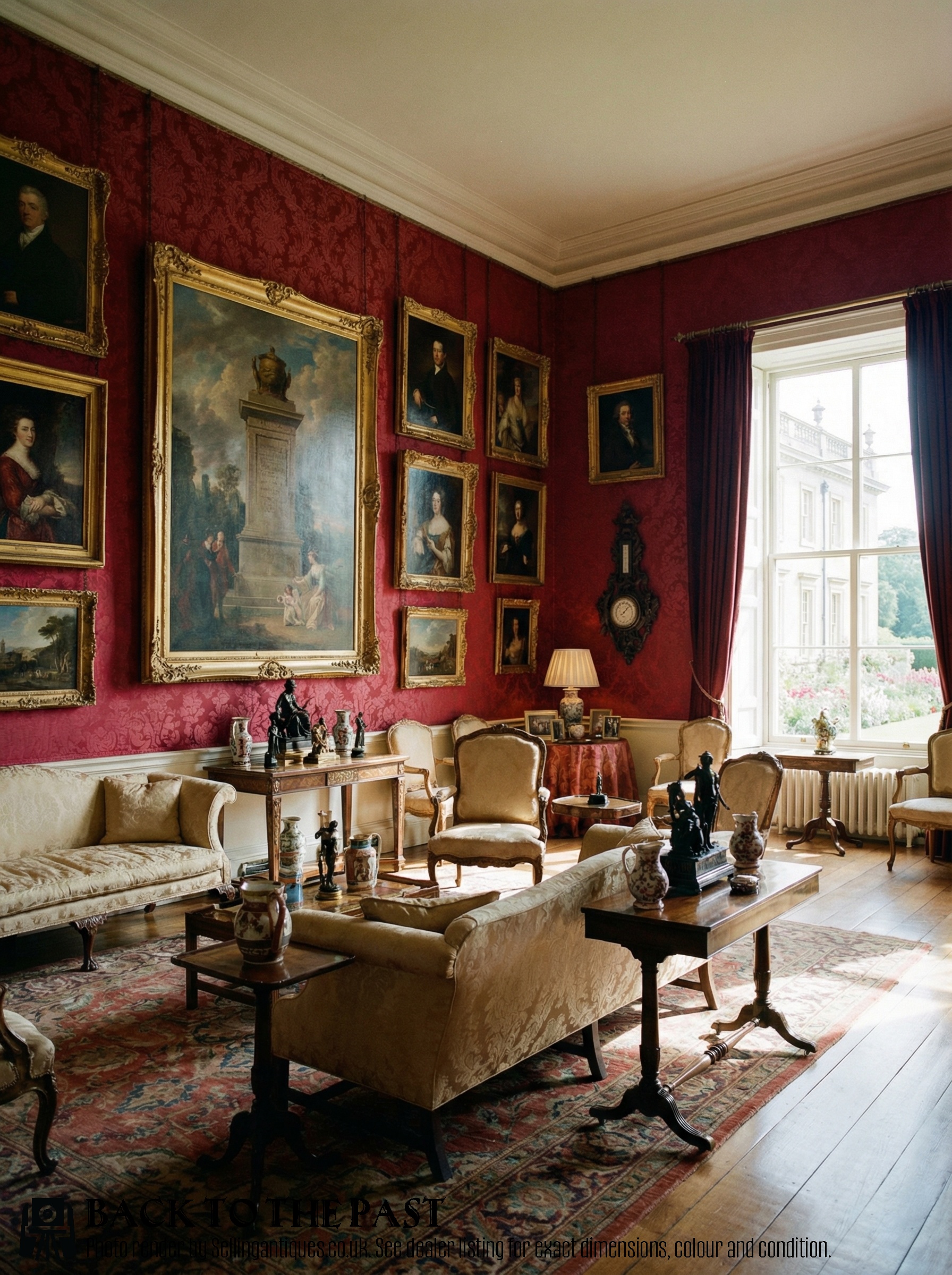
Outstanding Quality Antique Victorian Black Forest Android Barometer, 1860
Priced at £2,250 from Unique Antiques by Emma Jade
French scientist Lucien Vidi patented the first working aneroid mechanism in 1844.
Before these arrived, domestic weather forecasting meant keeping a fragile toxic mercury tube in the hall.
Look at the rapid expansion in the late nineteenth century. Cheaper production made antique aneroid barometers a standard fitting for middle-class homes across Britain.
Naval officers and mountaineers adopted pocket versions early on because they functioned reliably while moving.
Most domestic examples turn up from the Edwardian or Victorian periods.
Negretti & Zambra supplied high-grade weather instruments to the Admiralty and the Royal Observatory during the nineteenth century.
Find Admiral Fitzroy's remarks printed on dials by various London makers, capitalising on his fame as a meteorologist.
Dollond produced precise scientific examples alongside their optical goods throughout the Victorian era.
The 2026 retail price guide for Antique Aneroid Barometers is drawn from a proprietary archive of over 1.1 million retail prices indexed by Sellingantiques since 2003. This guide relies exclusively on their own internal data; no external sources or auction records are used.
Analysing nearly 25 years of UK antique market history alongside current retail values, the data indicates that typical UK retail prices for Antique Aneroid Barometers range between £200 and £800. Entry-level prices generally fall under £200 and premium examples upwards of £800.
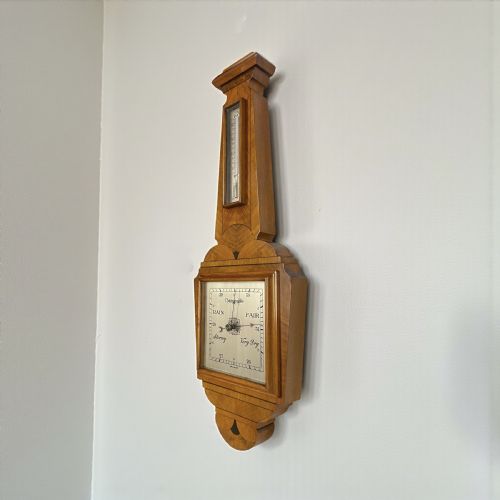
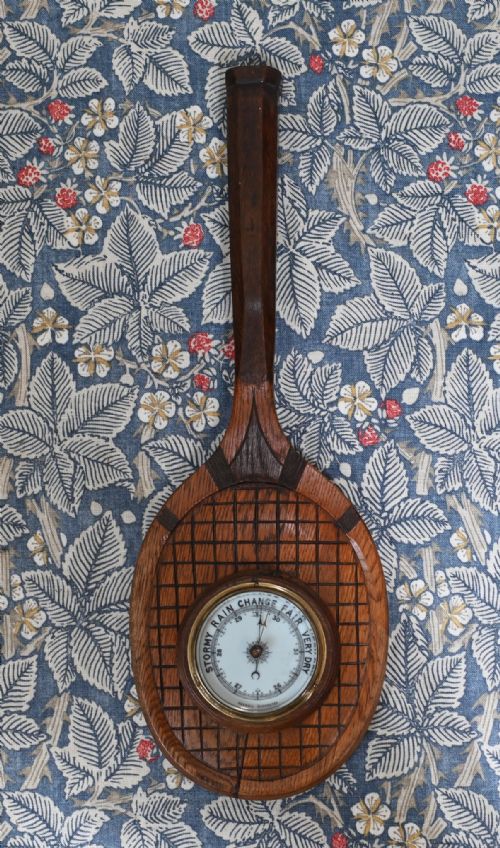
A large central dial marked with weather states from Stormy to Very Dry defines the face of most antique aneroid barometers.
Set the brass reference hand using the front knob. It sits over the glass to mark the current pressure reading.
Carved wooden cases frequently incorporate a thermometer mounted on the neck above the main dial.
Early French mechanisms often feature complex fusee chains linking the vacuum capsule to the arbor.
British makers shifted towards simpler rack and pinion gears to translate the tiny cell movements into sweeping dial indications.
Notice the heavy architectural carving on mid-Victorian antique aneroid barometers. They eventually evolved into the leaner banjo forms of the 1920s.
"They function exactly the same upside down. The mechanism does not rely on gravity or pooled liquids to read pressure."
"Many ships preferred them over mercury versions because the rolling of the vessel had zero effect on the internal vacuum cell."
"You can easily calibrate most of them to your local altitude by turning a single hidden screw on the backplate."
Based on almost 25 years of Sellingantiques UK antique market data, Antique Aneroid Barometers appeared 912 times (out of 1,100,000 antiques) which gives it a rarity score of 83/100.
This score measures scarcity within the Sellingantiques archive only and is not a survey of the entire antiques market, so these statistics may not be indicative of the general availability of Antique Aneroid Barometers elsewhere.
Look at where the main needle points on the numbered scale. That gives you the current atmospheric pressure in inches of mercury.
Turn the front knob to align the marker hand directly over the main needle. When you check back later, you will see if the pressure has dropped or risen based on how far the needle moved from your marker.
A stuck needle usually points to dust in the mechanism or a hardened drop of old oil in the arbor pivots. The internal linkages are delicate and easily jammed by decades of airborne dirt.
Sometimes the vacuum cell itself has cracked and lost its seal. A specialist can test the cell and clean the gears, which frequently gets them working again.
Yes. Air pressure drops the higher you go above sea level.
If you move an antique aneroid barometer from the coast to a house on a hill, it will read artificially low. You must reset the back screw to match local reports.
Those traditional weather terms are a Victorian marketing habit. They give a rough guide, but atmospheric pressure alone does not dictate rain or shine with total precision.
The rate of change matters more than the specific word the needle rests on. A rapid drop indicates worsening weather, even if the needle is still pointing at the word fair.
Please note: This Antique Aneroid Barometers guide and its associated pricing data are provided for general informational purposes only. It does not constitute formal financial, investment, or appraisal advice and should not be relied upon as the sole basis for any commercial activity, purchasing, or sales decisions. Sellingantiques.co.uk accepts no liability for any actions taken in reliance on this information. Always consult with a qualified professional or independent appraiser.
