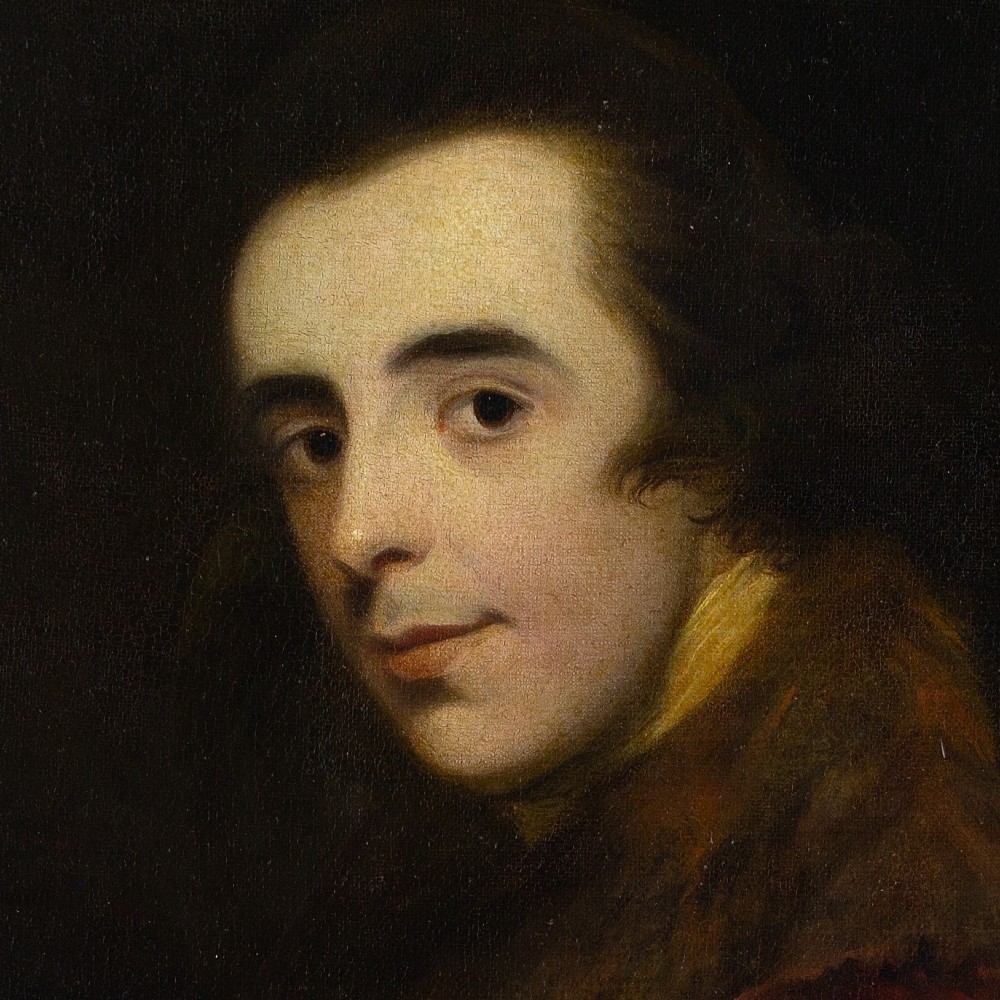
Brave Fine Art has dated this piece to the 18th Century.
He’s a gentleman artist, glowing with the prestige of an Italian tour - modestly discussing the Roman Campagna, the delights of Venice and the Florentine masterpieces. He painted for love.
L’amor che move il sol e l’altre stelle.
In 1769, the newly-formed Royal Academy opened its doors to eager students and James Shaw was one of the first. His character and appearance suited the Academy environment and his previous tutor, Edward Penny, would’ve fought his case. For painters, the rules were predominantly formulaic and based upon Sir Joshua Reynolds’ discourses. Students under twenty were forbidden from painting female nudes unless married - and everyone was urged to study the Old Masters.
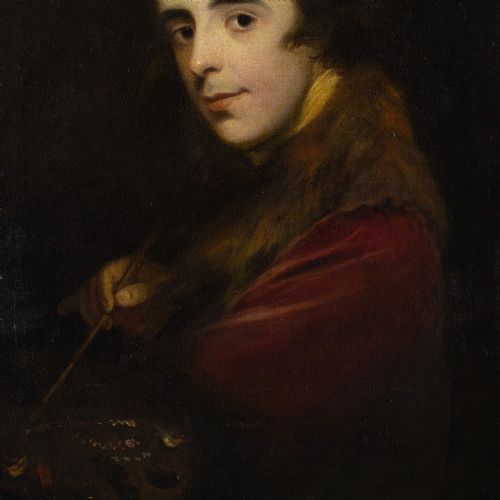
Shaw’s first experience of a Reynolds’ discourse was on December 11, 1769, when the President instructed students to admire but not copy.
"Instead of copying the touches of those great masters, copy only their conceptions. Instead of treading in their footsteps, endeavour only to keep the same road. Labour to invent on their general principles and way of thinking. Possess yourself with their spirit. Consider with yourself how a Michael Angelo or a Raffaelle would have treated this subject: and work yourself into a belief that your picture is to be seen and criticised by them when completed. Even an attempt of this kind will rouse your powers."
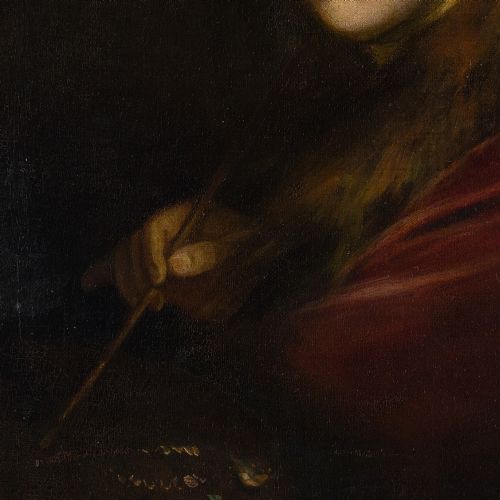
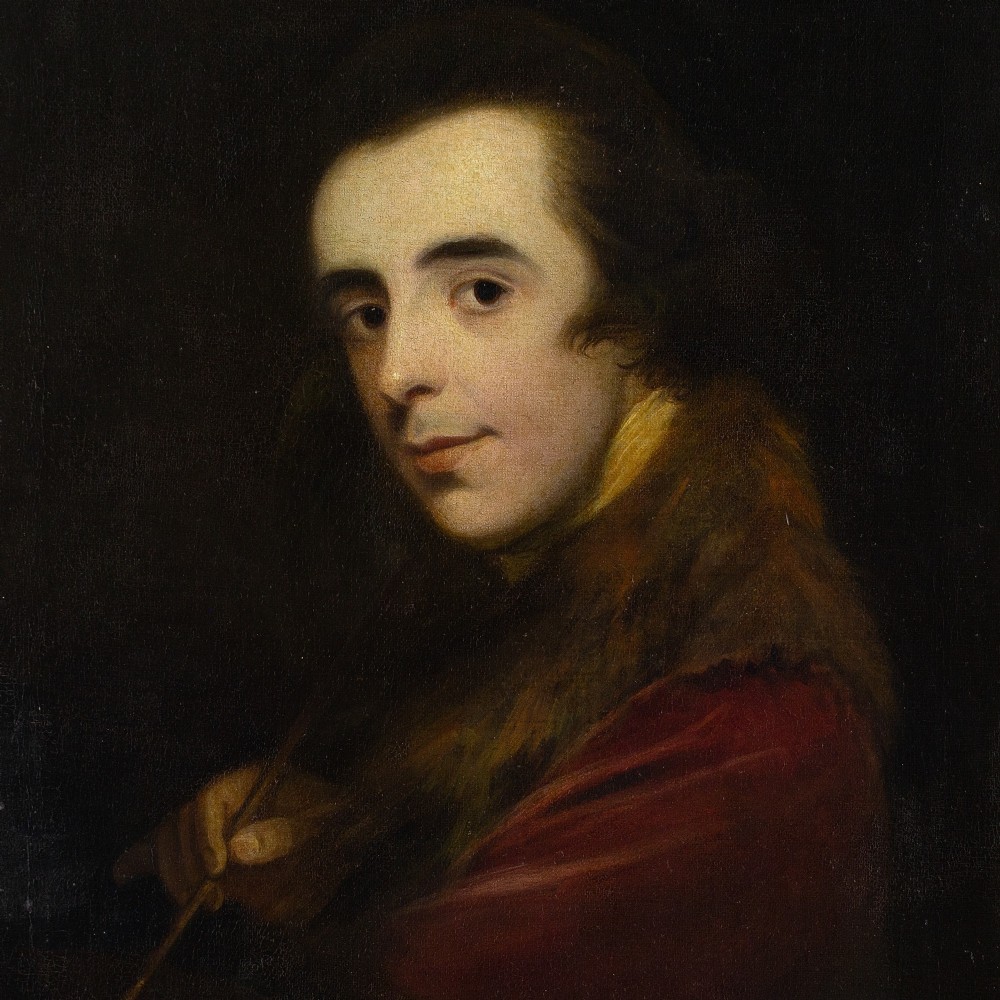
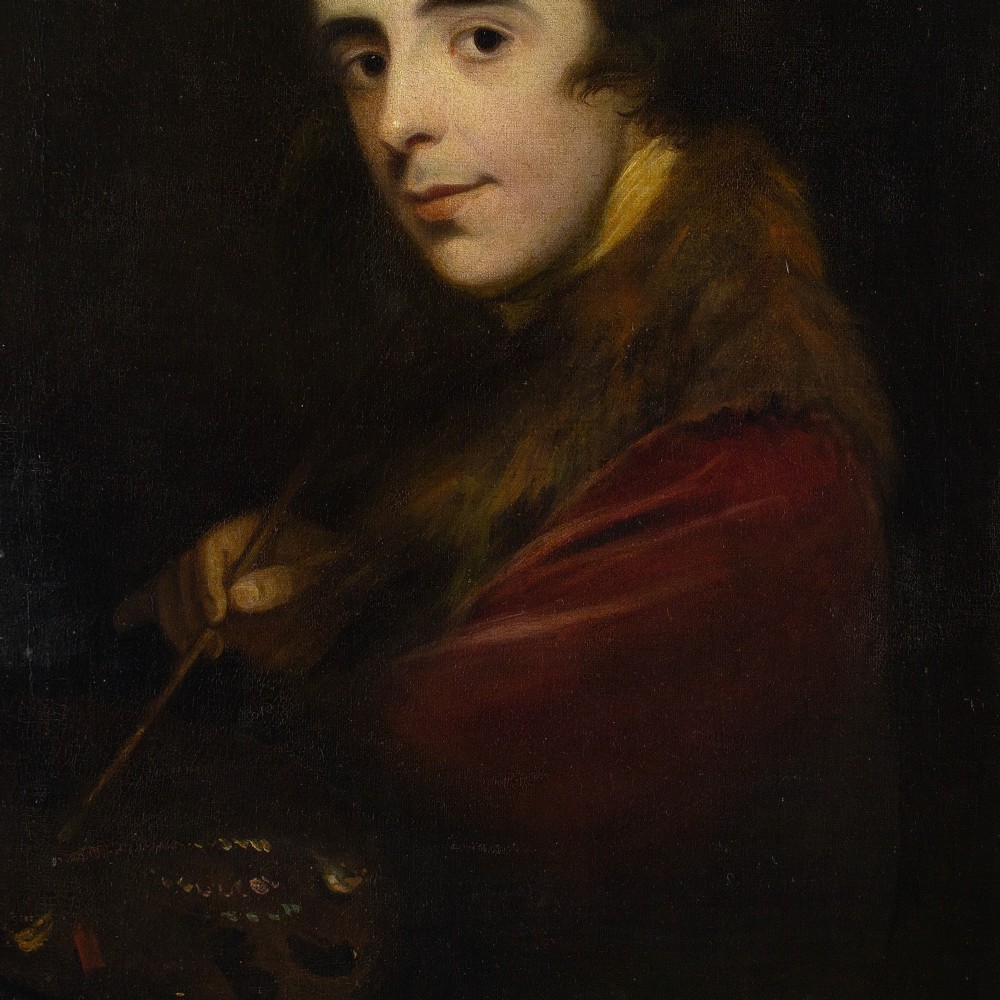
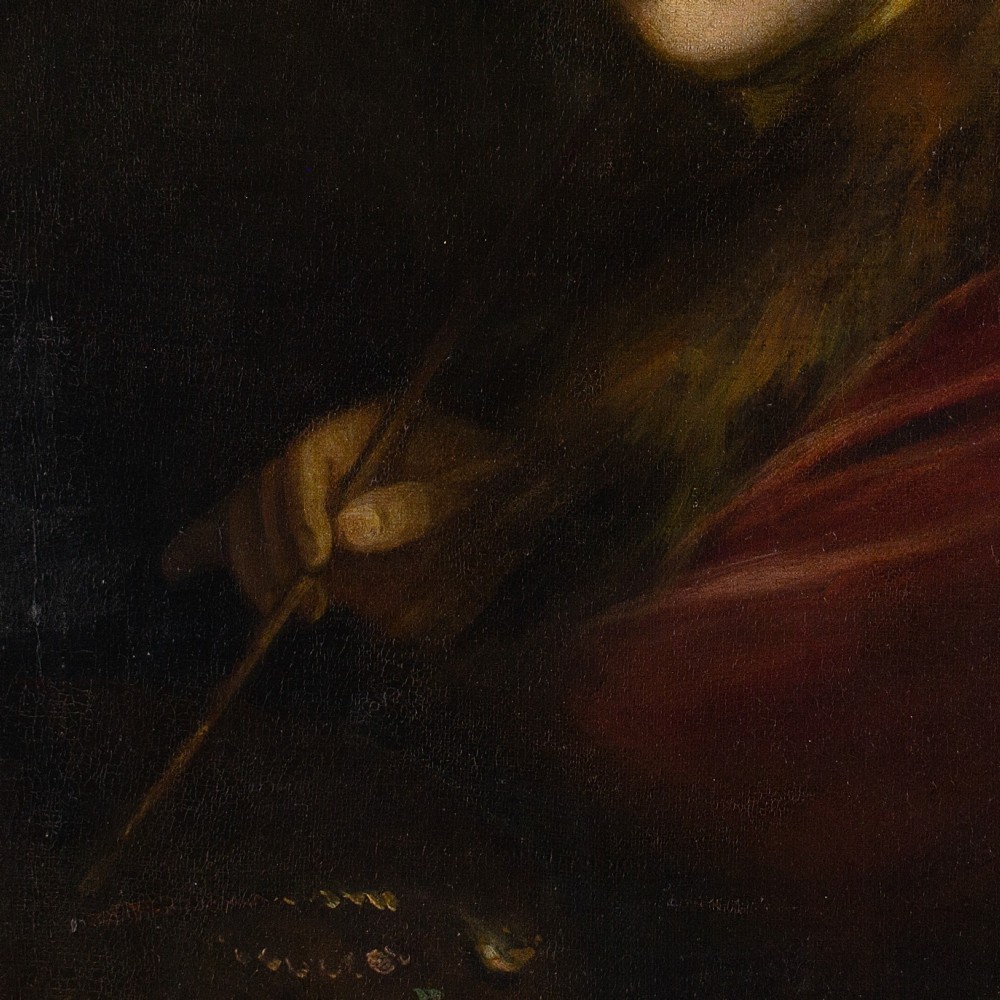
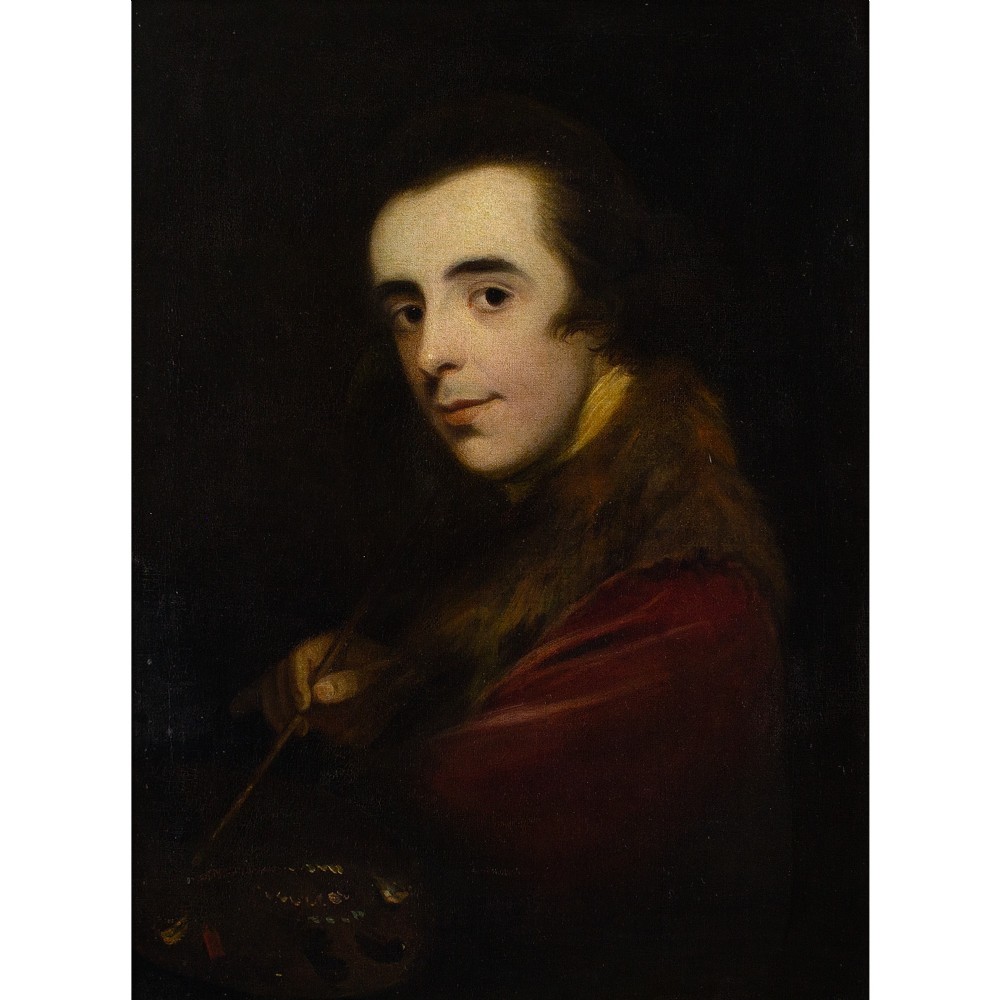
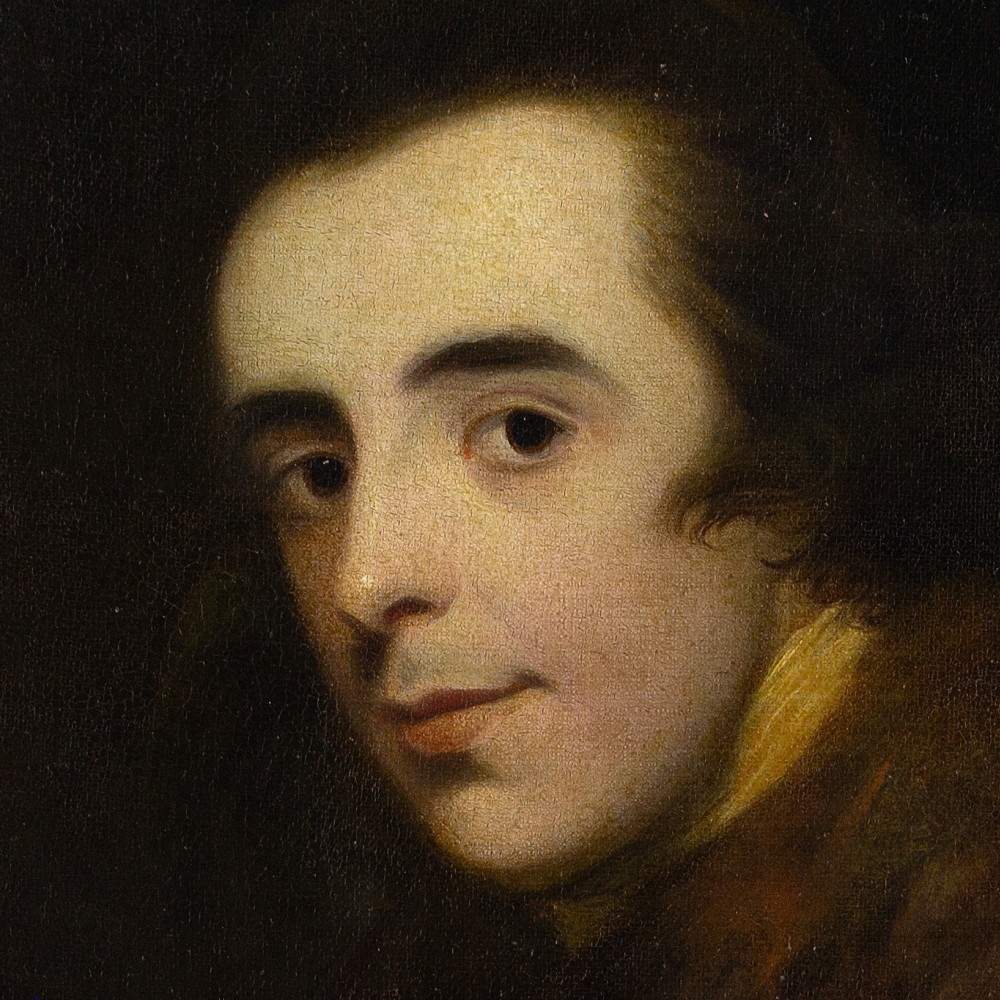
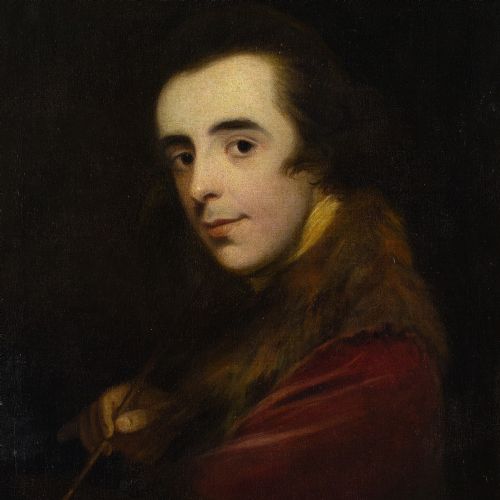
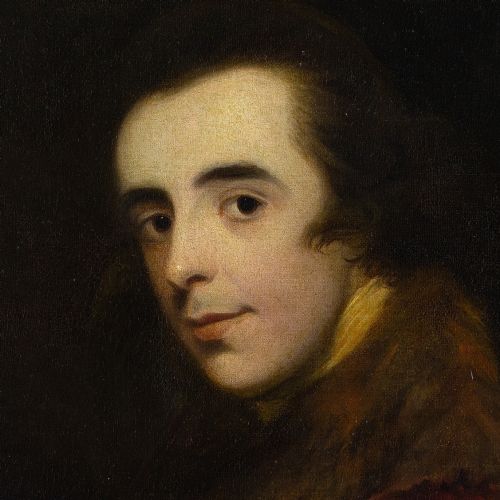
Here, in this portrait from around the same time, Shaw echoes those sentiments. Capturing his own image in soft chiaroscuro. His fingers poised on the brush, somewhat proud of his artistic status, his eyes wide, in search of enlightenment.
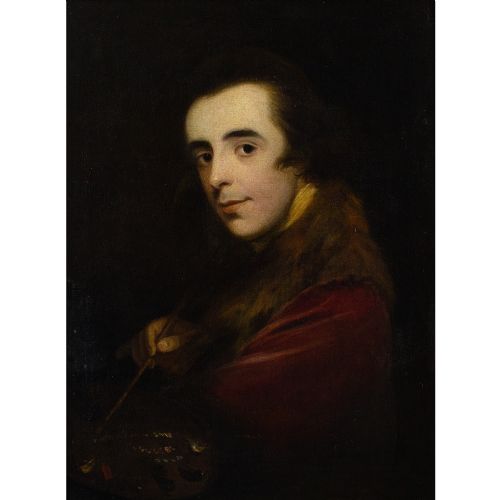
The portrait previously hung within the splendid environs of The Wodehouse, which dates to the 13th century. Shaw’s brother, the Reverend Thomas Shaw-Hellier, inherited the property and it’s likely that James stayed there when away from his London residence.
Held in a remarkable gilt frame with foliate, circa 1870.
Medium: Oil on canvas
Overall size: 26” x 32” / 66cm x 81cm
Year of creation: c. 1770
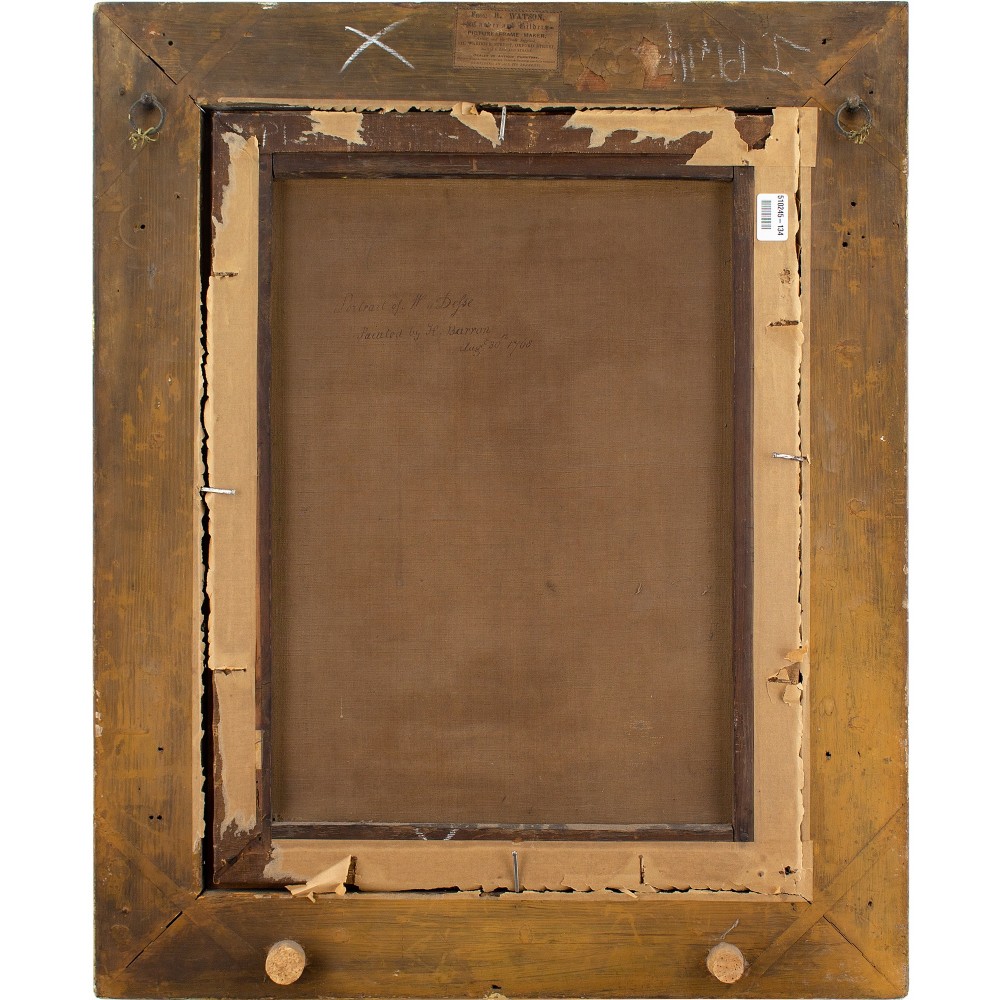
Labels & Inscriptions: Framer’s label from R. Watson, Carver and Gilder. Newspaper archives refer to R Watson’s establishment operating in 1870. Incorrect attribution inscribed on the reverse.
Condition: Artwork presents well. Fine craquelure but the paint is stable. Frame with some light wear.
Brave Fine Art has dated this piece to the 18th Century.
Exquisite antique paintings that capture the imagination.
You can view the stock and full dealer information on the Brave Fine Art Profile Page
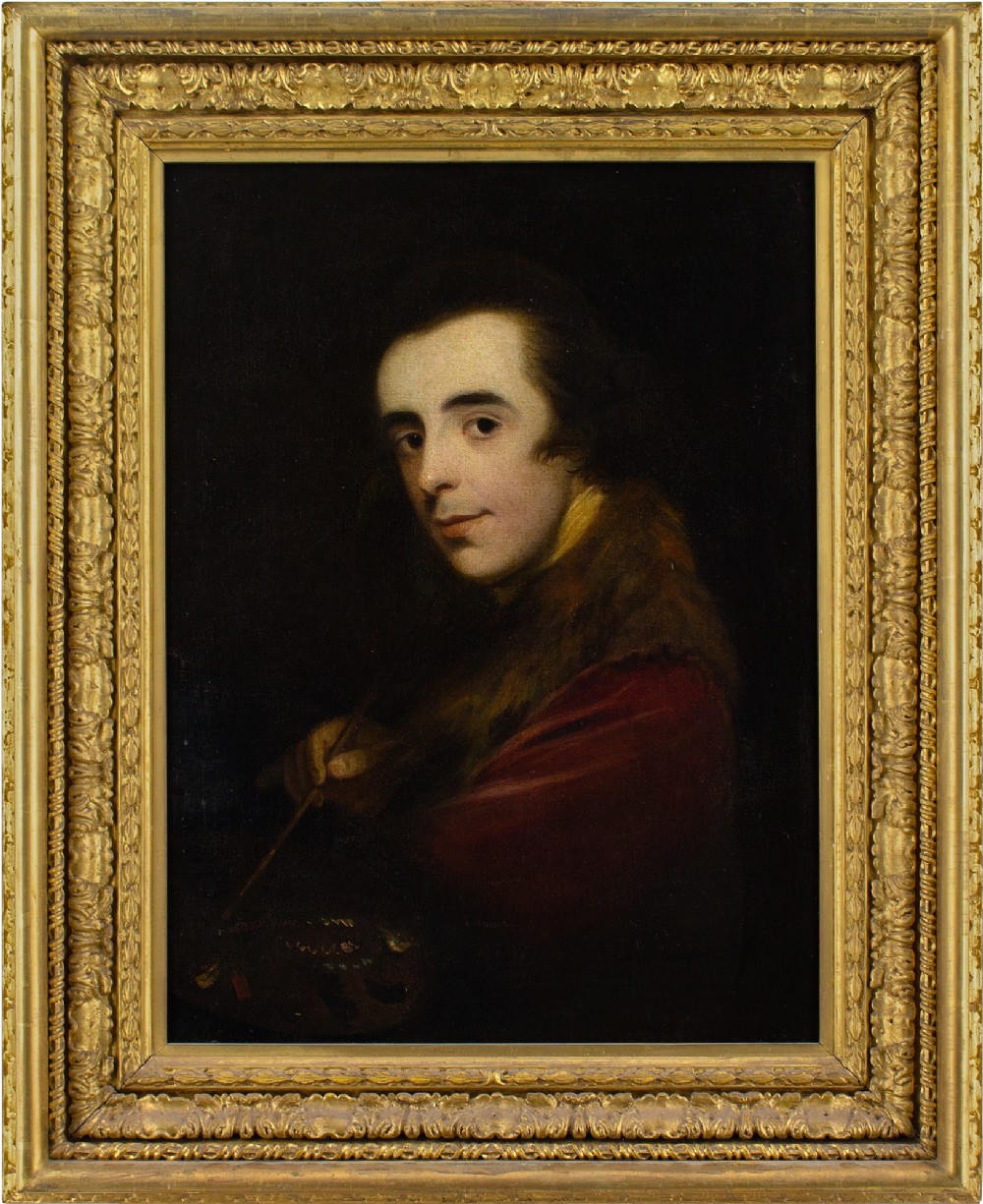
James Shaw, Self-portrait - Antique Oil Painting