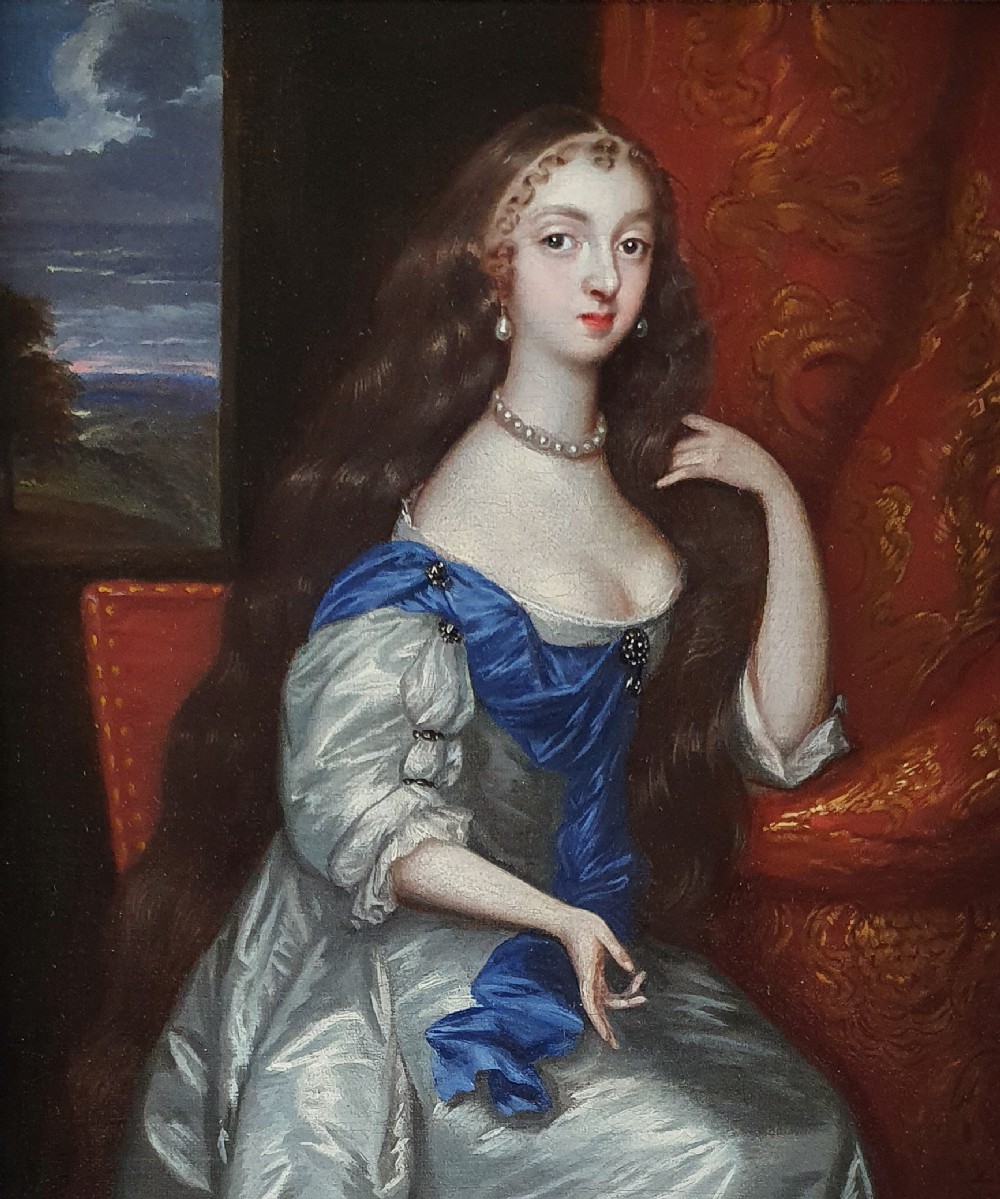
Titan Fine Art has dated this piece to the 17th Century.
There, she continued to live in Edwardian elegance taking with her many paintings along with our portrait; this was one of the richest private collections in the country, even containing part of the French crown jewels. Our portrait remained in the family until it was sold in 1968 to pay crippling death duties of two family members
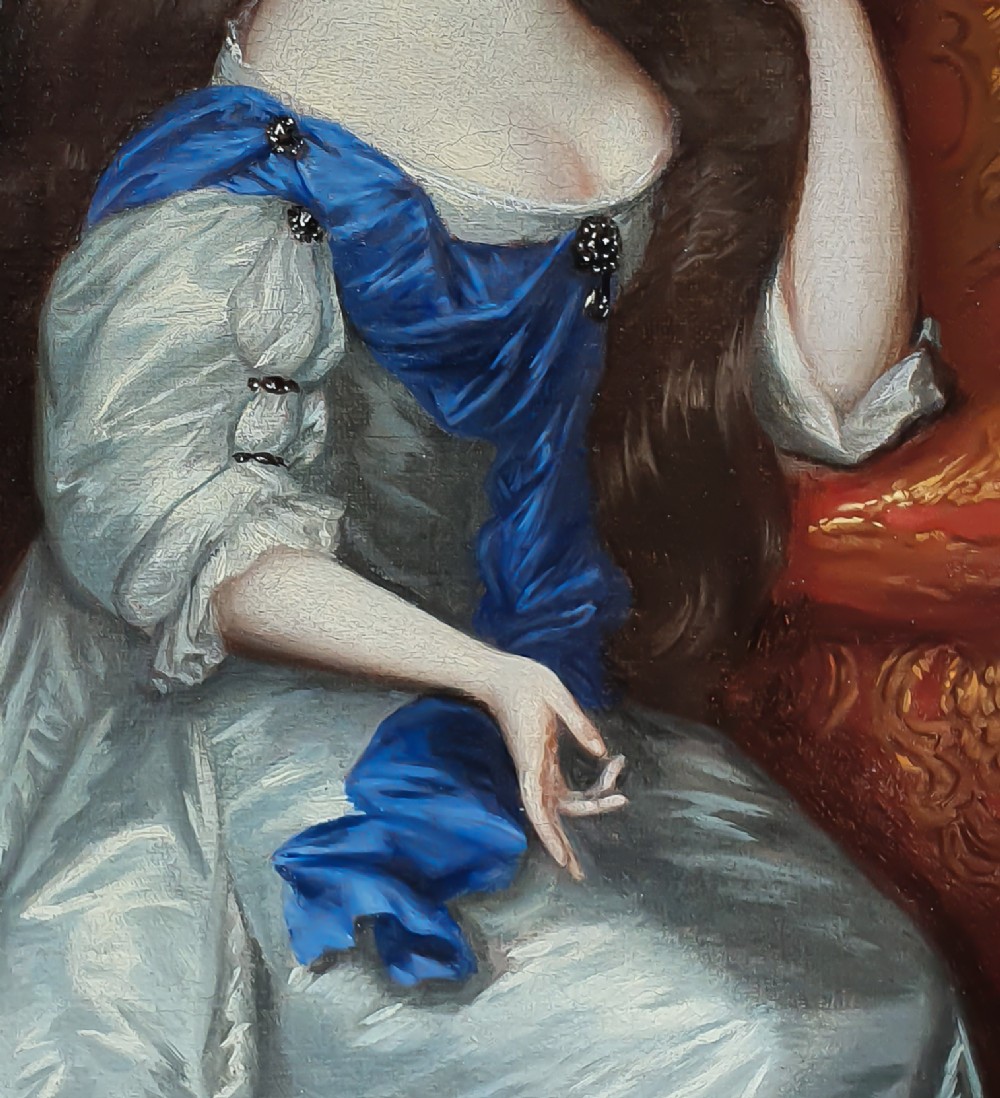
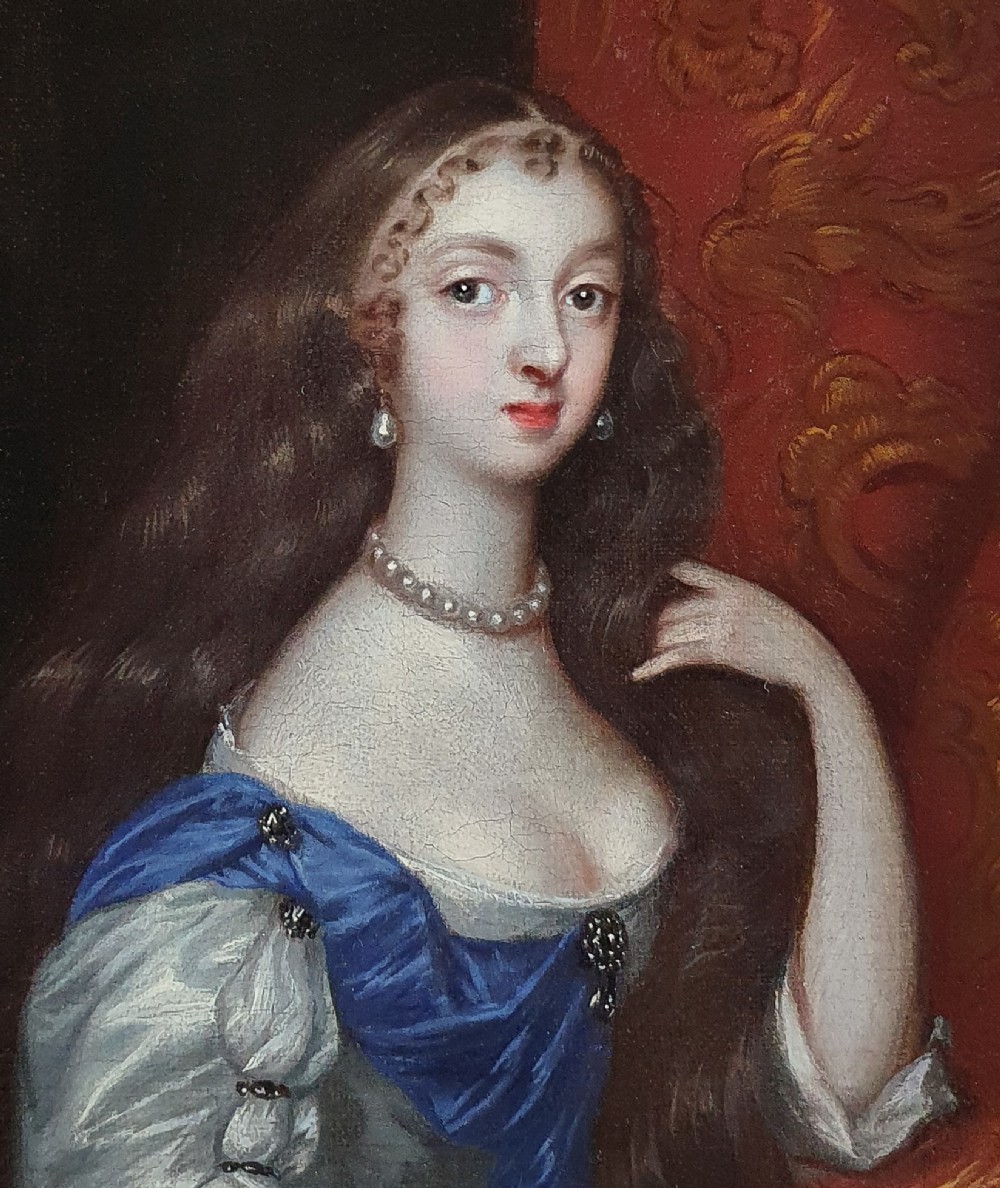
In this intimate picture, painted late 17th or early 18th century, a young woman is represented as an alluring individual. It appears to be a straightforward portrait of a seated woman before a curtain and landscape. A familiar composition for portraits at the time, but the image – and specifically, the long unbound hair and the fingers running through it – bordered on the erotic by contemporary standards. It conveys female sensuality and original audiences would have been aware of this. A popular theme with origins in the Renaissance depictions of beautiful women. The teasing of the hair was a gesture derived directly from Renaissance depictions of that goddess engaged in her private toilette.
The portrait could be a scaled down version of a full-length portrait; it was an established practice in the 17th century to copy in miniature works by Old Masters. The pearlescent skin and long fingers and neck were an idealisation of female beauty during the 17th century.
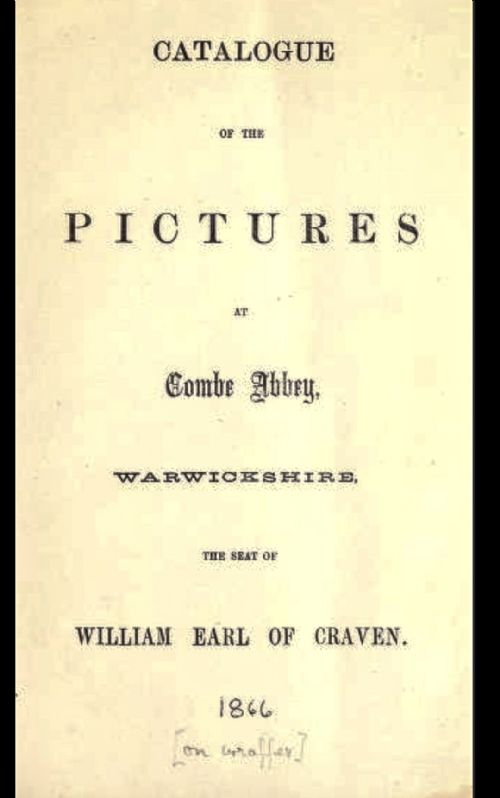
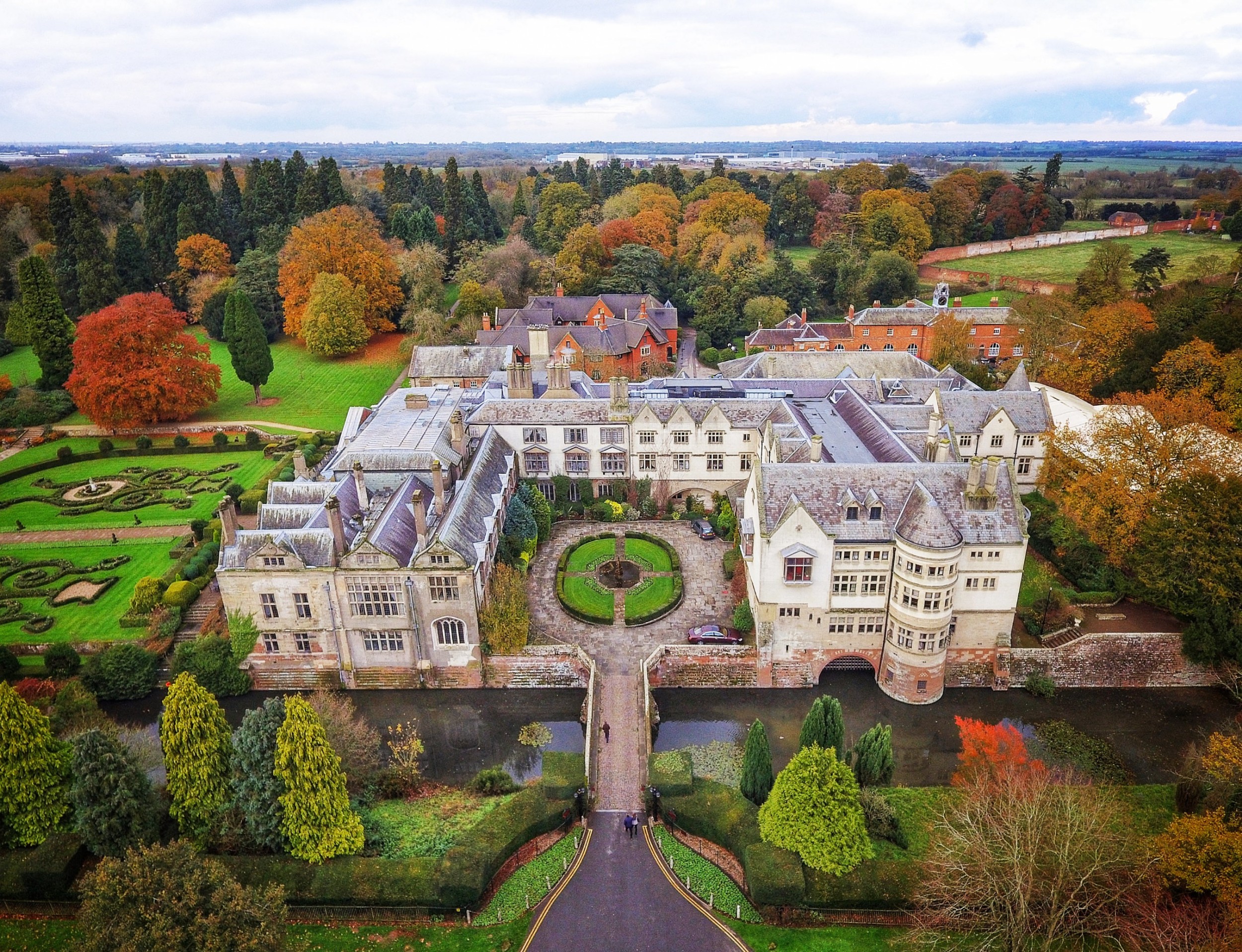
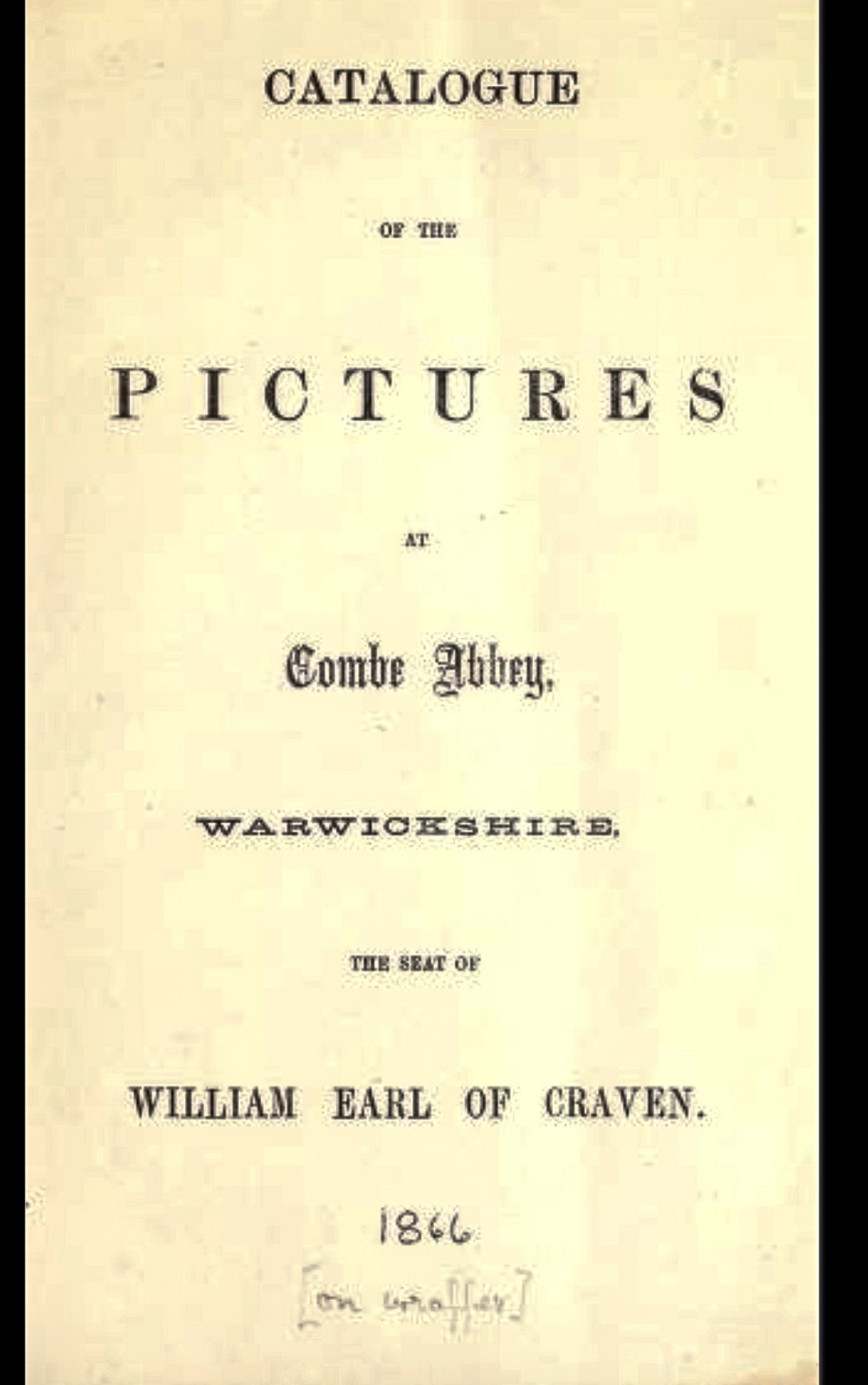
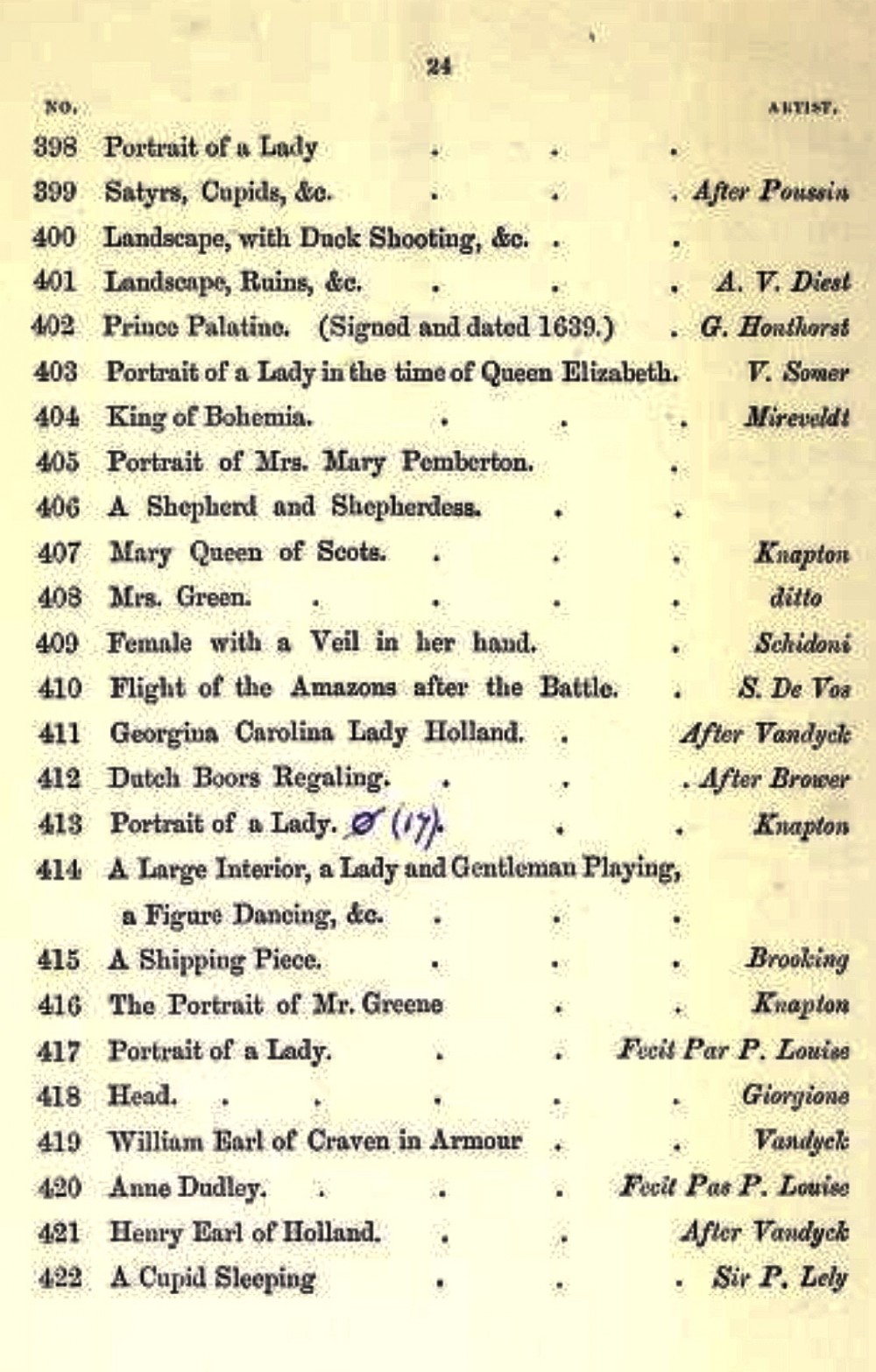
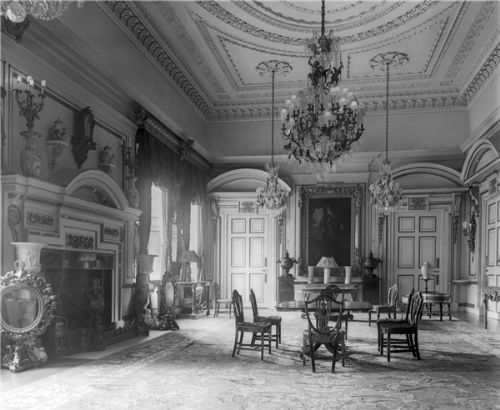
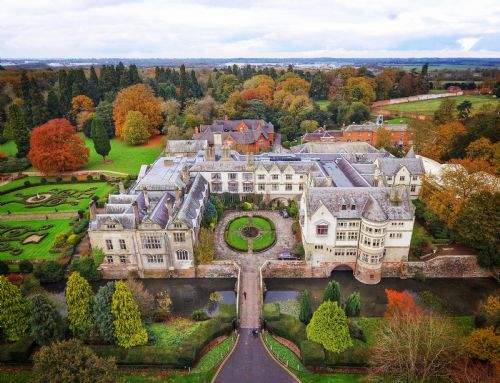
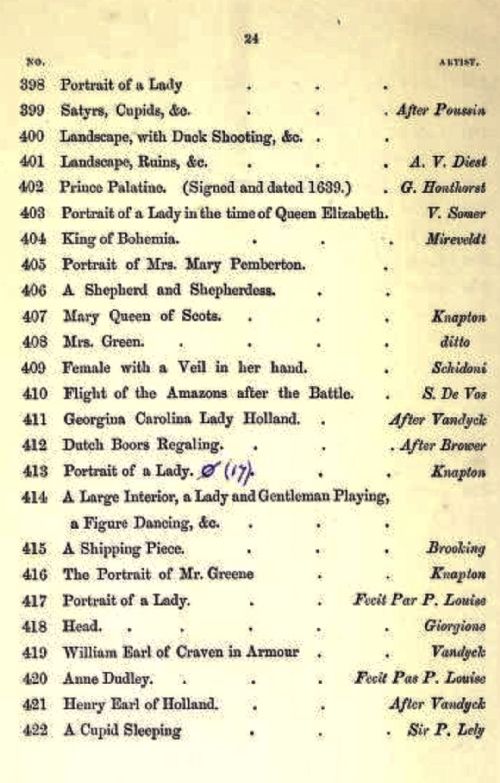
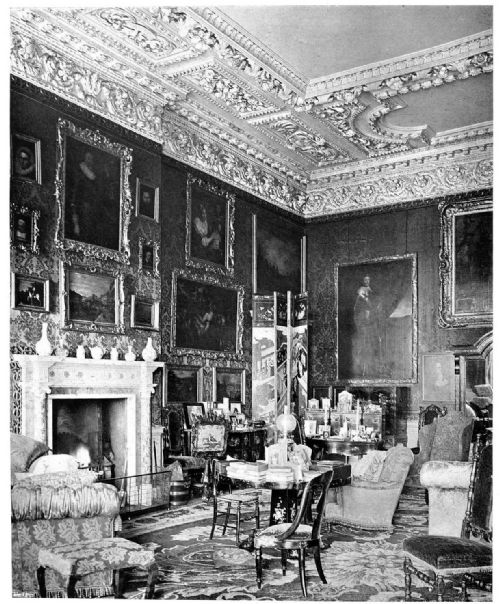
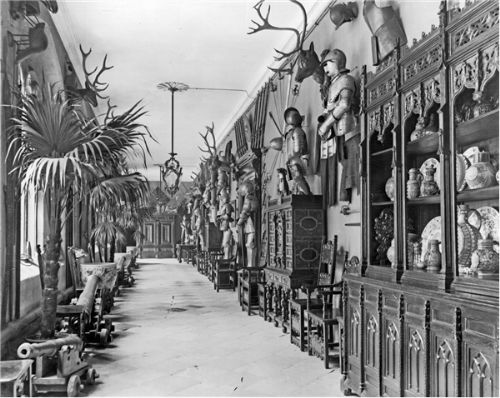
The portrait was in the “Ante Room to the Gallery” at Coombe Abbey in 1866 by an inventory taken upon the death of the 2nd Earl (number 413). There is also a label on the stretcher and the frame. The Craven family compiled one of the finest collections of artwork and jewels in England, known as the Craven Collection. The Craven’s descended from Sir William Craven (1548-1618), an English merchant and Lord Mayor of London in 1610. His son, William Craven, earl of Craven (1606-1697) was known for his long association with the “winter queen” of Bohemia, the English princess Elizabeth, and she lived at his house in Drury Lane, London until her death. She left Earl Craven her fine collection of family portraits and they remained in his family for roughly 300 years forming part of the Craven Collection. The collection was divided between Hampstead Marshall and Ashdown in Berkshire, and Combe Abbey in Warwickshire.
Upon the death of Countess of Craven (1877-1961) her estate contained one of the wealthiest private collections of art in the country, along with a fine collection of jewels (some items were part of the Crown jewels of France) and when sold was the largest jewel sale ever held in Britain. She left seven Stuart portraits to the Royal Collection and five paintings to the National Gallery (including two Van Dykes and one Sir Peter Lely, said to be Lely’s finest work). Prior to her death, she also donated 17th century Ashdown House to the National Trust.
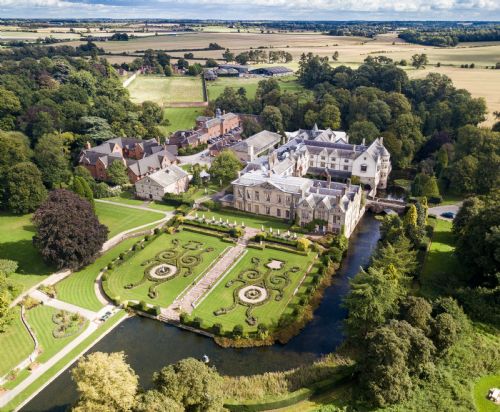
Coombe Abbey (Warwickshire) was built in 1150 and was the largest and most influential monastery in Warwickshire. The monks lost the Abbey in 1539 and it was eventually purchased in 1622 by Lady Elizabeth Craven widow of Sir William Craven, mayor of London. Cornelia Craven, Countess Craven sold the Abbey after her husband’s death, the 4th Earl.
Jacob Huysmans (c.1633–1696) was born in Antwerp and came to England shortly after the Restoration and quickly became one of the leading portrait painters at Charles II's court. He was noted by Pepys as capable of a more exact likeness than Lely.
Provenance:
The Earls of Craven
Titan Fine Art has dated this piece to the 17th Century.
Specialist in 17th & 18thc portraits. Highly curated selection, museum-level research & pro conservation. Exceptional art, expertly vetted.
You can view the stock and full dealer information on the Titan Fine Art Profile Page

Portrait of a Lady C.1700; Follower of Jacob Huysmans (C.1633–1696), Oil on Canvas Painting, Coombe Abbey