31,114  PAGES BROWSED TODAY PAGES TODAY • 120 ANTIQUES UPLOADED TODAYNEW ARRIVALS
GIFTS
120 ITEMS ADDED TODAY
Sort Order
Items Per Page
Antiques dealer?
Join as a Seller
Browse Categories
Sort order
Items per page
sold SA930880
Sorry, but this item has been sold.
Regent Antiques

Regent Antiques

Sellingantiques Verified Since Sep 2016
Browse dealers 635 items
  • About Us
    We specialise in english and continental furniture, silver, porcelain and decorative items.
  • Trade Associations
    Regent Antiques is a registered member of LAPADA  CINOA
Id #SA930880
SHARE
SAVE

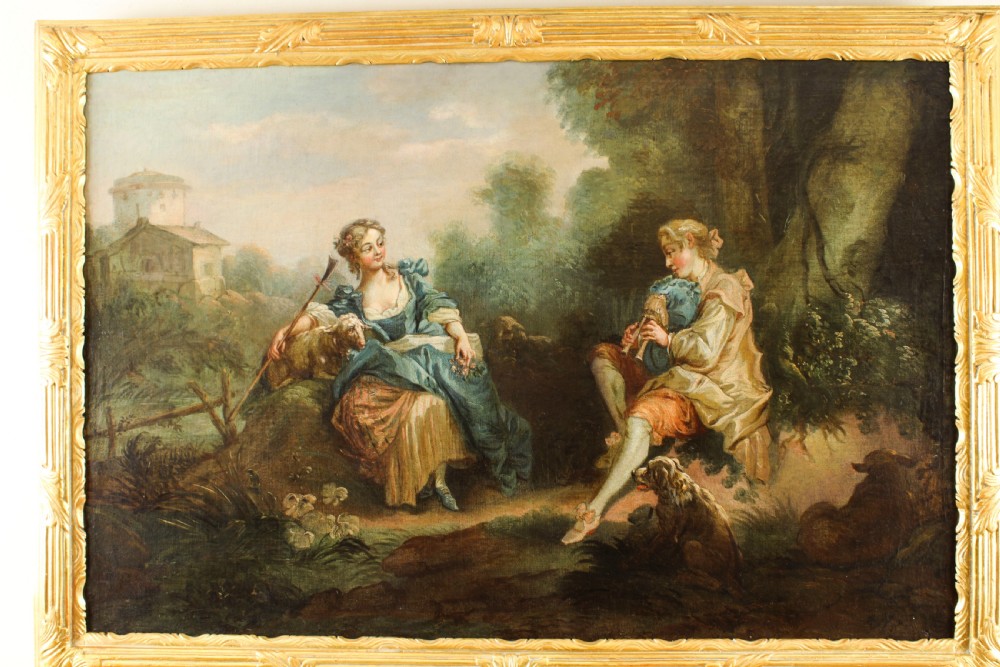
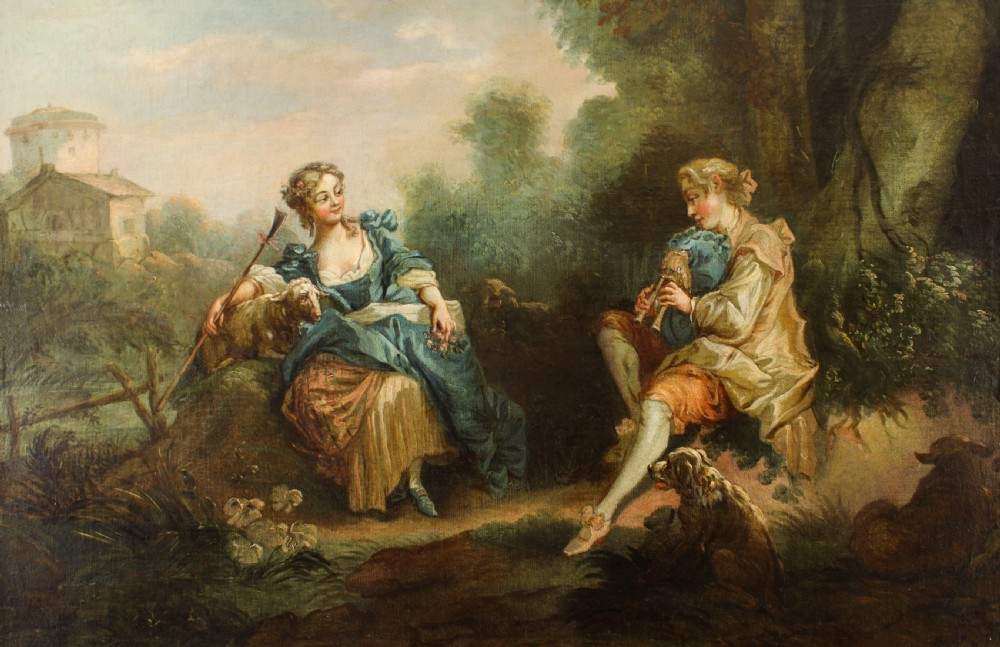
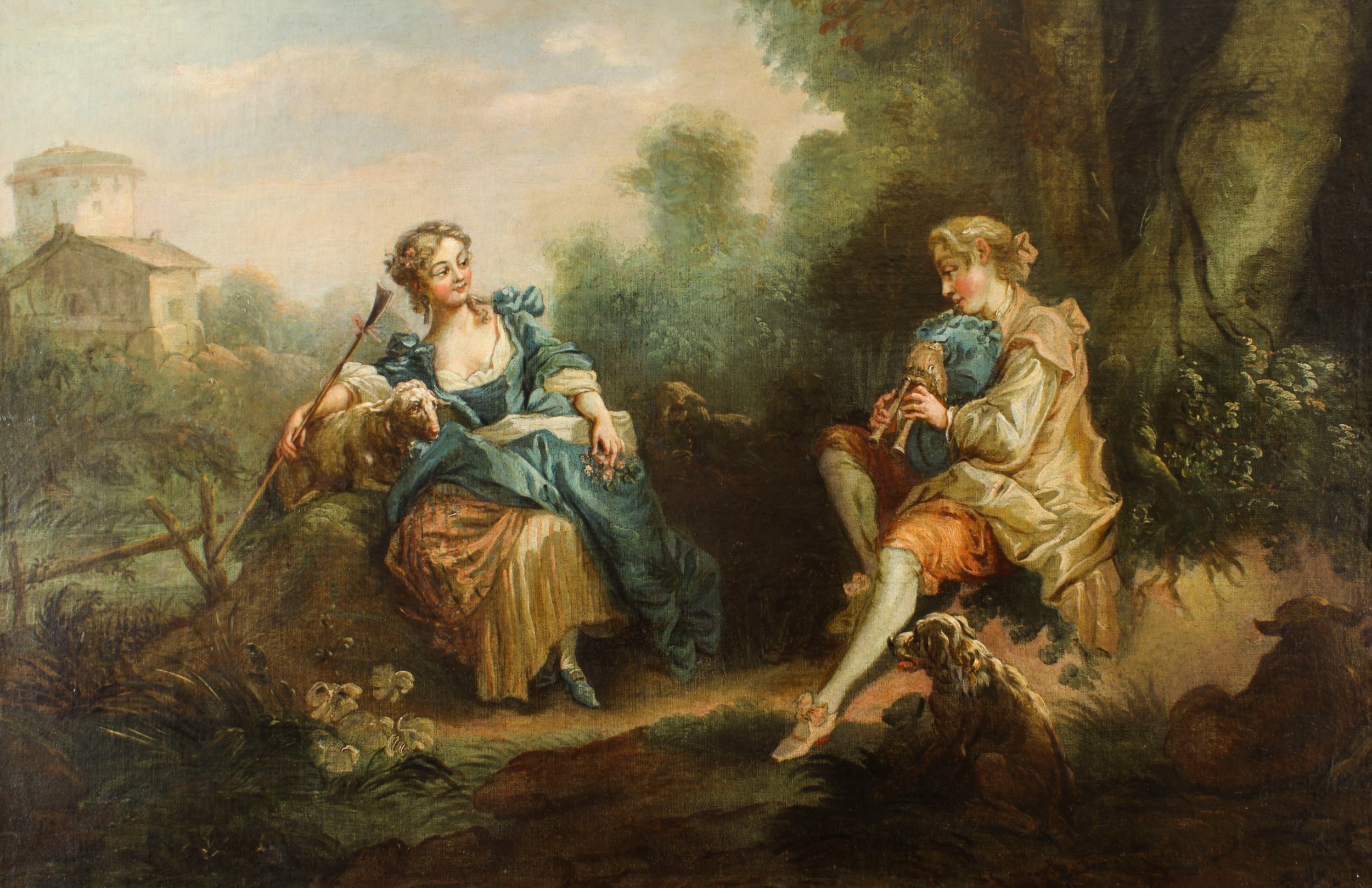
Antique Oil Painting Manner of Jean-antoine Watteau the Serenade Early 19th C

19th century
Sold 3 May 2024 · Regent Antiques
This “Antique Oil Painting Manner of Jean-antoine Watteau the Serenade Early 19th C ” found a buyer.

It was listed by Regent Antiques. Sold pieces stay on Sellingantiques as a record of what has passed through, and the next one is rarely far away.

Description

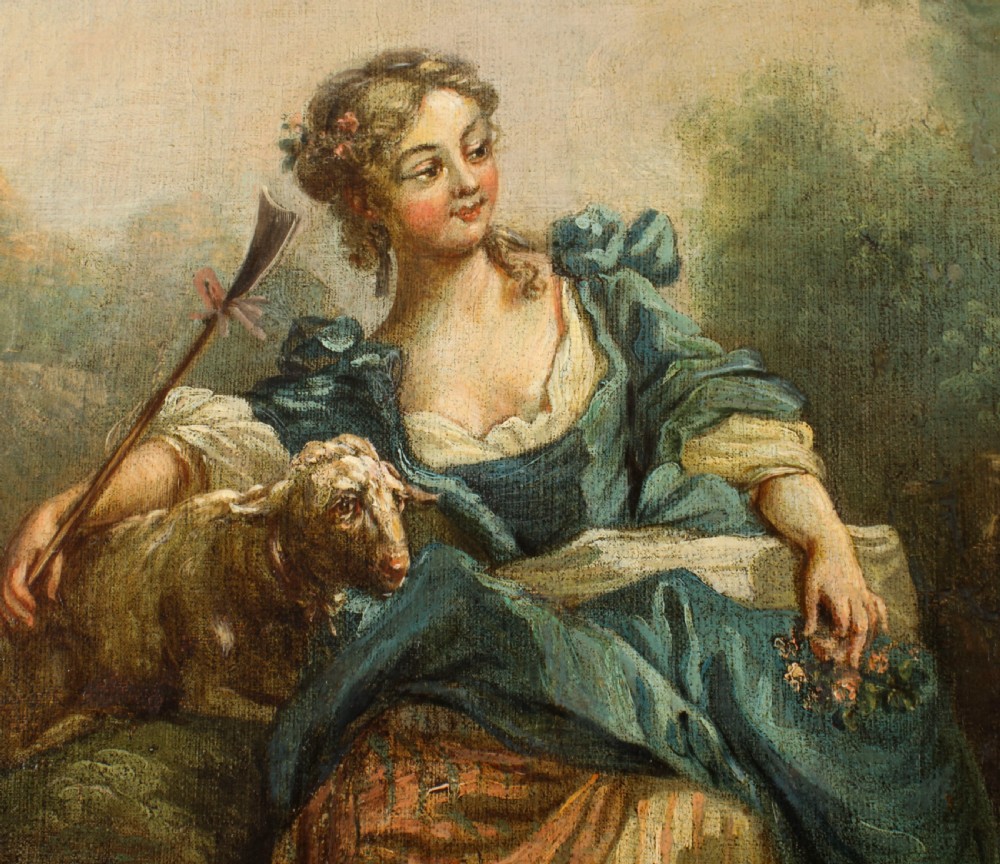
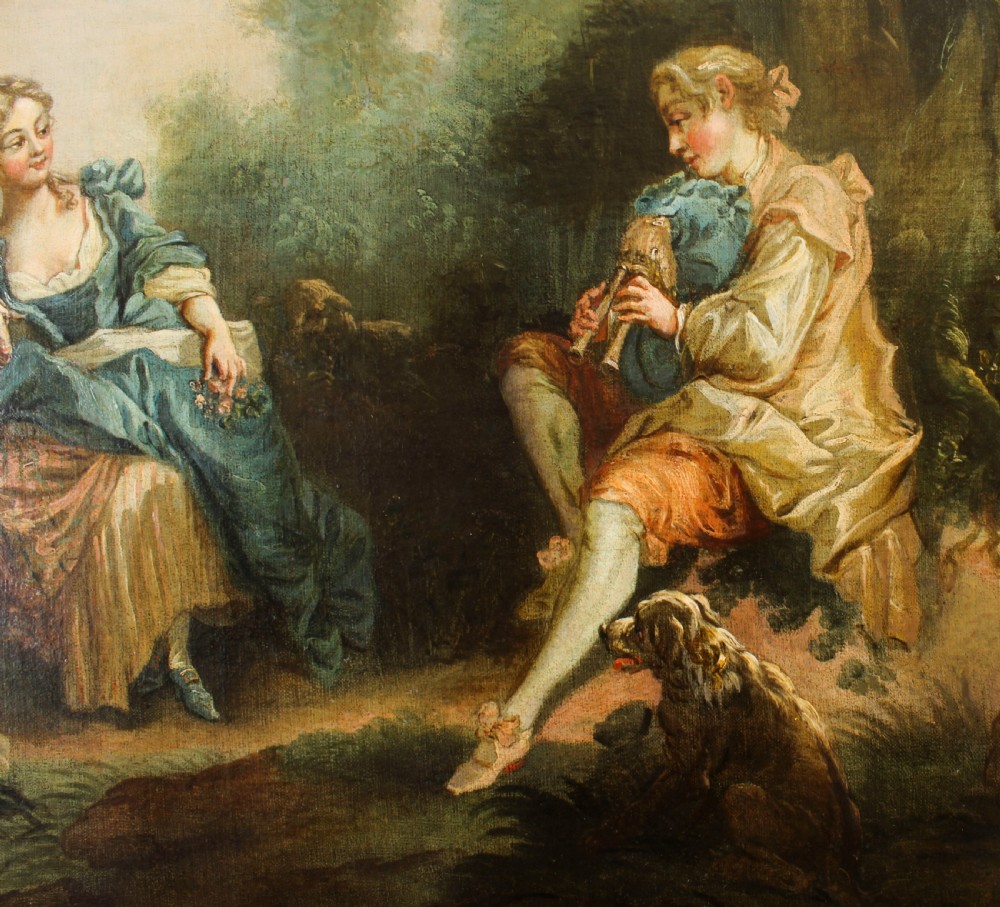
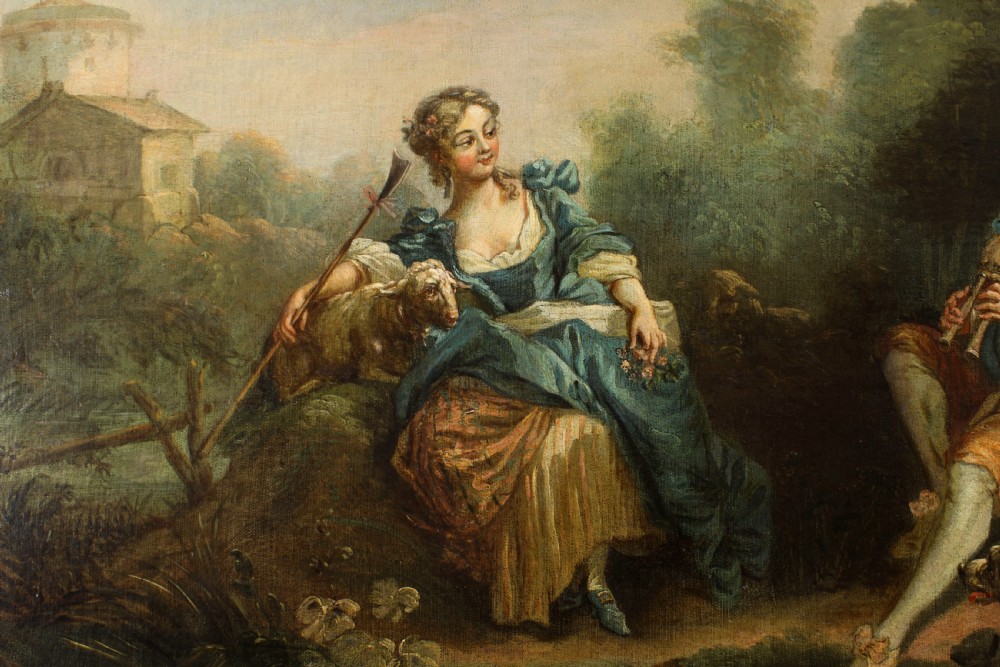
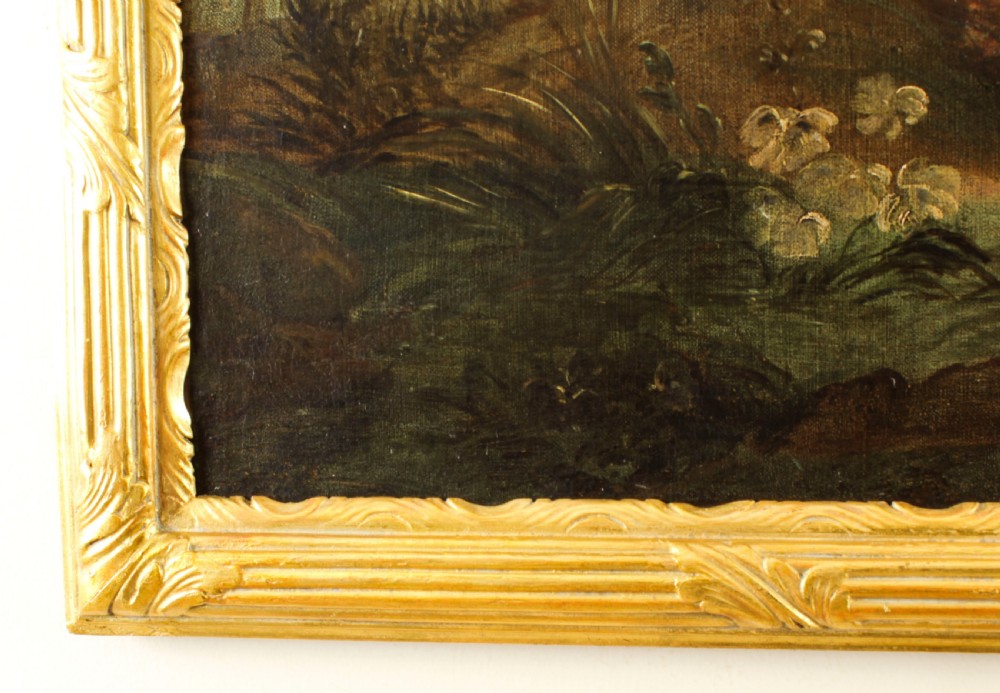
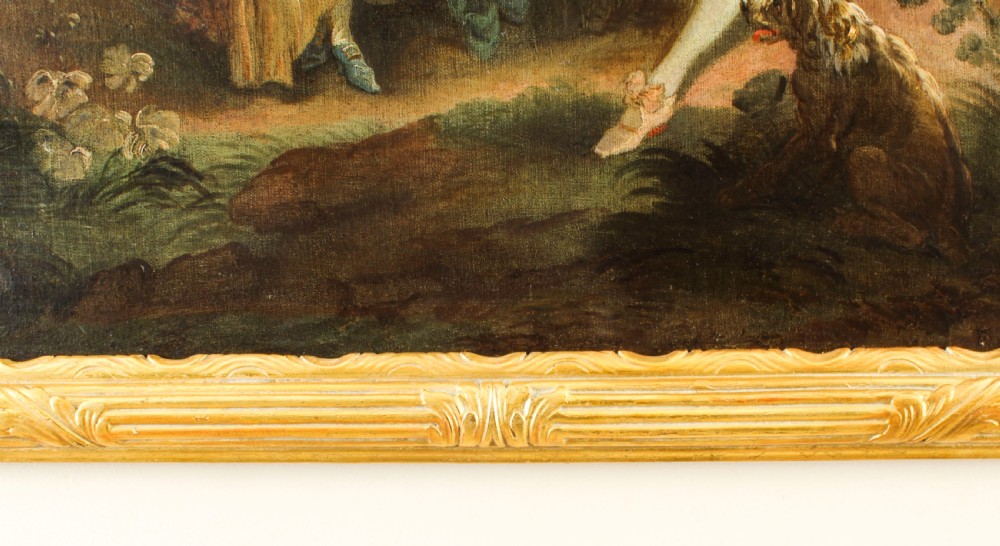
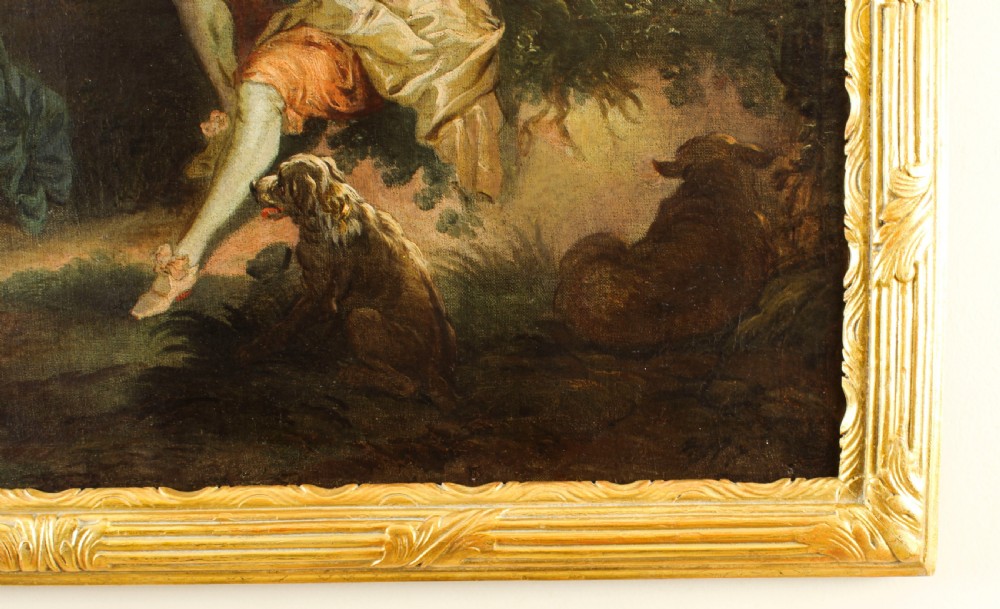
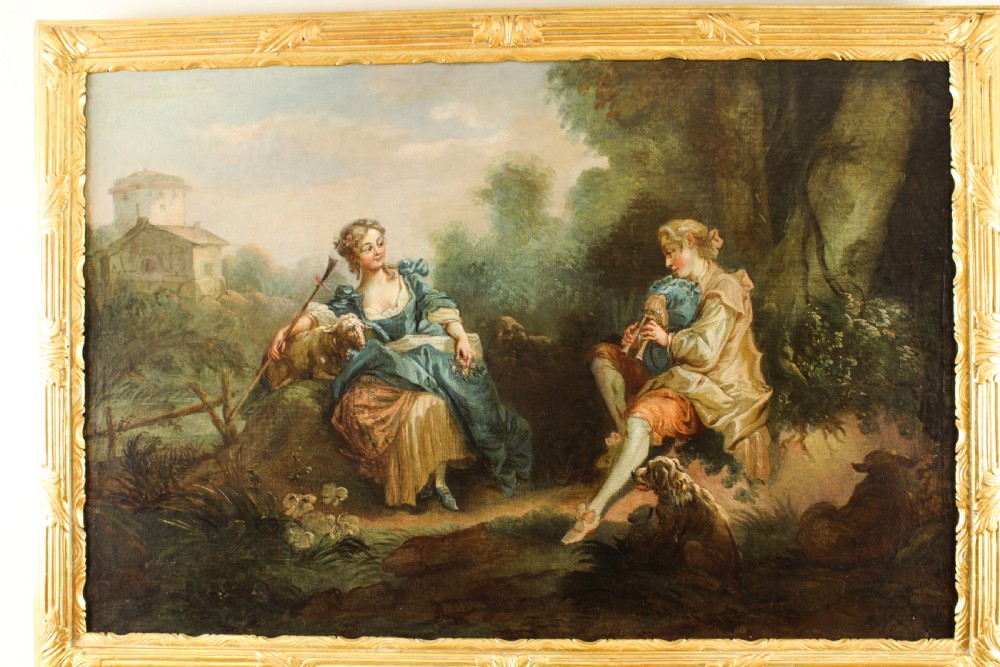
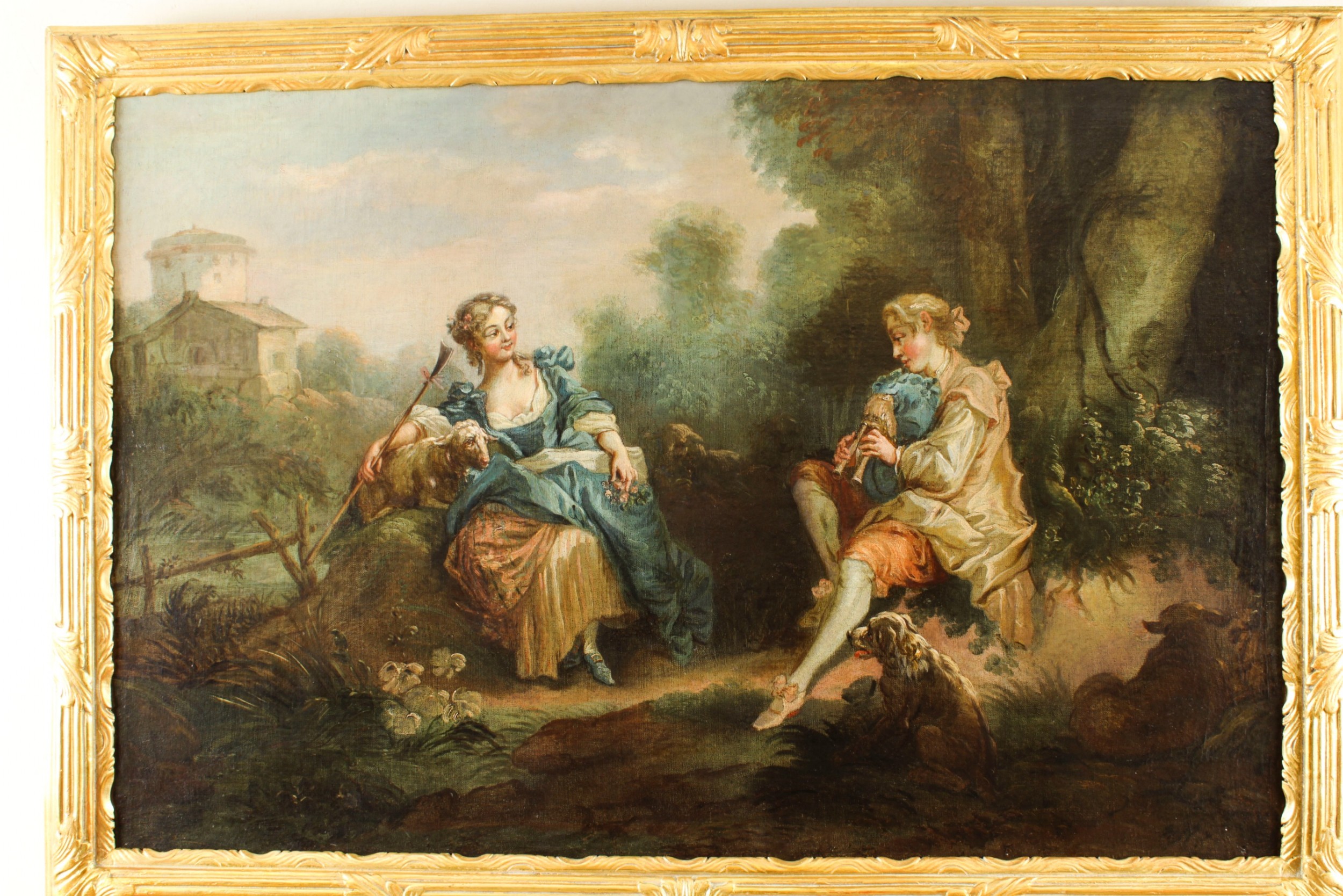
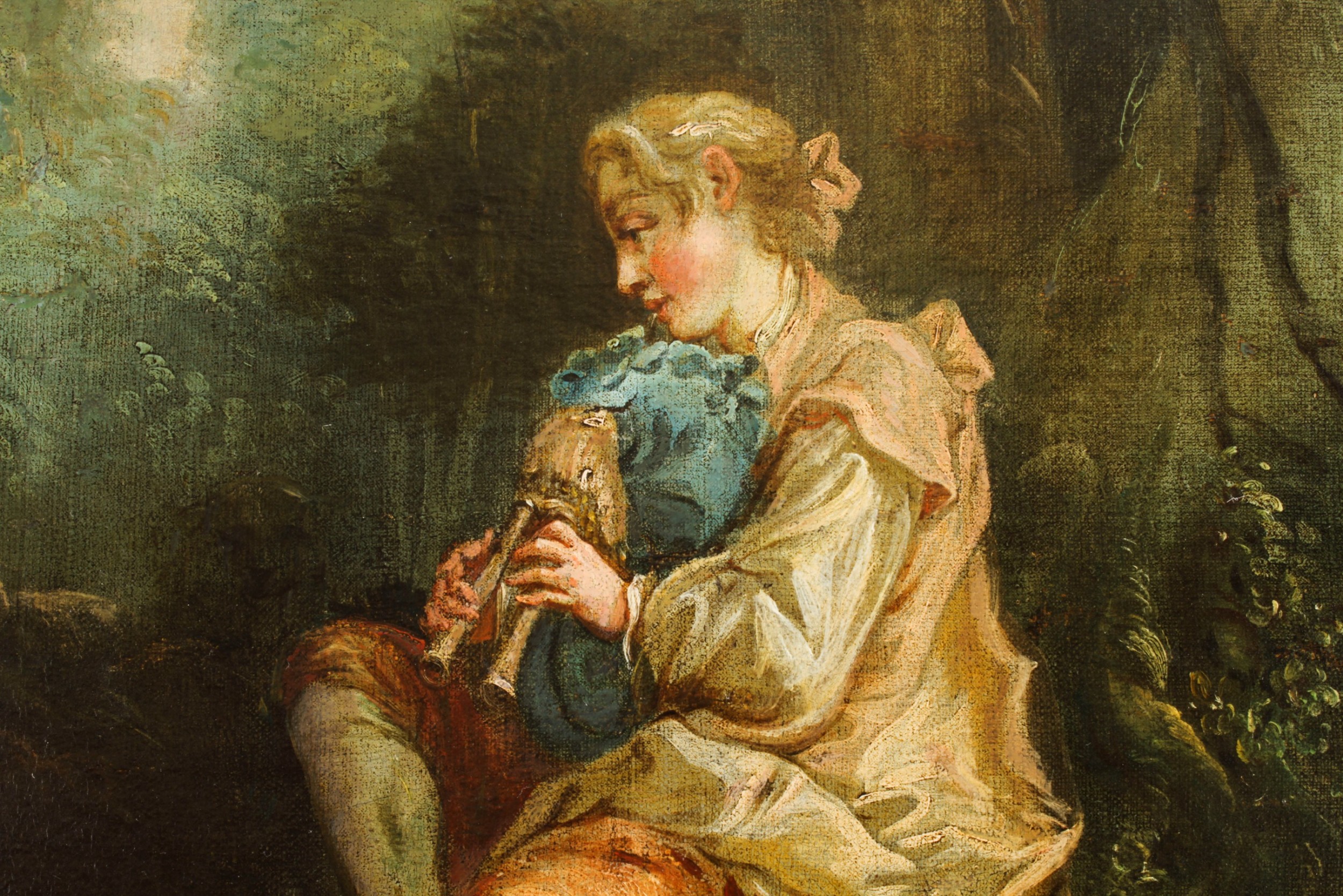
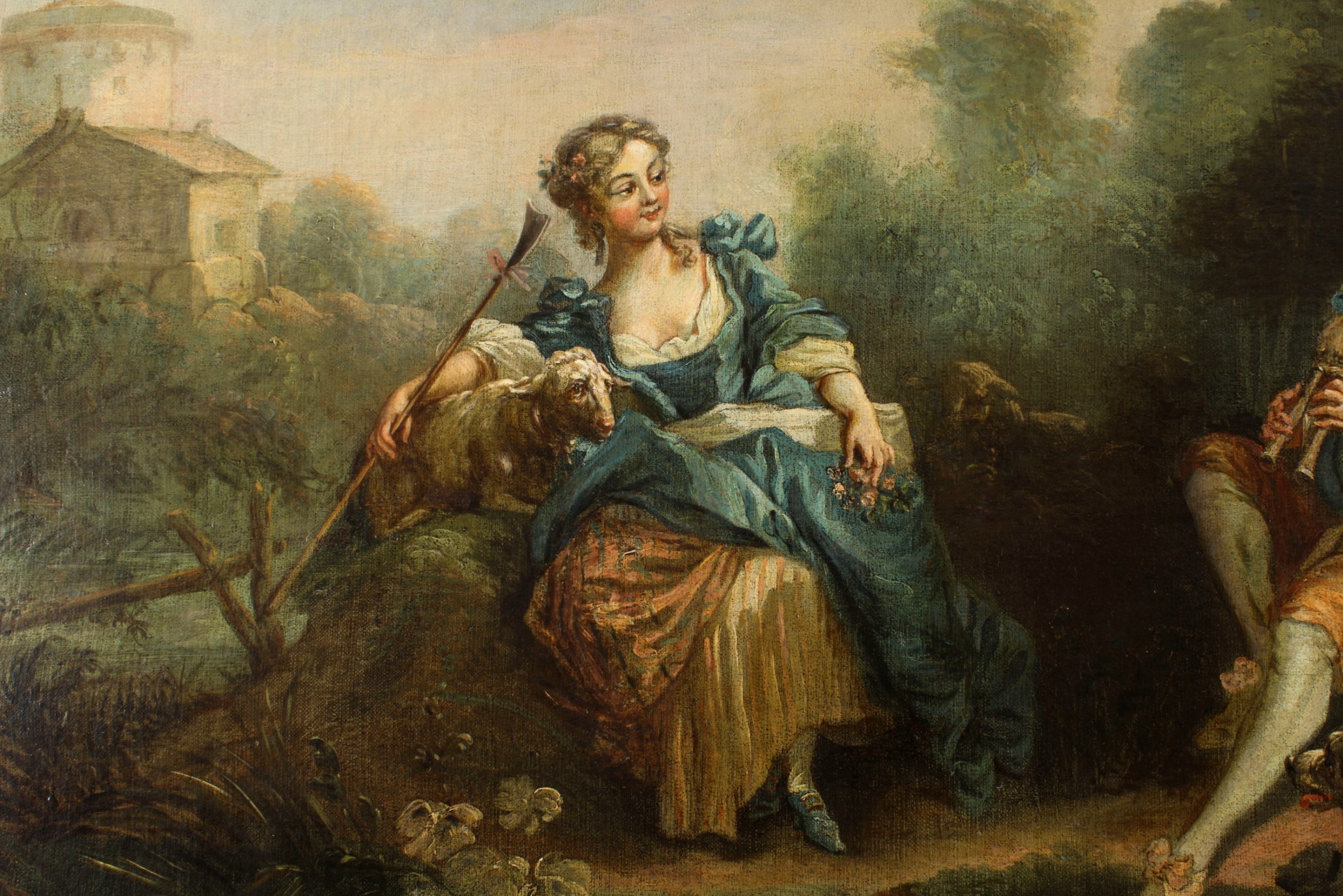
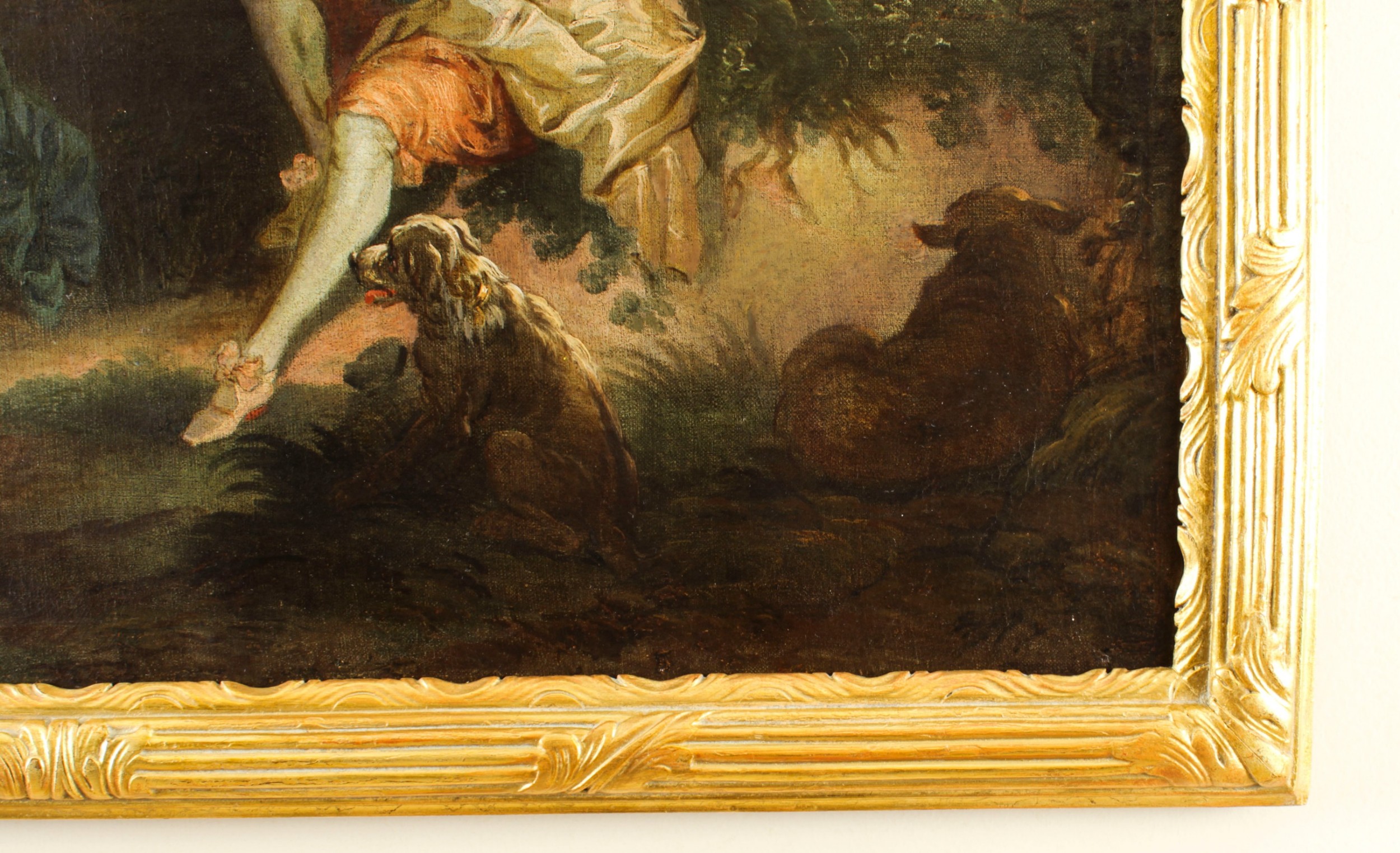
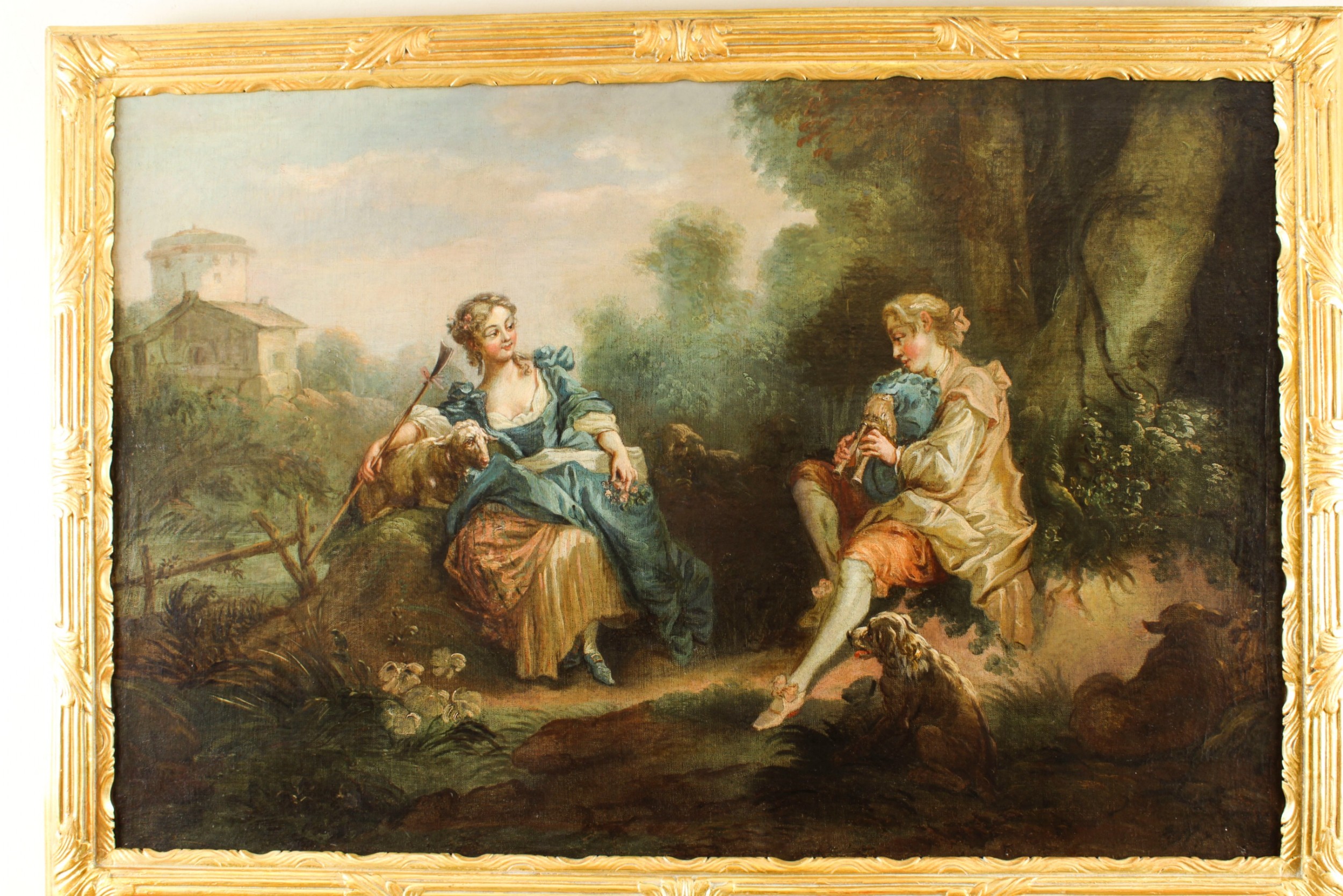
A beautiful French antique oil on canvas painting in the Manner of Jean-Antoine Watteau (1684-1721) 'The Serenade' dating from the early 19th century.

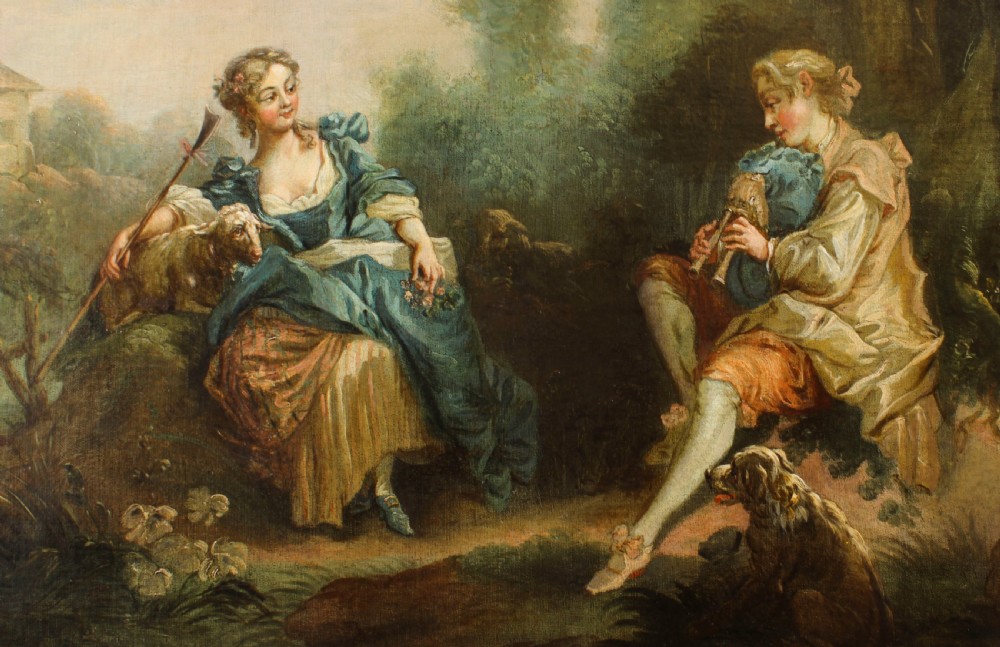
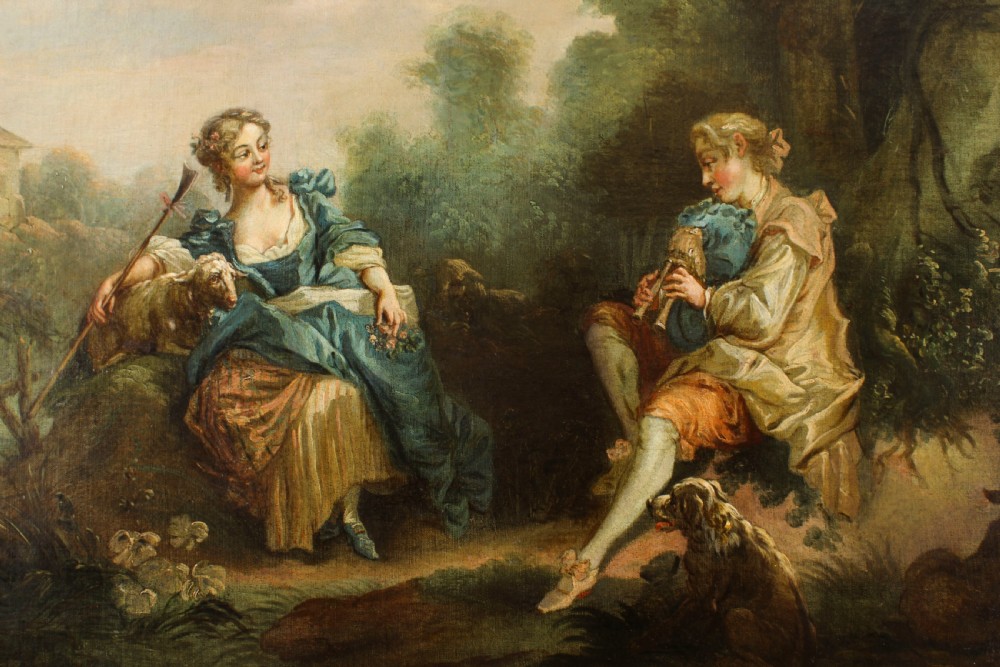
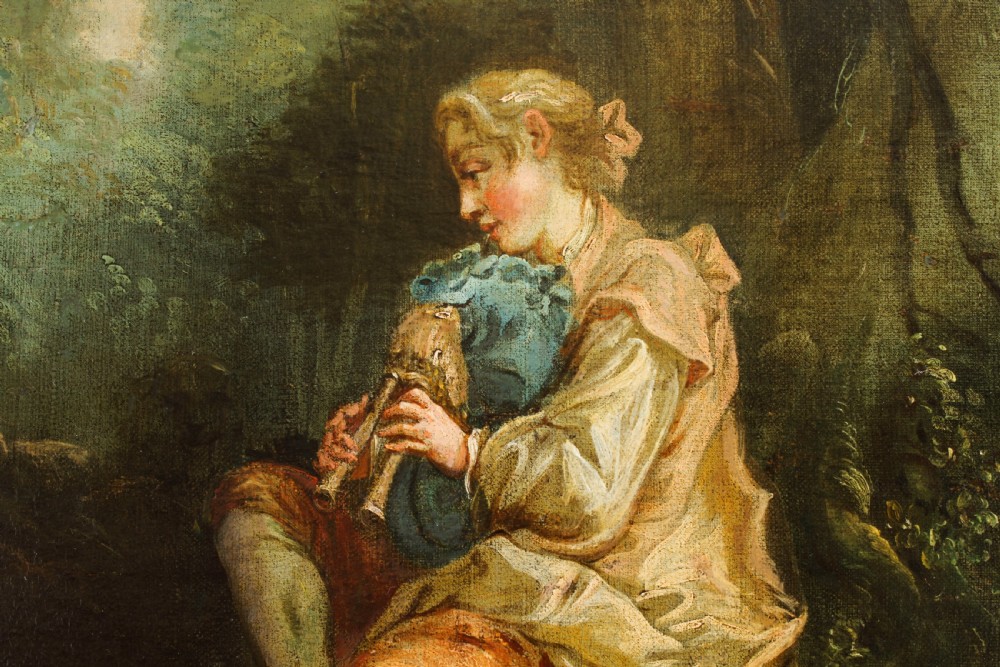
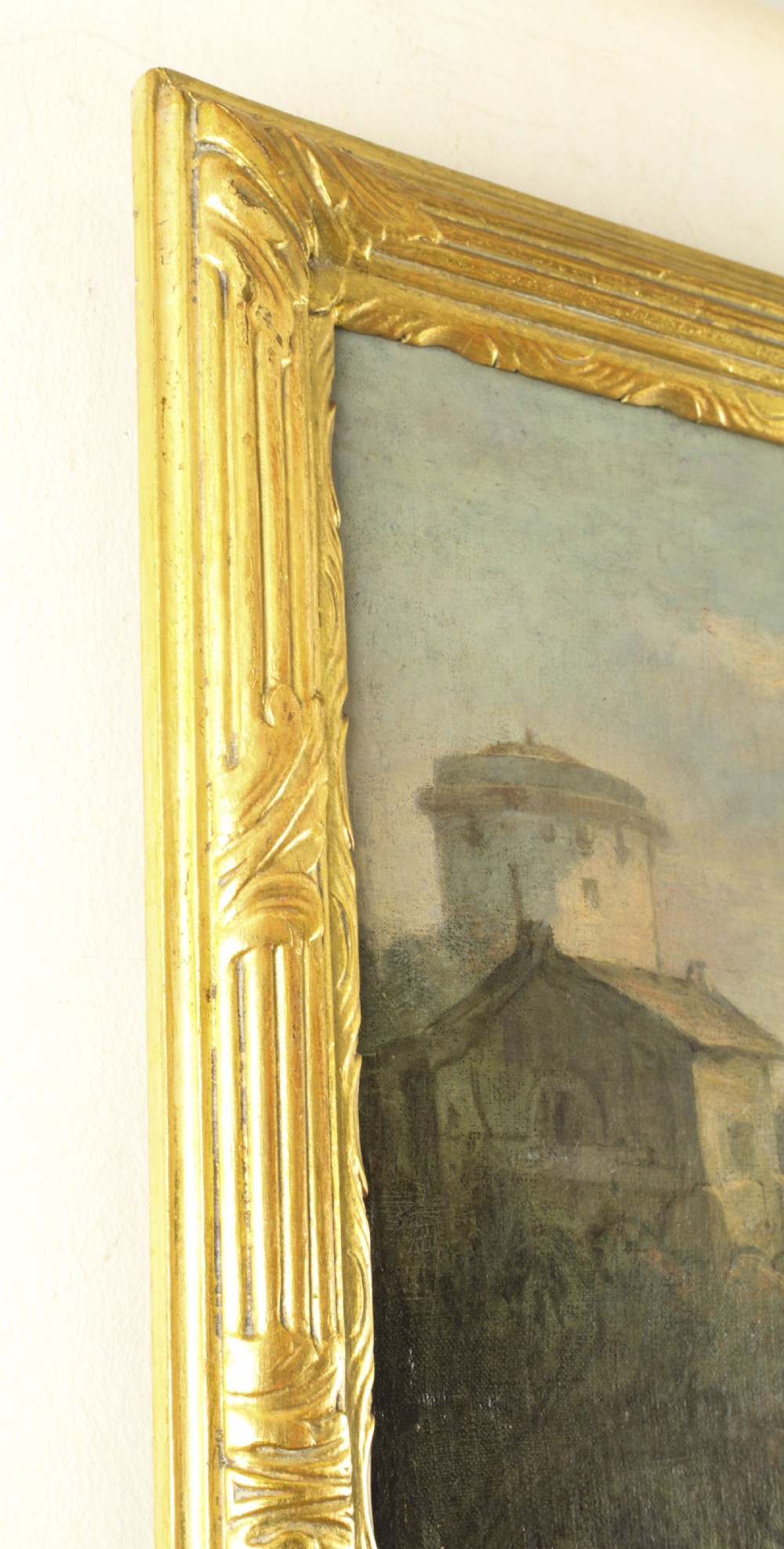
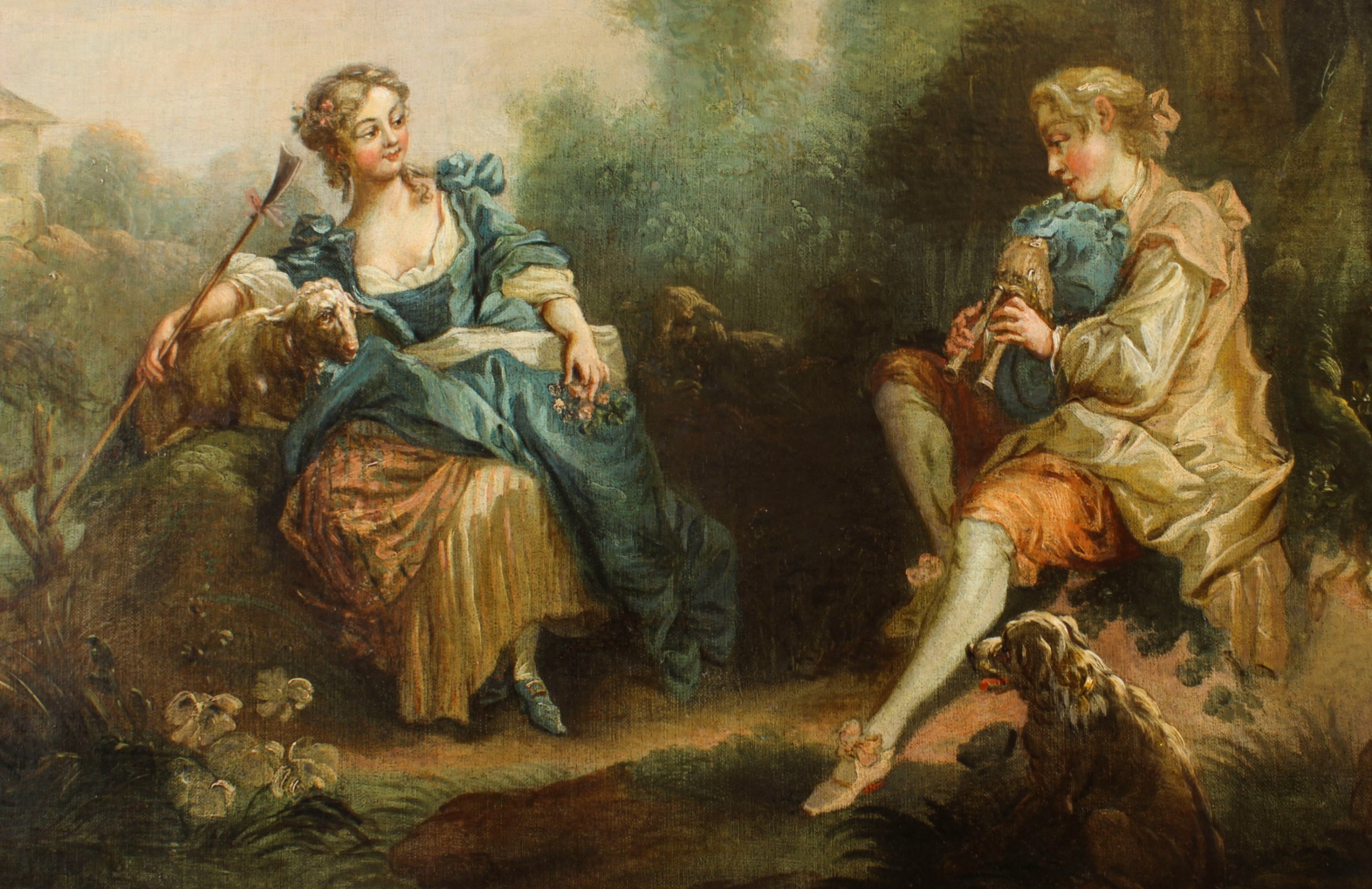
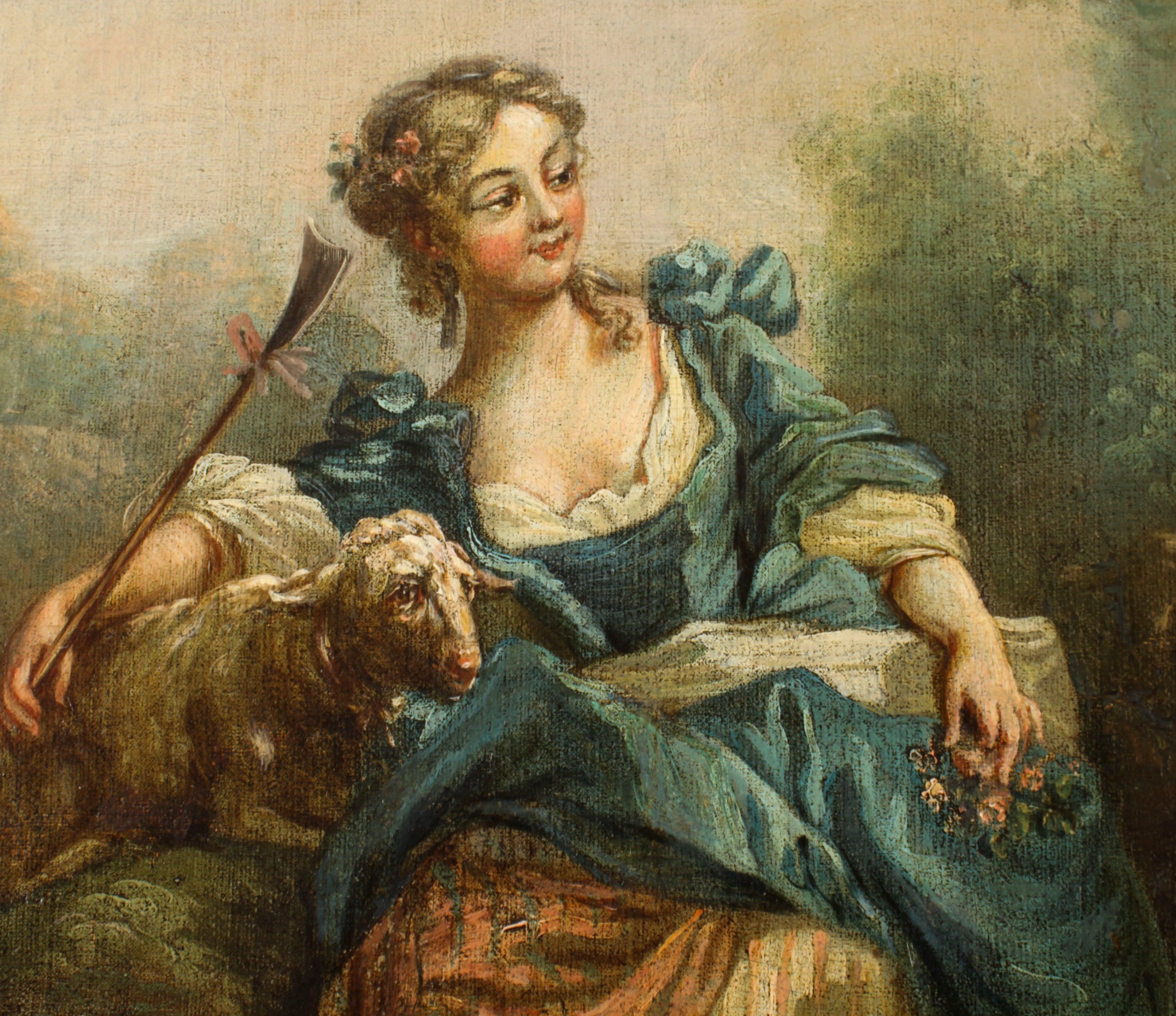
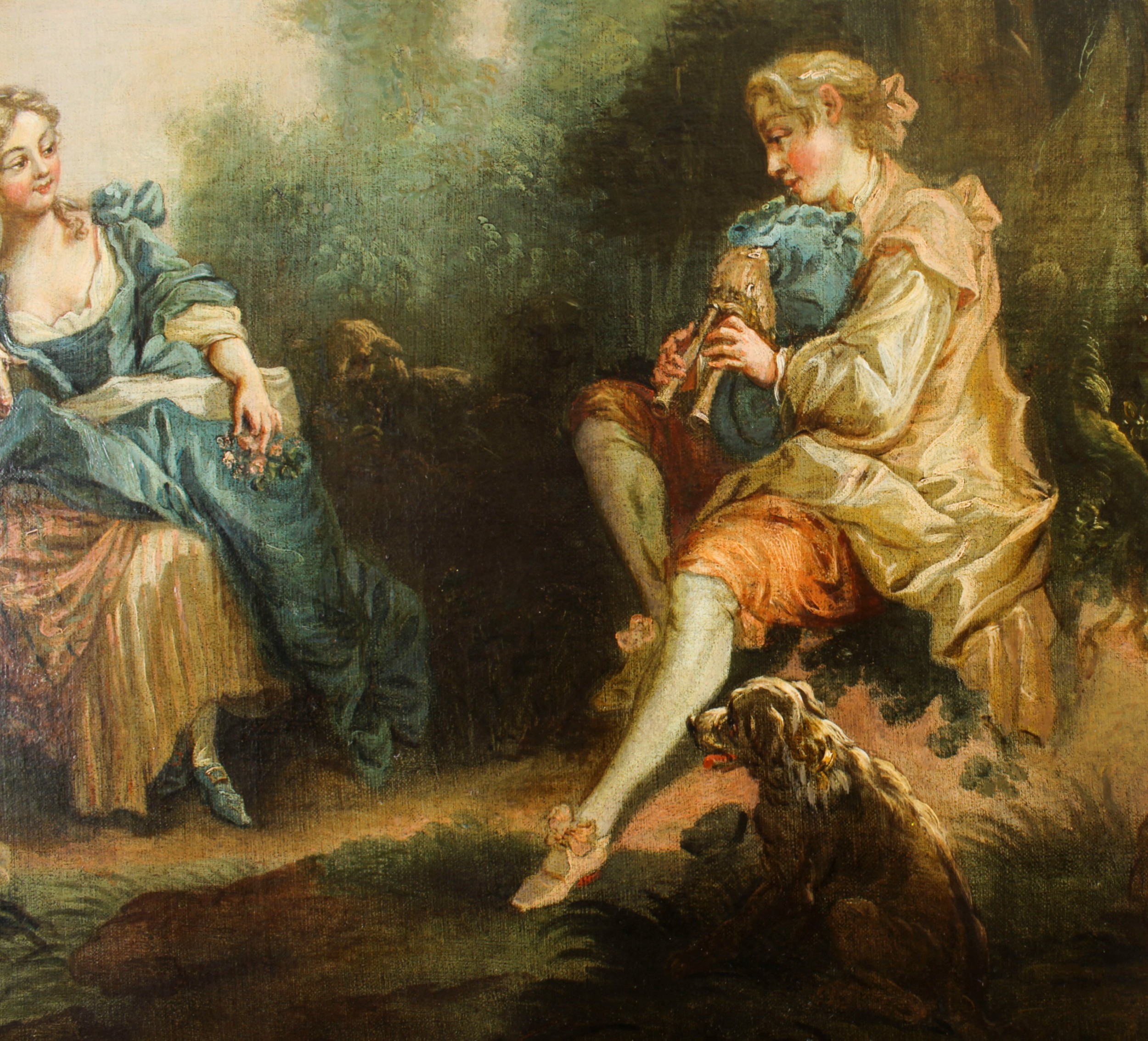
The delightful subject of the painting is a courting couple in a rugged country landscape with a large chateau in the background. The couple are seated in period costumes, while the gentleman serenades the lady.

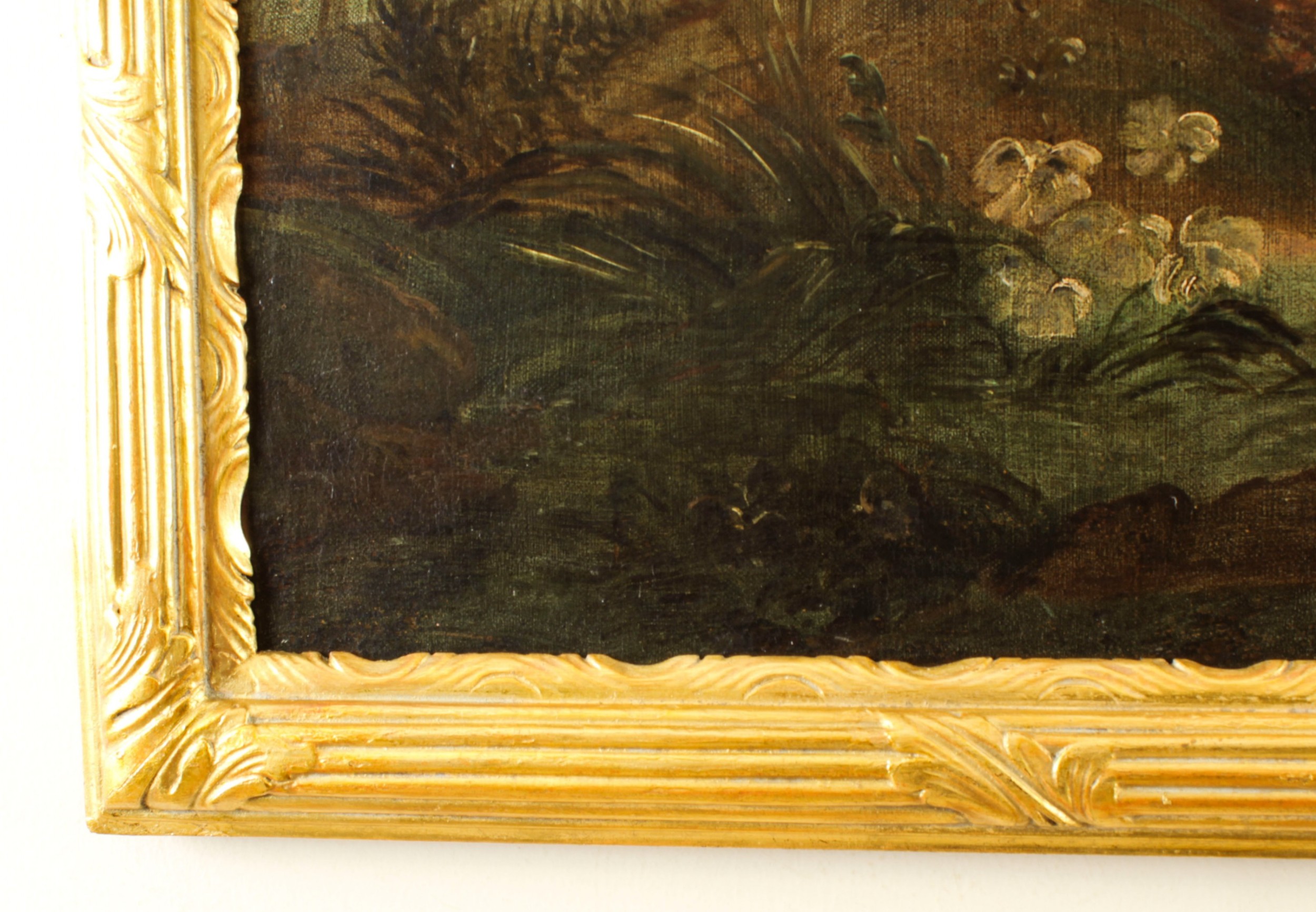
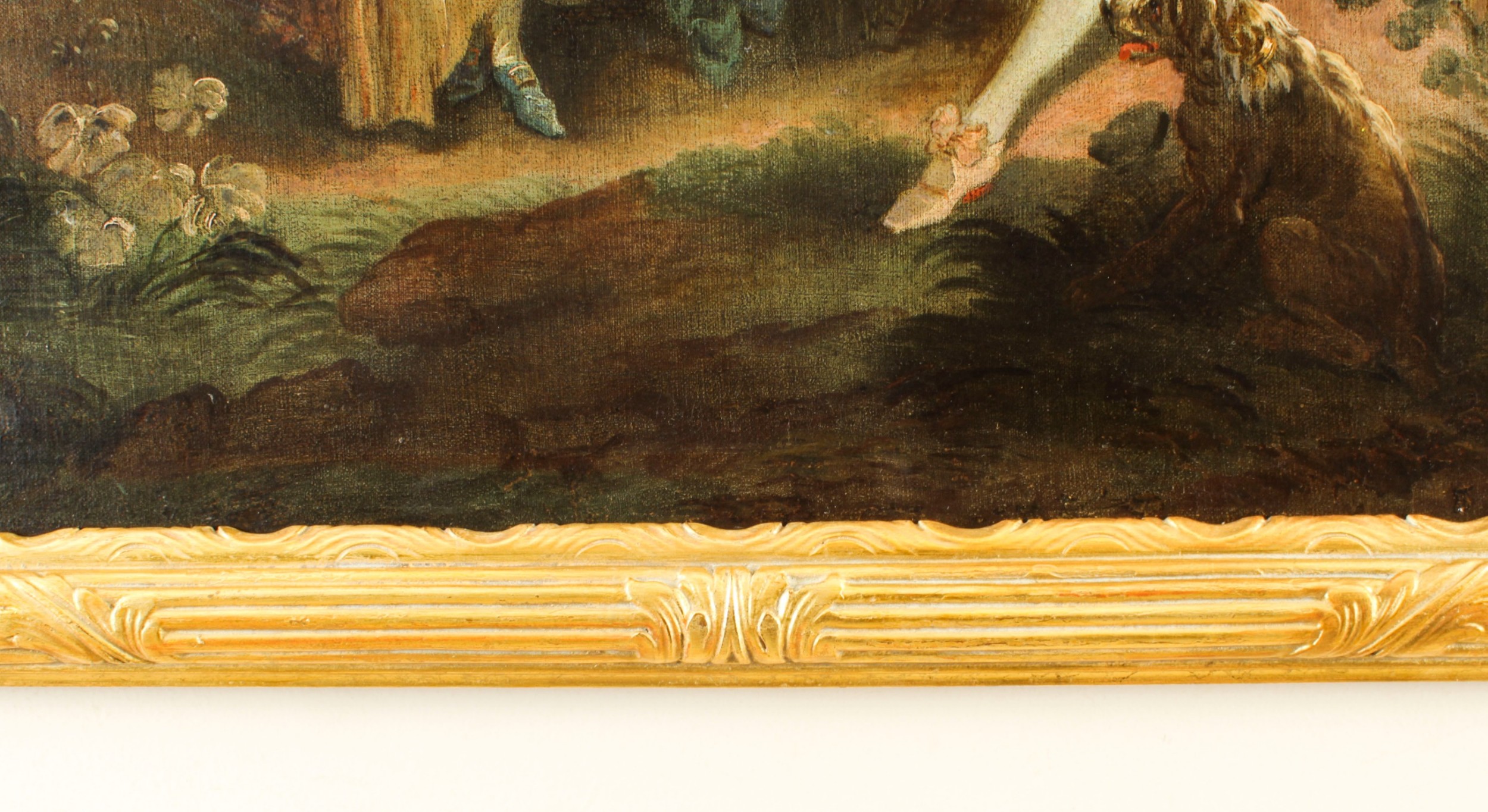
Framed in its delightful original gilt frame, add this lovely period scene to your home.

Condition:

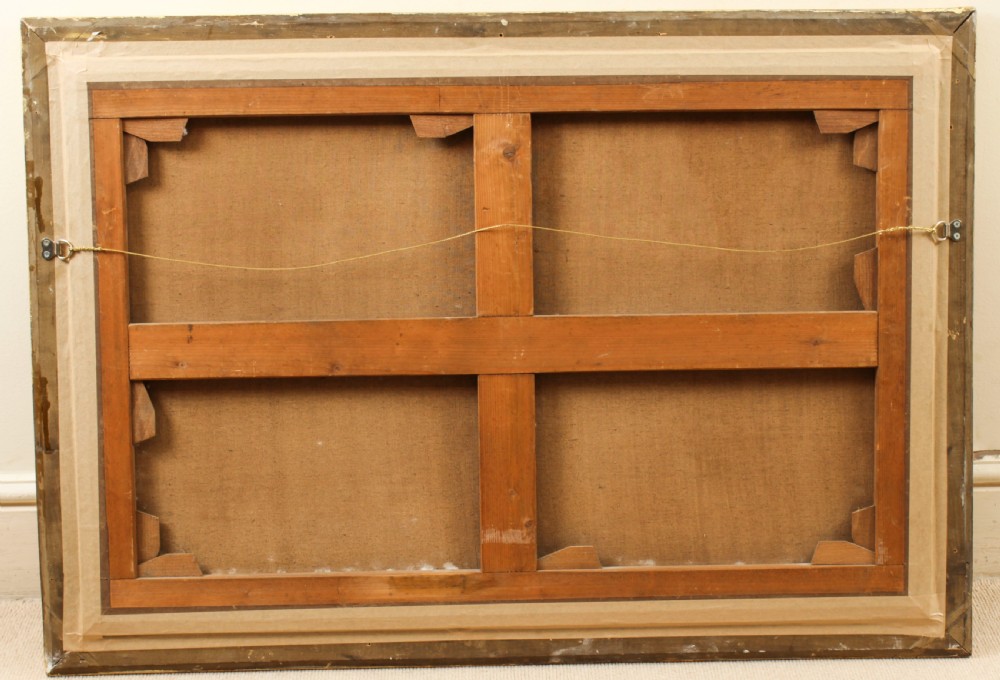
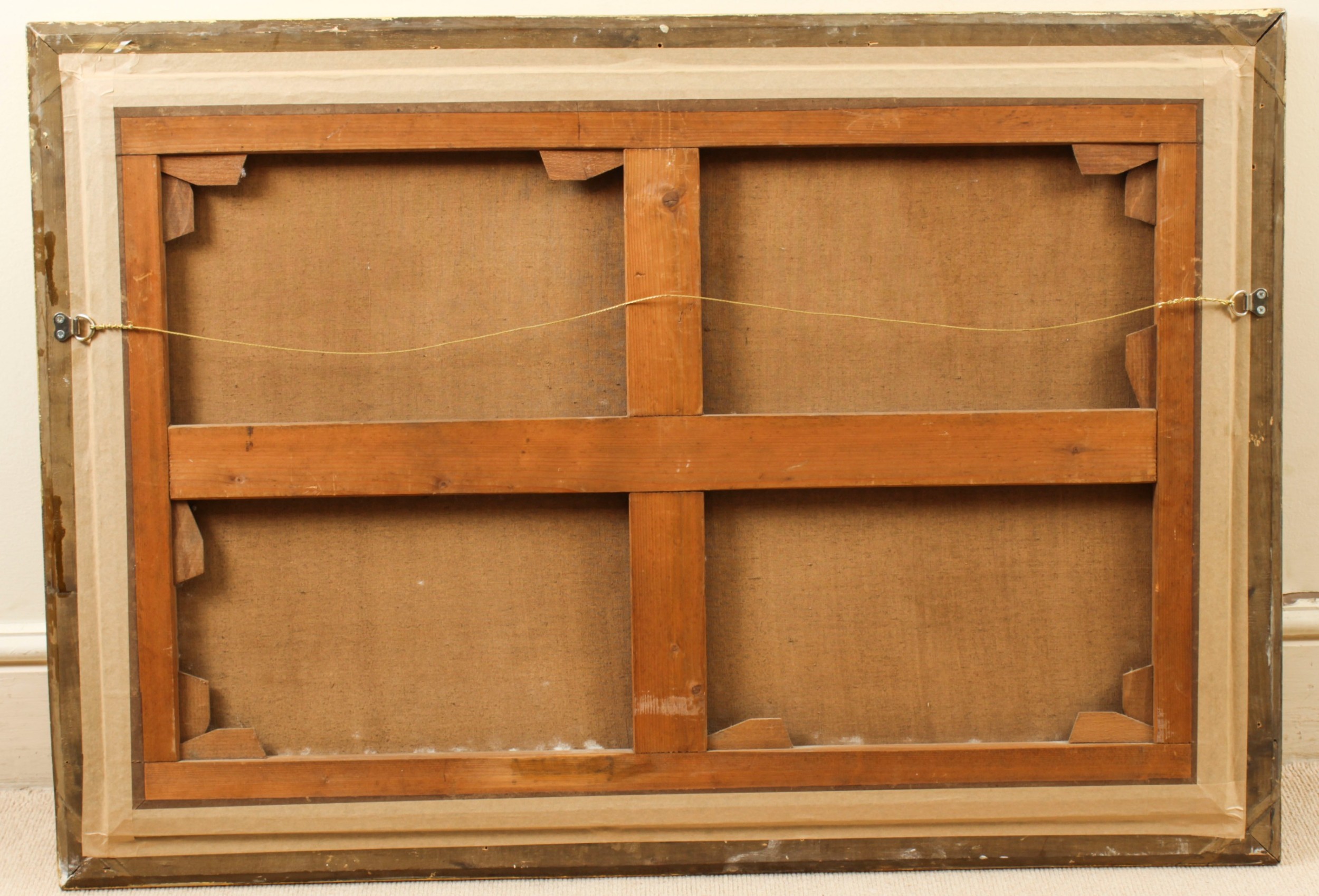
In excellent condition, please see photos for confirmation.

Dimensions in cm:

Height 73 x Width 106 x Depth 3

Height 64 x Width 97

Dimensions in inches:

Height 2 foot, 5 inches x Width 3 foot, 6 inches x Depth 1 inch

Height 2 feet, 1 inch x Width 3 foot, 2 inches

Jean-Antoine Watteau

was baptised October 10, 1684 – died July 18, 1721) was a French painter and draughtsman whose brief career spurred the revival of interest in colour and movement, as seen in the tradition of Correggio and Rubens. He revitalized the waning Baroque style, shifting it to the less severe, more naturalistic, less formally classical, Rococo. Watteau is credited with inventing the genre of fêtes galantes, scenes of bucolic and idyllic charm, suffused with a theatrical air. Some of his best known subjects were drawn from the world of Italian comedy and ballet.

Jean-Antoine Watteau[n. 1] was born in October 1684 in Valenciennes, once an important town in the County of Hainaut which became sequently part of the Burgundian and Habsburg Netherlands until its secession to France following the Franco-Dutch War. He was the second of four sons born to Jean-Philippe Watteau (1660–1720) and Michelle Lardenois (1653–1727), and was presumed to be of Walloon descent. The Watteaus were a quite well-to-do family, although Jean-Philippe, a roofer in second generation, was said to be given to brawling. Showing an early interest in painting, Jean-Antoine may have been apprenticed to Jacques-Albert Gérin, a local painter, and his first artistic subjects were charlatans selling quack remedies on the streets of Valenciennes. Watteau left for Paris in 1702. After a period spent as a scene-painter, and in poor health, he found employment in a workshop at Pont Notre-Dame, making copies of popular genre paintings in the Flemish and Dutch tradition; it was in that period that he developed his characteristic sketchlike technique.

His drawings attracted the attention of the painter Claude Gillot, and by 1705 he was employed as an assistant to Gillot, whose work, influenced by those of Francesco Primaticcio and the school of Fontainebleau, represented a reaction against the turgid official art of Louis XIV's reign. In Gillot's studio Watteau became acquainted with the characters of the commedia dell'arte (which moved onto the thé tre de la foire following the Comédie-Italienne departure in 1697), a favorite subject of Gillot's that would become one of Watteau's lifelong passions.

After a quarrel with Gillot, Watteau moved to the workshop of Claude Audran III, an interior decorator, under whose influence he began to make drawings admired for their consummate elegance. Audran was the curator of the Palais du Luxembourg, and from him Watteau acquired his knowledge of decorative art and ornamental design. At the palace, Watteau was able to see the magnificent series of canvases painted by Peter Paul Rubens for Queen Marie de Medici. The Flemish painter would become one of his major influences, together with the Venetian masters that he would later study in the collection of his patron and friend, the banker Pierre Crozat.

During this period Watteau painted The Departing Regiment, the first picture in his second and more personal manner, showing influence of Rubens, and the first of a long series of camp pictures. He showed the painting to Audran, who made light of

Date of Manufacture

Regent Antiques has dated this piece to the 19th Century.

Physical Dimensions
Height
73cm (28.74")
Width
106cm (41.73")
Depth
3cm (1.18")
Reference Numbers
Sellingantiques Reference
SA930880
Dealers Internal Reference
A2814
Antique Oil Painting Manner of Jean-Antoine Watteau The Serenade Early 19Th C
Detail view 1Detail view 2Detail view 3Detail view 4Detail view 5Detail view 6Detail view 7Detail view 8Detail view 9Detail view 10Detail view 11Detail view 12Detail view 13Detail view 14
SOLD6+ MONTHS AGO
1 / 15
19th Century · SA930880
Antique Oil Painting Manner of Jean-antoine Watteau the Serenade Early 19th C
Sorry, but this item has been sold.
Description
A beautiful French antique oil on canvas painting in the Manner of Jean-Antoine Watteau (1684-1721) 'The Serenade' dating from the early 19th century.

The delightful subject of the painting is a courting couple in a rugged country landscape with a large chateau in the background. The couple are seated in period costumes, while the gentleman serenades the lady.

Framed in its delightful original gilt frame, add this lovely period scene to your home.

Condition:

In excellent condition, please see photos for confirmation.

Dimensions in cm:

Height 73 x Width 106 x Depth 3

Height 64 x Width 97

Dimensions in inches:

Height 2 foot, 5 inches x Width 3 foot, 6 inches x Depth 1 inch

Height 2 feet, 1 inch x Width 3 foot, 2 inches

Jean-Antoine Watteau

was baptised October 10, 1684 – died July 18, 1721) was a French painter and draughtsman whose brief career spurred the revival of interest in colour and movement, as seen in the tradition of Correggio and Rubens. He revitalized the waning Baroque style, shifting it to the less severe, more naturalistic, less formally classical, Rococo. Watteau is credited with inventing the genre of fêtes galantes, scenes of bucolic and idyllic charm, suffused with a theatrical air. Some of his best known subjects were drawn from the world of Italian comedy and ballet.

Jean-Antoine Watteau[n. 1] was born in October 1684 in Valenciennes, once an important town in the County of Hainaut which became sequently part of the Burgundian and Habsburg Netherlands until its secession to France following the Franco-Dutch War. He was the second of four sons born to Jean-Philippe Watteau (1660–1720) and Michelle Lardenois (1653–1727), and was presumed to be of Walloon descent. The Watteaus were a quite well-to-do family, although Jean-Philippe, a roofer in second generation, was said to be given to brawling. Showing an early interest in painting, Jean-Antoine may have been apprenticed to Jacques-Albert Gérin, a local painter, and his first artistic subjects were charlatans selling quack remedies on the streets of Valenciennes. Watteau left for Paris in 1702. After a period spent as a scene-painter, and in poor health, he found employment in a workshop at Pont Notre-Dame, making copies of popular genre paintings in the Flemish and Dutch tradition; it was in that period that he developed his characteristic sketchlike technique.

His drawings attracted the attention of the painter Claude Gillot, and by 1705 he was employed as an assistant to Gillot, whose work, influenced by those of Francesco Primaticcio and the school of Fontainebleau, represented a reaction against the turgid official art of Louis XIV's reign. In Gillot's studio Watteau became acquainted with the characters of the commedia dell'arte (which moved onto the thé tre de la foire following the Comédie-Italienne departure in 1697), a favorite subject of Gillot's that would become one of Watteau's lifelong passions.

After a quarrel with Gillot, Watteau moved to the workshop of Claude Audran III, an interior decorator, under whose influence he began to make drawings admired for their consummate elegance. Audran was the curator of the Palais du Luxembourg, and from him Watteau acquired his knowledge of decorative art and ornamental design. At the palace, Watteau was able to see the magnificent series of canvases painted by Peter Paul Rubens for Queen Marie de Medici. The Flemish painter would become one of his major influences, together with the Venetian masters that he would later study in the collection of his patron and friend, the banker Pierre Crozat.

During this period Watteau painted The Departing Regiment, the first picture in his second and more personal manner, showing influence of Rubens, and the first of a long series of camp pictures. He showed the painting to Audran, who made light of
Date19th Century
Height73cm (28.74")
Width106cm (41.73")
Depth3cm (1.18")
ReferenceSA930880
Dealer's referenceA2814
Regent Antiques
Regent AntiquesSellingantiques verified since Sep 2016

We specialise in english and continental furniture, silver, porcelain and decorative items.

Member of LAPADA CINOA

SHARE
SAVE
Archive I Antique Oil Painting Manner of Jean-Antoine Watteau The Serenade Early 19Th C
SOLD6+ MONTHS AGO

Antique Oil Painting Manner of Jean-antoine Watteau the Serenade Early 19th C

Archive II Antique Oil Painting Manner of Jean-Antoine Watteau The Serenade Early 19Th C
 View II
Archive III Antique Oil Painting Manner of Jean-Antoine Watteau The Serenade Early 19Th C
 View III
Archive IV Antique Oil Painting Manner of Jean-Antoine Watteau The Serenade Early 19Th C
 View IV
Archive V Antique Oil Painting Manner of Jean-Antoine Watteau The Serenade Early 19Th C
 View V
Archive VI Antique Oil Painting Manner of Jean-Antoine Watteau The Serenade Early 19Th C
 View VI
Archive VII Antique Oil Painting Manner of Jean-Antoine Watteau The Serenade Early 19Th C
 View VII
Archive VIII Antique Oil Painting Manner of Jean-Antoine Watteau The Serenade Early 19Th C
 View VIII
Archive IX Antique Oil Painting Manner of Jean-Antoine Watteau The Serenade Early 19Th C
 View IX
Archive X Antique Oil Painting Manner of Jean-Antoine Watteau The Serenade Early 19Th C
 View X
Archive XI Antique Oil Painting Manner of Jean-Antoine Watteau The Serenade Early 19Th C
 View XI
Archive XII Antique Oil Painting Manner of Jean-Antoine Watteau The Serenade Early 19Th C
 View XII
Archive XIII Antique Oil Painting Manner of Jean-Antoine Watteau The Serenade Early 19Th C
 View XIII
Archive XIV Antique Oil Painting Manner of Jean-Antoine Watteau The Serenade Early 19Th C
 View XIV
Archive XV Antique Oil Painting Manner of Jean-Antoine Watteau The Serenade Early 19Th C
 View XV
Enlarged Archival View
Location
Manor Warehouse
318 Green Lanes
London
N4 1BX
United Kingdom
Verified Since Sep 2016
Items For Sale 635
Items Sold 2,754
Regent Antiques
Regent Antiques
Verified Since Sep 2016
View Dealer Info
Location: Manor Warehouse, 318 Green Lanes, London, N4 1BX, United Kingdom
Verified
Sep 2016
For Sale
635
Sold
2,754
Antique Oil Painting Manner of Jean-Antoine Watteau The Serenade Early 19Th C
Ref: SA930880
Antique Oil Painting Manner of Jean-Antoine Watteau The Serenade Early 19Th C
Detail View 1
Detail View 2
Detail View 3
Detail View 4
Detail View 5
Detail View 6
Detail View 7
Detail View 8
Detail View 9
Detail View 10
Detail View 11
Detail View 12
Detail View 13
Detail View 14
Archival Detail
Every single antique dealer on our platform is individually approved by our internal team. We verify their professional trade history, ethical standards, and photographic quality to ensure a secure, high-standard buying environment. Upon joining, every dealer agrees to a strict 9-point code of conduct. While issues can occasionally arise, our dealers typically resolve them swiftly and directly with the buyer. In fact, since our founding in 2002, Sellingantiques has only had to step in to help resolve an issue on roughly five occasions—a true testament to the quality of our dealers and their dedication to your happiness.
Our dealers are highly experienced in packing and shipping fragile, high-value antiques. Because you are in direct contact with the dealer, you will be able to easily go through all available shipping and insurance options together to ensure your item arrives safely.
Antiques are the ultimate green purchase. By choosing historical pieces over newly manufactured goods, you completely eliminate the carbon footprint of modern mass production while preserving exceptional, timeless craftsmanship.
Written by Sellingantiques from the dealer’s photographs and listing
  • Period19th century
  • SizeH 73 cm (29 in) x W 106 cm (42 in) x D 3 cm (1 in)
items
Add keywords to the filter
Price
£100
£250000
Era
Period
Style
Material
Origin
Stock Location
Recently Added
Online Payments
Categories