Brave Fine Art has dated this piece to the 1930s.
Renaissance artists tended to evoke eroticism, the unusual sensuality between the twisting form of a white swan and a nude. They overlook the rather creepy nature of its reality in favour of blatant beautification. It’s fascinating that Leda is seen as submissive, often joyful at this bizarre act. While the seductive Zeus conveys all his persuasiveness via the medium of a bird.
While in the 18th century, French academic artists tended to add a layer of demure porcelain. Leda is often seen affectionately holding the swan akin to a soulmate. The pair seem set for a house in the country and 2.4 children.
Over time, the story has been framed within the context of the era. From the overt eroticism of the 16th century through to the gentle sentiment of the Victorians. But perhaps one of the most telling versions is by Paul Cézanne who, in around 1880, portrayed the swan as biting Leda’s hand - much like an actual swan would do. Leda looks on with flushed cheeks and an angry expression of “Ouch!”. By reducing the swan to a mere bird, Cézanne ridicules the story while also reminding us that it’s a truly bizarre union.
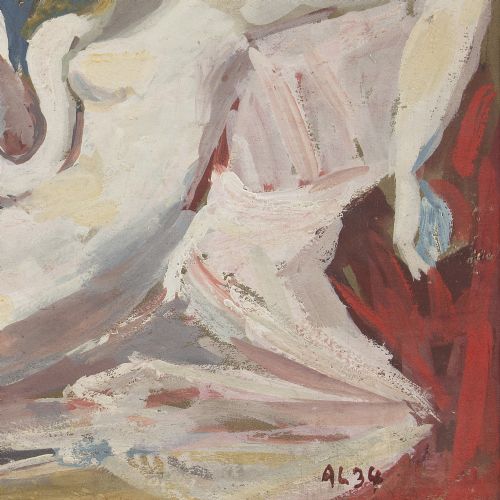
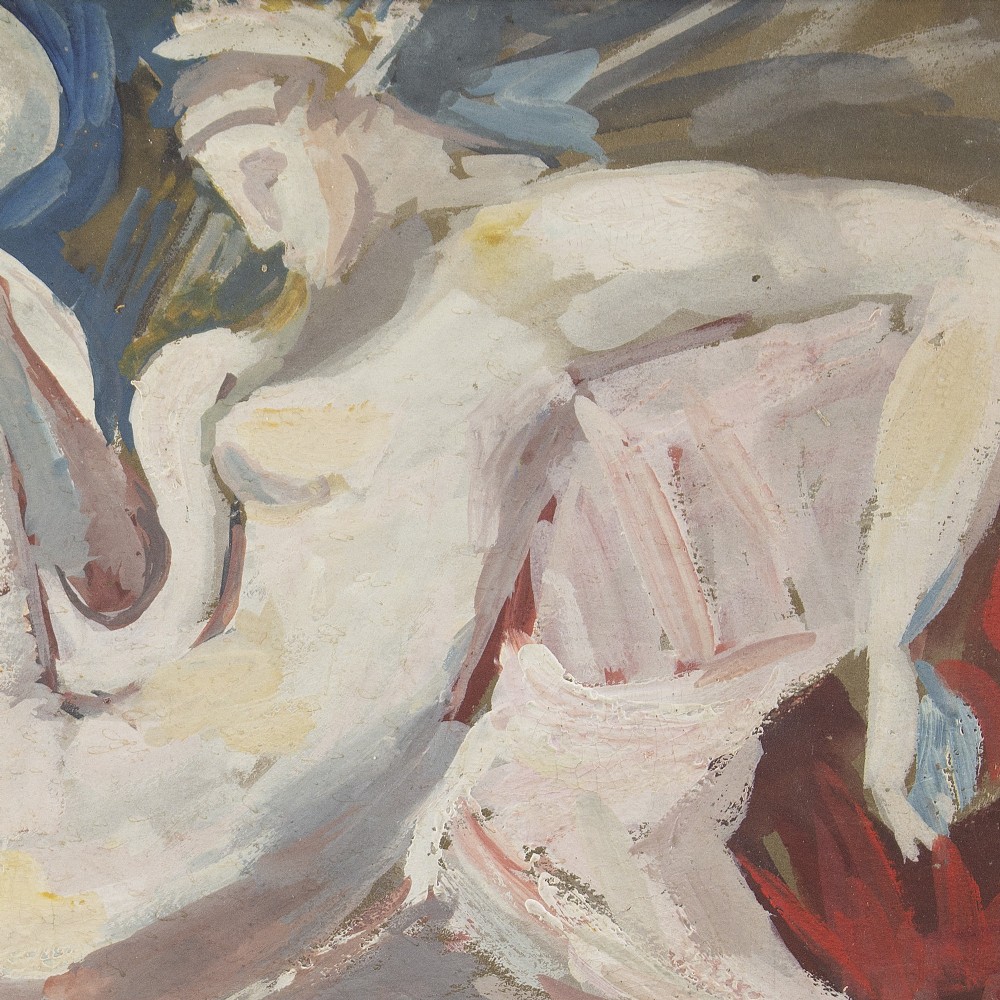
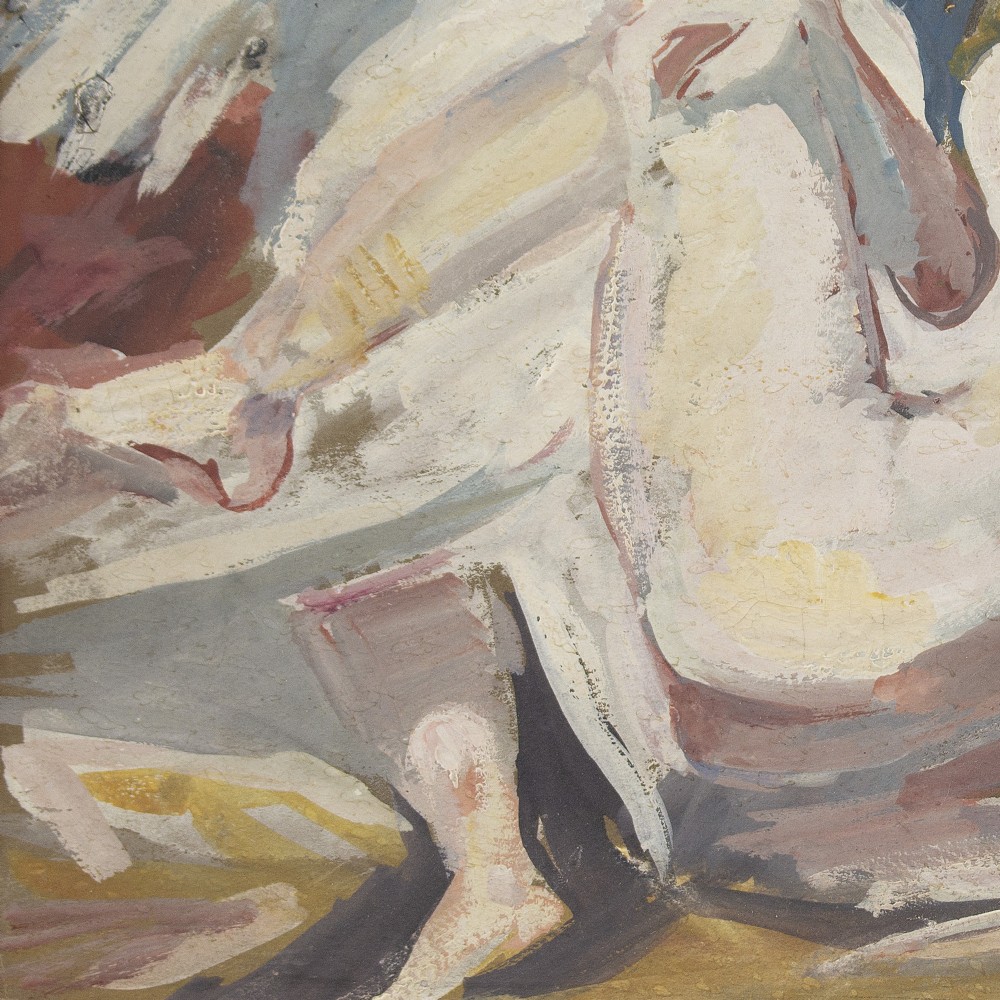
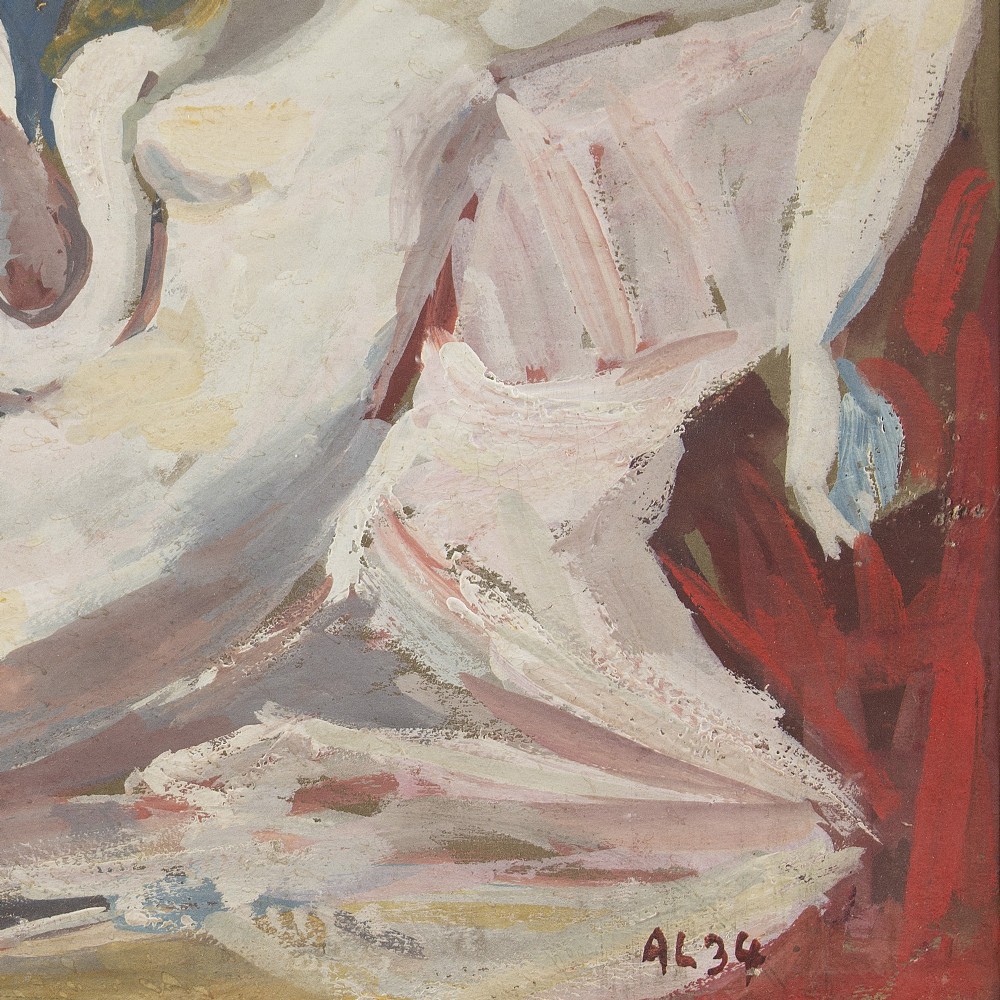
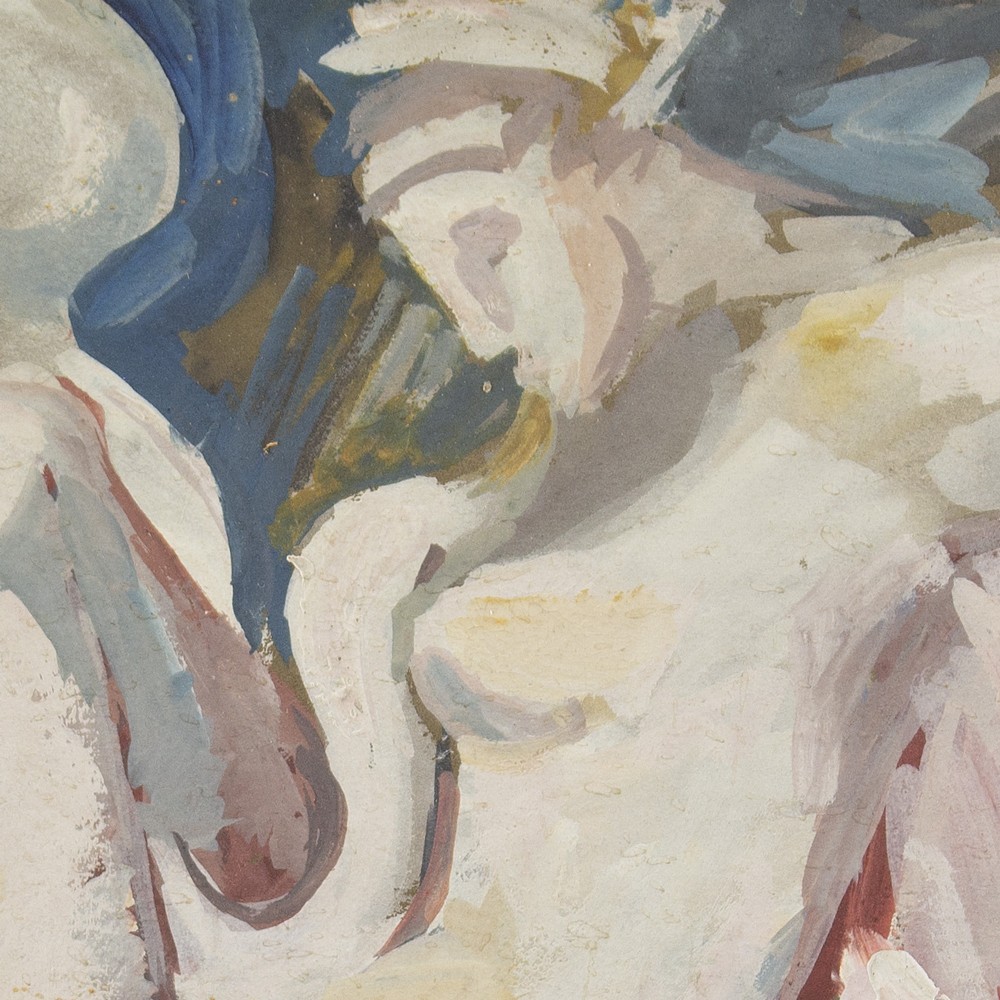
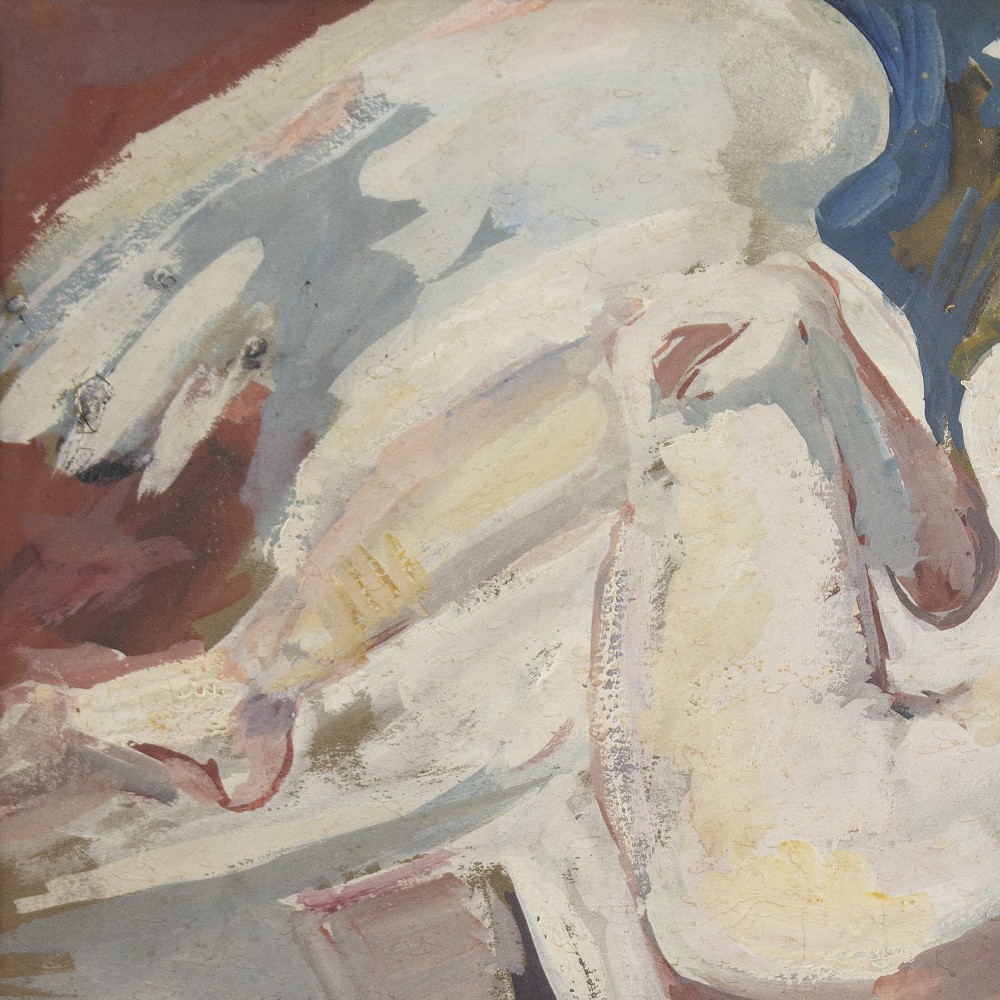
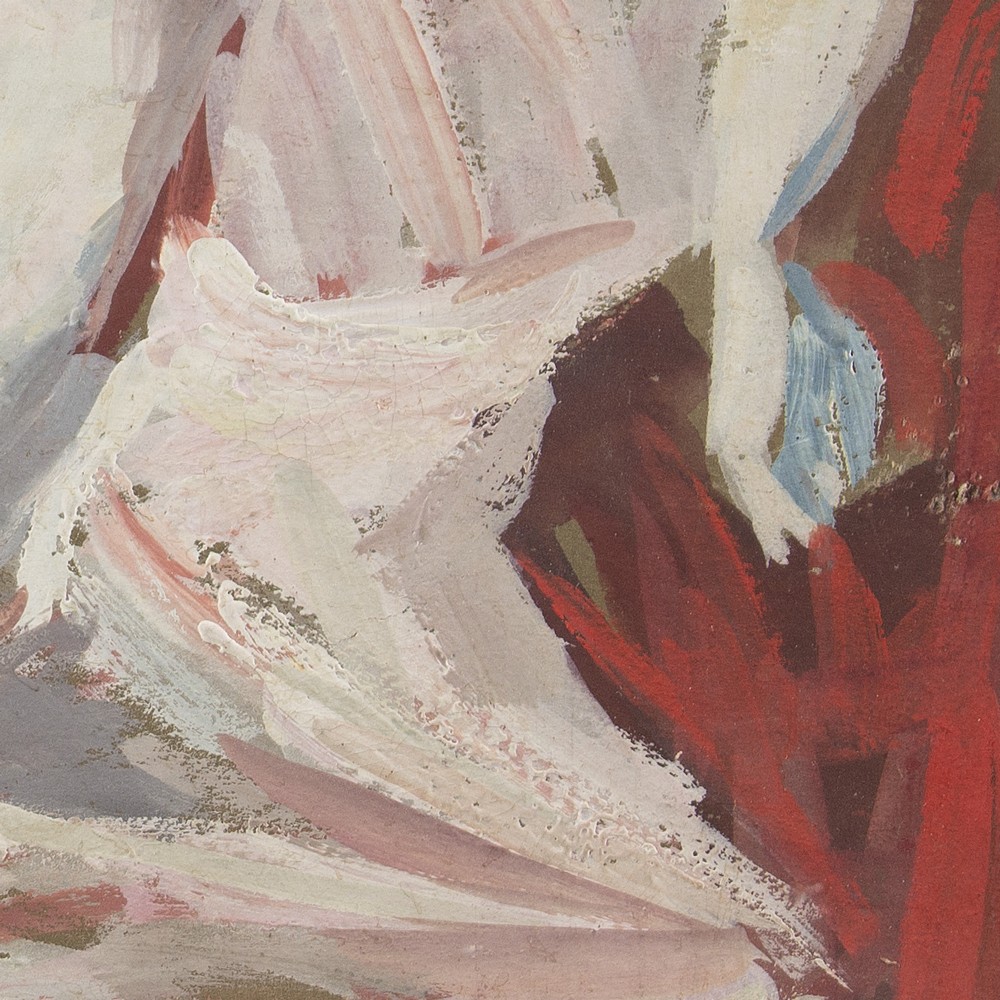
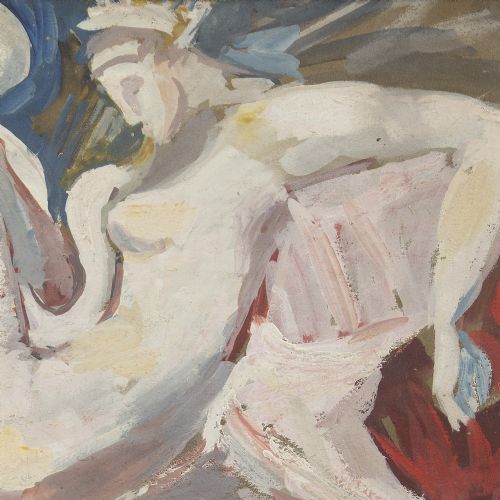
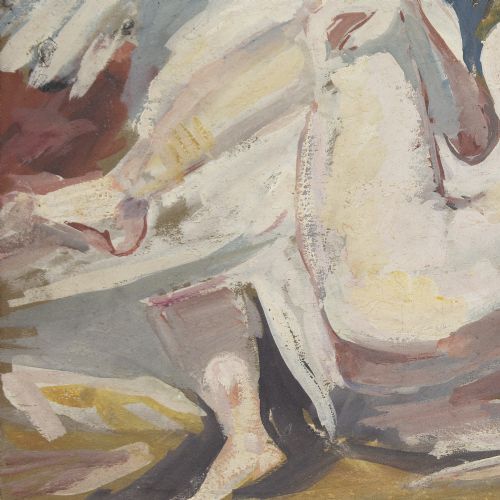
Here, in this quick study from 1934, the artist has chosen to interpret a version by Michelangelo whereby the two twisted forms are entwined. It’s an interesting daub that conveys the Renaissance sense of taboo sensuality.
Medium: Oil on canvas
Overall size: 13” x 9” / 33cm x 23cm
Year of creation: c. 1934
Condition: Artwork presents well.
Brave Fine Art has dated this piece to the 1930s.
Exquisite antique paintings that capture the imagination.
You can view the stock and full dealer information on the Brave Fine Art Profile Page
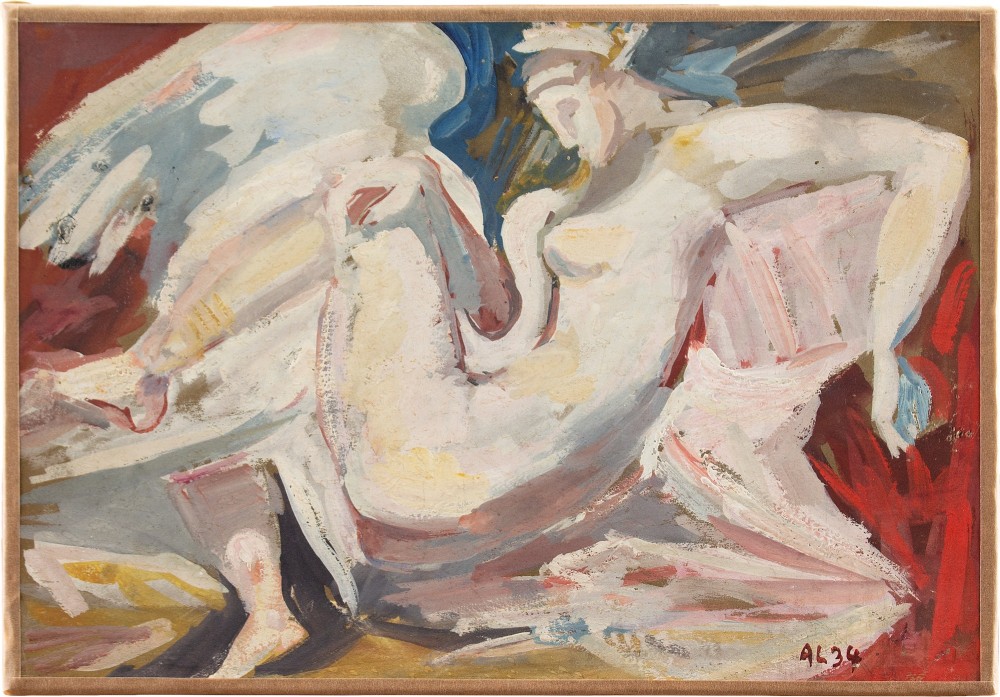
20th-century Spanish School, After Michelangelo, Leda & the Swan - Vintage Oil Painting