It was listed by Titan Fine Art. Sold pieces stay on Sellingantiques as a record of what has passed through, and the next one is rarely far away.
Titan Fine Art has dated this piece to the 18th Century.
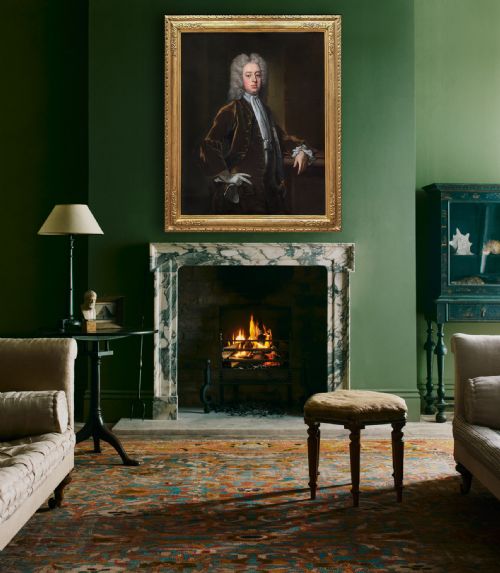
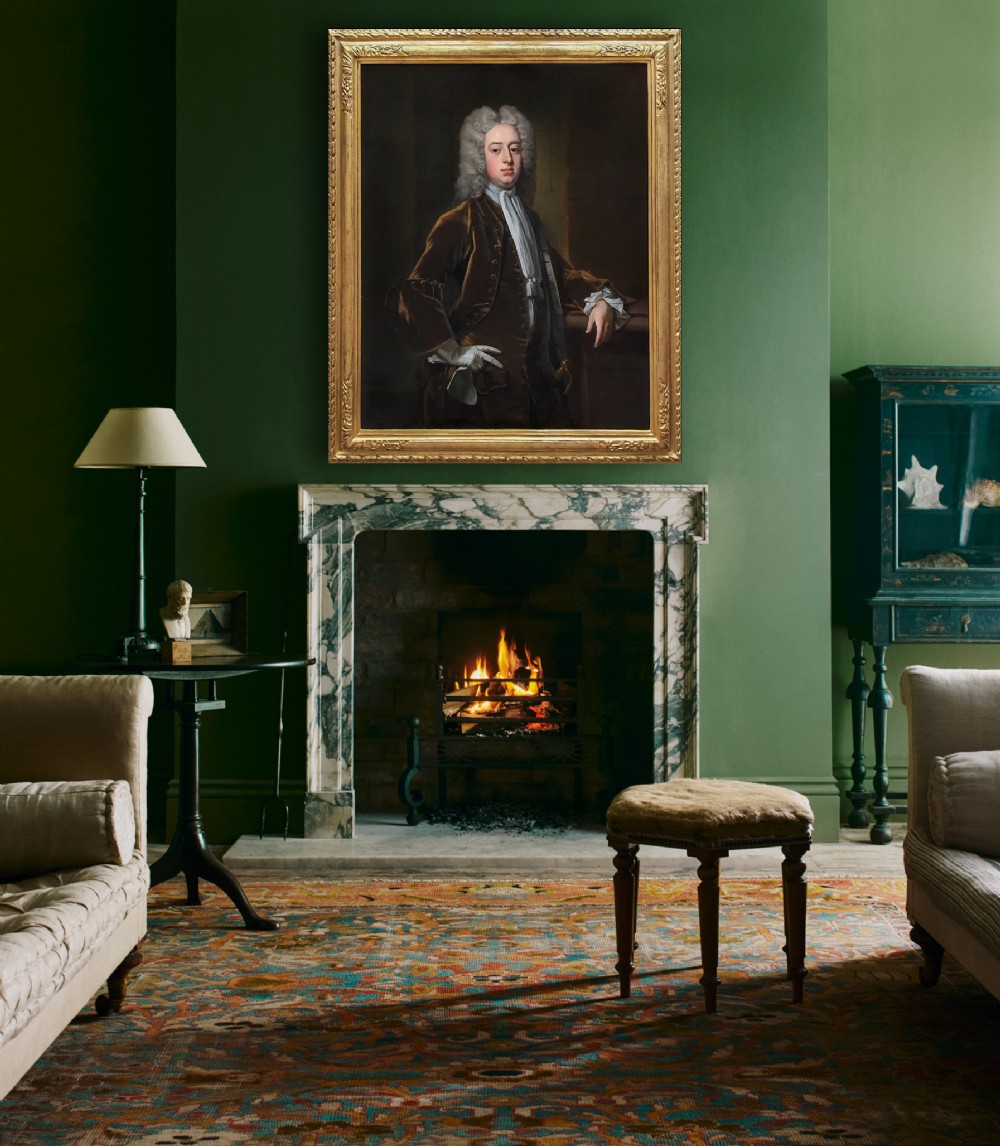
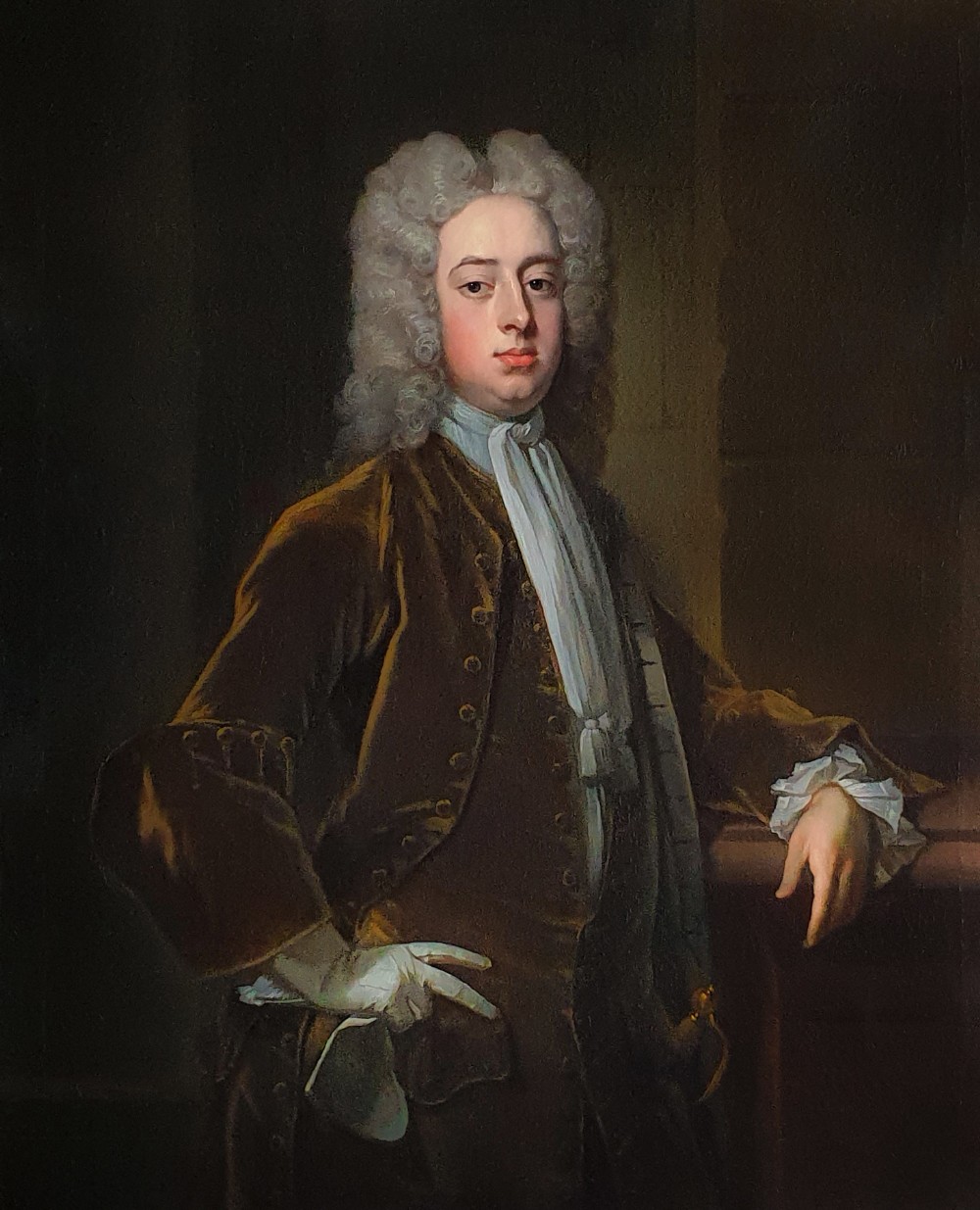
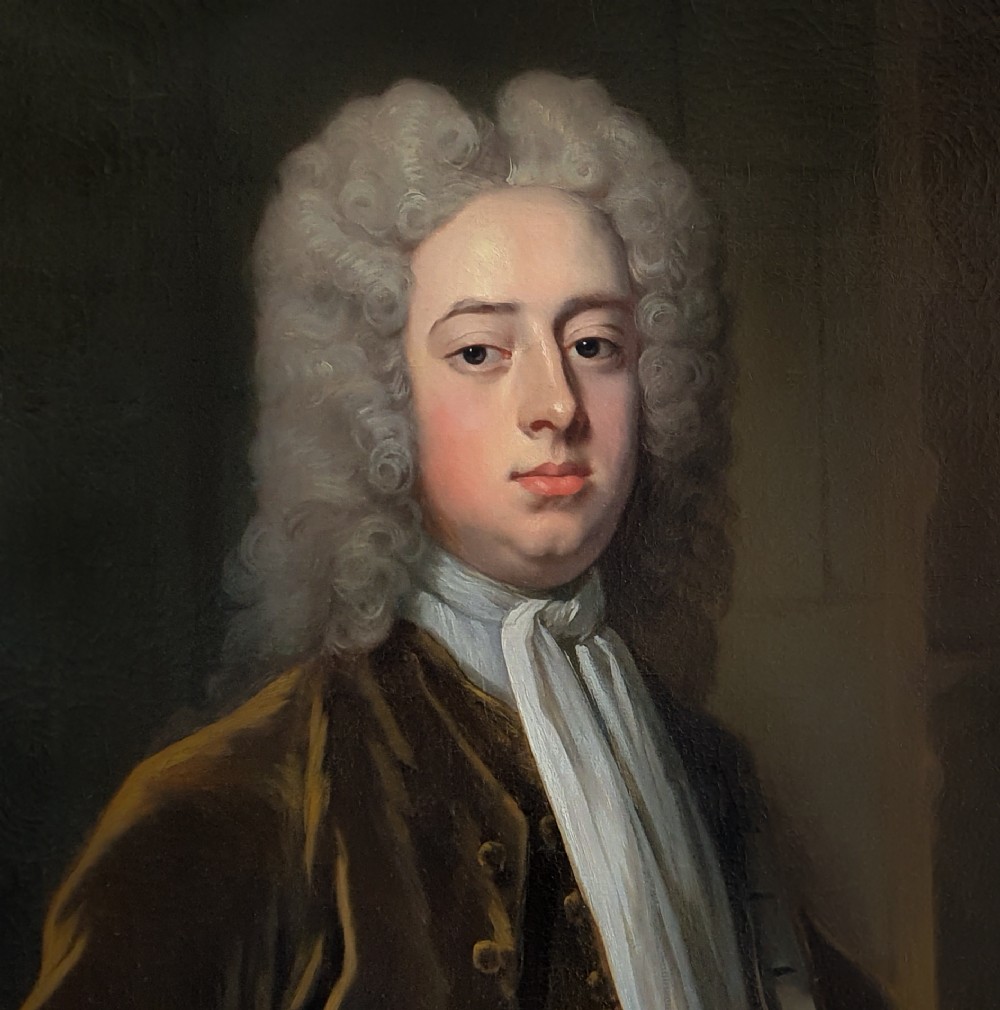
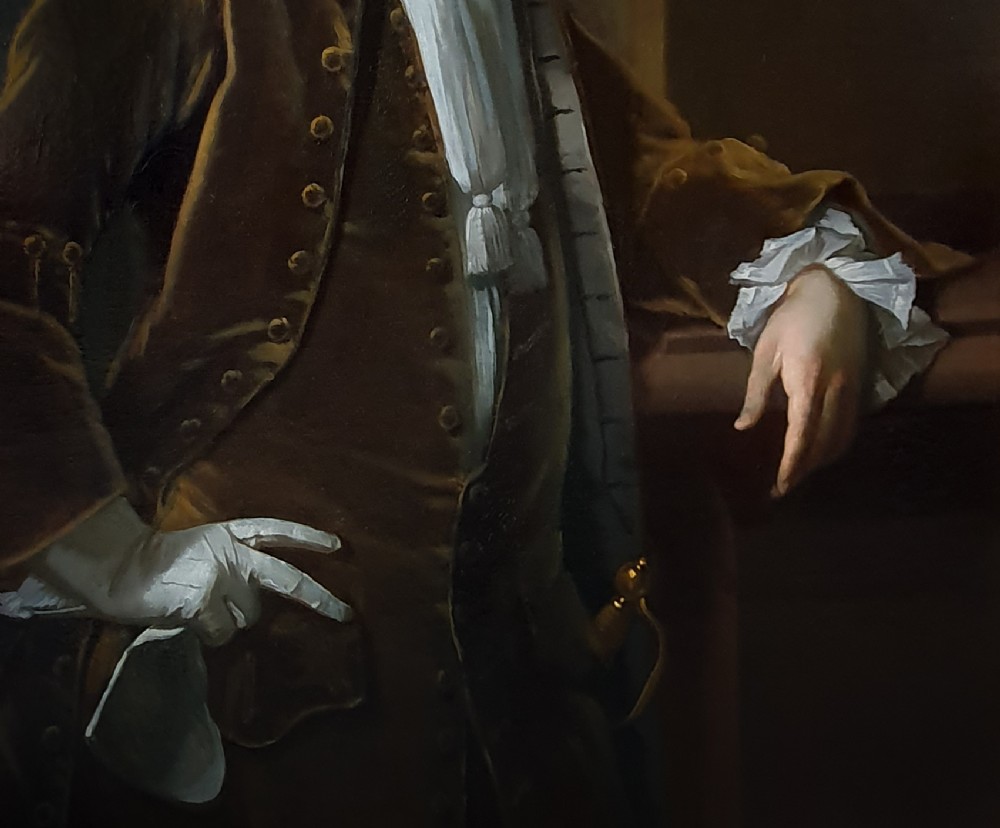
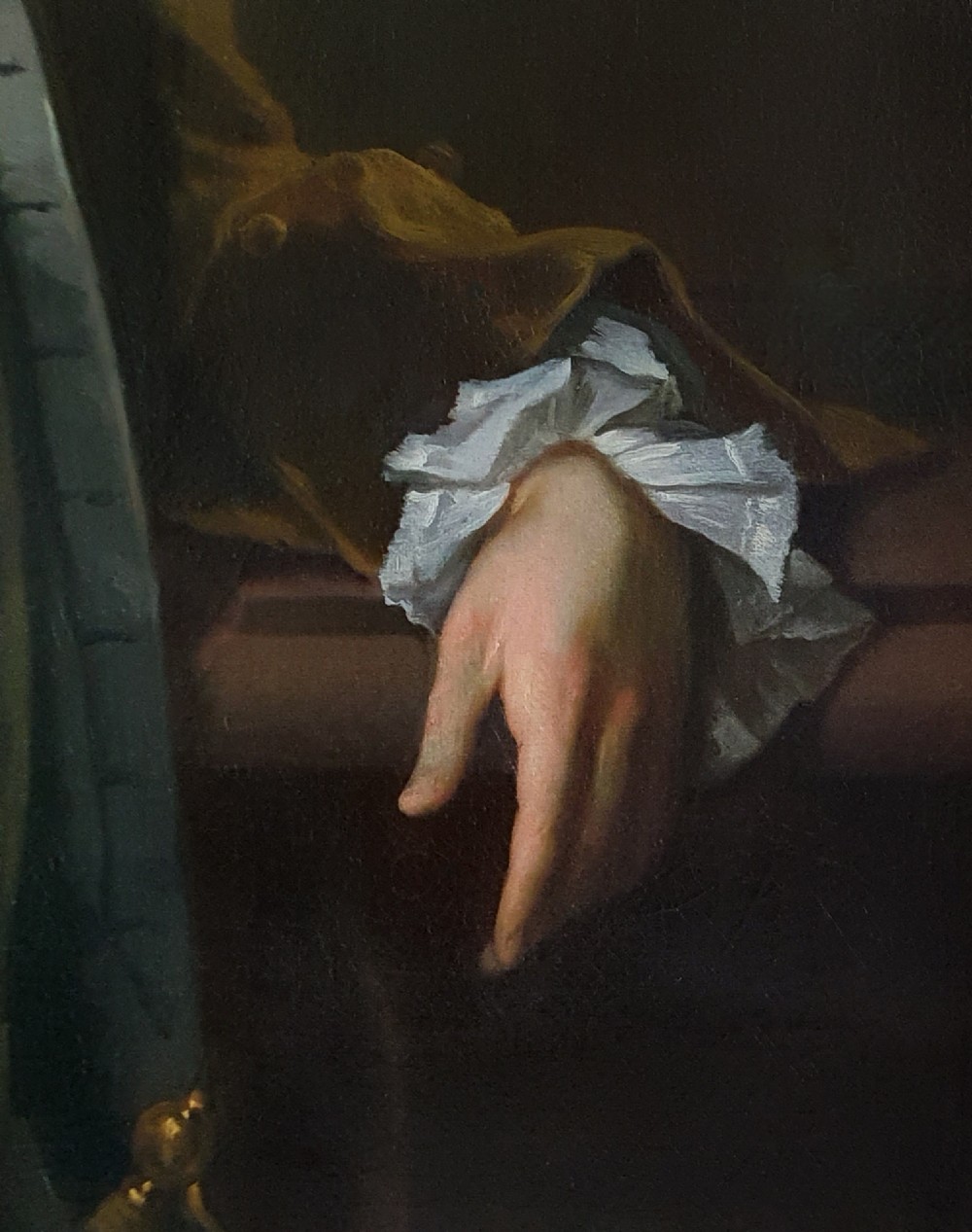
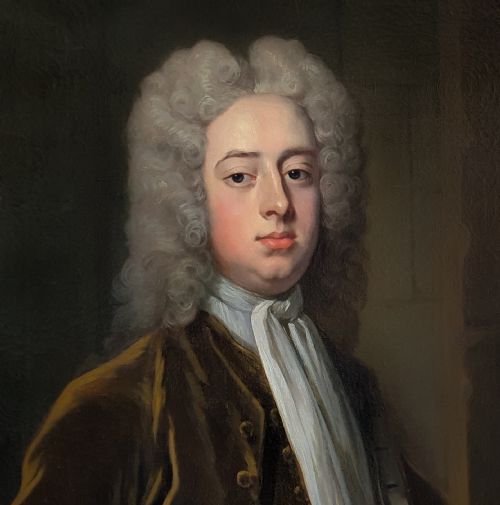
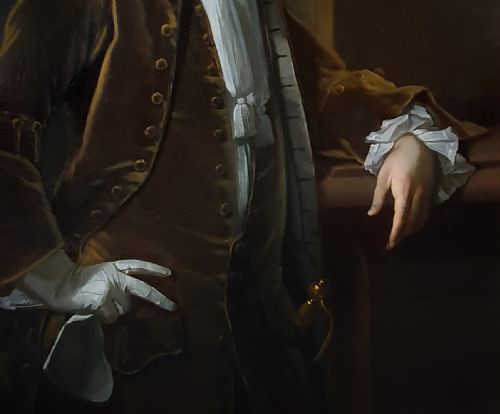
It is an exquisite example of the English 18th century Grand Manner portrait. The sitter is portrayed in a standard gentlemanly pose for the period but it is striking in its study of the sitter’s attitude and in the graceful and natural manner of certain elements. There are many exquisite elements, for example the cuffs, which have been rendered in a free and florid style and are very painterly.
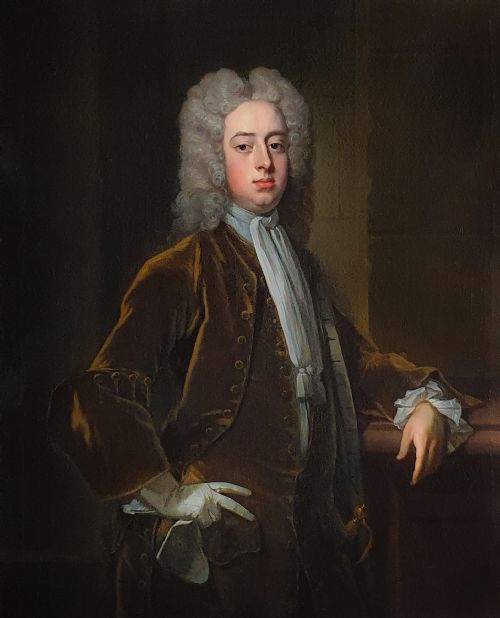
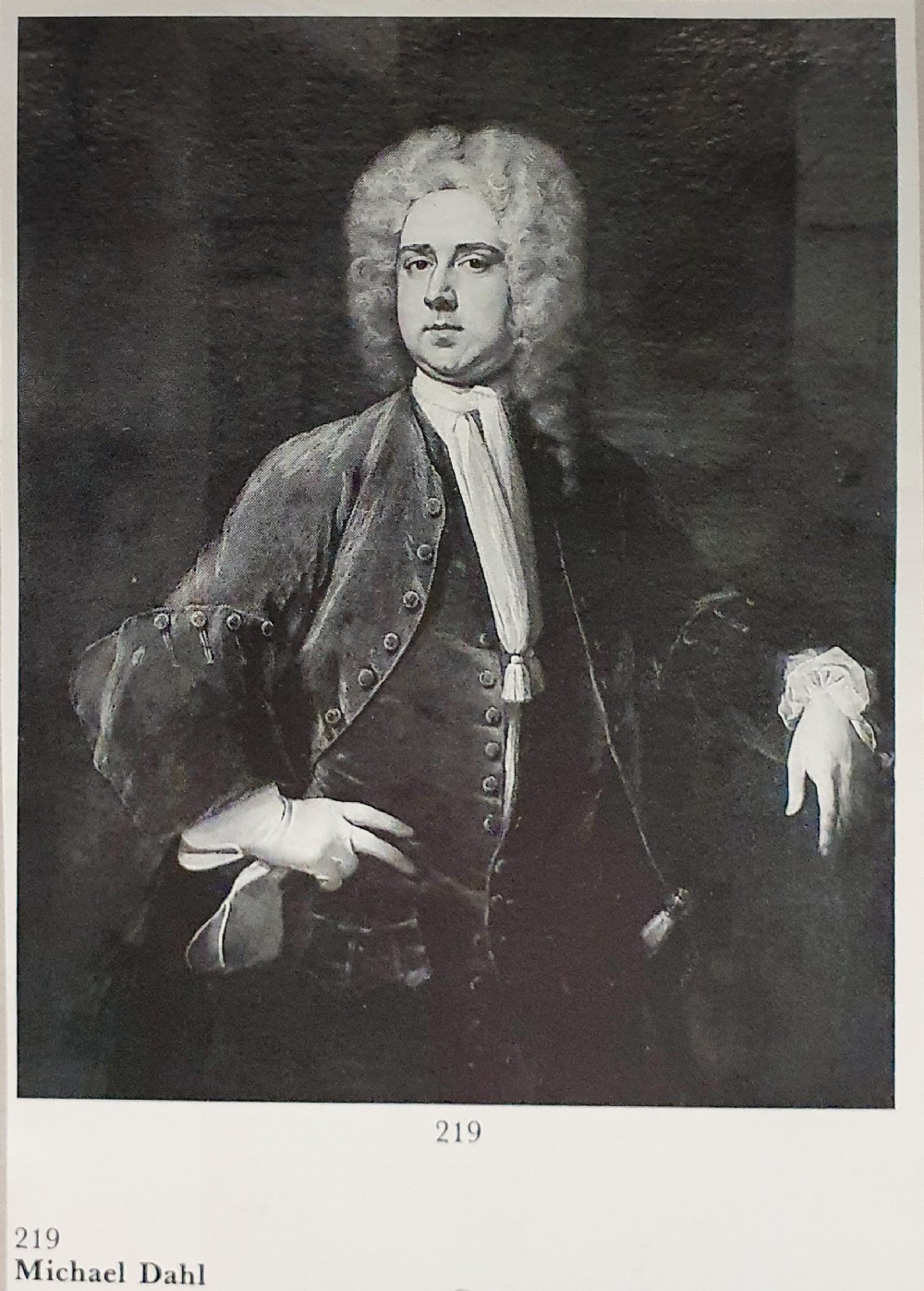
The portrait is the work of Michael Dahl and it can be dated to circa 1723 based on the sitter’s costume and hair. Dahl used this precise pattern for another portrait (Sotheby’s sale 28th Feb 1990 lot 219, catalogued as by Michael Dahl). The clothing also appears replicated and this indicates that they might not have been the sitter’s own clothes. It was a common practice at the time for artists to reuse a pose if they found it successful and sitters were able to choose amongst a series of patterns for their portrait. This is a fine quality work and is contained within a fine period gilded frame of excellent condition.
The painting was in the collection of the British diplomate Thomas Bryan Clarke-Thornhill (1857-1934) in 1920, and probably descended to him within the Clarke-Thornhill family. He was the son of William Capel Clarke (Thornhill) (1832-1898) and Clara Thornhill (1836-1865) (daughter and co-heiress of Thomas Thornhill of Fixby Hall, Yorkshire and Riddlesworth Hall, Norfolk). The Thornhills were English nobility, descended from Anglo-Danish landholders of Yorkshire. The family fought with Harold at the Battle of Stamford Bridge 1066.
In 1954 his mother married William Capel Clarke and in 1856 they both took the surname Clarke-Thornhill. Charles Dickens became a great friend of Clara Thornhill, and over the years visited her at Rushton Hall many times. In 1850 it is believed he conceived the idea of The Great Hall in Statis House, where Miss Haversham had her wedding breakfast laid out, in his novel ‘Great Expectations’, whilst he was staying at Rushton.
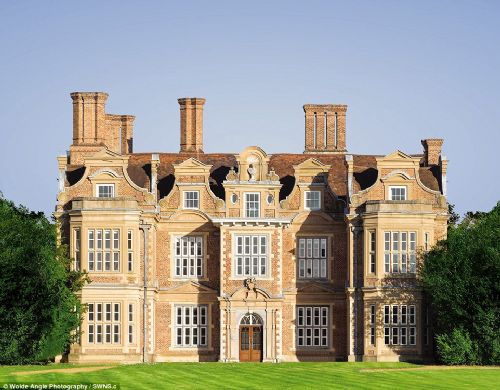
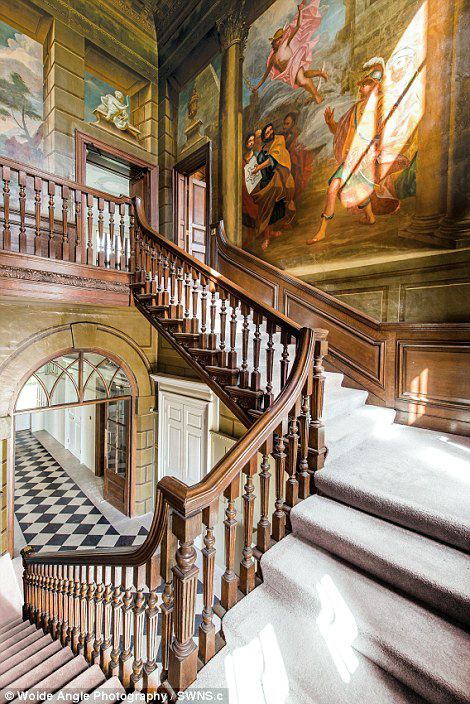
The family’s estates were extensive and included Fixby Hall, Rushton Hall, and Binham Abbey. However, the portrait was probably last located at their 17th century manor, Swakeleys, when it was sold by Thomas Bryan Clarke-Thornhill at Christies in 1920 (at this time Swakeleys was rented to Mr Arthur Gilbey and in the same sale he sold pictures and other artefacts “removed from Swakeleys”). This was probably in readiness for the sale of Swakeleys itself shortly thereafter on 5th July 1922 for £42,700 for development as a residential suburb.
Swakeleys was built in 1638 but purchased in 1751 by the Rev Thomas Clarke (1722-960). It descended to his great grandson Thomas Bryan Clarke-Thornhill.
Michael Dahl (1659-1743) was born in Stockholm and was a painter of exceptional talent. He studied with David Ehrenstrahl, the leading Swedish portrait painter of his day, before embarking on a tour of Europe in 1682 that included London, Paris and Rome. He first visited London and it is thought that he spent some time in Kneller's studio. In 1698 he was offered the position of painter to the court of the Swedish King, Charles XII, but preferred to stay and settle permanently in London. There, he established an independent studio and by 1700 became the most successful painter in England, second only to Godfrey Kneller. He died in London in 1743 leaving two daughters (his only son, also a painter, died about three years earlier).
Provenance
Presumably by descent from the sitter to Thomas Bryan Clarke-Thornhill (1857-1934);
Sold Christie's, 3 December 1920, lot 149
Titan Fine Art has dated this piece to the 18th Century.
Specialist in 17th & 18thc portraits. Highly curated selection, museum-level research & pro conservation. Exceptional art, expertly vetted.
You can view the stock and full dealer information on the Titan Fine Art Profile Page
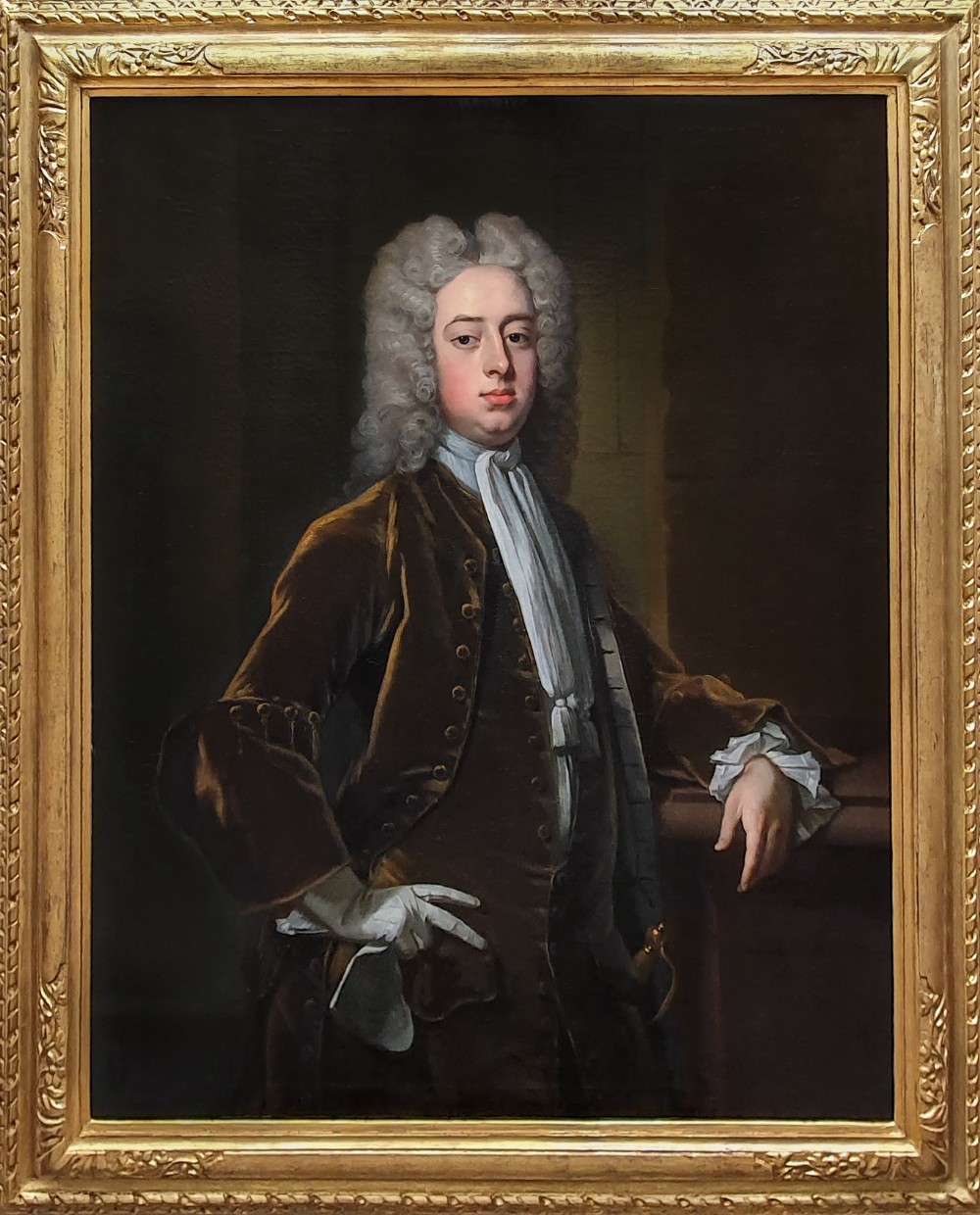
Portrait of a Gentleman Holding Gloves C.1723; by Michael Dahl (1659-1743), Antique Oil on Canvas Painting