Titan Fine Art has dated this piece to the 17th Century.
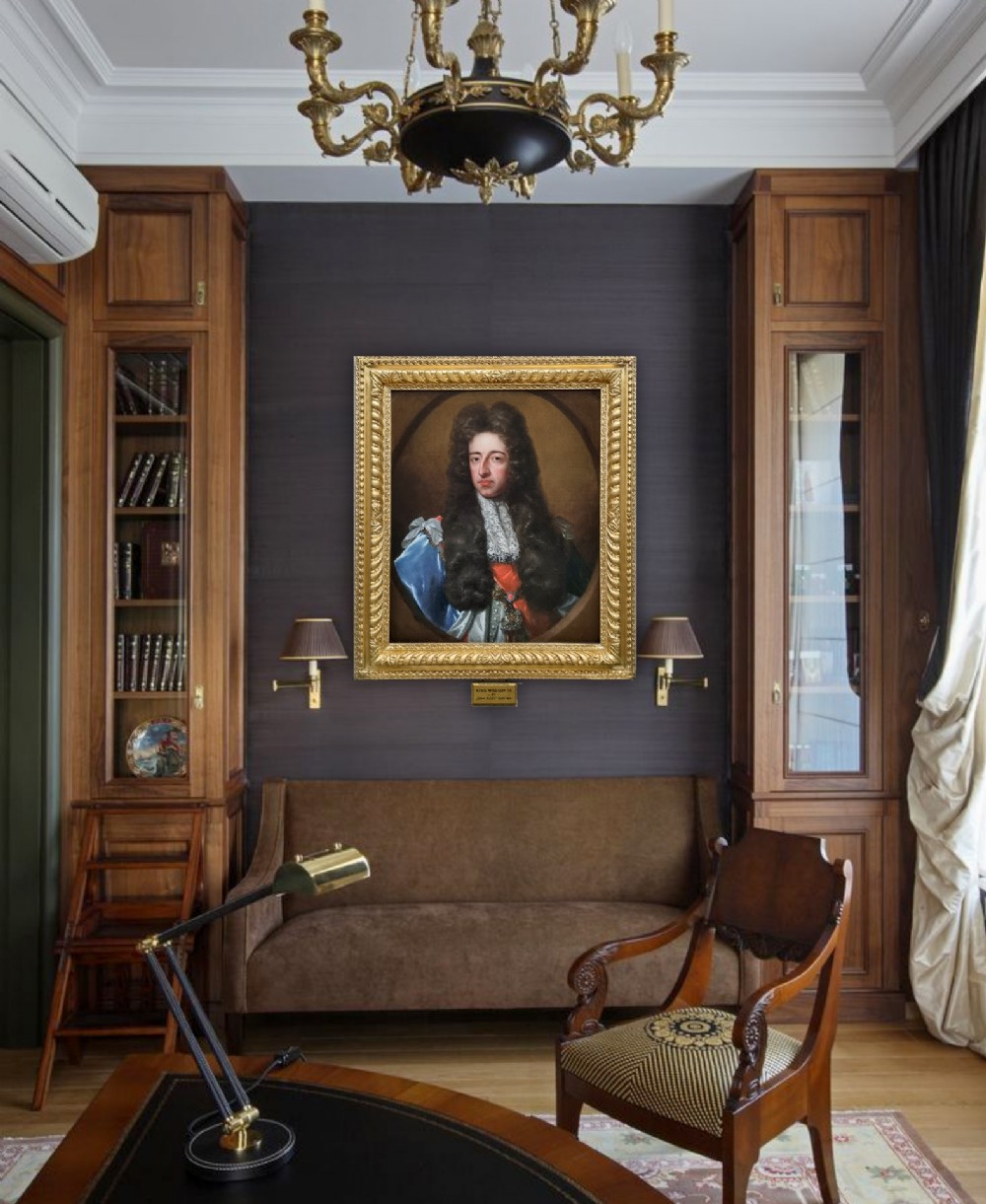
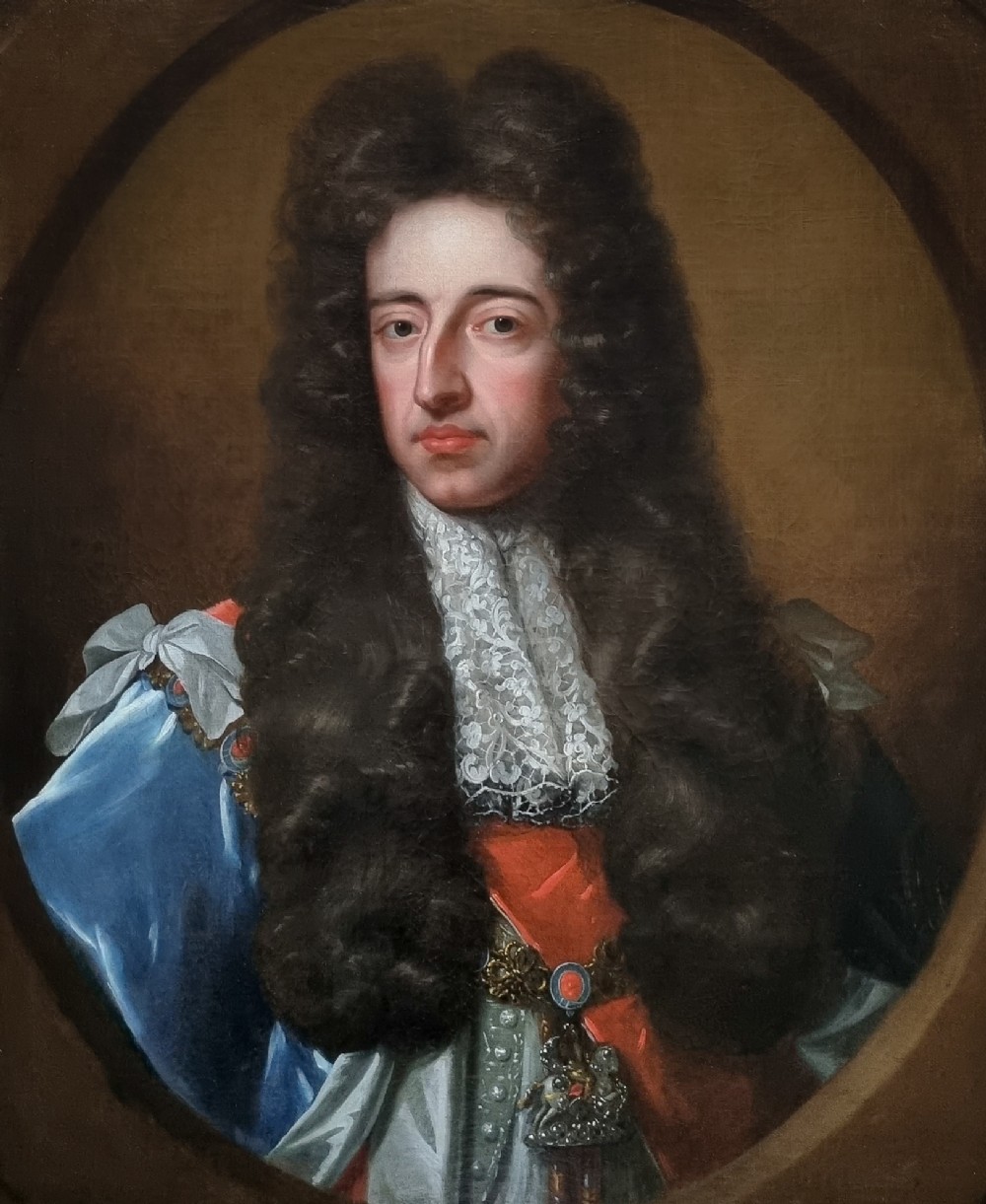
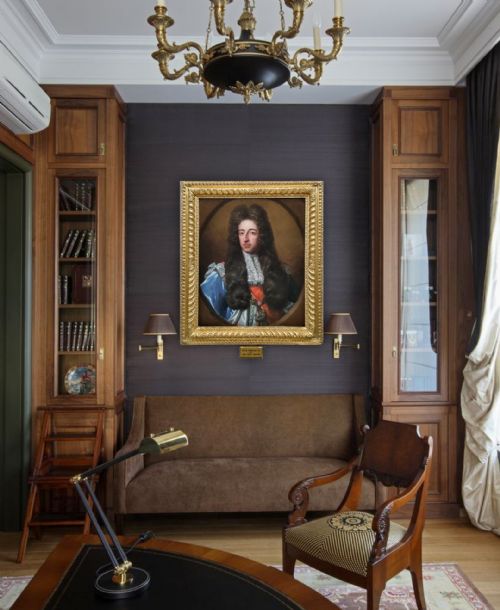
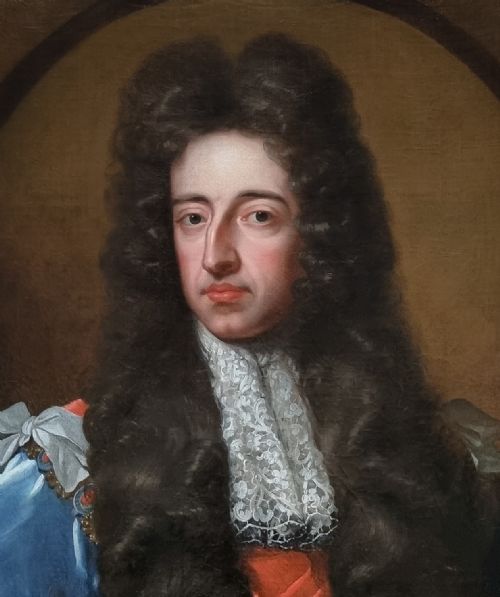
It was painted by John Riley who was one of England’s leading seventeenth century portrait painters and the official painter to King James II, King William and Queen Mary. Held in a marvellous carved and gilded Queen Anne Bolection style frame, an outstanding work of art in itself.
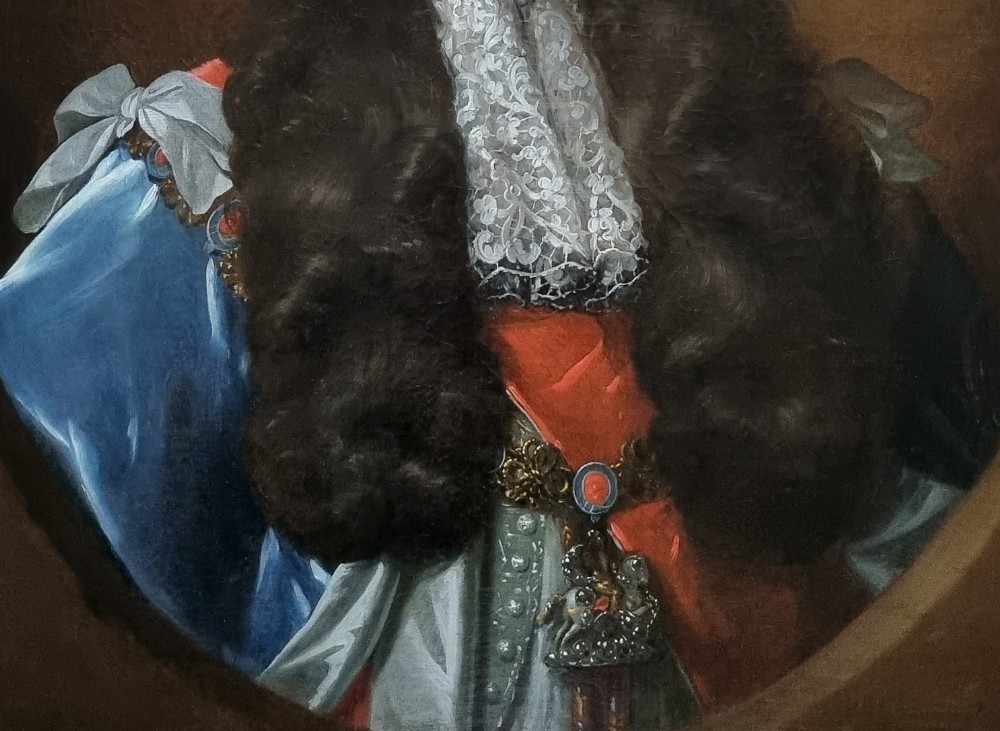
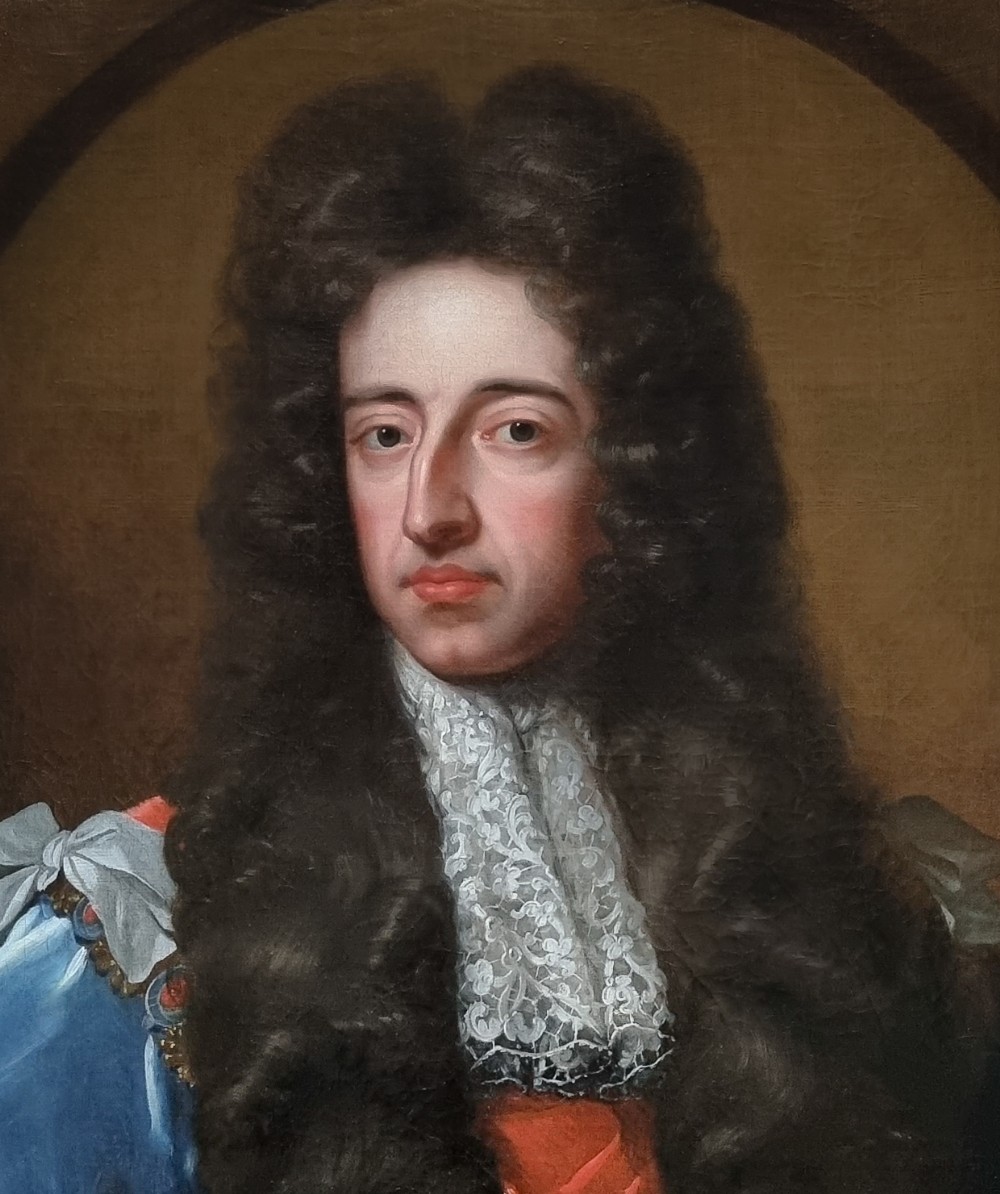
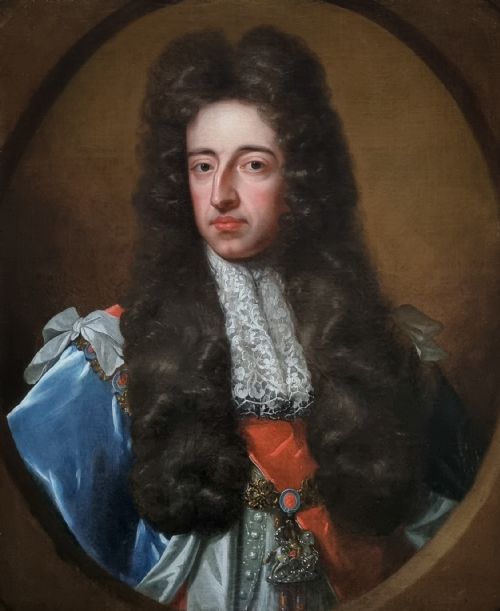
This impressive portrait depicts King William III, sovereign Prince of Orange from birth, Stadtholder of Holland, Zeeland, Utrecht, Guelders, and Overijssel in the Dutch Republic from the 1670s and King of England, Ireland, and Scotland from 1689 until his death in 1702. Painted circa 1691 he wears the chain and badge of the Order of the Garter – it shows St. George the Martyr on horseback. This order of chivalry, founded by Edward III of England in 1348, is the most senior order of knighthood in the British honours system.
The prime version of this portrait is a full-length portrait of the sitter wearing coronation robes by Sir Godfrey Kneller painted around 1690 (located in the Royal Collection at Windsor Castle). It is the archetypal example of what the royal and princely rulers of Europe required from their court painters and it was replicated many times for British embassies abroad, indicating that it functioned as the official image of the King - the 'State Portrait'. It was customary for the artist and/or studio to produce replicas, often smaller – either three quarter or bust length, such as our portrait, to be dispersed as gifts or to supporters of the realm. They were created to convey authority and, in many instances, formed part of a dynastic heritage to be hung in great halls with other similar grand portraits of their family, predecessors and political allies.
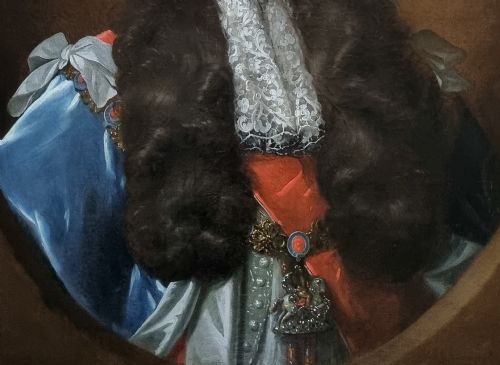
Prince William of Orange (later King William III) was highly important in the politics of Europe. He had been Captain General of the Dutch United Provinces in their war against the armies of Louis XIV and was an important figure to the Protestant cause in England. In 1677, William married his cousin Mary. Mary was the eldest daughter of James, Duke of York, who was the brother of Charles II and heir to the English throne. James and his wife were Catholic and Protestants worried that any son born to the couple would eventually become a Catholic king. The marriage of William and Mary had been encouraged by Charles II, Mary’s uncle and James’s brother, as it raised the prospect of a Protestant heir to the throne.
John Riley was born in London in 1646. He began practising painting at a young age and was probably independently wealthy at this time. He studied painting under Isaac Fuller and Gerard Soest, but left them to set up his own practice as a portraitist when he was very young. He became a very fashionable and very accomplished artist who attained a good practice among the gentry and aristocracy and was appointed Principal Painter to the King in 1688.
The work is held in a fine Queen Anne Bolection style gilded frame – an impressive work of art in itself.
All of our paintings pass strict quality and condition checks by a professional conservator prior to going on sale. As such the condition is excellent and they can be hung and enjoyed immediately.
Provenance:
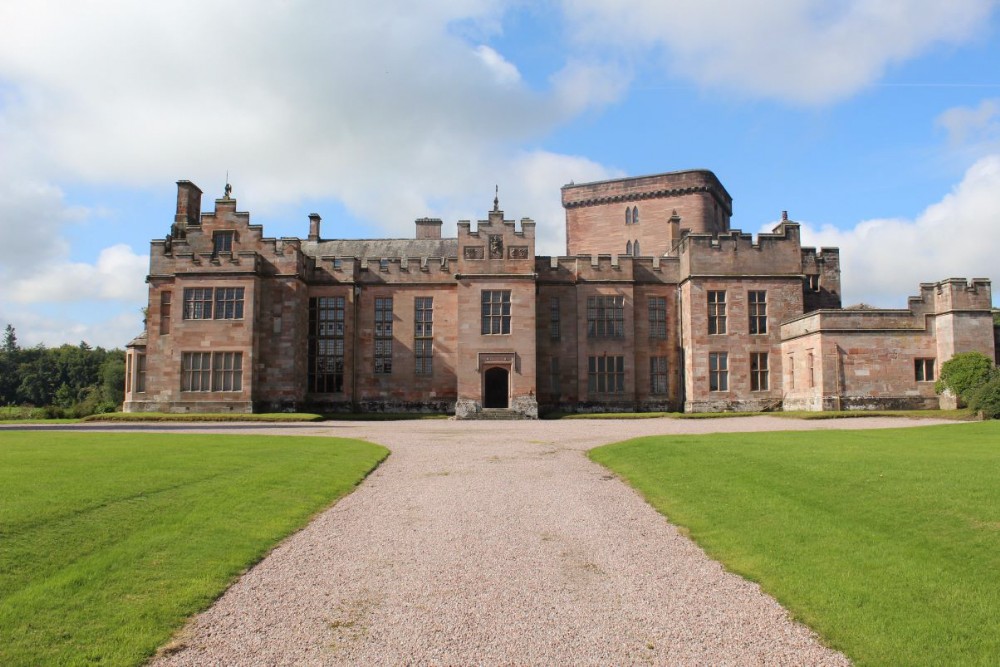
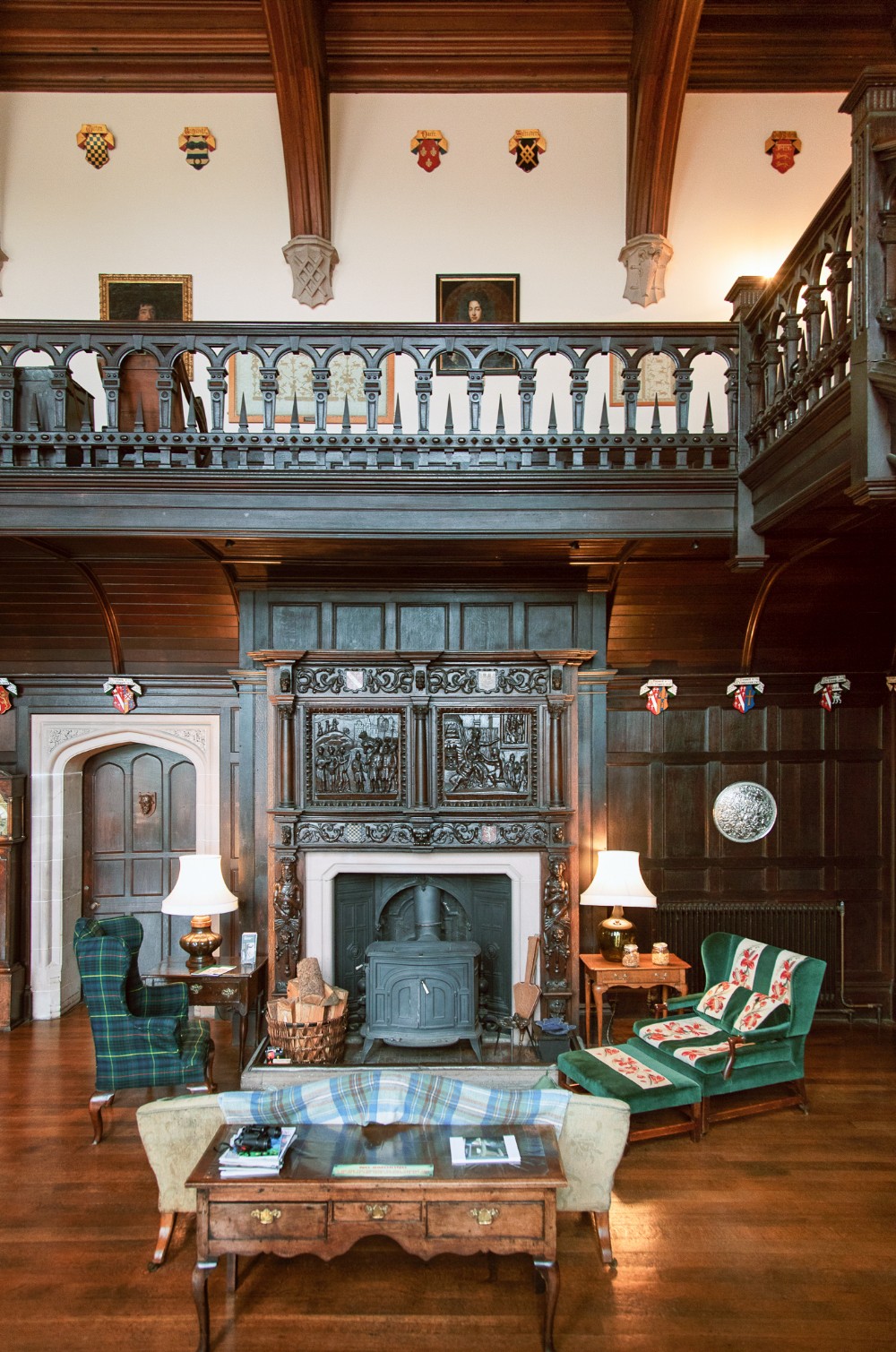
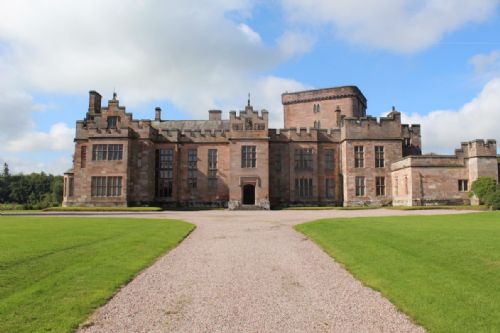
The property of the Howard family at Greystoke Castle, Penrith, Cumbria (Greystoke has been in the possession of the Howard’s since the mid 1500’s and fourteen generations)
Titan Fine Art has dated this piece to the 17th Century.
Specialist in 17th & 18thc portraits. Highly curated selection, museum-level research & pro conservation. Exceptional art, expertly vetted.
You can view the stock and full dealer information on the Titan Fine Art Profile Page

Portrait of King William Iii, King of Great Britain C.1691; John Riley (1646-1691), Antique Oil on Canvas Painting