It was listed by Jason Clarke Antiques. Sold pieces stay on Sellingantiques as a record of what has passed through, and the next one is rarely far away.
Jason Clarke Antiques has dated this piece to the 1880s.
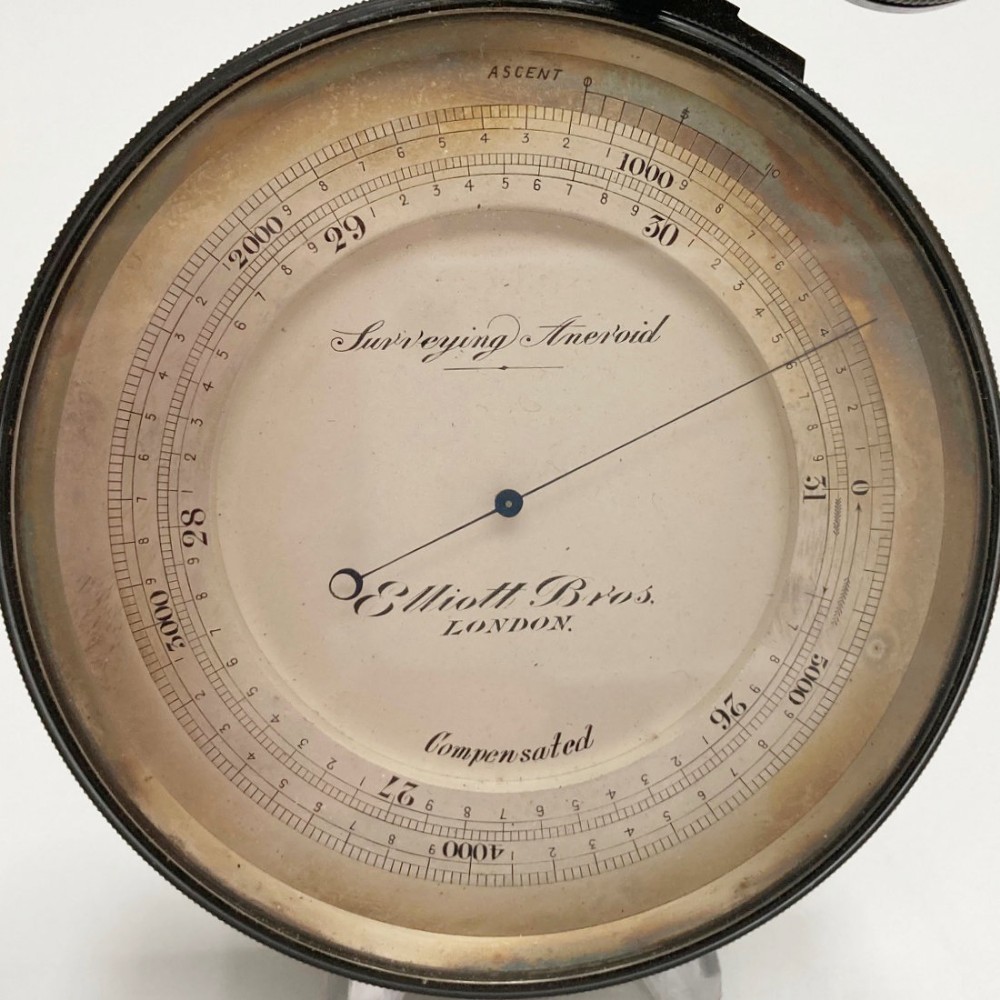
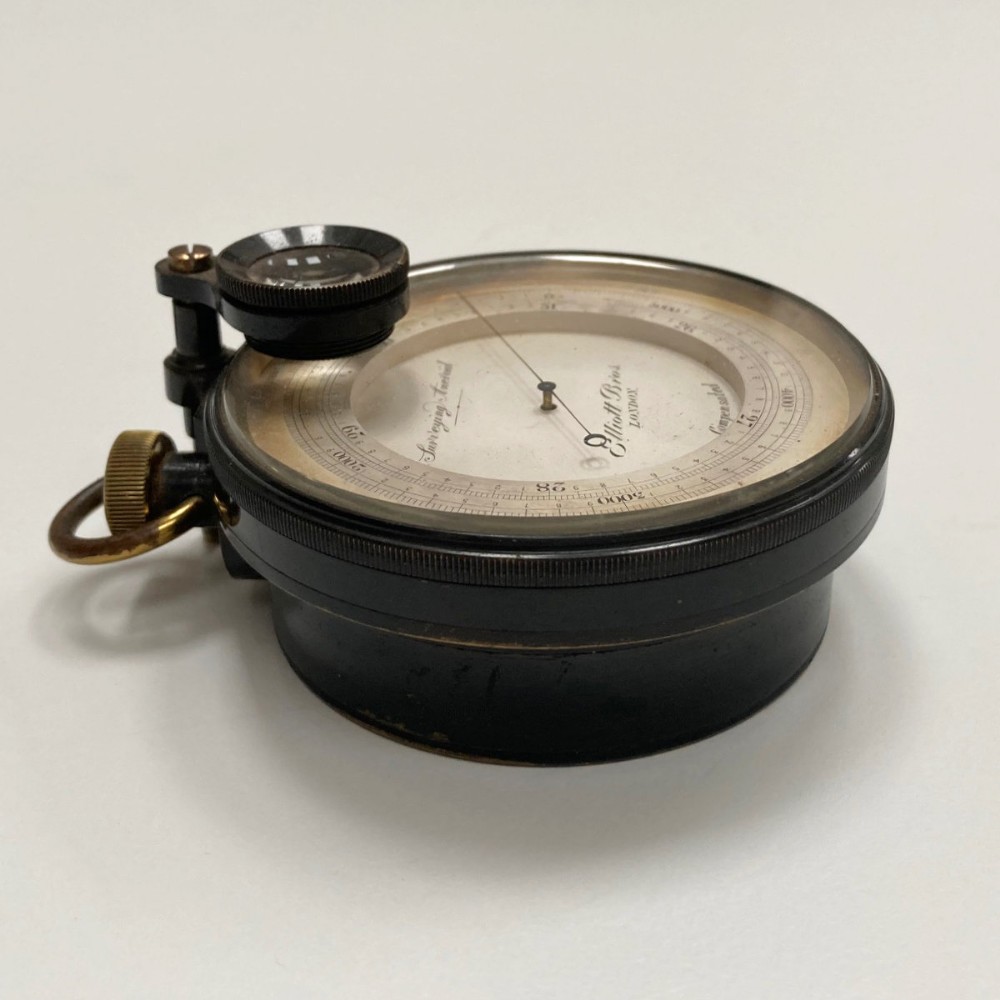
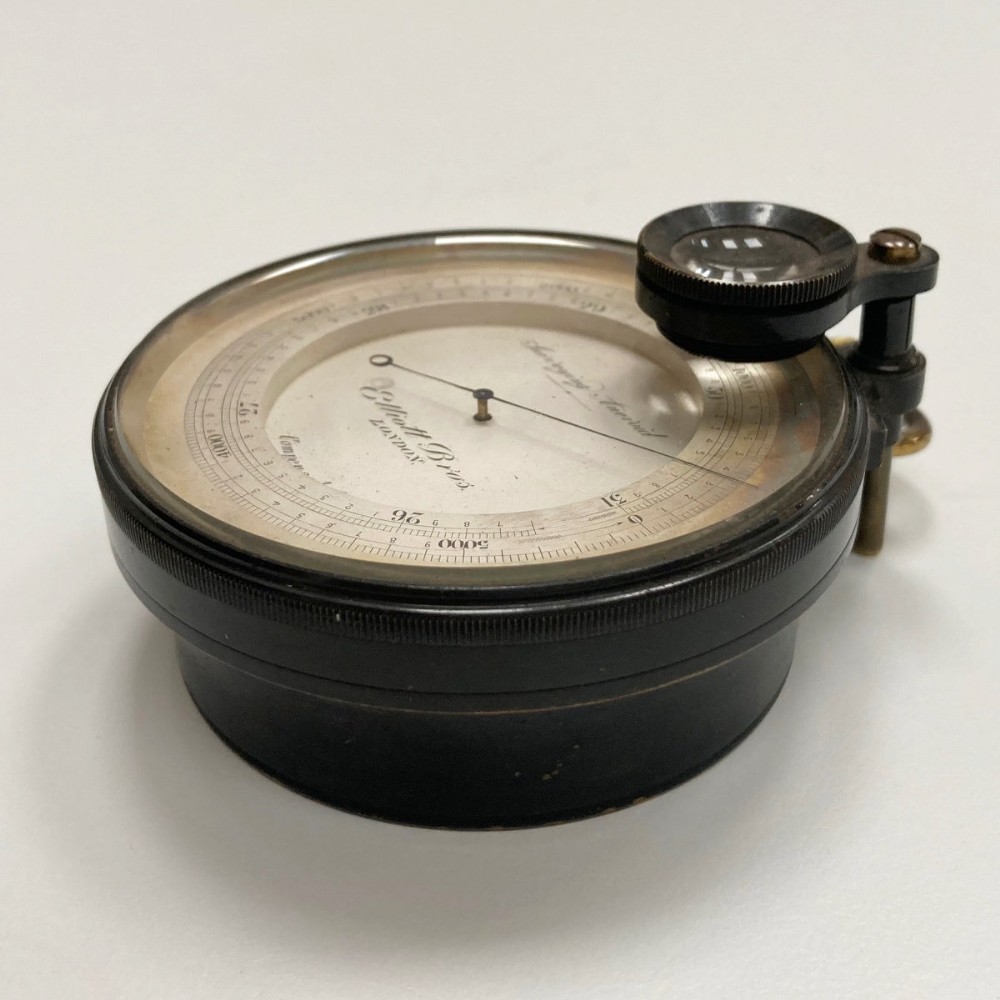
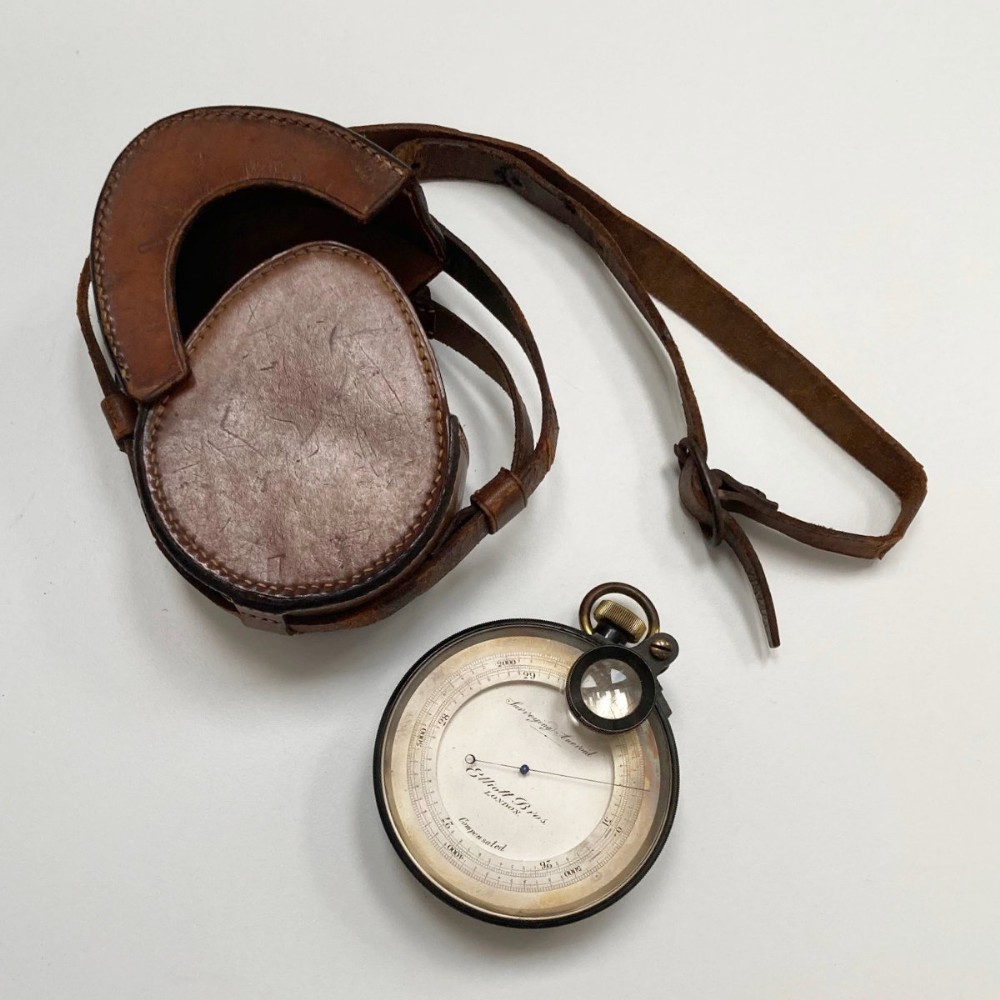
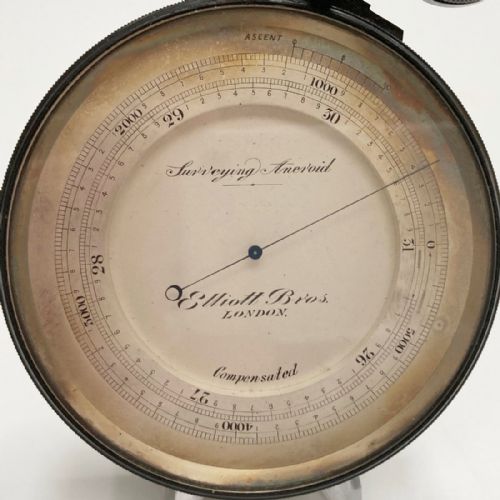
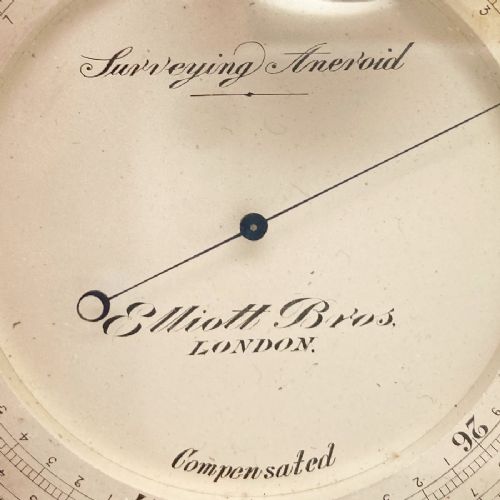
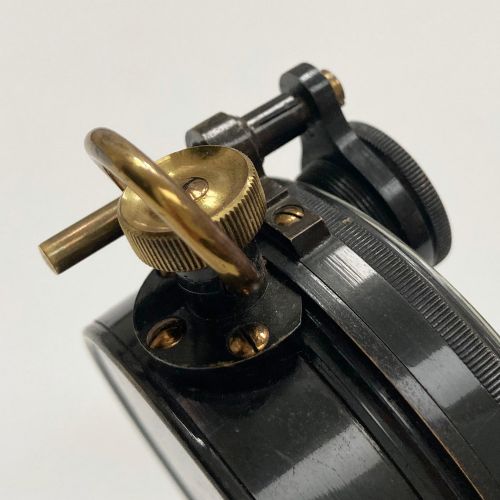
The central face is reserved for the maker’s name, Elliott Brothers, London with “Surveying Aneroid” engraved to the top and the word “Compensated” to the base. The middle dial contains both a pressure scale reading 26 to 31 inches of barometric pressure and an altimeter scale showing 0 to 5000 feet. The knurled screw to the top of the barometer placed inside the suspension ring operates the outer dial which has an ascent Vernier to be used when determining elevation or differences in elevation during the surveying process. To assist with this determination, the barometer is also fitted with a movable magnifier which can travel around the circumference of the outer case, it is also capable of being operated in a vertical manner to increase or decrease magnification as required.
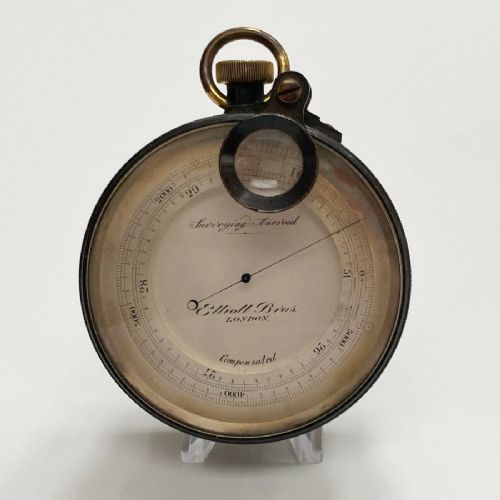
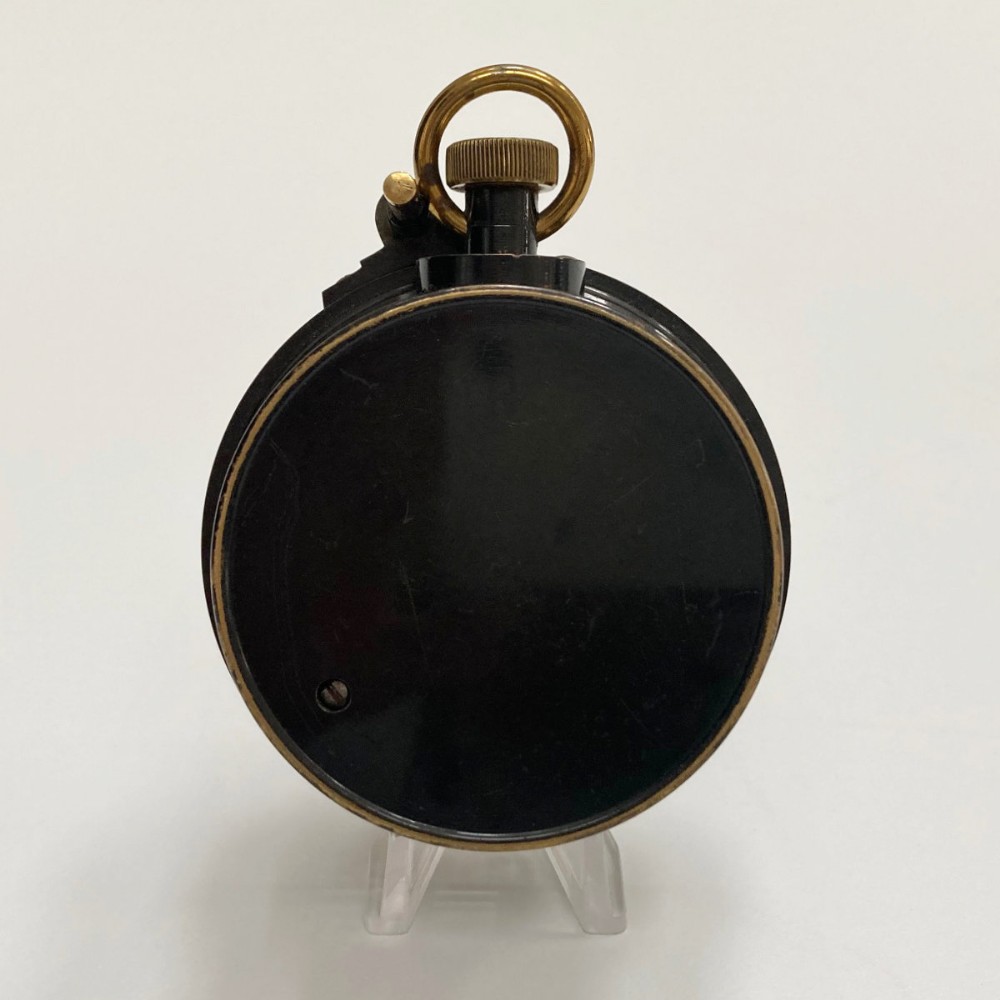
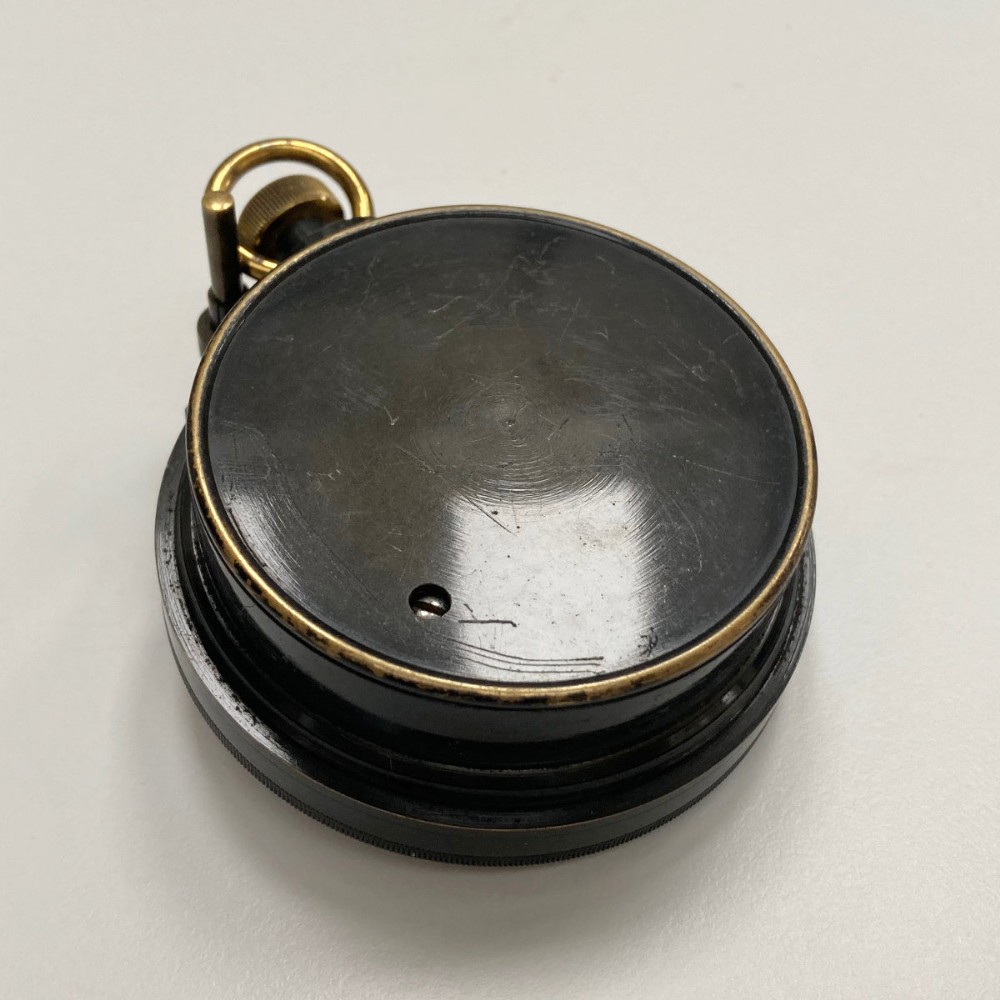
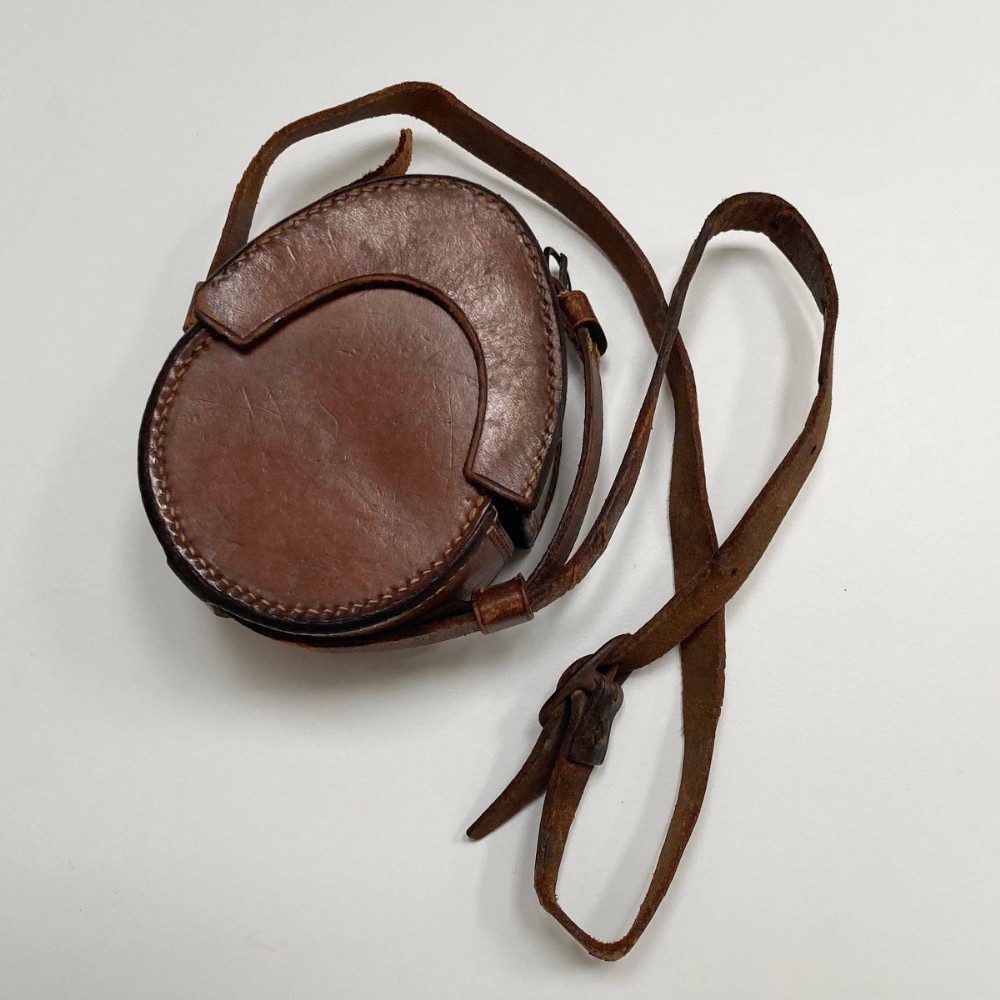
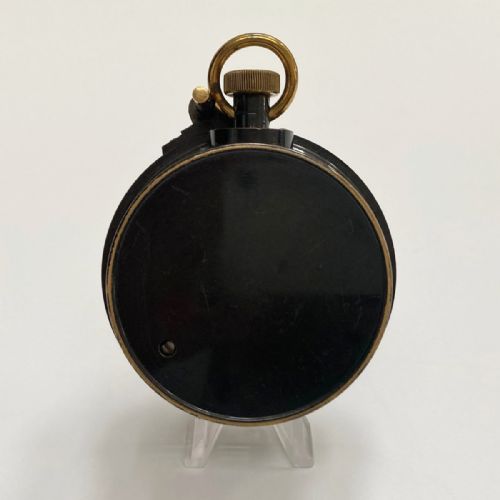
The barometer case itself is in super condition with almost all of its lack finish retained save for the outer edges and the suspension ring which are rubbed back to brass. The leather case carry case also remains in super condition with only the buckle strap missing its end.
Unlike many others, it remains a very presentable and wonderfully maintained example of its type and by an extremely good maker.
Elliott Brothers, began in the early nineteenth century and was formed in 1804 by the founder William Elliott. Following the completion of his apprenticeship to instrument maker, William Blackwell, he began trading under his own name, W. Elliott and plied a successful trade in London. Elliott is considered to have been married three times during his life and early records suggest a number of makers with the same surname working in London. Evidence is not yet complete to confirm just how many of these characters were related but William’s son Charles Alfred from his third marriage was apprenticed to him by 1837 after which he also spent time with the talented instrument maker, JF Newman of Regent Street. William must have been a man of means by this point as his elder son, Frederick Henry had also graduated from Christ’s College in Cambridge by 1845.
Four years later in 1849, William took both of his sons into business changing the name to William Elliott & Sons and in the following year exhibited at The Great Exhibition where they were a recipient of a bronze medal for their work. By this time, the company had moved from their original base in High Holborn to a new address at 56 The Strand.
William died in 1853 leaving the business to his sons and by 1854, the pair had changed the name to Elliott Brothers. In 1857 the company subsumed the highly renowned instrument making company, Watkins & Hill after the deaths of the partners. The Watkins & Hill Charing Cross premises were then leased and Elliott Brothers moved to larger premises at 449 Strand. Under the astute business leadership of Frederick, Elliott Brothers went on to work with a number of leading scientists of the period involved themselves in the production of early electrical instruments, telegraphic equipment and the new aneroid barometer as well as their standard stock. During this time, numerous patents are registered for barometers, telescopes and drawing boards amongst others.
In 1867 the company exhibited at The Paris Exhibition and three years later in 1870, records show that the partnership was dissolved upon Charles’s retirement. Frederick continuing to direct the business until his death in 1877. The business however, was continued as Elliott Brothers under the guidance of William’s wife Susan who took leading telegraph engineer, Willoughby Smith into partnership.
Upon Susan’s death in 1880, the firm finally fell away from family ownership although the Smith fam
Jason Clarke Antiques has dated this piece to the 1880s.
You can view the stock and full dealer information on the Jason Clarke Antiques Profile Page
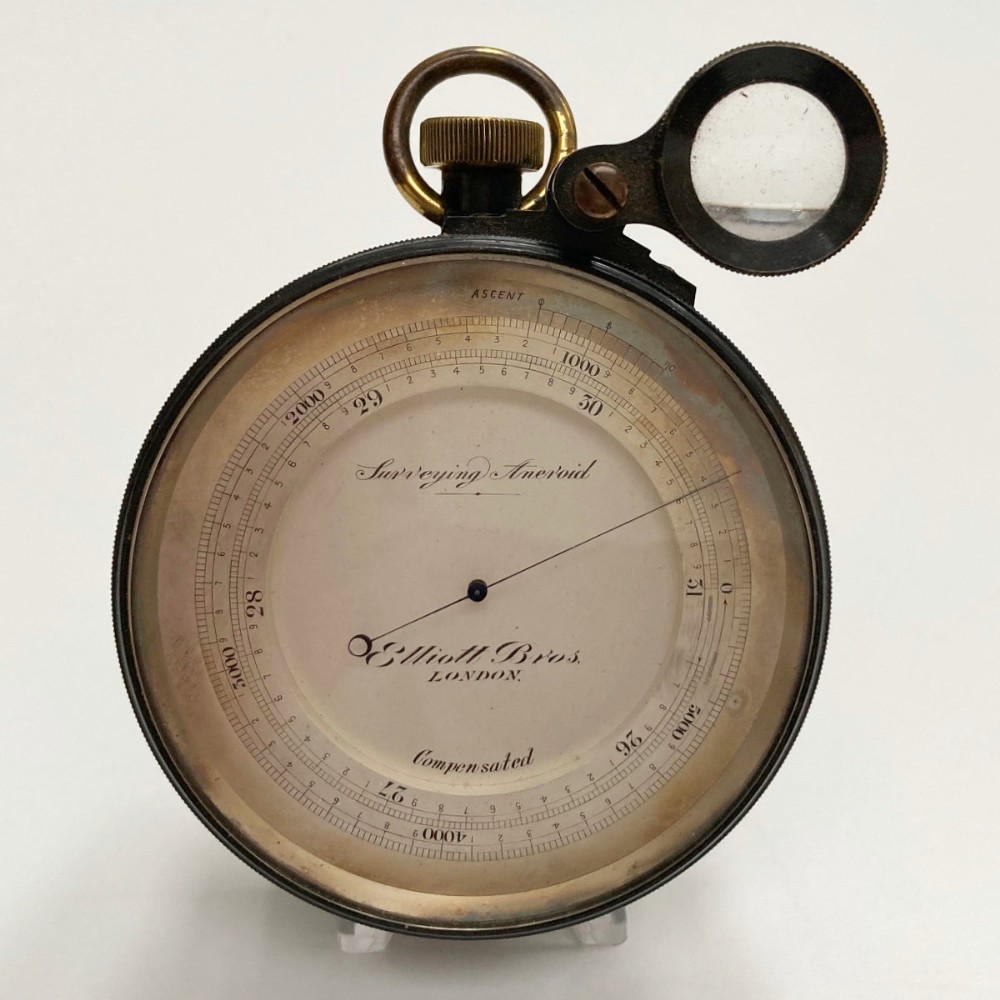
Late Victorian Surveying Aneroid Barometer in Case by Elliott Brothers London