16,667  PAGES BROWSED TODAY PAGES TODAY 96 ANTIQUES UPLOADED TODAYNEW ARRIVALS
96 ITEMS ADDED TODAY
Sort Order
Items Per Page
Browse Categories
Sort order
Items per page
ID #SA825999
SOLD
Email
Save
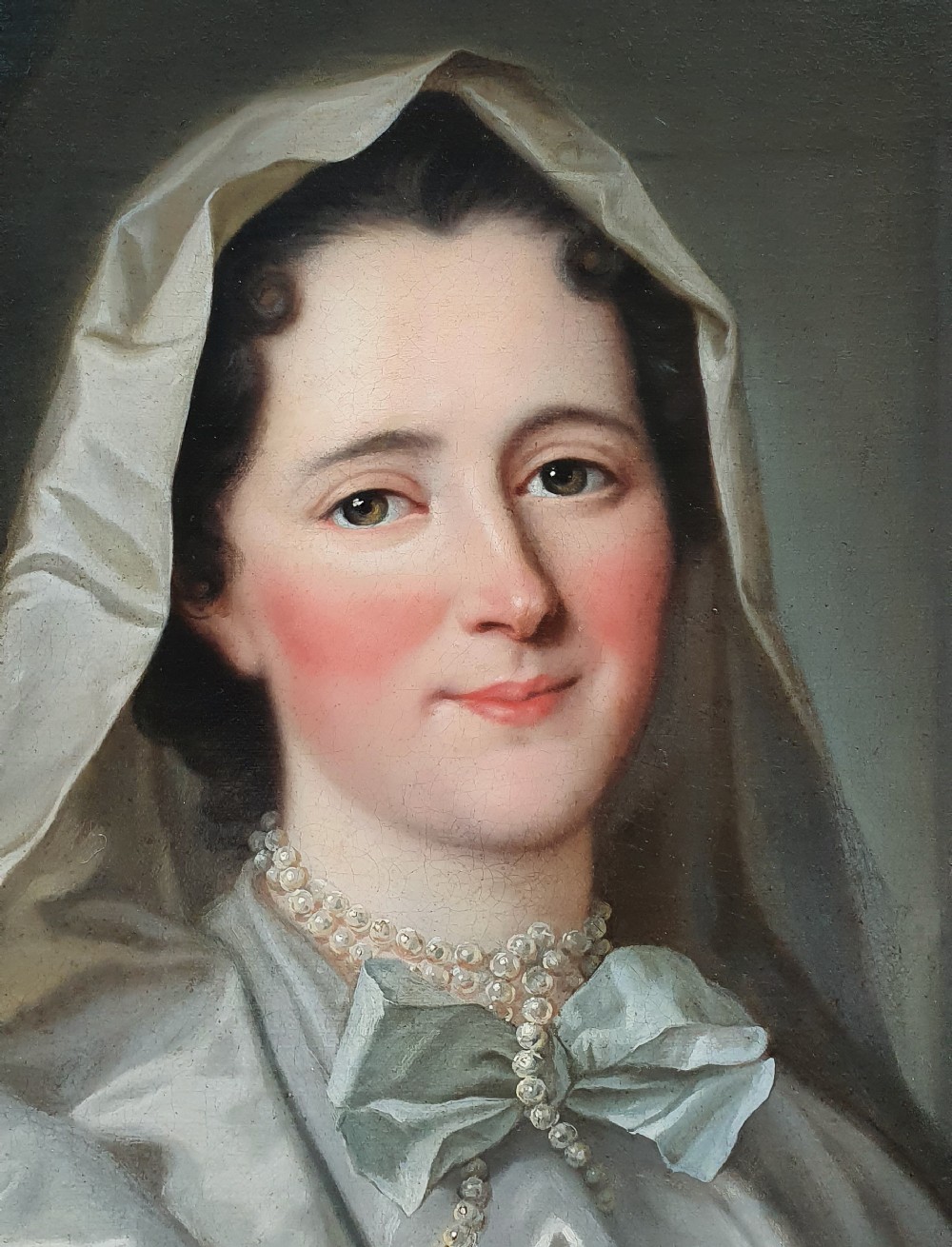
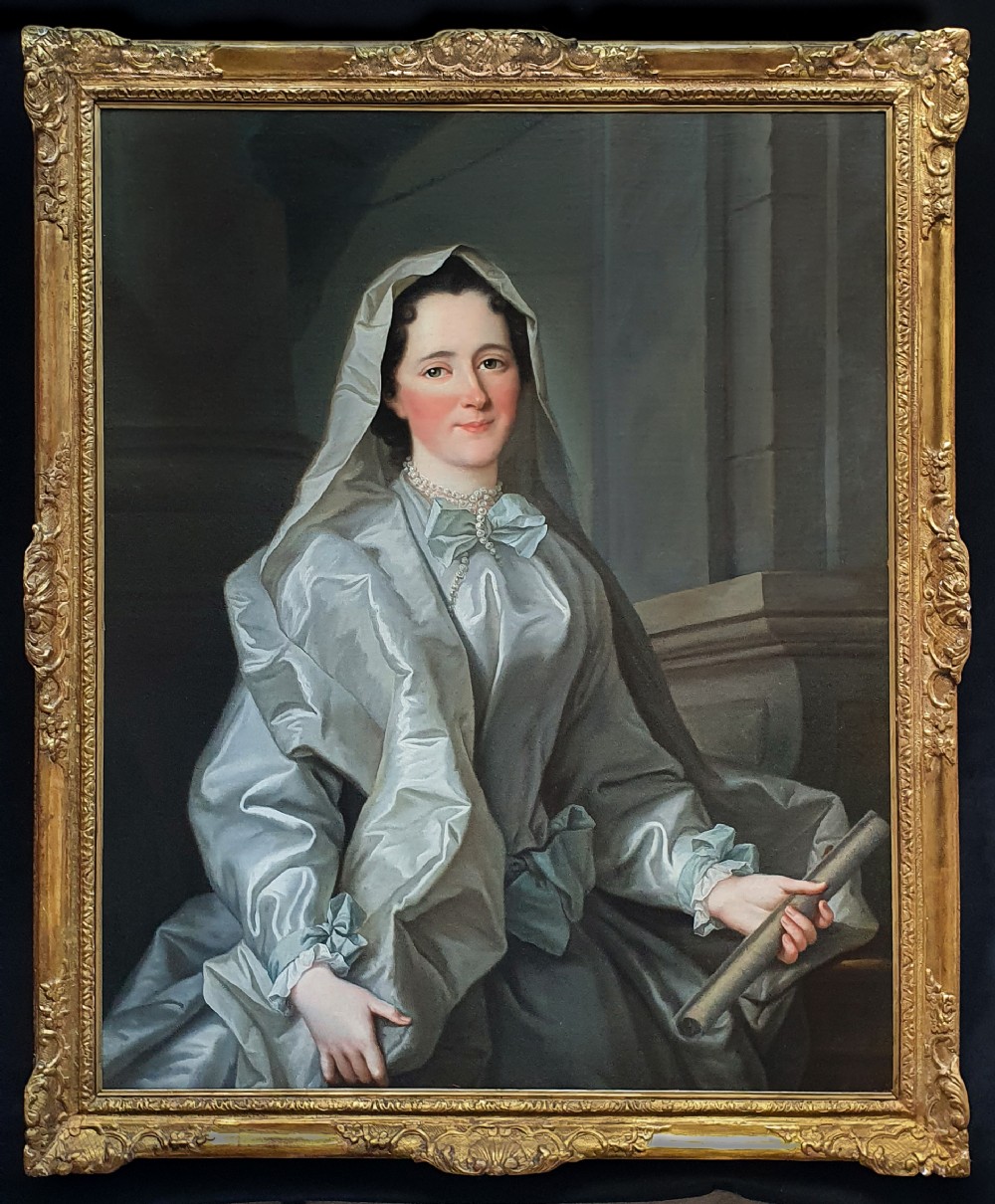
A Lady as a Vestal Virgin C.1745; Follower of Jean Raoux (1677-1734), Antique Oil on Canvas Painting
Titan Fine Art
sold SA825999
Sorry, but this item has been sold.
Titan Fine Art

Titan Fine Art

Sellingantiques Verified Since Jul 2016
View Dealers Stock Page
  • About Us
    Specialist in 17th & 18thc portraits. Highly curated selection, museum-level research & pro conservation. Exceptional art, expertly vetted.
Id #SA825999
PDF SHARE
SAVE

A Lady as a Vestal Virgin C.1745; Follower of Jean Raoux (1677-1734), Antique Oil on Canvas Painting

18th century
Description

In Ancient Rome the Vestals were six priestesses who represented the daughters of the royal house. They were tasked to keep a sacred fire burning on the altar in the temple of Vesta, and were regarded as fundamental to the safety of Rome. The origins of the religion is believed to date to the 7th century BC. These Roman guardians were chosen for their youth and purity and the Vestals were used as models of female virtue in allegorising portraiture of the later West.
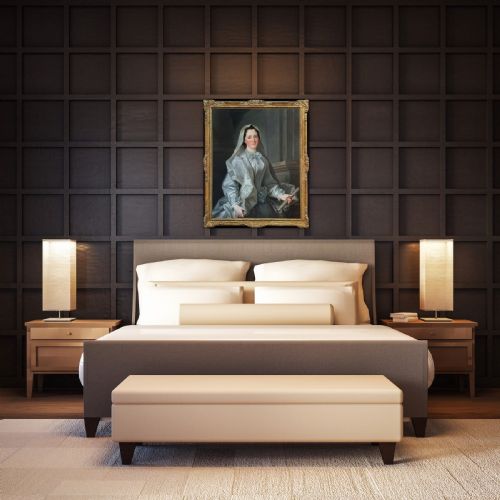
The guise was particularly popular in the libertine environment of 18th century France – made popular by the discovery of a "House of the Vestals" in Pompeii. Portraits of women as Vestals seem intended as fantasies of virtue infused with ironic eroticism. Later vestals became an image of republican virtue.
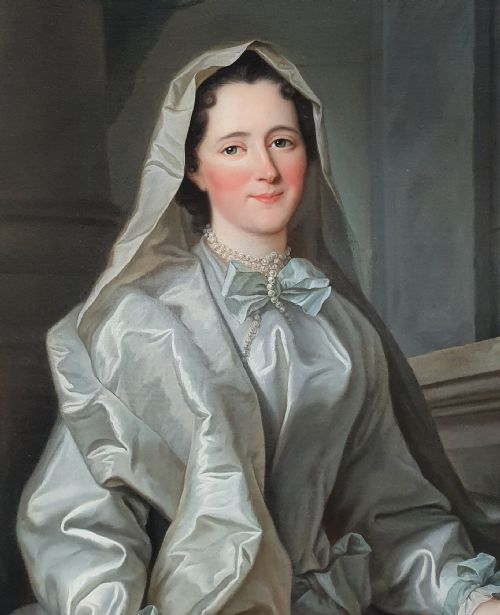
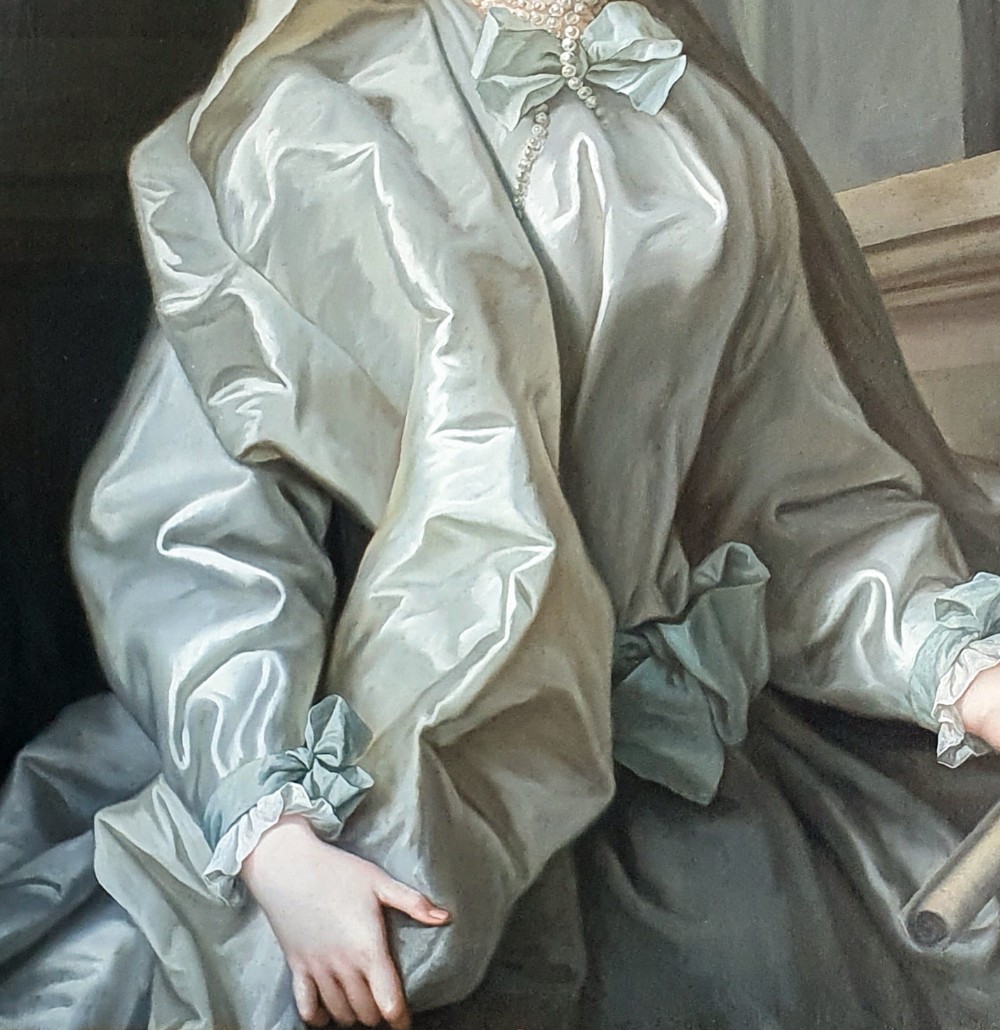
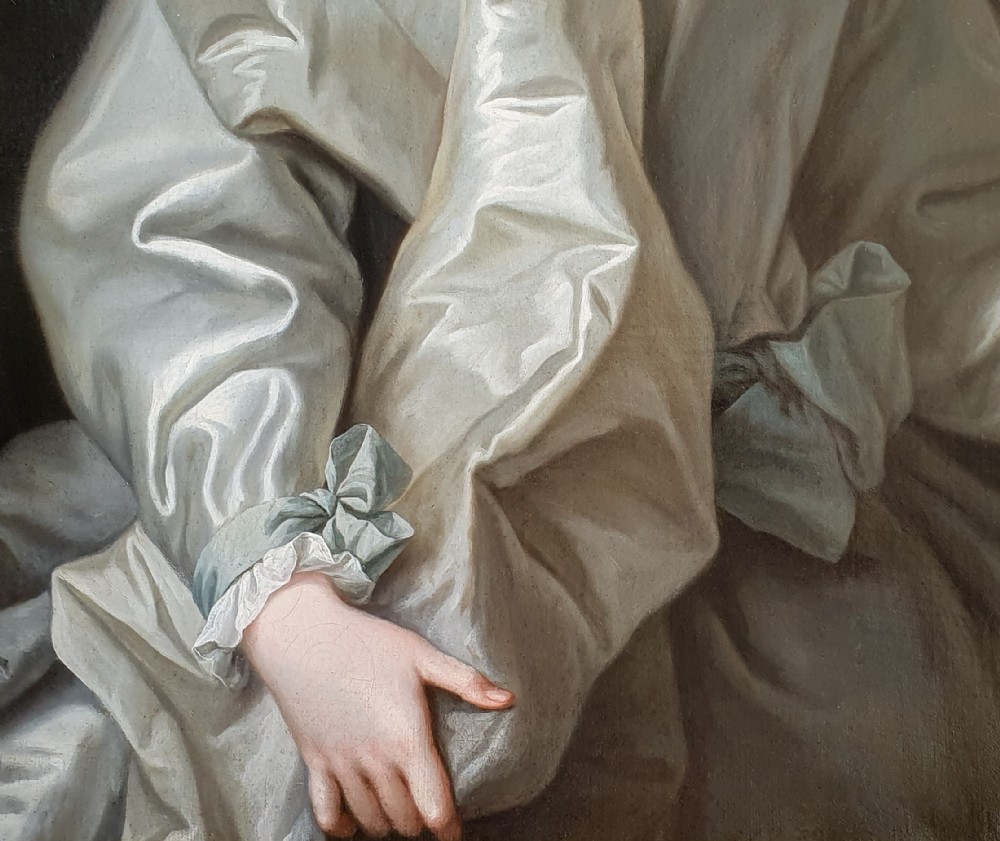
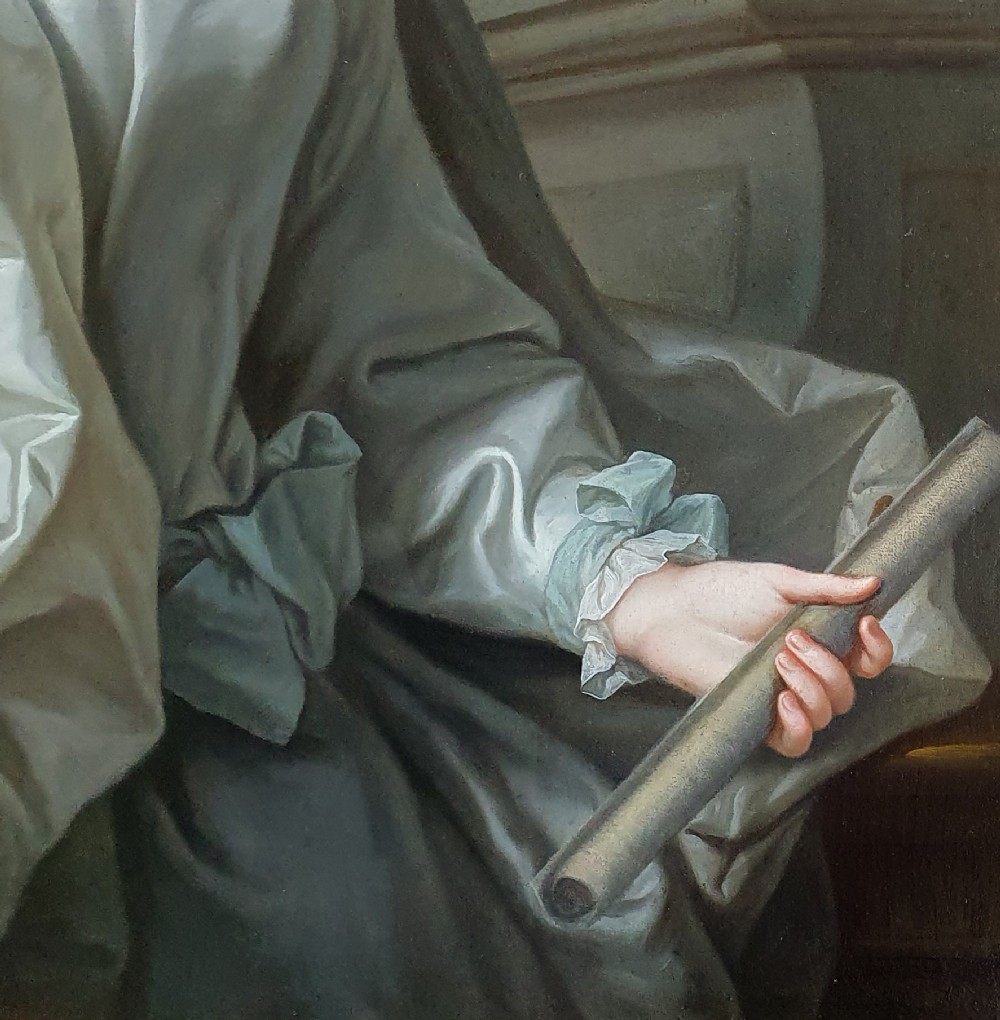
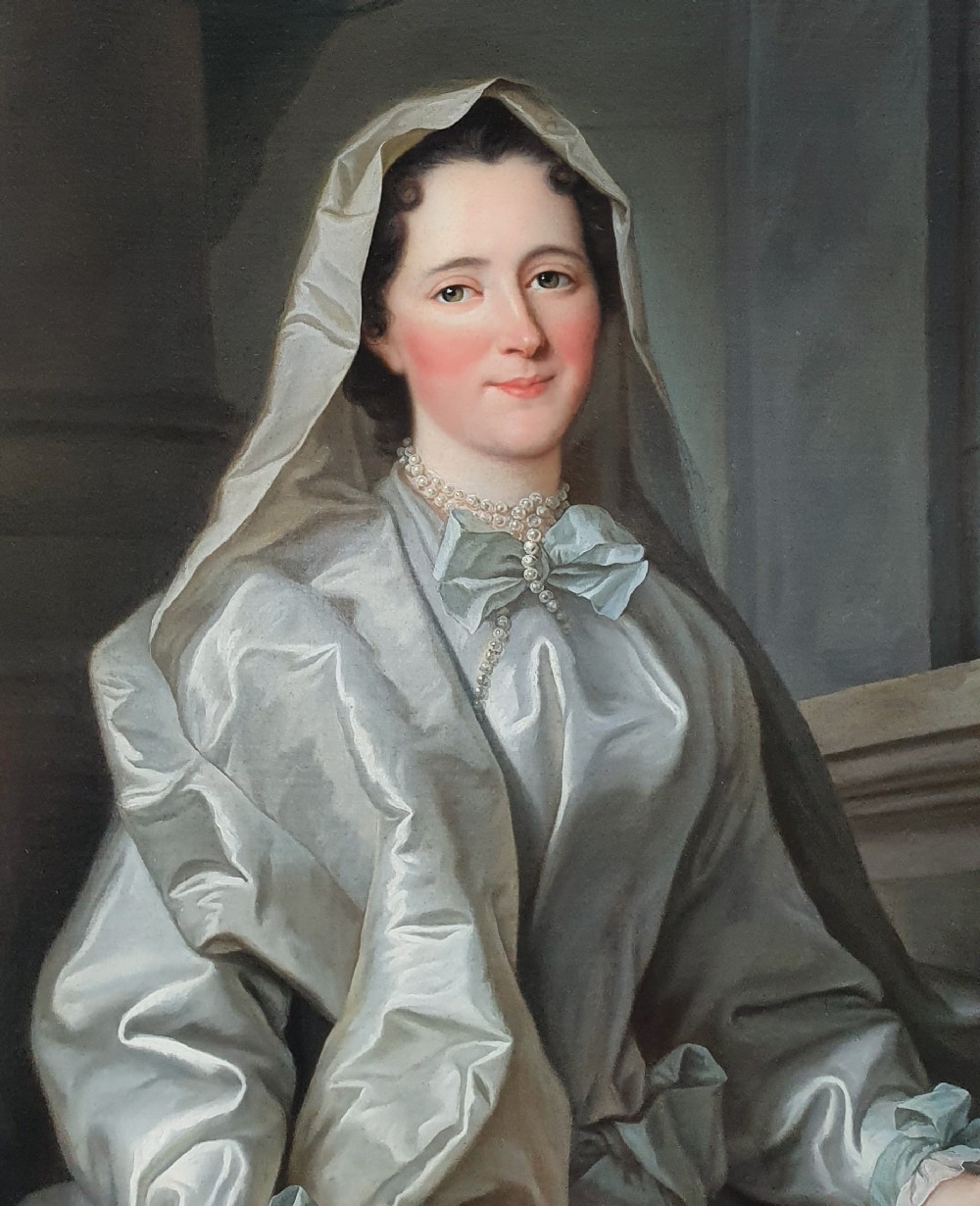
This work was painted circa 1745 and is particularly fine in its depiction of the silks and also its remarkable condition.

Several artists, notably Jean Raoux (1677–1734) and Jean Marc Nattier (1685–1766), had depicted portrait sitters in the guise of a vestal virgin, including several of the royal princesses, who were unmarried, and others who sat when they were about to marry.
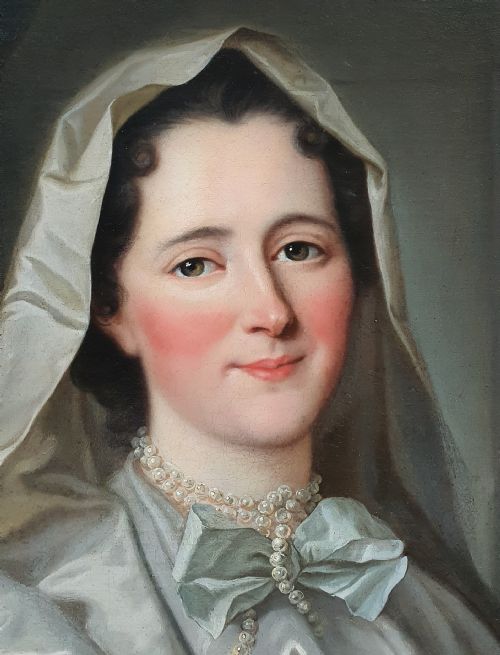
Jean Raoux (1677-1734) was a painter born at Montpellier, France. Born to a well-to-do city official, he commenced his painterly education in 1693 with a two-and-a-half-year apprenticeship under the local master Antoine Ranc. In 1703 Raoux settled in Paris where he worked under the aegis of highly respected Bon Boullogne and it is then that it is thought that he achieved his first major success garnering the prestigious prix de Rome in 1704 and of which he became famous for his depictions of Vestal Virgins. In 1705 he left for a nearly decade long sojourn to the Italianate peninsular that fundamentally shaped his aesthetic throughout the rest of his career. In about 1714, he returned to France and settled in Paris in the palace of the Grand Prieur de Vendôme. After a brief stay in 1720 in England and then Montpellier in 1723, he went to live with the Grand Prieur, le chevalier d'Orléans, near the Temple headquarters of the Order of Malta in the northern Marais.
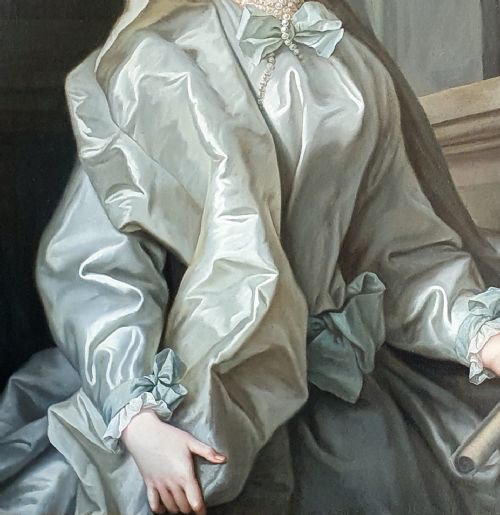
He became a member of the Academy in 1717 as a historical painter. His reputation had been previously established by the acclaimed decorations executed during his three years in Italy on the palace of Giustiniani Solini in Venice, and by some easel paintings, the Four Ages of Man (National Gallery), commissioned by the Grand Prior of Vendôme. To this latter class of subject Raoux devoted himself, refusing to paint portraits except in character. The list of his works is a long series of sets of the Seasons, of the Hours, of the Elements, or of those scenes of amusement and gallantry in the representation of which he was immeasurably surpassed by his younger rival Watteau. In 1722 the Regent, Philippe d'Orléans, commissioned Raoux to paint a work, and Philippe subsequently displayed it prominently in his Palais-Royal apartments. Raoux died in Paris in 1734.

Measurements: Height 102cm, Width 84cm framed (Height 40”, Width 33”)

Physical Dimensions
Height
102cm (40.16")
Width
84cm (33.07")
Depth
5cm (1.97")
Declaration

Titan Fine Art has dated this piece to the 18th Century.

Reference Numbers
Sellingantiques Reference
SA825999
Dealers Notes

Much more info about this item at: www.titanfineart.com

In a market saturated with available paintings, Titan Fine Art offers a distinct advantage: we sift through thousands of works to provide a specially curated selection. Each piece is meticulously chosen based on technical merit, provenance, and decorative appeal, ensuring our clients view only the finest examples of British and European art.

With over 20 years of expertise and 1,000+ works placed with collectors and institutions, we are one of the most prolific specialists in 17th and 18th-century portraiture. We combine a scholarly approach with museum-level rigor to replace the uncertainty of the open market with absolute confidence.

Why Buy From Titan Fine Art?

• Expertly Curated Selection

We act as your expert eye, selecting only high-quality works that offer genuine historical and artistic value.

• Museum-Level Research

Each portrait is supported by extensive academic research, often exceeding 40 hours, to establish attribution, sitter identity, and historical context.

• Professional Conservation

All paintings are carefully cleaned and stabilised by professional conservators, and are presented ready to hang.

• Transparent Pricing

No buyer’s premium or hidden fees—unlike auction houses, where additional costs can add 25–35%.

• Export Pricing Advantage

Reduced pricing is available for works exported outside the UK.

• Specialist Global Shipping

We manage the entire process, including custom crating, export documentation, and fully tracked delivery worldwide.

• Buy with Confidence

A 7-day return policy and the option to pay in GBP, USD, or EUR for convenience and transparency.

• Original Period Frames

Many works retain their original carved and gilded frames, which are works of art in their own right and enhance both historical authenticity and decorative impact.

• Personal Advisory Service

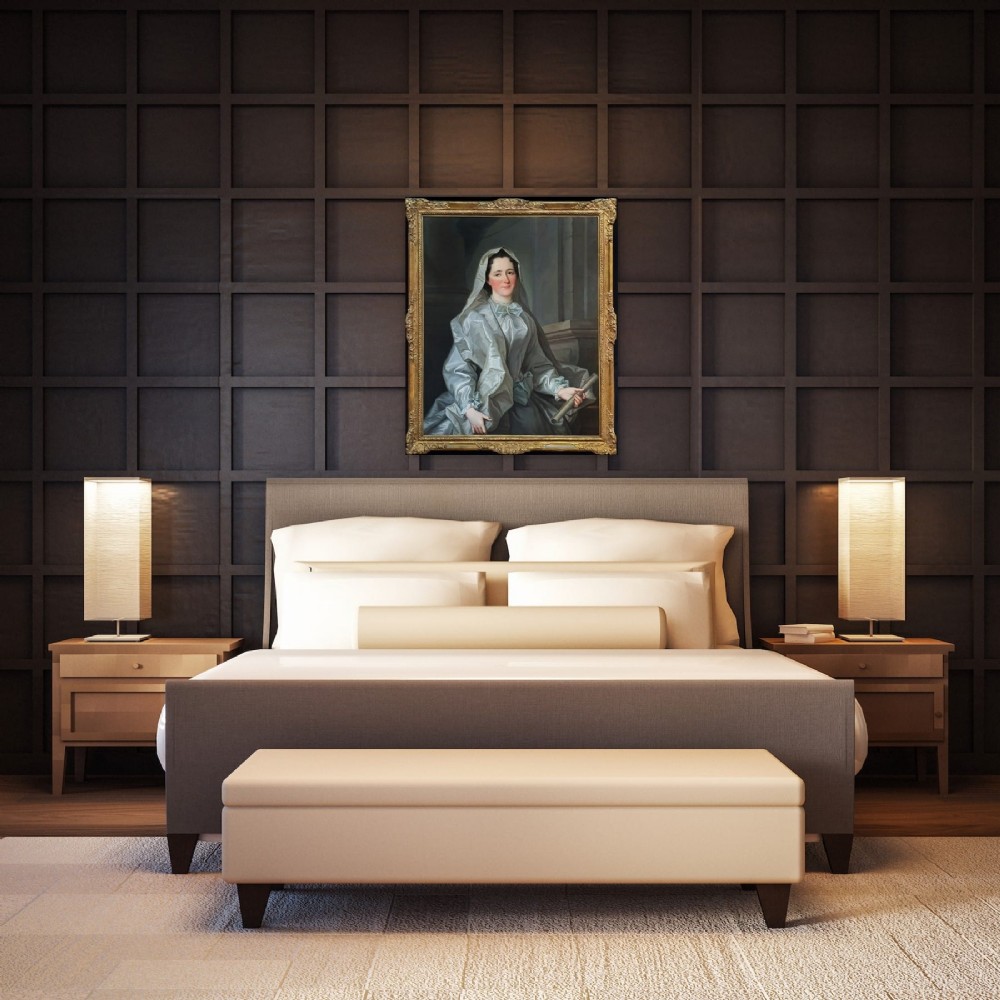
We work directly with collectors and interior designers, offering guidance on selection, scale, and placement—including bespoke room mock-ups on request.

Subscribe to our monthly 'new item alert' to be the first to hear about new works

Description
In Ancient Rome the Vestals were six priestesses who represented the daughters of the royal house.
They were tasked to keep a sacred fire burning on the altar in the temple of Vesta, and were regarded as fundamental to the safety of Rome.
Titan Fine Art

The origins of the religion is believed to date to the 7th century BC. These Roman guardians were chosen for their youth and purity and the Vestals were used as models of female virtue in allegorising portraiture of the later West.

fig 1. A Lady as a Vestal Virgin c.1745; Follower of Jean Raoux (1677-1734), Antique oil on canvas painting
fig 1. A Lady as a Vestal Virgin C.1745; Follower of Jean Raoux (1677-1734), Antique Oil on Canvas Painting

The guise was particularly popular in the libertine environment of 18th century France – made popular by the discovery of a "House of the Vestals" in Pompeii. Portraits of women as Vestals seem intended as fantasies of virtue infused with ironic eroticism. Later vestals became an image of republican virtue.

fig 2. A Lady as a Vestal Virgin c.1745; Follower of Jean Raoux (1677-1734), Antique oil on canvas painting
fig 2. A Lady as a Vestal Virgin C.1745; Follower of Jean Raoux (1677-1734), Antique Oil on Canvas Painting

This work was painted circa 1745 and is particularly fine in its depiction of the silks and also its remarkable condition.

Several artists, notably Jean Raoux (1677–1734) and Jean Marc Nattier (1685–1766), had depicted portrait sitters in the guise of a vestal virgin, including several of the royal princesses, who were unmarried, and others who sat when they were about to marry.

fig 3. A Lady as a Vestal Virgin c.1745; Follower of Jean Raoux (1677-1734), Antique oil on canvas painting
fig 3. A Lady as a Vestal Virgin C.1745; Follower of Jean Raoux (1677-1734), Antique Oil on Canvas Painting

Jean Raoux (1677-1734) was a painter born at Montpellier, France. Born to a well-to-do city official, he commenced his painterly education in 1693 with a two-and-a-half-year apprenticeship under the local master Antoine Ranc. In 1703 Raoux settled in Paris where he worked under the aegis of highly respected Bon Boullogne and it is then that it is thought that he achieved his first major success garnering the prestigious prix de Rome in 1704 and of which he became famous for his depictions of Vestal Virgins. In 1705 he left for a nearly decade long sojourn to the Italianate peninsular that fundamentally shaped his aesthetic throughout the rest of his career. In about 1714, he returned to France and settled in Paris in the palace of the Grand Prieur de Vendôme. After a brief stay in 1720 in England and then Montpellier in 1723, he went to live with the Grand Prieur, le chevalier d'Orléans, near the Temple headquarters of the Order of Malta in the northern Marais.

fig 4. A Lady as a Vestal Virgin c.1745; Follower of Jean Raoux (1677-1734), Antique oil on canvas painting
fig 4. A Lady as a Vestal Virgin C.1745; Follower of Jean Raoux (1677-1734), Antique Oil on Canvas Painting

He became a member of the Academy in 1717 as a historical painter. His reputation had been previously established by the acclaimed decorations executed during his three years in Italy on the palace of Giustiniani Solini in Venice, and by some easel paintings, the Four Ages of Man (National Gallery), commissioned by the Grand Prior of Vendôme. To this latter class of subject Raoux devoted himself, refusing to paint portraits except in character. The list of his works is a long series of sets of the Seasons, of the Hours, of the Elements, or of those scenes of amusement and gallantry in the representation of which he was immeasurably surpassed by his younger rival Watteau. In 1722 the Regent, Philippe d'Orléans, commissioned Raoux to paint a work, and Philippe subsequently displayed it prominently in his Palais-Royal apartments. Raoux died in Paris in 1734.

Measurements: Height 102cm, Width 84cm framed (Height 40”, Width 33”)

Height
102cm (40.16")
Width
84cm (33.07")
Depth
5cm (1.97")
Date of Manufacture

Titan Fine Art has dated this piece to the 18th Century.

Reference Numbers
Sellingantiques Ref
SA825999
Titan Fine Art
Titan Fine Art
Sellingantiques verified Since Jul 2016

Specialist in 17th & 18thc portraits. Highly curated selection, museum-level research & pro conservation. Exceptional art, expertly vetted.

Dealer Profile

You can view the stock and full dealer information on the Titan Fine Art Profile Page
PDF SHARE
SAVE
A Lady as a Vestal Virgin c.1745; Follower of Jean Raoux (1677-1734), Antique oil on canvas painting
1 / 7
Archive I A Lady as a Vestal Virgin c.1745; Follower of Jean Raoux (1677-1734), Antique oil on canvas painting

A Lady as a Vestal Virgin C.1745; Follower of Jean Raoux (1677-1734), Antique Oil on Canvas Painting
Archive II A Lady as a Vestal Virgin c.1745; Follower of Jean Raoux (1677-1734), Antique oil on canvas painting View II
Archive III A Lady as a Vestal Virgin c.1745; Follower of Jean Raoux (1677-1734), Antique oil on canvas painting View III
Archive IV A Lady as a Vestal Virgin c.1745; Follower of Jean Raoux (1677-1734), Antique oil on canvas painting View IV
Archive V A Lady as a Vestal Virgin c.1745; Follower of Jean Raoux (1677-1734), Antique oil on canvas painting View V
Archive VI A Lady as a Vestal Virgin c.1745; Follower of Jean Raoux (1677-1734), Antique oil on canvas painting View VI
Archive VII A Lady as a Vestal Virgin c.1745; Follower of Jean Raoux (1677-1734), Antique oil on canvas painting View VII
Enlarged Archival View
Telephone 07875 412 111
Location
London
United Kingdom
Dealer Profile Page sellingantiques.co.uk/titan
Verified Since Jul 2016
Items For Sale 16
Items Sold 401
Titan Fine Art
Titan Fine Art
Verified Since Jul 2016
View Dealer Info
Location: London, United Kingdom
Verified
Jul 2016
For Sale
16
Sold
401
A Lady as a Vestal Virgin c.1745; Follower of Jean Raoux (1677-1734), Antique oil on canvas painting
Ref: SA825999
A Lady as a Vestal Virgin c.1745; Follower of Jean Raoux (1677-1734), Antique oil on canvas painting
Detail View 1
Detail View 2
Detail View 3
Detail View 4
Detail View 5
Detail View 6
Archival Detail
Every single antique dealer on our platform is individually approved by our internal team. We verify their professional trade history, ethical standards, and photographic quality to ensure a secure, high-standard buying environment. Upon joining, every dealer agrees to a strict 9-point code of conduct. While issues can occasionally arise, our dealers typically resolve them swiftly and directly with the buyer. In fact, since our founding in 2002, Sellingantiques has only had to step in to help resolve an issue on roughly five occasions—a true testament to the quality of our dealers and their dedication to your happiness.
Our dealers are highly experienced in packing and shipping fragile, high-value antiques. Because you are in direct contact with the dealer, you will be able to easily go through all available shipping and insurance options together to ensure your item arrives safely.
Antiques are the ultimate green purchase. By choosing historical pieces over newly manufactured goods, you completely eliminate the carbon footprint of modern mass production while preserving exceptional, timeless craftsmanship.
items
Add keywords to the filter
Price
£100
£250000
Era
Movements
Material
Origin
Stock Location
Freshness
Online Payments
Categories