It was listed by Titan Fine Art. Sold pieces stay on Sellingantiques as a record of what has passed through, and the next one is rarely far away.
Titan Fine Art has dated this piece to the 17th Century.
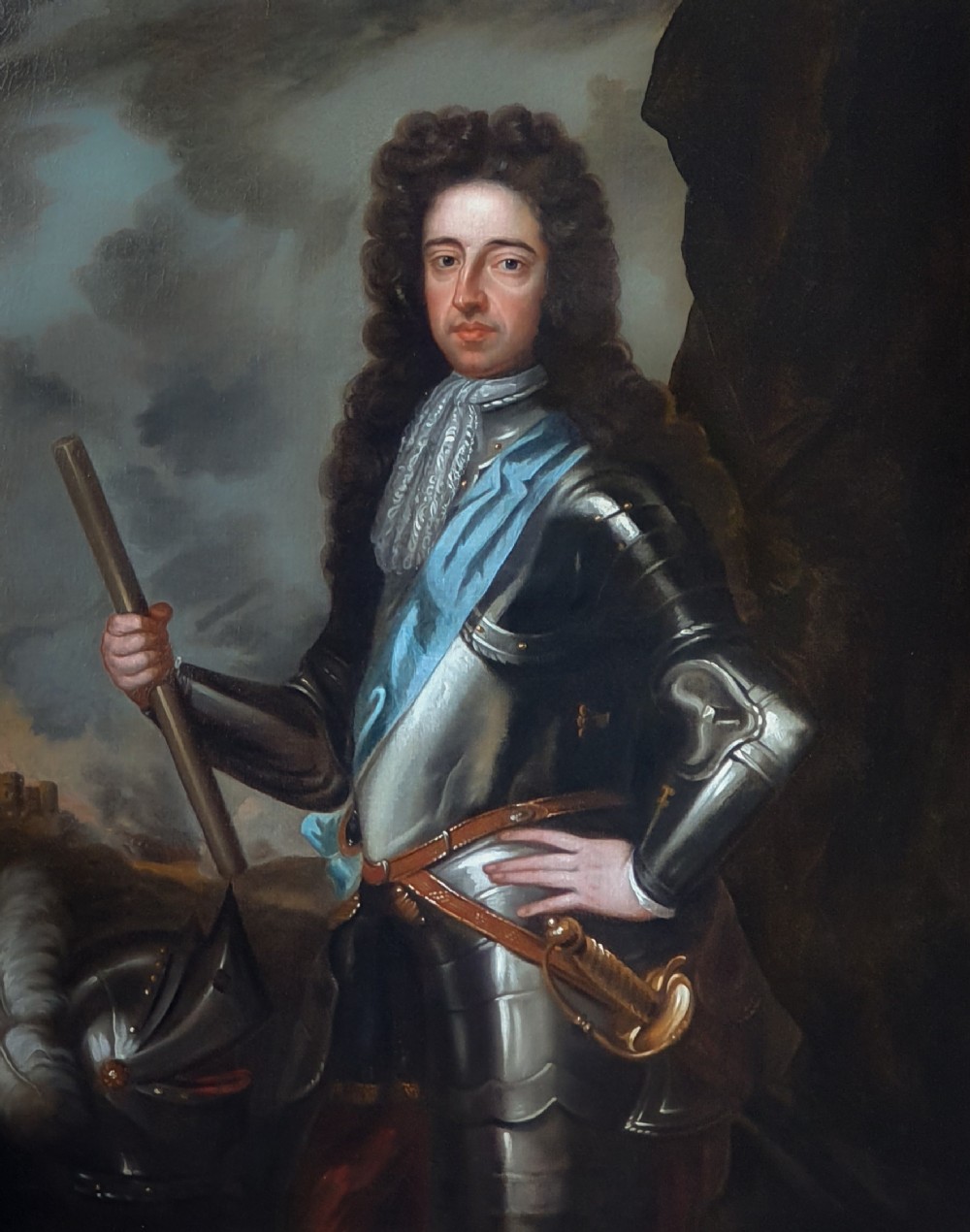
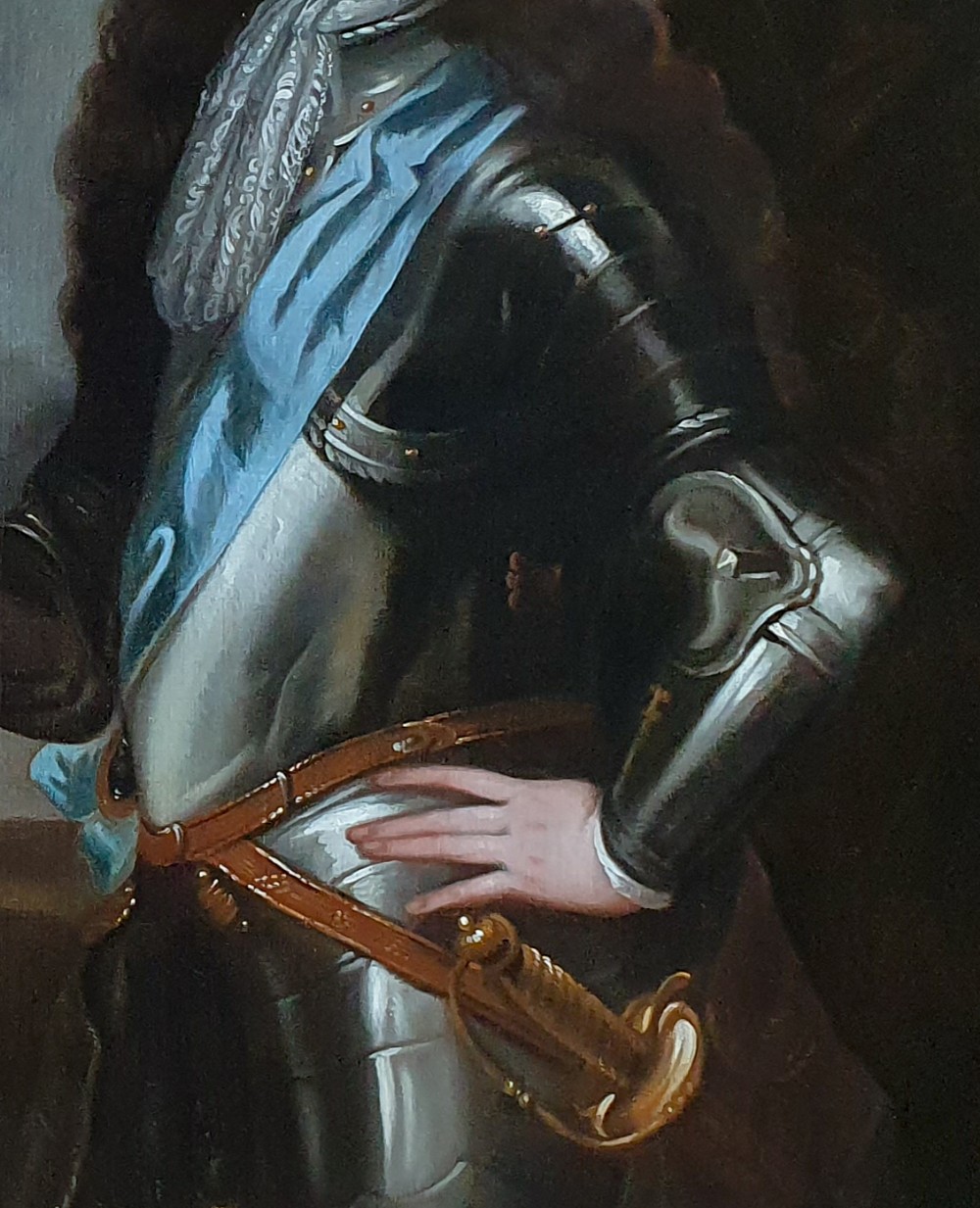
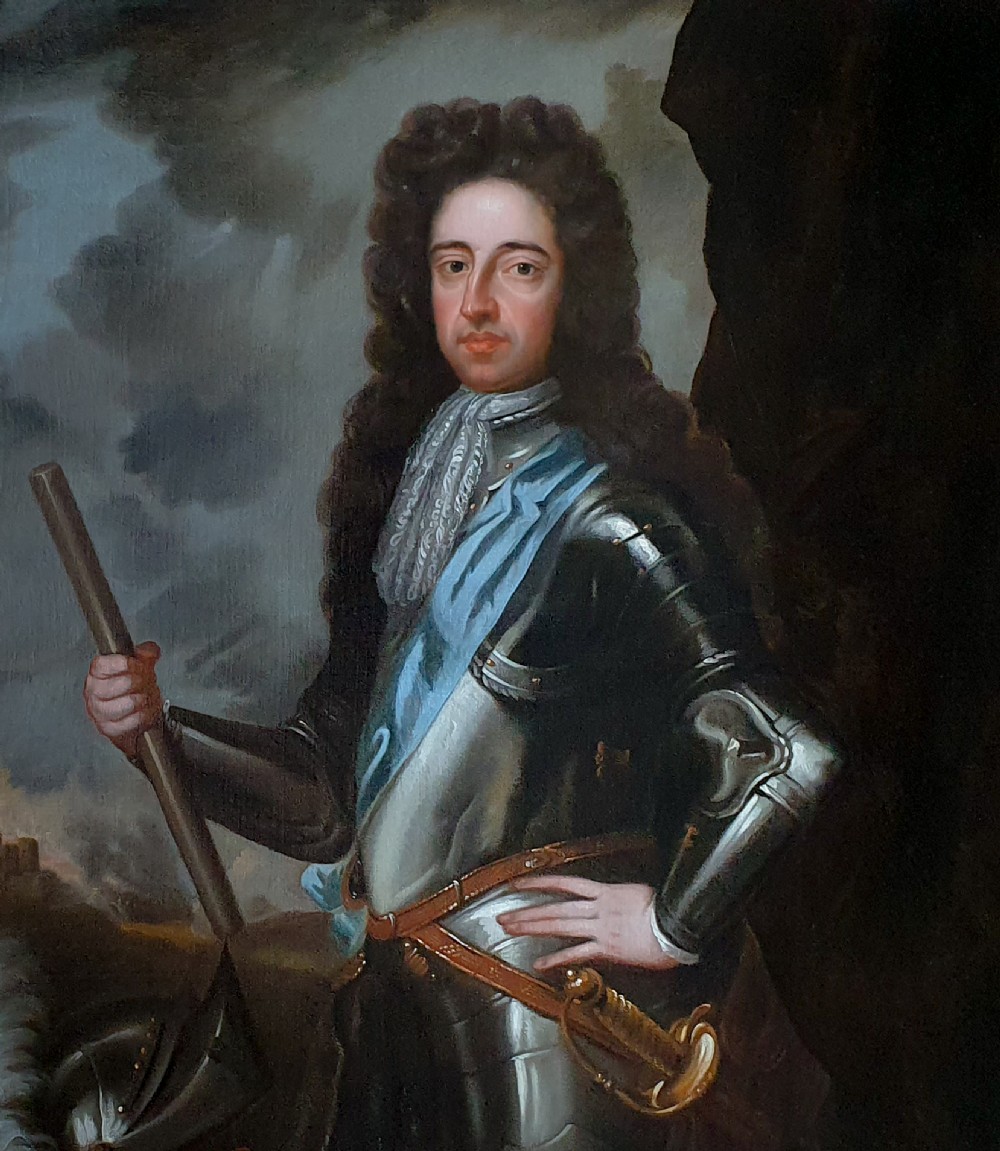
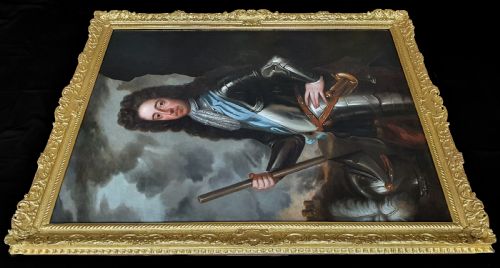
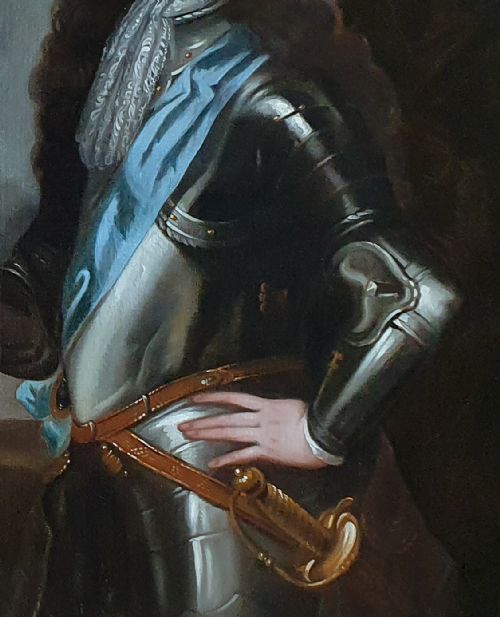
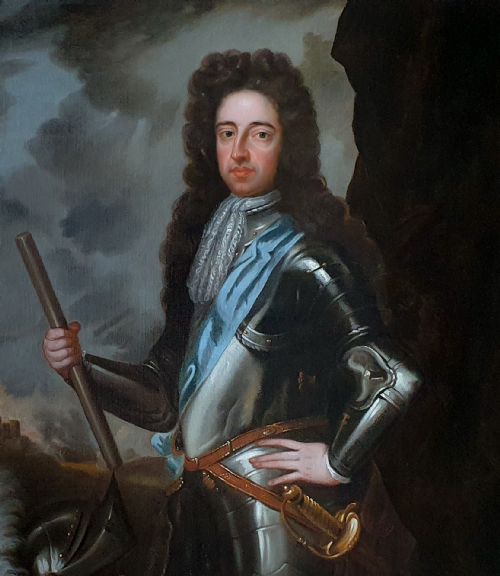
Painted circa 1700 he wears full armour of highly polished steel and holds a baton of command in one hand while the other rests on his hip, the fingers forming a ‘W’. A battle rages in the background – a common setting in portraits for important sitters at the time. This portrait is a fitting accompaniment to his military record and his heroic visage suitably reflects his status. The gold badge of the Most Noble Order of the Garter is worn suspended from the blue sash at the right hip (sometimes known as "the Lesser George") – it shows St. George the Martyr on horseback slaying a dragon. This order of chivalry founded by Edward III of England in 1348 is the most senior order of knighthood in the British honours system.
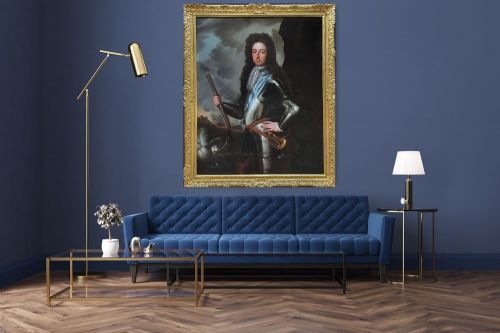
The work is the epidemy of the early propaganda portrait; images such as this were an essential tool that the King and his supporters used to emphasise his importance and further their cause. As such, many portraits were painted, and there were as many different variations of them. Having a portrait of the sitter was a popular means of demonstrating loyalty. This portrait is one of a number that Kneller and his studio painted of the King.
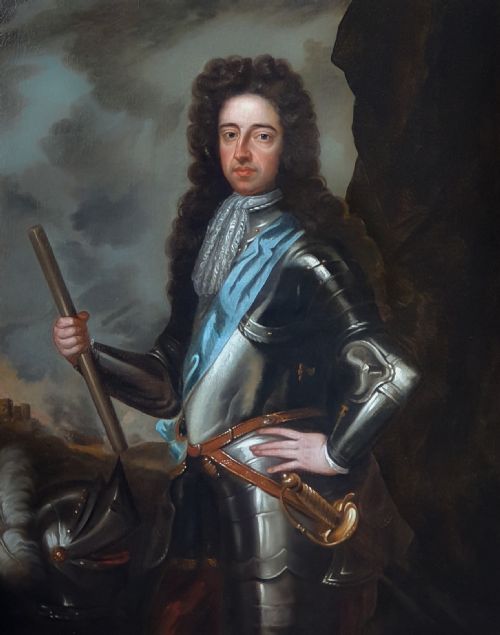
Prince William of Orange (later King William III) was highly important in the politics of Europe. He had been Captain General of the Dutch United Provinces in their war against the armies of Louis XIV and was an important figure to the Protestant cause in England. In 1677, William married his cousin Mary, the eldest daughter of James, Duke of York, who was the brother of Charles II and heir to the English throne.
Charles II died in 1685 and James became King James II and many in Protestant England were deeply suspicious of the new Catholic monarch. When his wife gave birth to a son it meant that Mary was no longer next in line to the throne. Alarmed by the situation, a group of James's Protestant opponents secretly invited William to invade England and oust his father-in-law.
Early in 1689, the English Parliament formally offered William and Mary the throne as joint monarchs. The new monarchs could not rule with the same power as previous monarchs enjoyed. They accepted Parliament’s ‘Declaration of Rights’ which restricted the king’s power and marked an important transition towards the system of parliamentary rule that exists to this day. In Europe, William was successful in his lifelong struggle to contain the military ambitions of Louis XIV, the Catholic king of France. In part to help finance his wars with Louis, William founded the Bank of England.
Sir Godfrey Kneller (1646-1723) was born in Germany but trained in Amsterdam and studied in Italy before moving to England in 1676. Towards the end of the century, after the deaths of Peter Lely and John Riley, Kneller became the leading portrait painter in Britain and the court painter to English and British monarchs from Charles II to George I. He dominated English art for more than thirty years. His over 40 "Kit-cat portraits" and the ten "beauties" of the court of William III are most noteworthy.
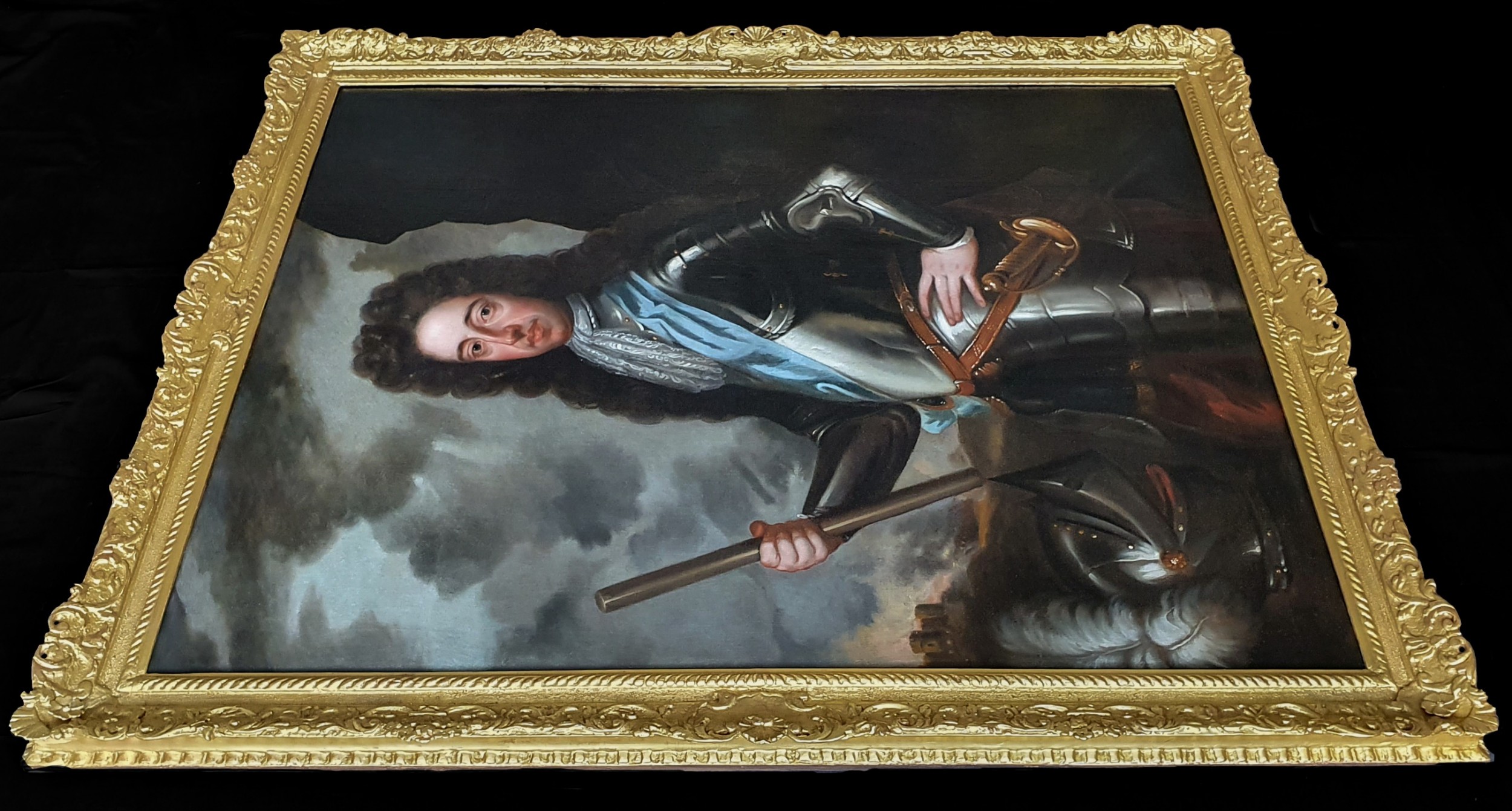
The work is held in a splendid period hand-carved and gilded frame – an impressive work of art in itself.
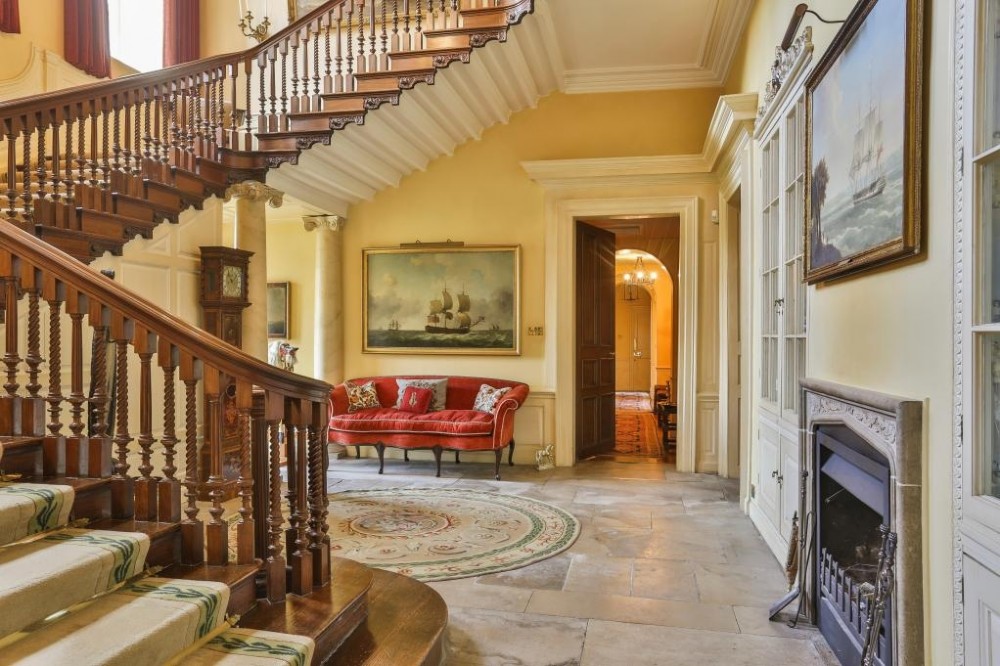
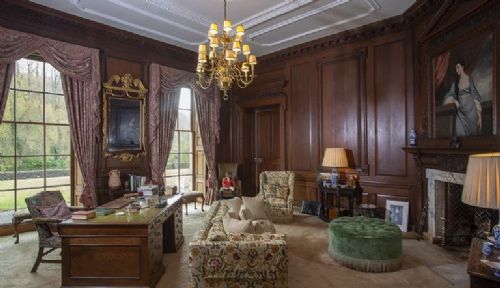
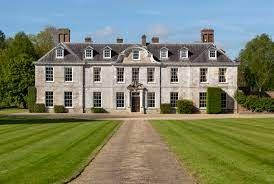
Provenance: Dewlish House (near Dewlish, Dorset) – one of Dorset’s most beautiful country houses. It is a Grade I Listed building that was built in the Queen Anne style in 1702 on the site of a large Roman villa. . It was owned for two centuries by the Michel family and their descendants.
Full description at: www.titanfineart.com
Titan Fine Art has dated this piece to the 17th Century.
Specialist in 17th & 18thc portraits. Highly curated selection, museum-level research & pro conservation. Exceptional art, expertly vetted.
You can view the stock and full dealer information on the Titan Fine Art Profile Page

Portrait of King William III C.1700; Studio of Sir Godfrey Kneller (1646-1723), Antique Oil on Canvas Painting